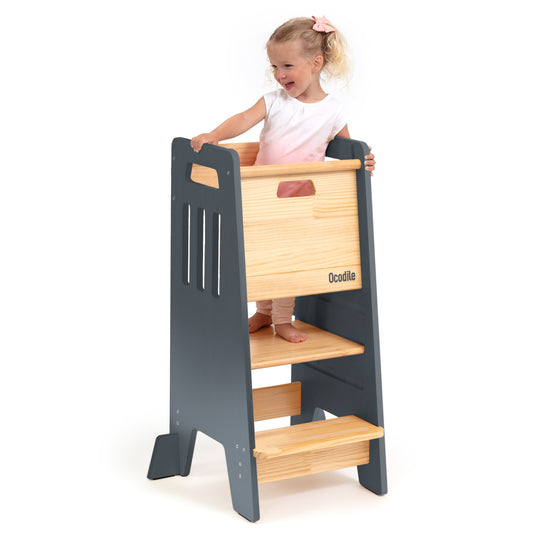


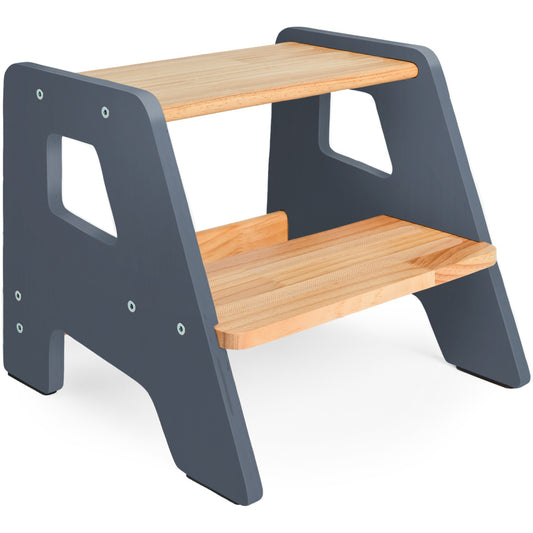


Your Guide to the Perfect Kids Table and Chairs Set
A kids table and chairs set is so much more than just tiny furniture. It's your child's very own headquarters—a dedicated space that nurtures their independence, sparks their creativity, and builds their confidence. This simple addition to a playroom or living area becomes the perfect spot for everything from art projects and snack time to quiet, focused learning.
Creating a Space for Your Child to Thrive
When you choose a kids table and chairs set, you’re taking a big step in creating an environment that truly supports your child's development. Think of it as their first personal workspace, perfectly sized for their body and accessible whenever they need it. This isn't just about looks; it's about empowerment.
When kids have furniture that fits them, they gain a real sense of ownership and control. They can sit down and stand up without asking for help, reach their own supplies, and dive into activities on their own terms. It’s these small acts that build self-reliance and confidence from a very young age.
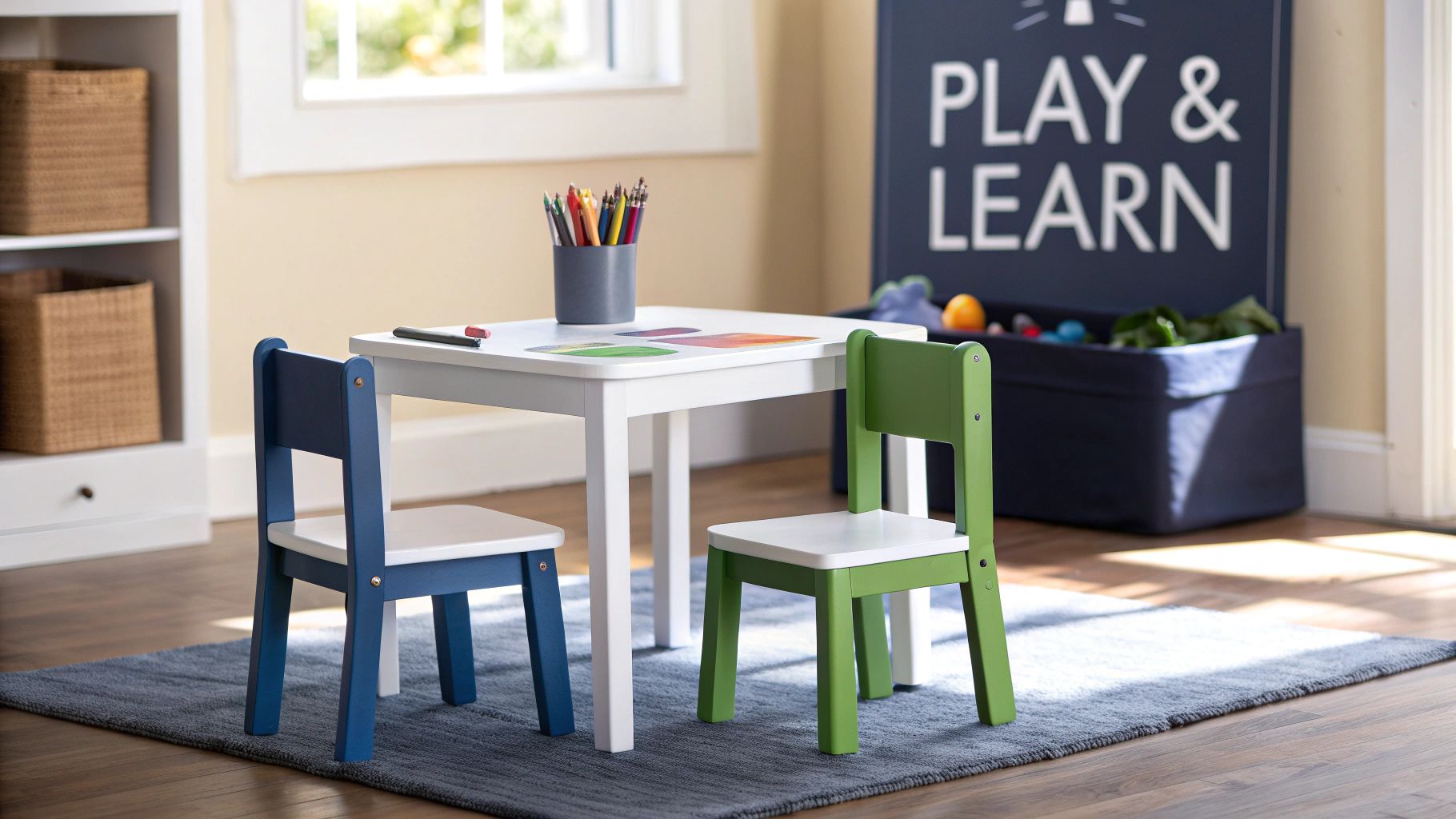
Why a Child-Sized Station Matters
A dedicated activity station does wonders for a child’s focus and physical well-being. Let's be honest, adult-sized tables are not just awkward for small bodies; they can lead to poor posture and make it genuinely hard for kids to concentrate. A properly scaled set encourages them to sit correctly, with their feet flat on the floor and their elbows at a comfortable height for working.
This guide is your complete roadmap to finding the perfect set. We'll walk through all the critical points to make sure your choice is safe, durable, and a perfect match for your child's needs.
Here's what we’ll get into:
- Essential Safety Standards: We'll decode what certifications like ASTM and JPMA actually mean for your peace of mind.
- Durable and Non-Toxic Materials: A close look at wood, plastic, and other options to find the healthiest choice for your home.
- The Right Ergonomic Fit: How to measure for a set that grows with your child, preventing discomfort and promoting good habits.
- Montessori-Inspired Independence: Discover how this simple piece of furniture can foster self-led learning and practical life skills.
By giving your child a space that is truly their own, you are making a direct investment in their development. It’s a place where simple moments—like drawing a picture or eating a snack—become valuable opportunities for growth and learning.
As you create this special area, it helps to think about all the ways you can enrich their environment. For more inspiration, exploring guides with unforgettable gift ideas for kids can spark ideas for items that pair perfectly with a new activity table. By the time you're done with this guide, you’ll have everything you need to pick a set that will enrich your child's daily life for years to come.
What to Look for in a Safe Kids Table Set
When you're picking out a kids table and chairs set, nothing trumps safety. It's easy to get distracted by cute designs, but think of it like buying a car—you wouldn't ignore the safety ratings. Children's furniture has its own set of standards designed to keep them safe during snack time, art projects, and all the wiggles in between.
Think of safety certifications as a promise from the manufacturer. They’re your first and best line of defense, confirming the set has been put through its paces to guard against common hazards. A certified product gives you peace of mind that it’s not just adorable, but structurally sound and free from nasty chemicals.

Decoding Key Safety Certifications
You've probably seen a jumble of acronyms on product descriptions. What do they actually mean? These labels are proof that a product meets specific criteria for things like stability, sharp points, and the materials used. Getting to know them is the secret to making a confident choice.
Here are the big ones you'll want to spot:
- ASTM International (F963): This is the gold standard for toy safety in the United States. It’s a comprehensive checklist that covers everything from sharp edges and small parts that could be a choking risk to the presence of heavy metals like lead in the paint.
- JPMA (Juvenile Products Manufacturers Association): This certification takes it a step further. A product with the JPMA seal has been independently tested to meet ASTM standards, plus other federal and state laws. It’s an extra layer of verification for safety and quality.
- EN 71: This is Europe’s equivalent to the ASTM standard, and it’s known for being one of the strictest in the world. It looks at everything from the physical build to the chemical makeup to ensure a product is completely child-safe.
A product with one or more of these certifications has passed tests designed to mimic how a real kid would use (and abuse!) it. It’s a clear signal that the company has put safety first and has the independent verification to prove it.
Essential Physical Safety Features
Beyond the official labels, you can do your own hands-on safety check. A well-designed set anticipates the tumbles, bumps, and boundless energy of a child, and you can spot this thoughtful construction yourself.
First, check for stability. The table and chairs should have a wide, solid base that prevents tipping, even when a kid is leaning way over to grab a crayon or pushing off the chair. Give the table a little nudge—it shouldn't wobble. The chairs should feel just as sturdy.
Next, do a "touch test." Run your hands over every surface and look for these key features:
- Rounded Corners and Edges: Sharp corners are just waiting to cause bumps and bruises. Every edge on both the table and chairs should be smoothly rounded.
- No Pinch Points: Look at any joints or folding mechanisms. Make sure there aren't any gaps where little fingers could get trapped or pinched.
- Durable Construction: Joints should feel tight and secure. Check for any exposed screws or hardware that could loosen over time and become a choking hazard.
The Importance of Non-Toxic Materials
What a table is made of is just as important as how it's built. Kids have a knack for putting their mouths on everything, and their skin is constantly touching these surfaces. That's why non-toxic materials are a non-negotiable.
Look for furniture that is explicitly labeled as free from harmful chemicals like lead, phthalates, and BPA. Good manufacturers will proudly state that they use water-based, non-toxic paints and finishes. A strong chemical smell can be a red flag for high levels of Volatile Organic Compounds (VOCs), which you don't want hanging around in your indoor air.
It’s clear parents are prioritizing these features more than ever. The global kids' furniture market was valued at a huge USD 52.8 billion in 2024 and is on track to hit USD 187.4 billion by 2033. This boom shows a real shift toward creating child-centric spaces that are safe and functional. You can dig into more of this market data on imarcgroup.com. Choosing a safe kids table and chairs set is a smart investment in a piece of furniture that will be at the heart of your home.
Choosing the Best Materials for Durability and Health
The material you choose for a kids table and chair set is the foundation for everything—its safety, how long it'll last, and even how it looks in your home. Think of it like building with LEGOs; you need a strong, stable base for anything you want to build on top. The right material ensures the set can handle everything from a toddler drumming with spoons to the inevitable juice spill, all while being a healthy part of your child's space.
As you start looking, you'll see four main players pop up again and again: solid wood, engineered wood, plastic, and metal. Each has its own personality, and understanding what they bring to the table (pun intended!) will help you make the best choice for your family.
The Natural Strength of Solid Wood
Solid wood is the old-school classic for a reason. Woods like pine, birch, maple, and rubberwood are incredibly durable and have a timeless look that fits into almost any home. A well-made wooden set isn't just a piece of furniture; it's an investment that can often be passed down through the family, standing up to years of enthusiastic play.
On the flip side, solid wood sets tend to be heavier and can cost a bit more. They might also pick up a few scratches or dings along the way, but honestly, many parents come to see these as part of its story—a visible reminder of all the creative adventures that happened there.
Engineered Wood a Smart Alternative
Engineered woods, like MDF (Medium-Density Fiberboard) and high-quality plywood, are a super popular and budget-friendly option. These are made by binding wood fibers or thin layers of wood (veneers) together with heat and pressure. The result is a smooth, stable surface that’s perfect for painting in bright, fun colors your kids will love.
These sets are usually lighter than solid wood and are great at resisting warping or cracking. The big thing to watch for here is the glue used to hold it all together. You'll want to be absolutely sure the set is made with low-emission adhesives. Always look for certifications that say it's low-VOC or, even better, zero-VOC.
The finish on any wooden set, whether it's solid or engineered, is just as important as the wood itself. A non-toxic, low-VOC paint or stain is essential for keeping your indoor air quality clean and healthy. It’s a small detail that ensures your child’s creative space is also a safe breathing space.
The Practicality of Plastic and Metal
High-quality plastic is a fantastic choice, especially if easy cleanup and portability are at the top of your list. Modern plastic sets are lightweight, come in a rainbow of vibrant colors, and can literally be wiped clean in seconds. This is a real lifesaver after a messy painting session or a snack-time disaster. Just make sure the product is clearly labeled BPA-free and phthalate-free.
Metal sets are less common but are built like little tanks. You’ll often see metal used for the legs or frames of tables, usually paired with a wood or plastic top. While they're incredibly durable, just check that any metal parts have smooth, rounded edges and a coating that will resist rust.
Picking the right material is a balancing act between durability, safety, and your family's lifestyle. Here's a quick breakdown to help you compare your options at a glance.
Comparison of Common Materials for Kids Furniture
| Material | Pros | Cons | Best For |
|---|---|---|---|
| Solid Wood | Extremely durable, timeless look, can be refinished, eco-friendly. | Heavier, more expensive, can scratch or dent. | Families looking for a long-term investment piece that can be passed down. |
| Engineered Wood (MDF, Plywood) | Budget-friendly, smooth surface for painting, resists warping. | Can contain VOCs if not certified, not as durable as solid wood. | Creative spaces where bright colors are desired and budget is a key factor. |
| High-Quality Plastic | Lightweight, easy to clean, waterproof, comes in vibrant colors. | Can be less sturdy, potential for harmful chemicals if not certified. | High-traffic areas, arts and crafts spaces, and families needing portable furniture. |
| Metal | Very sturdy and durable, modern aesthetic, often combined with other materials. | Can be heavy, may have sharp edges if poorly designed, potential for rust. | A sleek, modern look and for families needing maximum sturdiness. |
Ultimately, choosing the best material comes down to what will work best for your home and give your child a safe, inviting spot to learn and grow.
Why Material Choices Matter for Today's Families
This focus on safe, eco-friendly materials isn't just a trend. With the wood furniture market expected to grow at a CAGR of 16.4%, it's clear that families are actively looking for durable sets that can handle real life with kids. This lines up perfectly with Ocodile’s commitment to quality materials that help turn everyday moments into fun family experiences. By 2033, play furniture like tables and chairs is projected to make up over 52.4% of the entire children's furniture market, which shows just how vital these pieces are for fostering independence. You can read more about these market trends on zionmarketresearch.com.
If you want to go even deeper, our guide to non-toxic kids furniture has tons more info to help you create the safest possible environment for your little one. The best choice is always the one that fits your family's lifestyle, budget, and gives your child a wonderful place to call their own.
How To Find The Perfect Ergonomic Fit
Picking out a kids table and chairs set that doesn't fit right is a bit like forcing your child to wear shoes that are two sizes too big. Sure, they might make it work, but it’s awkward, uncomfortable, and definitely doesn't encourage them to sit down and play. Proper ergonomics isn't just a fancy word—it's the secret to creating a little nook that supports a healthy posture and keeps your kid happily focused on their latest masterpiece.
The real goal here is to set up a space where your child feels completely at ease. When a table and chair are just the right size, all that fidgeting and squirming disappears, letting them get lost in their drawing, puzzle, or snack. That comfort is what transforms a simple piece of furniture into their absolute favorite spot in the house.
The 90-Degree Rule For Perfect Posture
The easiest way to check for a good fit is what I call the “90-degree rule.” It’s the gold standard for healthy sitting posture and, thankfully, it's super easy to spot.
When your child is sitting down, look for three distinct 90-degree angles:
- At the hips: Their thighs should be flat and parallel to the floor.
- At the knees: Their lower legs should point straight down, perpendicular to the floor.
- At the ankles: Their feet should be resting flat on the ground.
This simple alignment gives them a stable, balanced base that supports their spine and prevents strain. If you see their feet dangling, the chair is too high. If their knees are bunched up towards their chest, the chair is too low.
A proper ergonomic fit does more than just support good posture; it fosters independence. When a child can easily sit down and get up without help, they feel more in control of their environment, which is a huge confidence booster.
Of course, the table height needs to work with the chair. When your child is sitting correctly, their elbows should rest comfortably on the tabletop at roughly a 90-degree angle. This lets them reach everything they need without hunching over or stretching awkwardly. For a deeper dive, our guide on the ideal height of a chair seat has more detailed measurements to help you nail it.
To make it even simpler, here's a quick reference chart to help you find the right dimensions based on your child's age.
| Child's Age Range | Recommended Chair Seat Height (inches) | Recommended Table Height (inches) |
|---|---|---|
| 2-3 years | 9-11 | 17-19 |
| 4-5 years | 10-12 | 18-20 |
| 6-7 years | 12-14 | 20-22 |
| 8-10 years | 14-16 | 22-25 |
Just remember, these are starting points! Every child is different, so always use the 90-degree rule as your final check.
Investing In Adjustable Sets That Grow
Let's be honest: kids grow like weeds. Buying fixed-size furniture can feel like a very short-term investment. This is exactly where adjustable sets come in to save the day. A kids table and chairs set with adjustable legs lets you raise the height of both the table and chairs as your child gets taller, guaranteeing a perfect ergonomic fit for years to come.
This map helps visualize some of the most common materials, helping you decide between options like classic wood or modern metal for your child's evolving needs.

As the infographic shows, materials like solid wood offer incredible durability, making them a fantastic choice for furniture that needs to last through multiple growth spurts.
Choosing an adjustable set isn't just practical—it's a more sustainable choice, too. Innovations like adjustable heights mean you're not tossing out furniture every couple of years, which can cut down on waste by as much as 35% compared to non-adjustable options. With the kids' furniture market expected to hit nearly USD 99.40 billion by 2033, there's a clear trend toward lasting quality. In fact, 62% of parents say they prefer stylish, durable pieces that fit their home’s decor, making adjustable wooden sets a go-to choice.
Ultimately, finding the perfect fit is all about creating an empowering and comfortable space where your child can truly thrive.
Fostering Independence with Montessori Principles
A kids table and chairs set is so much more than just a spot for drawing. It’s a powerful tool for building independence, which is right at the heart of the Montessori philosophy. The whole idea is to create a "prepared environment" where kids can safely explore and learn on their own terms. That little table isn't just furniture; it's their personal headquarters.
Think about it: your child wants a snack. Instead of waiting for you to hoist them into a high chair, they can just walk over to their own table, pull out their chair, and sit down. That simple act builds an incredible amount of confidence and a "can-do" attitude right from the start.
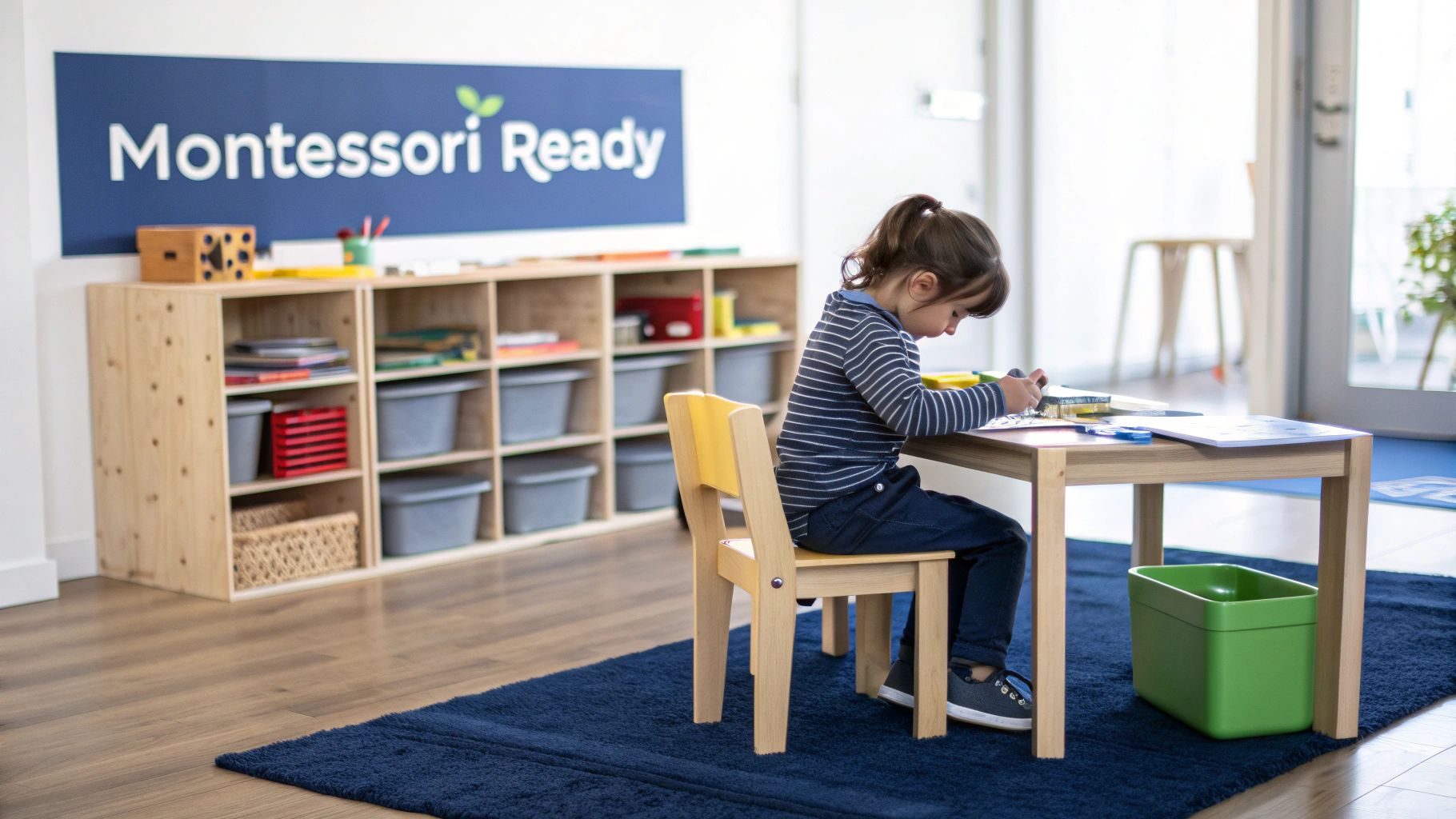
This kind of child-led freedom turns everyday moments into learning opportunities. It empowers them to take charge of what they’re doing, which is how they start picking up practical life skills they'll use forever.
Building Practical Life Skills
Having a workspace that's just their size is the perfect setup for kids to develop crucial skills in a natural, hands-on way. It gives them a platform to practice tasks that build coordination, focus, and even a sense of responsibility.
Here’s what that can look like in real life:
- Mealtime Independence: They can help set their own little place, carefully pour water from a small pitcher, and even clean up spills with a cloth that's just for them.
- Creative Ownership: All their art supplies can be stored in easy-to-reach bins nearby. This lets them choose an activity, work on it, and—most importantly—put everything away when they're done.
- Focused Learning: A dedicated space away from the hustle and bustle of the main family table helps them concentrate fully on a puzzle, a book, or their favorite building blocks.
The real spirit of the Montessori method is respecting the child as a capable person. Giving them furniture that fits their body is one of the most fundamental ways we show that respect. It sends a clear message: "This space is yours, and you are in charge here."
For parents interested in weaving these principles into their family's culture, this guide to creating a Montessori Muslim home has some fantastic insights on nurturing both independence and faith. It really shows how a well-prepared environment can support a child's growth in every way.
The Psychology of a Personal Space
Having a space to call their own is a huge deal for a child's development. It gives them a sense of security and belonging—a predictable spot where they know they can go to work or play without being interrupted. This is what helps them build the ability to concentrate and stay engaged with an activity for longer.
This is a big reason why parents are looking for more than just cute furniture. In fact, parents in North America—who hold over 33.6% of the market share in 2024—are specifically choosing versatile sets that support Montessori-style learning. They want ergonomic designs that look good but are also safe, reinforcing the value of these purposeful pieces.
At the end of the day, a kids table and chairs set isn't just another purchase; it's a real investment in your child's development. By giving them this space, you're boosting their self-esteem and planting the seeds for a lifelong love of learning. You can dive even deeper into how a Montessori table and chair encourages this growth in our detailed guide.
Alright, you've done the homework. You know the safety standards, you've mulled over materials, and you have a good idea of what size will work best. Now, let’s put it all together.
Think of this list as your final sanity check before you buy. It’s designed to take the guesswork out of the final decision, whether you're clicking "add to cart" online or giving a set a once-over in a physical store. This is where we move from theory to a hands-on evaluation to make sure the set you bring home is the perfect one for your little one.
The Final Inspection
Before you pull the trigger, it's time to play furniture detective for a minute. A quick physical check can tell you a whole lot about how a set will hold up over time.
- The Wobble Test: This is non-negotiable. Give the table and each chair a firm but gentle push from a few different angles. Does it feel solid and grounded, or does it wobble and threaten to tip over? You’re looking for something that feels sturdy.
- The Smooth-Over: Run your hands over every single surface, edge, and corner. You want to feel smoothly rounded corners to minimize bonks and bumps. More importantly, you're checking for any splinters, sharp bits, or rough patches that could catch on little hands or clothes.
- Hardware Check: Get a good look at all the nuts, bolts, and screws. Are they flush with the wood or, even better, recessed so they can’t be tampered with? Make sure nothing is loose or looks like it could become a choking hazard down the line.
A well-made piece of children's furniture should feel as good as it looks. You can often tell how committed a company is to safety just by feeling the quality of the finish and the sturdiness of the build.
Questions to Ask the Seller
Never be shy about asking questions! A good seller will have the answers ready and will be happy you're taking safety seriously. This is your chance to confirm the important details that aren't always crystal clear in a product description.
-
"Can you confirm the specific safety certifications for this set?"
You want to hear them mention ASTM, JPMA, or EN 71 standards. This is your proof that it’s passed some pretty rigorous third-party testing. -
"What kind of paint or finish was used? Is it non-toxic and low-VOC?"
This is a big one for your home's air quality. Get them to confirm that the materials are free from nasty stuff like lead, phthalates, and other harmful chemicals. -
"What's the recommended age range and weight limit?"
This isn’t just about safety; it’s about longevity. It confirms the set is a good fit for your child right now and gives you a realistic idea of how many years you'll get out of it.
Running through this checklist is your final step to making a truly informed choice. You’re not just buying a tiny table and chairs; you’re investing in a safe, fun, and enriching little corner of the world for your child.
Still Have Questions? Let's Clear Them Up.
Choosing the right furniture for your little one can feel like a big decision, and it's totally normal to have a few questions. From figuring out the right timing to knowing how to keep it looking great, we get it. We’ve put together the most common questions we hear from parents about kids table and chairs sets to give you the clear, simple answers you need.
Think of this as the final piece of the puzzle, designed to make you feel 100% confident in your choice. Let's dive in.
How Do I Know When My Child Is Ready for a Table Set?
The magic window for introducing a kids table and chairs set usually opens up when your toddler starts craving a bit of independence. For most, this happens somewhere between 18 and 24 months. You’ll see the signs: they’re trying to sit on their own, getting really into scribbling, or wanting to handle their own snacks without being in your lap.
Honestly, it’s less about hitting a specific age and more about their developmental stage. Once they're steady on their feet and can get up and down from a sitting position without too much wobbling, they’re ready. Giving them a set at this point is a game-changer, offering them a perfectly-sized space to practice all these new skills safely.
What Is the Easiest Way to Clean and Maintain the Set?
Keeping your child's table and chairs looking fresh is easier than you might think. For everyday wipe-downs—think crumbs, dust, and little fingerprints—a soft, damp cloth is your best friend. If you’re dealing with a more stubborn mess like dried-on food or a masterpiece in crayon, a little mild soap mixed with water will do the trick.
Here are a few pro-tips to keep it in great shape for the long haul:
- Go Easy on the Chemicals: Stay away from abrasive cleaners, anything with bleach, or ammonia-based products. They can be really harsh on the finish and strip away the protective coating.
- Wipe Up Spills ASAP: Wood and engineered wood don’t love moisture. Wiping up spills right when they happen stops water from seeping in and causing swelling or damage.
- Do a Quick Hardware Check: Every few months, just give the screws and bolts a quick check to make sure everything is snug. It’s a simple two-minute job that keeps the set stable and safe.
A little bit of consistent care goes a long way in making sure the set lasts through years of play.
Can These Sets Be Used Outdoors?
Most kids' table and chair sets you'll find are designed strictly for indoor use. Materials like solid wood and even engineered woods aren't treated to handle the great outdoors—sun, rain, and humidity will cause the wood to warp, the paint to peel, and the joints to get wobbly.
If you're dead set on an outdoor play station, you'll want to look for something made from high-quality, UV-resistant plastic or powder-coated metal. Those materials are actually built for it. If you decide to take your indoor wooden set outside for a birthday party or a sunny afternoon, just be sure to bring it right back inside when you're done.
It's clear that parents everywhere are seeing the value in creating these kinds of dedicated, kid-friendly spaces. The global kids' furniture market was valued at around USD 49.30 billion in 2024 and is on track to hit an incredible USD 231.00 billion by 2034. You can read more about the children's furniture market findings to see just how big this trend is.
This boom really shows how much we've come to understand that the right furniture isn't just a purchase—it's a core part of supporting a child's learning and play.
At Ocodile, our whole mission is to design furniture that empowers kids and gives parents total peace of mind. Our pieces are beautifully crafted, built with safety as the top priority, and made to support your child’s growing independence. They’re not just furniture; they’re a beloved part of your home. Come explore our collection and find the perfect foundation for your child's next adventure at https://ocodile.com.