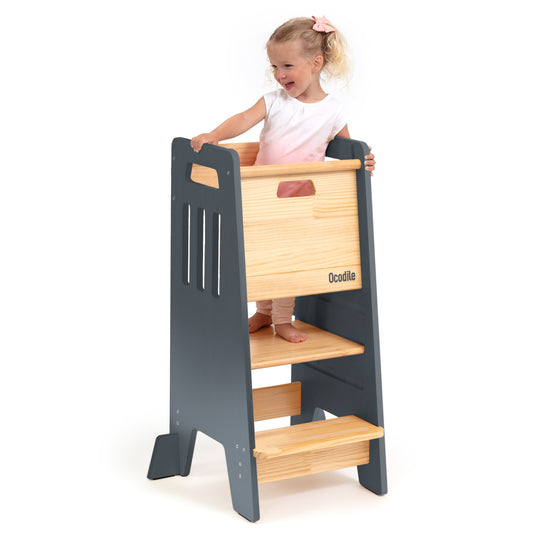


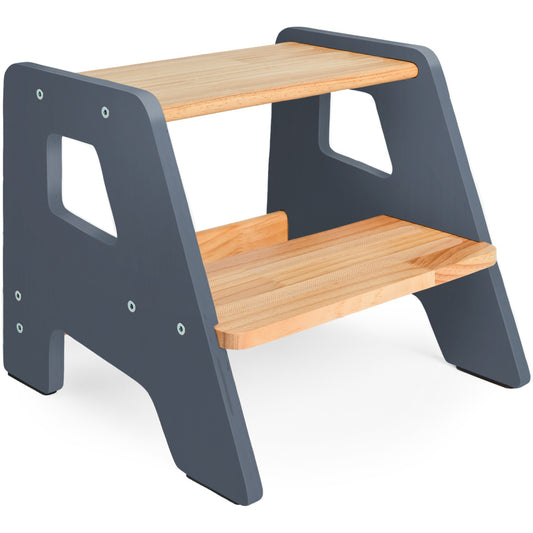


When to Transition to Floor Bed: when to transition to floor bed Tips
Figuring out the right time to move your little one to a floor bed isn't about circling a date on the calendar.It’s much more about tuning into your child's own developmental rhythm. While most families make the switch sometime between 6 months and 3 years old, the real clues come from watching your child's growing need for independence.
Is It the Right Time for a Floor Bed?
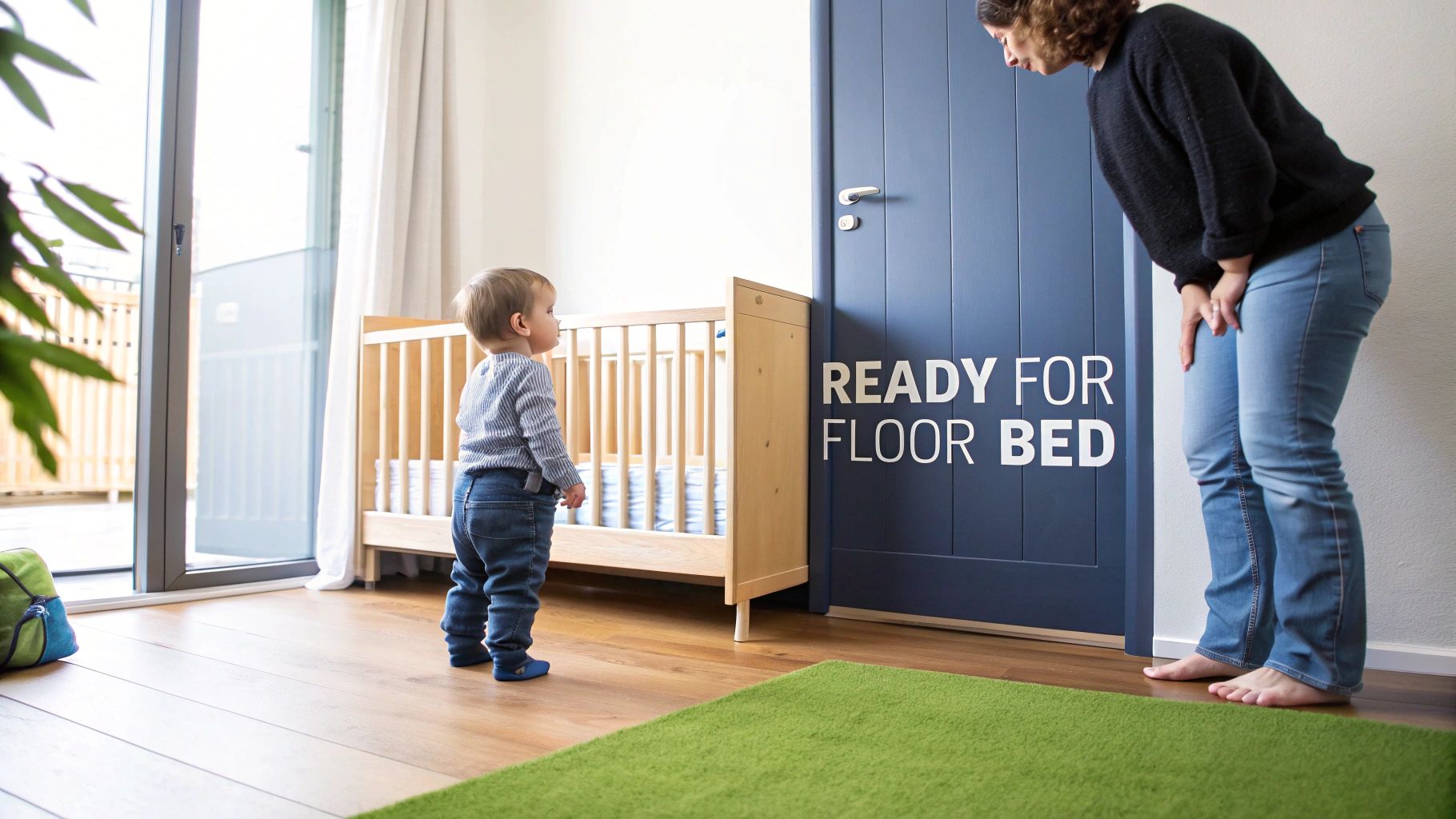
Watching your child grow is a series of wonderful (and sometimes nerve-wracking!) transitions, and moving from a crib to a bed is a huge one. The whole idea behind a floor bed, which comes from Montessori principles, is to support your child’s budding autonomy. A crib keeps a child contained, but a floor bed gives them the freedom to get in and out on their own. This helps them develop a sense of ownership over their sleep space.
This guide will walk you through the process so you can feel confident about making the change. We'll look at the key signs of readiness, from physical skills like climbing to those little behavioral hints that they’re craving more independence. Getting this timing right is the secret to a smooth and happy transition for everyone.
Gauging Your Child’s Developmental Stage
So, when is that perfect moment? It usually happens right when your child becomes more mobile and really starts exploring their world. Most families find that sweet spot is somewhere between 6 and 18 months. This is often when you'll see them trying to climb out of the crib or showing a real desire to move around without help.
By placing the mattress on the floor, you completely eliminate the risk of falling from a crib-climbing adventure and support their ability to listen to their own sleep cues. For a little more perspective on sleep readiness in general, it can be helpful to look into understanding when to start sleep training.
A floor bed respects a child's natural desire for independence. It transforms their bedroom from a place of confinement into a 'yes' space, where they can safely listen to their body’s sleep cues.
Noticing these signals is your first step. When you're ready to dive into the nuts and bolts of the move, check out our in-depth guide on transitioning from a crib to a bed.
To make it even easier, here’s a quick checklist to help you spot the signs that your child might be ready for a floor bed.
Floor Bed Readiness Checklist
| Developmental Sign | What to Look For | Typical Age Range |
|---|---|---|
| Increased Mobility | They are confidently crawling, scooting, or starting to walk. They can get around their room independently. | 6-12 months |
| Climbing Attempts | You see them trying to climb out of the crib or over other furniture. This is a major safety signal! | 8-24 months |
| Resisting the Crib | They protest being put into the crib, showing they dislike the confinement and want more freedom. | 12-30 months |
| Independent Play | They show an interest in playing by themselves and can entertain themselves safely for short periods. | 12+ months |
| Following Sleep Cues | They are starting to show clear signs of being tired (rubbing eyes, yawning) and could benefit from being able to go to their bed when they feel ready. | 18+ months |
Remember, this isn't a race! Every child follows their own unique timeline. This checklist is just a guide to help you recognize the milestones that often signal a successful and positive transition to a floor bed.
Reading the Signs: Is Your Child Ready?
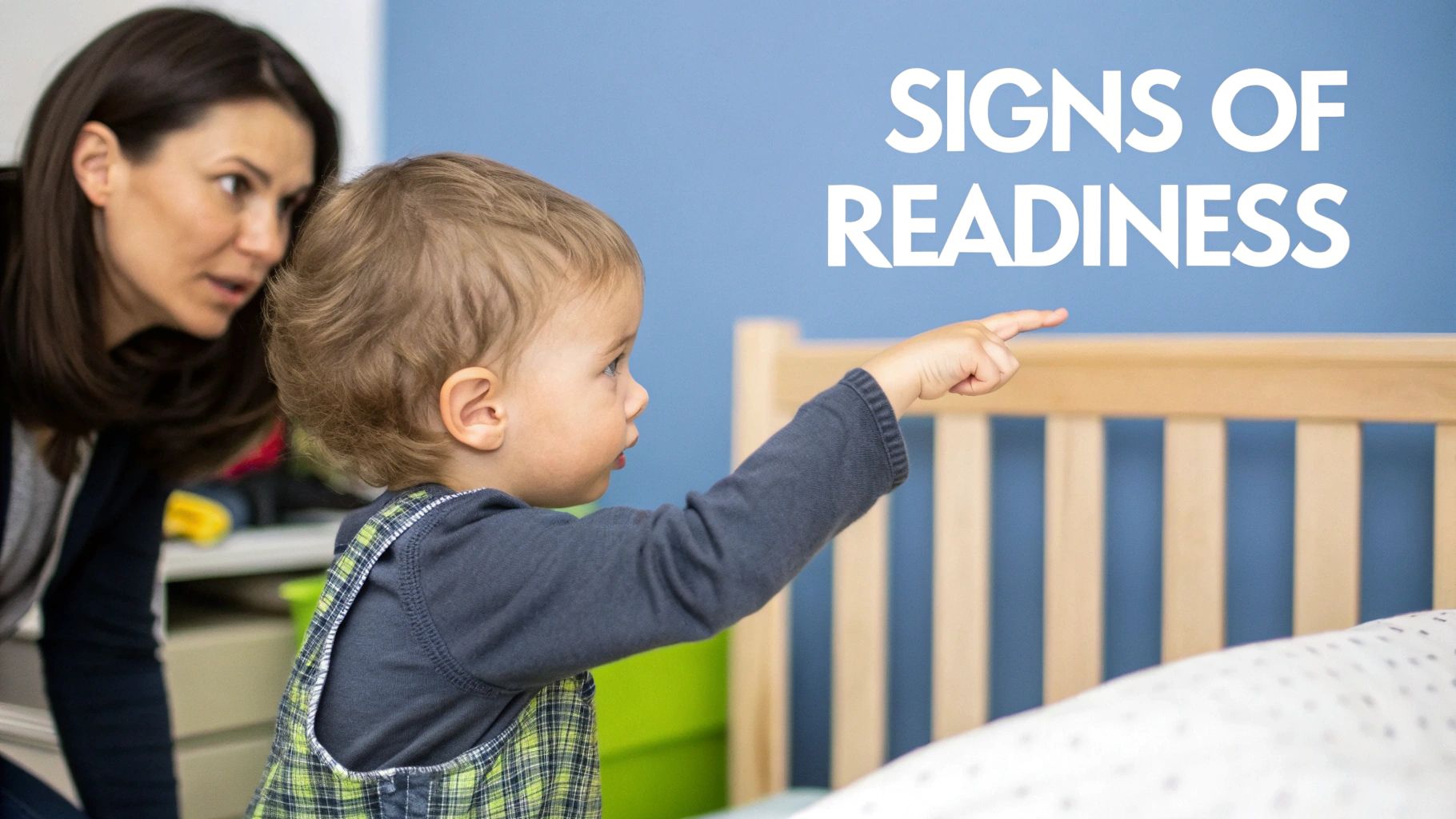
Figuring out the right time for a floor bed is less about hitting a specific age and more about playing detective. You have to tune in to your child’s unique development. Think of their crib as a cozy little nest that’s served its purpose well. For many growing toddlers, though, that nest can start to feel more like a cage they’re itching to escape.
Recognizing those little cues—the obvious and the subtle—is your key to a smooth and happy transition.
The most urgent signal is also a huge safety one: climbing. If your little one is suddenly channeling their inner mountaineer and trying to scale the crib walls, it’s a non-negotiable sign. The crib is no longer the safest place for them, and it's time to make a change before a dangerous fall happens.
Physical and Motor Skill Milestones
Beyond jailbreak attempts, take a look at their overall physical confidence. A child who is crawling like a champ or has started walking has the motor skills to safely navigate a bed that’s low to the ground. They can move with purpose and understand their surroundings, which is exactly what’s needed for the freedom a floor bed offers.
Watch how they interact with their space. Can they get on and off low furniture, like a small stool or the couch, all by themselves? This shows they’ve developed the body awareness to manage their own sleep space.
If you want a bigger picture of what to expect around this time, it can be helpful to explore the different childhood development milestones that line up with this new surge of independence.
Behavioral and Emotional Cues
Sometimes the signs are more about attitude than action. Your child’s behavior can tell you a lot about whether they're ready for a little more autonomy.
- Crib Resistance: Has bedtime suddenly become a battle of wills? If your toddler fusses, cries, or physically resists being put in their crib, they might be trying to tell you they want more control.
- Desire for Independence: Pay attention to all those "by myself" moments. This blossoming independence is a powerful clue they are emotionally ready for a bed that gives them more freedom of movement.
- Mimicking Older Siblings: If they have an older brother or sister, you might see them pointing to the "big kid" bed or trying to climb into it. Wanting to copy others is a huge motivator and a pretty clear sign of readiness.
A floor bed empowers a child to listen to their own body. When they feel tired, they can go to their bed; when they wake, they can get up and safely play, fostering a healthy relationship with sleep and their room.
Ultimately, these signals are your child's way of telling you they’re prepared for the next adventure. By observing these physical and emotional cues, you can confidently decide that it's the right time to introduce a floor bed, transforming their sleep area into a space that truly supports their growth.
Creating a Safe and Peaceful Sleep Sanctuary
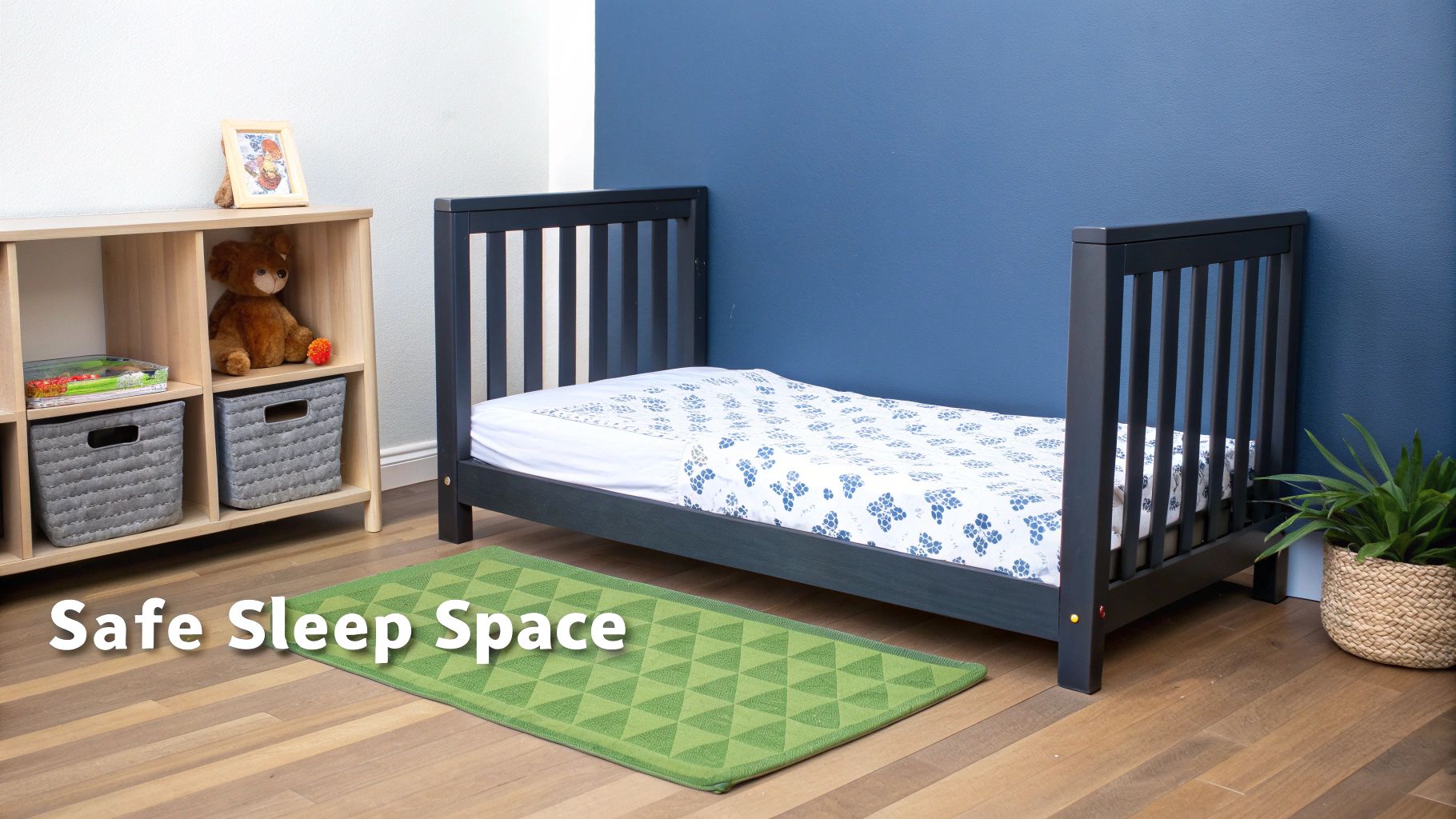
Moving to a floor bed requires a mental shift. With a crib, your safety focus was contained within those four walls. Now, the entire room becomes the crib. Your number one job is to create a completely safe environment where your little one can explore freely if they wake up during the night.
Think of it as designing their very own "yes space." This is a sanctuary where every single object is safe to touch and every corner is secure. This approach doesn't just prevent accidents; it builds your child's confidence, letting them navigate their own room without constantly hearing "no."
Safety is absolutely non-negotiable here, and getting it right is all in the preparation. Before that first night, get down on your hands and knees and crawl around. See the room from their perspective. What looks tempting? What could be a hazard you'd never notice from five feet up? This simple change in viewpoint is a game-changer for spotting risks.
The Essential Safety Checklist
To turn their room into a secure haven, you'll need to be methodical. A systematic approach ensures nothing gets overlooked, giving you both the peace of mind needed for restful nights.
Here’s a clear breakdown of what to secure:
- Furniture: Anchor all heavy items—dressers, bookshelves, and changing tables—to the wall with anti-tip straps. A curious and determined toddler can easily topple an unsecured piece of furniture.
- Outlets and Cords: Cover every single electrical outlet with safety plugs or sliding covers. Make sure there are absolutely no accessible cords from blinds, lamps, or baby monitors. These pose a serious strangulation risk.
- Doors and Windows: Put a baby gate at the bedroom door to prevent any middle-of-the-night wandering into other parts of the house. If you have low windows, add locks or guards to keep them from being opened.
This foundational work is critical. For a deeper dive into creating this environment, our complete guide to Montessori floor bed safety covers all the bases.
Setting Up the Sleep Space
Once the room is fully toddler-proofed, you can focus on the bed itself. The best part about a floor bed is its low profile, which naturally minimizes any risk from falls. A purpose-built frame, like the ones from Ocodile, gives them a safe, designated sleep spot while also keeping the mattress just off the floor for better airflow.
A huge part of a healthy sleep setup involves choosing from non-toxic mattress brands to protect their well-being while they rest.
The goal is to create a minimalist, clutter-free zone around the bed. A safe sleep space is one that is simple, breathable, and free from potential hazards.
Keep the bedding simple. For any child under two, the safest option is a firm mattress with a tightly fitted sheet—that’s it. You’ll want to avoid pillows, heavy blankets, and piles of stuffed animals in the bed, as they can be suffocation risks. A sleep sack is a much better way to keep them warm. This thoughtful preparation is what turns their room from just a bedroom into a true sanctuary.
The Montessori Philosophy Behind the Floor Bed
So, why a floor bed? The whole idea comes straight from the Montessori method, an approach to childhood that’s all about nurturing a kid's natural desire for independence. It sees their room not just as a place to sleep, but as their first real classroom. A crib, with its high bars, effectively contains a child, making them totally reliant on you to decide when it's time to get up or lie down.
A floor bed completely flips that script. It’s a simple change, but it's powerful. It treats your child as a capable little person by giving them freedom of movement. Think of their bedroom as their personal space. When they can safely climb out of bed on their own, they start learning to listen to their own body's cues for rest and play.
This is all about honoring where they are developmentally. Instead of being confined, a child with a floor bed can wake up and quietly find a book or a basket of soft toys. It encourages a kind of peaceful self-reliance, right from the very beginning.
Fostering Independence and Respect
The big idea here is respect for the child. Dr. Maria Montessori was a firm believer that children blossom when their environment is set up to meet their developmental needs. A floor bed is a perfect, real-world example of this. It sends a clear message: "I trust you to understand your own body and make good choices."
That trust builds incredible confidence. When a toddler can get into bed because they feel tired, instead of waiting for a parent to put them there, they develop a deep sense of self-awareness. This helps build a positive, lifelong relationship with sleep—framing it as something they are in control of, not something that happens to them.
By creating a "yes space" where safe movement is encouraged, the floor bed nurtures a child's budding sense of self. They learn to make independent choices within safe boundaries, which is a huge step in their psychological development.
This isn't just a philosophy; it’s backed by what we know about child development. Experts generally give the green light for floor beds somewhere between 18 months and 3 years old, as this is a key time for building autonomy. Interestingly, some sleep consultants have found that toddlers using floor beds tend to settle into regular sleep routines an average of 4 to 6 months earlier than kids in traditional toddler beds. If you're curious, you can discover more insights about these sleep findings from Taking Cara Babies.
At the end of the day, a floor bed is so much more than furniture. It's a tool that supports your child on their journey toward becoming a confident, independent person, all starting with the simple, empowering act of getting in and out of their own bed.
Your Step-by-Step Transition Plan
Making the move from a crib to a floor bed is a pretty big milestone, but it doesn’t have to feel overwhelming. Trust me, a gentle, step-by-step approach is the secret to a happy experience for everyone involved. If you break the process down into manageable phases, you can set the stage for a smooth—and hopefully tear-free—transition.
The real goal here is to build up excitement and positive feelings about the new bed long before that first night. Think of it less like flipping a switch and more like a friendly introduction to a cool new part of their room.
Phase 1: Setting the Stage
Preparation is truly everything. Your first move is to get your child comfortable and familiar with their floor bed during low-pressure daytime hours. This helps the bed become a fun, known space rather than a strange new place they're suddenly supposed to sleep in.
- Introduce It During Playtime: Once the new floor bed is set up, just let your child explore it on their own terms. Use it as a cozy spot for reading stories together or playing with quiet toys during the day.
- Involve Them in the Setup: Let them "help"! A toddler can't exactly assemble furniture, but they can definitely help put the sheets on or pick out a special new blanket. This gives them a sense of ownership from the get-go.
- Talk It Up: Be their biggest hype-person. Talk positively and excitedly about their new "big kid" bed. Simple phrases like, "Soon you'll get to sleep in your amazing new bed, just like a big kid!" can build fantastic anticipation.
The infographic below really nails how this newfound freedom supports key developmental milestones—starting with movement and growing into confidence and then full-blown independence.
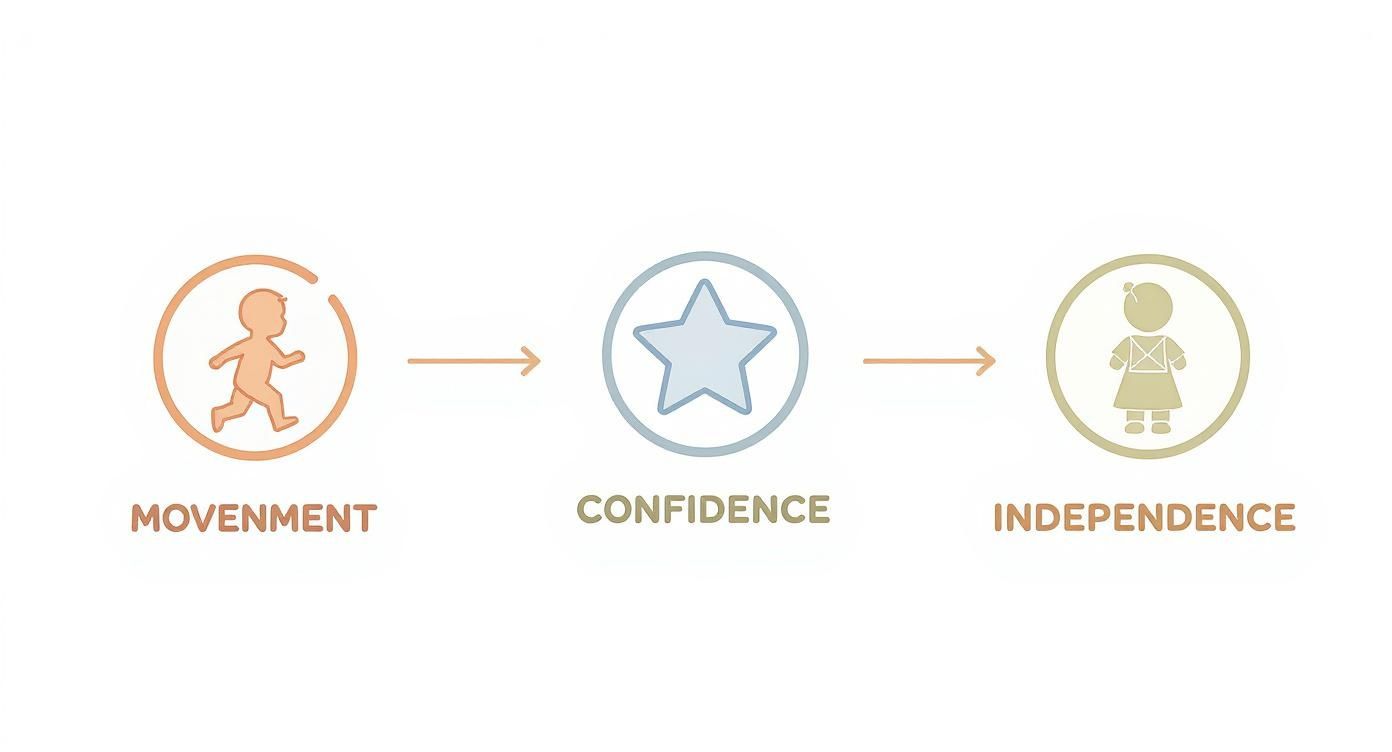
This progression just goes to show that the physical freedom a floor bed offers is directly tied to building a child's internal sense of capability and self-reliance.
Phase 2: The First Few Nights
Alright, when you're ready for the first night, consistency and a calm vibe are your best friends. Keep your existing bedtime routine exactly the same—bath, pajamas, stories, cuddles. The only thing that changes is where they lie down at the end of it.
You can lie with them in their new bed for a few minutes to help them settle in, then say goodnight and leave just like you normally would. Be prepared for a little exploration; it's a totally normal and expected part of the process.
The novelty of being able to get out of bed is exciting for them. If they get up, your job is to calmly and silently guide them back. Try to avoid turning it into a game by keeping your interactions minimal and, frankly, a bit boring.
Phase 3: Navigating the Novelty
That first week is all about reinforcing boundaries with a whole lot of patience. It's incredibly common for toddlers to test the limits of their new freedom by getting out of bed over and over again.
Your role is to be a calm, consistent presence. Each time they get up, gently lead them back to bed with a simple, repeated phrase like, "It's time for sleep." This steady, gentle return teaches them that nighttime is for staying in bed. With a bit of patience, the novelty will wear off, and they'll settle into the new routine.
Floor Beds vs. Toddler Beds: Which Is Right for You?
So, you’re ready to move on from the crib. That big step often brings up an even bigger question: should you go with a floor bed or a more traditional toddler bed? Both are solid choices, but they come from two very different philosophies and fit different family needs. The right answer really comes down to what aligns best with your child's personality and your own parenting style.
A toddler bed is pretty much what it sounds like—a mini version of a regular bed. It has a low frame and usually comes with built-in side rails. Think of it as the halfway point between the super-contained crib and the total freedom of a twin bed. For parents worried about tumbles, those rails offer a lot of peace of mind.
On the other hand, a floor bed is straight out of the Montessori playbook. It sits right on the floor, or just a few inches above it. This setup gives your child complete freedom to get in and out of bed all on their own, which is a huge confidence booster. It’s all about empowering them to recognize their own sleep cues and act on them.
Comparing Your Options
The choice really boils down to your main goal. Are you looking to prevent falls with physical barriers, or are you more focused on giving your child independence within a totally childproofed room? Neither one is "better"—they just represent different paths to the same milestone.
Research shows there's a pretty wide window for making this change. A study of nearly 2,000 toddlers found that while most kids make the switch between 18 and 36 months, there’s no magic number. In fact, the majority (63.4%) of children between 18-24 months were already out of their cribs. The real key to success, no matter which bed you choose, is a solid, consistent routine. You can see the full breakdown of the toddler bed transition data to get a better picture.
It all comes down to philosophy: A toddler bed contains your child for safety, while a floor bed trusts your child’s independence within a safe environment.
Ultimately, both options get you to a safe, comfy sleep space. Think about your child’s temperament and your home. A floor bed demands that you diligently baby-proof the entire room, while a toddler bed is a more contained, plug-and-play solution.
To make it even clearer, let's break down the key differences.
Floor Bed vs. Toddler Bed: A Quick Comparison
When you're weighing your options, it helps to see everything side-by-side. This table lays out the main features of Montessori-style floor beds and standard toddler beds to help you zero in on what truly matters for your family.
| Feature | Floor Bed | Toddler Bed |
|---|---|---|
| Safety Approach | Focuses on a completely safe room; no fall risk from the bed itself. | Uses side rails to contain the child and prevent falls from the bed. |
| Independence | High. Encourages autonomy and freedom of movement from a young age. | Moderate. Allows more freedom than a crib but still has physical barriers. |
| Parenting Philosophy | Aligns with Montessori principles of independence and respect. | A more traditional approach, focusing on a gradual transition. |
| Room Setup | Requires thorough childproofing of the entire bedroom. | Less intensive room-proofing needed, as the child is contained. |
| Cost & Longevity | Can be as simple as a mattress on the floor, or a frame like Ocodile’s that grows with your child. Often fits a standard twin mattress, lasting longer. | A separate purchase with a specific, shorter lifespan. Uses a crib-sized mattress. |
| Best For | Families prioritizing independence and who are committed to full room safety. | Families wanting a clear, structured next step from the crib with built-in safety features. |
At the end of the day, there’s no wrong answer here. One family might find the freedom of a floor bed is exactly what their adventurous toddler needs, while another might sleep better knowing their little one is tucked in securely behind a guardrail. Your choice is a personal one that should make everyone in the family feel secure and comfortable.
Got Questions About Floor Beds? Let's Talk.
Making the leap to a floor bed is a big step, and it’s bound to bring up a few questions. That's totally normal. You’re wondering about the real-world, day-to-day stuff, and that’s smart. Let's get into some of the most common things parents ask so you can feel good about this transition.
What if My Toddler Keeps Getting Out of Bed?
This is easily the number one worry, and you should absolutely expect it to happen! Imagine being able to get out of bed on your own for the first time—it’s exciting. The trick is to stay calm and be incredibly consistent.
When they pop out of bed, just gently and quietly guide them back. Keep the interaction minimal and boring. A simple, repeated phrase like, "It's nighttime; we stay in our bed," is all you need to reinforce the boundary. It won't happen overnight, but after a few nights (or maybe a week or two), they’ll learn the new routine.
Is a Floor Bed Safe for a Younger Baby?
For this one, most safety experts agree it’s best to wait until your little one is mobile—ideally somewhere around 12-18 months. For infants who aren't crawling yet, a crib is still the safest place to sleep to reduce SIDS risks. The freedom of a floor bed really shines once a child has the motor skills to move away from potential hazards on their own.
How Do I Keep My Child Warm Without Blankets?
A great question. You want them to be cozy, but loose blankets are a no-go for young children. The perfect solution here is a wearable blanket or a sleep sack. They keep your child snug and warm without any of the risks.
Just make sure their room stays at a comfortable temperature (around 68-72°F) and dress them in a good base layer, like footed pajamas. That combo is the secret to a warm and safe night's sleep.
Ready to create a sleep space that champions your child's independence? The Ocodile floor bed is designed with both safety and empowerment in mind, making the switch a beautiful part of your home. Check out the collection and find the perfect fit for your family at https://ocodile.com.