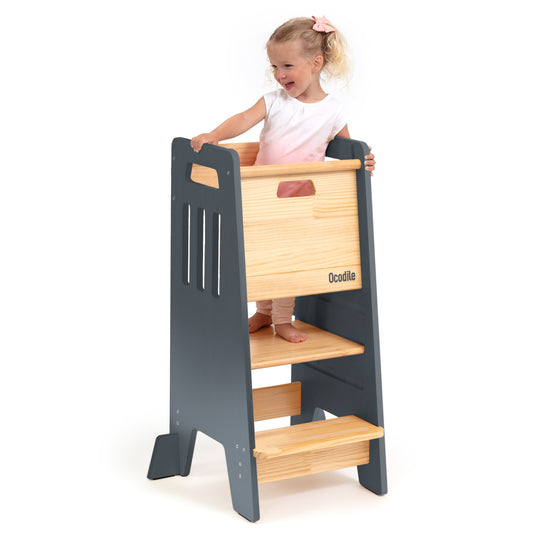


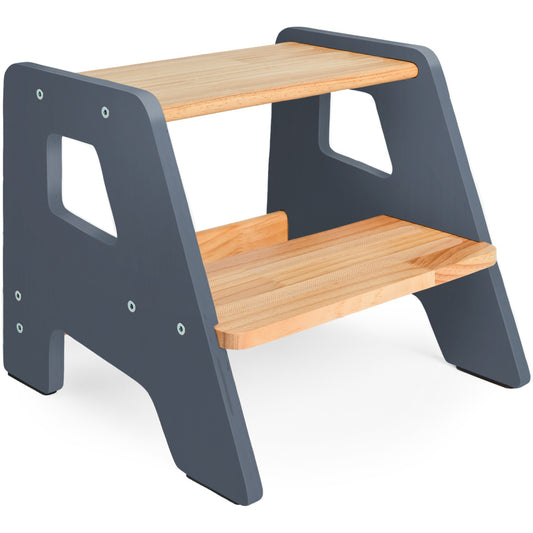


Adjustable childrens chair: A Smart Choice for Growing Kids
An adjustable children's chair is so much more than just a place to sit; think of it as an investment in your child's entire developmental journey. This single, adaptable seat grows right alongside them, from their very first spoonful of solids to their first homework assignments, making sure they have perfect posture and comfort at every stage.
Why an Adjustable Chair Is a Game Changer for Your Child

Imagine a standard, fixed-height chair is like a pair of shoes your child quickly outgrows. For a little while, it fits perfectly. But soon enough, it's too small, awkward, and unsupportive. An adjustable children's chair, on the other hand, is like a bicycle with a seat you can raise and training wheels you can take off—it adapts to every growth spurt and skill level.
This adaptability brings real, tangible benefits that support your child's well-being and simplify your family's daily routine. When a chair fits just right, it gets rid of dangling legs and uncomfortable slouching, which are often the real culprits behind mealtime fidgeting and distraction.
From Toddlerhood to Grade School
The true magic of an adjustable children's chair is its longevity. Unlike a traditional high chair that you’ll pack away after a couple of years, this one piece of furniture serves your child through several key developmental phases.
- For Toddlers (1-3 years): It provides a safe, secure seat right at the family table, helping them feel included and develop social skills during meals.
- For Preschoolers (3-5 years): The chair can be lowered to the perfect height for art projects, puzzles, and sensory play at a child-sized table.
- For Early Elementary (5+ years): It transitions into an ergonomic desk chair, promoting good posture and focus during homework time.
This long-term usability means you’re not buying multiple chairs over the years, making it a smart and sustainable choice for your home. That initial investment really pays off by creating a consistent, supportive spot for all sorts of activities.
A correctly sized chair is crucial for maximizing a child's learning and development. When furniture fits well, children can fully participate in activities that broaden their knowledge, deepen their interests, and strengthen their skills.
Fostering Independence and Confidence
Beyond the ergonomics and cost savings, an adjustable chair is incredibly empowering for your child.
When the seat and footrest are set to the correct height, a child can climb in and out all on their own. It’s a simple act, but it builds a profound sense of independence. This kind of autonomy is a cornerstone of philosophies like Montessori, which is all about creating a child-led environment.
By giving them a chair that is truly theirs and fits them perfectly, you’re handing them a tool that helps them confidently engage with the world around them.
The Science of Healthy Seating for Growing Kids
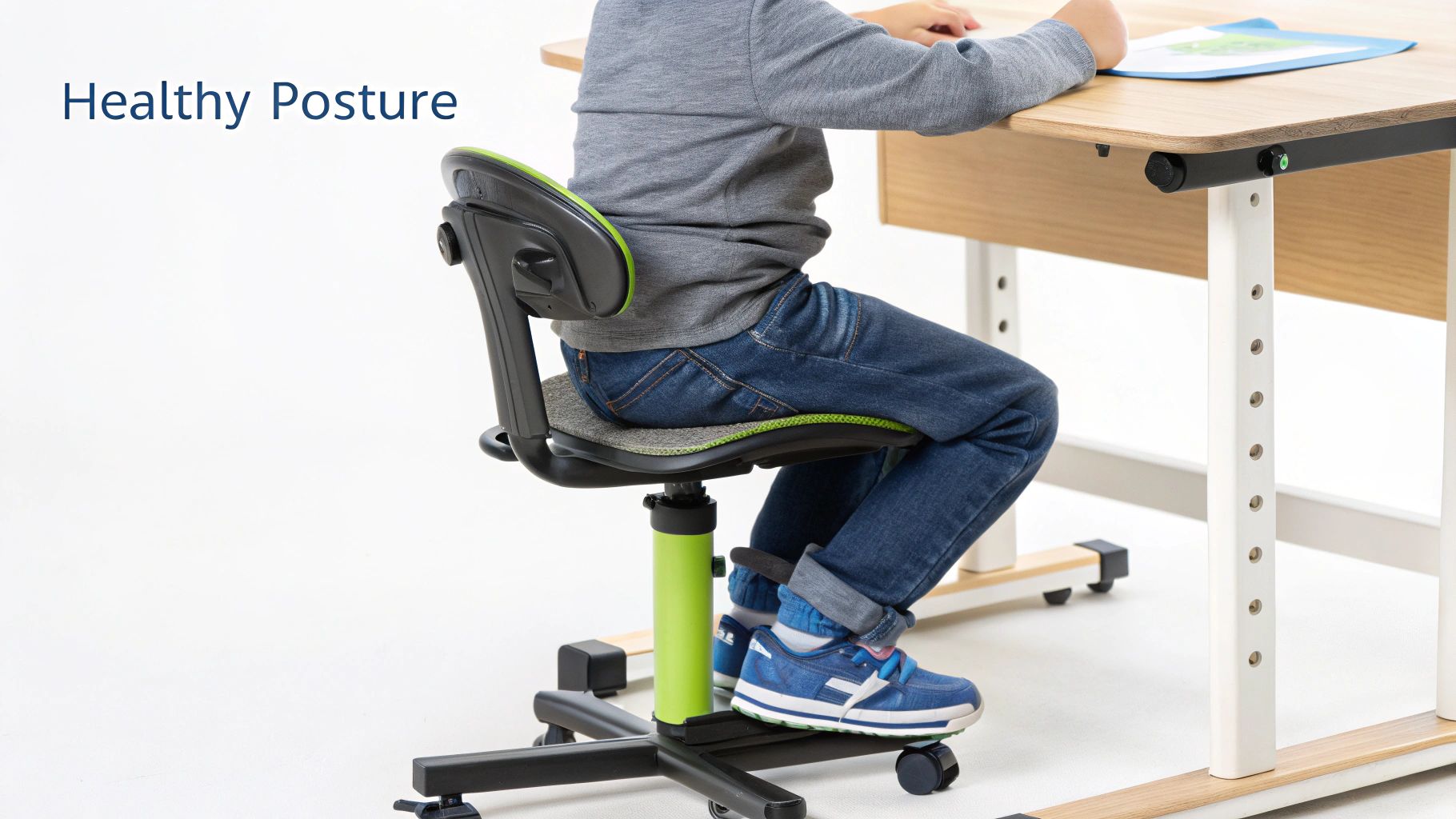
Have you ever watched your child squirming at the dinner table, swinging their feet, or slouching over a coloring book? That’s not just a case of the wiggles. It’s often a clear signal that their chair just isn't cutting it for their growing body. The whole idea of ergonomics—designing things for comfort and efficiency—is just as critical for kids as it is for us adults.
An adjustable children's chair is designed around this very principle. It’s not simply a pint-sized adult chair; it's a piece of gear engineered to support a child's unique physical needs. When a chair fits them properly, it gives them a stable base. This lets them pour their energy into eating, learning, or creating, instead of constantly trying to get comfortable.
Decoding the 90-90-90 Rule
The gold standard in children's ergonomics is the 90-90-90 rule. It might sound a bit technical, but it's really just a simple visual guide for perfect posture. Picture your child sitting down; the rule means their body should form three distinct right angles.
- Hips at 90 degrees: Their hips are bent at a right angle, with their back resting easily against the backrest.
- Knees at 90 degrees: Their knees are also bent at a right angle, with their thighs running parallel to the floor.
- Ankles at 90 degrees: Finally, their ankles form a right angle, with both feet resting flat on a solid surface—not dangling in the air.
Think about it like building a stable tower. If the foundation is wobbly (like dangling feet), the rest of the structure (their spine and core) has to work overtime just to stay upright. A chair with an adjustable seat and footrest is what makes this posture possible as they grow. This simple alignment is the key to unlocking some major developmental benefits.
The Ripple Effect of Proper Posture
Getting that 90-90-90 posture with an adjustable children's chair does a lot more than just stop slouching. It creates a positive ripple effect that touches your child's health, focus, and even behavior in ways you might not expect. When their body is properly supported, incredible things start to happen.
For instance, a stable core and supported back lead to better fine motor control. Suddenly, holding a crayon or using a fork becomes much easier because their body isn't fighting for balance. This stability also translates to better concentration. A kid who isn’t constantly fidgeting to get comfortable can focus for longer on homework or a puzzle.
The connection between physical stability and cognitive function is undeniable. A supportive chair grounds a child, freeing up mental resources that would otherwise be spent on managing physical discomfort. This foundation is essential for learning and engagement.
On top of that, good posture even helps with digestion. Slouching can compress the digestive organs, but sitting upright gives them the space they need to work properly. This means a more comfortable and settled tummy after meals.
This focus on ergonomics is really catching on. Ergonomic children's chairs are a big part of the kids' furniture market, which is projected to hit USD 5.8 billion by 2033. Data also shows that 68% of parents in the US and Europe now prioritize adjustable chairs to help prevent musculoskeletal issues, which can affect up to 25% of children aged 3-6 who lack proper seating. You can see more on these trends in this comprehensive industry report.
Of course, the right chair is just one piece of the puzzle. To create a truly supportive learning space, it’s best to pair it with the right table. You can explore our complete guide on choosing the perfect kids' desk and chair set to make sure every part of their setup is designed for success.
Key Features of a High-Quality Adjustable Chair
Stepping into the world of children's furniture can feel a little daunting. But once you know exactly what to look for, picking the right adjustable chair becomes simple and straightforward. A great adjustable chair isn't just one piece of furniture; it's a whole system of features designed to work together for your child's posture, safety, and growing independence.
Think of it like buying a car seat. You wouldn’t just choose one based on its color, right? You’d look at the safety ratings, how it adjusts, and what it’s made of. We need to apply that same level of detail here. Let's break down the essential features that set a truly fantastic adjustable chair apart from the rest.
Seat Height and Depth Adjustability
The magic of an adjustable chair is its ability to adapt as your child grows. The most important adjustments are the seat's height and depth. Getting the seat height right allows you to line your child up perfectly with the dinner table, so their elbows can rest at a comfortable 90-degree angle. This small detail prevents shoulder strain and helps them focus better on their meal or activity.
Seat depth is just as crucial but often gets missed. Proper seat depth means your child’s back is fully supported by the backrest, with a little space—about two fingers’ width—behind their knees. This supports their thighs without cutting off circulation, which is a common reason for all that fidgeting and wiggling.
A Stable and Adjustable Footrest
If there’s one non-negotiable feature, it’s an adjustable footrest. When a child's feet are just dangling in the air, their body has no stable foundation. This forces their little core muscles to work overtime just to keep them balanced, leading to restlessness and a slumped posture.
A supportive footrest is the anchor for good posture. It completes the ergonomic foundation, allowing a child to ground themselves physically so they can focus mentally and engage more fully in family meals or learning activities.
Look for a footrest that’s easy to move and provides a wide, solid platform for both feet. This is the final piece of the puzzle for achieving the "90-90-90" posture rule, making sure their knees and ankles are correctly aligned for total comfort and stability.
Before you buy, it helps to have a clear checklist of what to look for. This table breaks down the most important features to help you compare your options.
Adjustable Chair Feature Checklist
| Feature | What to Look For | Why It Matters for Your Child |
|---|---|---|
| Seat Adjustment | Both height and depth are easily adjustable without complex tools. | Ensures a perfect fit at any age, promoting the "90-90-90" posture rule for comfort and focus. |
| Footrest | Wide, sturdy, and adjustable platform. | Provides a stable base, preventing fidgeting and supporting proper leg circulation and posture. |
| Stability | A wide base, anti-tip legs, and solid construction. | Prevents wobbling or tipping, keeping an active child safe and secure. |
| Safety Details | Smooth, rounded edges; non-toxic finishes; covered hardware. | Minimizes the risk of bumps, scrapes, or exposure to harmful chemicals. |
| Materials | Durable solid wood or BPA-free plastics; easy-to-clean surfaces. | Ensures the chair lasts for years and can handle daily messes from meals and art projects. |
| Harness/Guardrail | A secure 3-point or 5-point harness for younger children. | Offers essential protection for toddlers who are still learning to sit securely on their own. |
Keeping these points in mind will help you choose a chair that’s not just functional, but a true long-term investment in your child's well-being.
Robust Safety and Stability Features
Safety is everything. A well-designed adjustable chair must be incredibly stable, with a wide base or anti-tip legs to stop it from wobbling or toppling over, even when a curious toddler gets a bit wiggly. Look for chairs built from solid, sturdy materials like high-quality wood or reinforced polymers.
Here are a few other critical safety elements to check off your list:
- Smooth, Rounded Edges: This simple design choice prevents bumps, scrapes, and bruises.
- Non-Toxic Finishes: Make sure all paints, stains, and lacquers are certified child-safe and free from nasty chemicals.
- Secure Hardware: All screws and bolts should be recessed or covered so they don’t snag clothes or scratch little hands. A secure safety harness or guardrail is an absolute must for younger toddlers.
This focus on safety isn't just a trend. The global market for adjustable multifunctional baby high chairs is expected to grow to over USD 150 million by 2025, with features that support kids from 6 months up to 3 years old. Better safety is a huge driver, and 90% of products now come with a 5-point harness as standard.
Durable and Easy-to-Clean Materials
Finally, let’s be practical. A chair that’s going to be used for meals, messy art projects, and everyday life has to be tough. Look for materials that aren't just durable but are also a breeze to wipe down. Solid wood with a protective finish, BPA-free plastics, and removable, machine-washable cushions are all fantastic options.
A chair made from high-quality materials will not only see one child through their early years but can often be passed down, making it a sustainable and smart investment. Ultimately, choosing the best baby furniture means prioritizing pieces that support healthy ergonomics and development from the very beginning.
Setting Up Your Chair for the Perfect Fit
Unboxing your new adjustable chair is more than just the start of putting furniture together; it’s about creating a perfectly tailored spot for your child. Taking a few minutes to get the assembly and adjustments right is the key to unlocking all the ergonomic benefits, ensuring your little one has the best possible seat from day one.
Think of it like tuning a guitar. Each piece, every screw, plays a role in creating a stable and secure final product. If you rush it, you might end up with something wobbly and out of sync. A little patience now pays off big time later.
A Stress-Free Assembly Guide
Most high-quality chairs, like the ones from Ocodile, are designed to be put together without any headaches. First things first: lay out all the parts on a soft rug or blanket to prevent any scratches. Grab the instruction manual, and you’re ready to go.
- Attach the Legs: Start by firmly fastening the legs to the base. You want the screws to be tight, but be careful not to overtighten and damage the wood.
- Install the Footrest: Slide the footrest panel into one of the slots. Don't stress about getting the height perfect just yet; this is just about getting the main structure built.
- Position the Seat: Now, do the same with the seat panel. A good initial guess is a height that looks about right for your child to sit comfortably at your dining or activity table.
- Add Safety Features: If your model has a safety harness or a guardrail for the toddler stage, now is the time to attach it according to the instructions.
- Final Tightness Check: With everything assembled, give the chair a gentle wiggle. If anything feels loose, go back and give those screws a final turn.
This next part breaks down the core ideas behind what makes an adjustable chair work so well, zeroing in on adjustment, support, and safety.
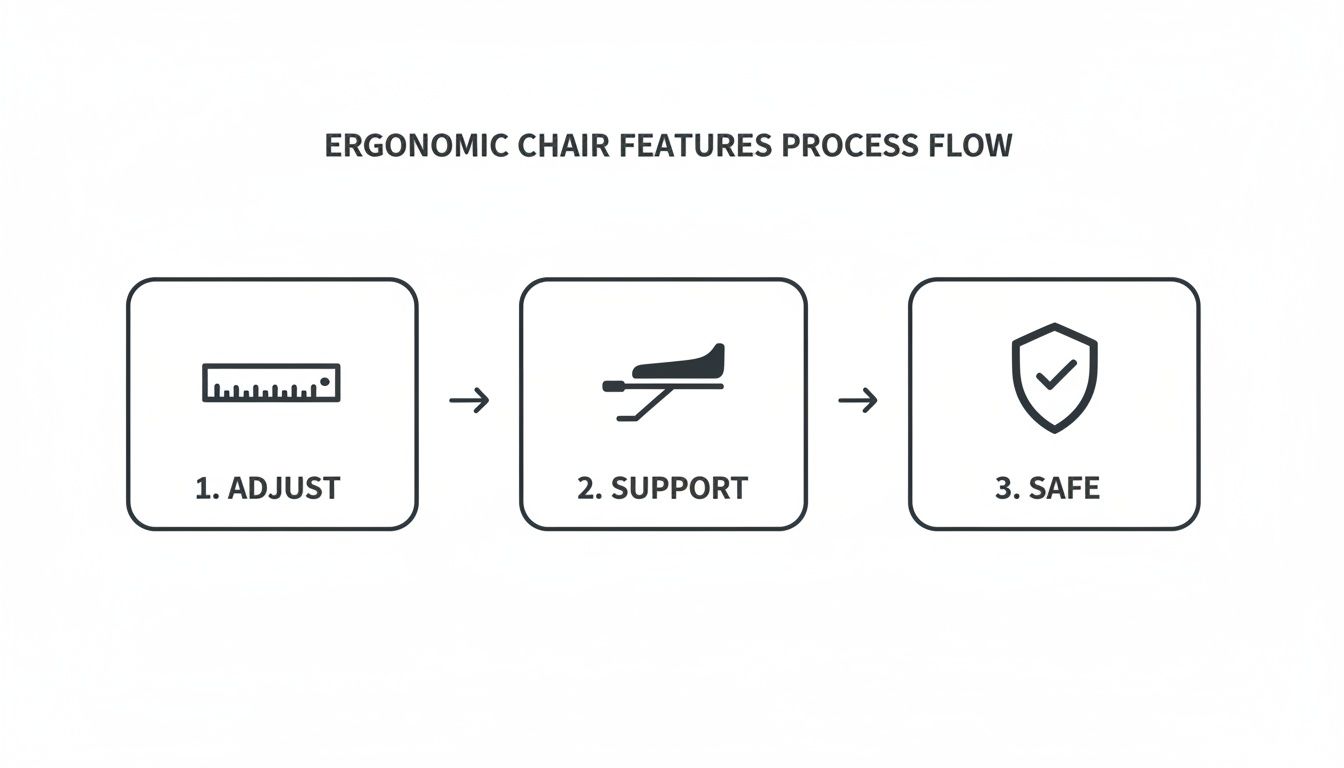
As the visual shows, it's the combination of an adjustable seat, a solid footrest, and smart safety features that creates a truly secure and ergonomic spot for a growing child.
Achieving the Perfect Ergonomic Fit
Now that the chair is built, it's time for the most important part: customizing it to your child. The goal is to achieve the ideal 90-90-90 posture, the gold standard for comfort and focus. This only takes a minute and should be done with your child sitting in the chair at the table they’ll use most.
Step 1: Sit Your Child at the Table
Have your little one take a seat and slide the chair right up to the table, letting their arms rest naturally on the surface.
Step 2: Adjust the Seat Height
Move the seat up or down until their elbows are level with the tabletop, creating a nice 90-degree angle. This stops them from shrugging their shoulders or slouching to reach things. As a rule of thumb, there should be about 7-8 inches between the seat and the underside of the table.
Step 3: Position the Footrest
Next, look at their legs. Adjust the footrest until their knees are also bent at a 90-degree angle, with their feet resting flat and fully supported. This is the magic adjustment for getting rid of fidgeting from dangling legs!
Step 4: Check the Seat Depth
Finally, make sure their back is resting against the backrest. You should be able to slide two or three fingers between the front edge of the seat and the back of their knees. This ensures their thighs are fully supported without cutting off circulation.
"When furniture fits well, children can fully participate in activities that broaden their knowledge, deepen their interests, and strengthen their skills."
This really gets to the heart of why a proper fit matters so much. A well-adjusted chair eliminates physical distractions, which frees up a child's mind to learn, create, and connect. Just remember to re-check these settings every few months—or after a noticeable growth spurt—to keep that perfect, supportive fit.
How an Adjustable Chair Supports Montessori Principles
The whole Montessori philosophy is built on a beautifully simple idea: creating a "prepared environment" where kids can explore, learn, and grow on their own terms. It’s all about respecting the child as a capable, independent person. An adjustable children's chair is a perfect real-world example of this principle in action, turning everyday spaces into launchpads for self-led development.
At its core, a Montessori-friendly space empowers a child to do things for themselves. When a chair is perfectly sized for them, they can climb in and out without needing a lift from an adult. That simple act is a massive confidence booster, reinforcing the powerful message, "I can do it myself."
Fostering Autonomy and Practical Life Skills
Independence isn't just about physical ability; it's about building an inner sense of competence. The adjustable chair becomes a tool for participating in what Montessori called "practical life" activities—the everyday tasks that help children learn to care for themselves and their surroundings.
Instead of being a passive observer, a child in a properly fitted chair can actively take part in family life. Think about it:
- Mealtime Participation: Sitting at the right height at the dining table lets them serve themselves, clear their own plate, and join in conversations as an equal family member.
- Creative Exploration: An adjustable chair paired with a small table creates the perfect art or craft station. It gives them a dedicated space where they can focus without being physically uncomfortable.
- Kitchen Collaboration: When they can safely stand at counter height, they can help wash vegetables, stir batter, or set the table, turning meal prep into a valuable learning experience.
This hands-on involvement is crucial. For younger kids, an Evo Adjustable Learning Tower can offer similar height benefits, empowering them to get involved in household tasks and nurturing that same independent spirit that Montessori principles champion.
The essence of independence is to be able to do something for one’s self. A child who can access their own environment freely develops confidence and a strong sense of self-worth.
This ability to participate builds a sense of belonging and responsibility. It shifts the child from being someone who is cared for to being a contributing member of the family unit—a cornerstone of Montessori social development. If you want to dive deeper into creating these child-led spaces, our guide on selecting a Montessori table and chair has more practical tips.
The Rise of Independence-Focused Furniture
Parents are increasingly catching on to the value of furniture that supports autonomy. In North America and Europe, 52% of parents now choose adjustable high chairs for that seamless transition from infant to booster seats. This extends the chair's usability by 18-24 months and saves around 30% in the long run.
The trend is also pushed by the rise of working women—now 47% of the global workforce—which has increased demand for multifunctional chairs that help kids be more independent at home.
Ultimately, an adjustable children's chair is so much more than just a place to sit. It’s a thoughtfully designed tool that respects a child's developmental needs. By providing a stable, appropriately sized foundation, it removes physical barriers and invites them to engage with their world fully, confidently, and independently. It’s the perfect embodiment of the Montessori ideal of "freedom within limits," giving children the structure they need to truly thrive.
Maintaining Your Chair for Years of Use
An adjustable chair is a real investment in your kid's comfort and development. With just a little bit of care, it can look and feel brand new for years. This isn't just about looks—proper maintenance keeps it safe and sturdy for your peace of mind.
Think of it like the family car. You give it a quick wipe-down after a messy trip and do a periodic check-up to keep it running smoothly. The same simple approach will keep your child's favorite seat safe and in great shape.
Simple Cleaning for Everyday Messes
Life with kids gets messy, but cleaning their chair shouldn't be a big production. The right method depends on the material, so you can clean it up without causing any damage.
- For Wooden Chairs: A soft cloth with a bit of mild soap and water is all you need. Wipe up spills right away, then dry the surface completely so water doesn't sneak into the wood grain. Steer clear of harsh chemicals or scratchy sponges.
- For Plastic Components: Plastic parts are super resilient. A quick wipe with a damp cloth or a gentle all-purpose cleaner usually takes care of sticky fingerprints and crayon marks.
- For Cushions and Straps: If your chair has fabric parts you can remove, check the tag for washing instructions. Most can be tossed in the washing machine on a gentle cycle, which is a lifesaver for those tougher stains.
A clean chair is more than just nice to look at; it's a hygienic spot for your child to eat, play, and learn. Regular cleaning keeps germs away and helps the materials last.
Routine Safety Inspections
Beyond cleaning, a quick safety check every now and then is key. As your child grows and uses the chair every single day, you'll want to make sure it's still completely secure. These checks take less than a minute.
Just set a reminder to do these quick inspections every month or two:
- Check All Hardware: Go around and make sure every screw and bolt is snug. All that wiggling and moving can sometimes loosen things up over time. A quick tighten is all it takes to make it stable again.
- Inspect Straps and Buckles: Take a look at the safety harness for any signs of fraying or wear. Test the buckles to make sure they click in securely and release without a struggle.
- Look for Wear and Tear: Give the whole chair a once-over. You're looking for any splintered wood or cracked plastic. Catching these little things early stops them from becoming bigger problems.
By making these simple steps part of your routine, you can be confident that the chair is always a safe spot for your child. For more tips on keeping kids' furniture in top shape, our guide on toddler towers material and cleaning has some extra helpful advice.
Still Have Questions About Adjustable Chairs? Let's Clear Them Up
Even after seeing all the benefits, it’s totally normal to have a few lingering questions before you pick out the perfect adjustable chair. Getting a handle on things like age ranges, materials, and how you'll use it long-term is the key to feeling great about your choice.
Let's walk through some of the most common things parents ask. Answering these practical questions helps take the guesswork out of the process, making sure you find a chair that fits right into your family’s life and supports your little one for years.
When Can My Child Start Using an Adjustable Chair?
Most little ones are ready for an adjustable chair as soon as they can sit up on their own with confidence. This usually happens somewhere around six to nine months of age. For this early stage, you’ll definitely want a model that comes with a secure harness and a baby set or guardrail to keep them snug and safe.
The magic is that the chair can be adjusted to give full support to even the tiniest of bodies. As they grow into toddlers and preschoolers, you can start removing the safety accessories, and just like that, it goes from a high chair to a real chair that pulls right up to the dinner table.
How Do I Know When to Readjust the Chair?
The best clue is simply watching your child. A sudden growth spurt can make today’s perfect setting feel a bit off tomorrow.
A quick visual check every few months is your best bet. If you notice their knees are popping up higher than their hips, their feet are dangling instead of resting flat on the footrest, or their elbows are way below the table, it’s time to tweak the settings.
Keeping the chair properly fitted means they always have the ergonomic support they need for good posture. This simple check-in helps maintain that sweet spot—the 90-90-90 posture rule—which is the foundation for a comfy and focused kid.
Are Wooden Chairs a Better Investment Than Plastic Ones?
Both materials have their pros, but a good wooden chair is almost always a better long-term investment. High-quality wood, like solid birch or beechwood, is incredibly durable and can easily last for generations, not just a few years. That makes an adjustable wooden chair a sustainable choice that grows with one child and can be passed down to the next.
Plastic chairs might be lighter or easier on the wallet upfront, but they often don't have the same staying power or timeless look. A well-made wooden chair offers fantastic stability and a classic style that blends into most homes, so it’ll still look great long after the toddler messes are a distant memory.
Can an Adjustable Chair Work with a Standard Dining Table?
Yes, absolutely! In fact, that's one of their main purposes. These chairs are specifically designed to bring your child up to the perfect height for a standard dining table, which is usually between 28 and 30 inches tall.
By moving the seat and footrest, you can create the ideal ergonomic setup so your child can sit at the table right alongside everyone else. It’s a wonderful way to make them feel included and helps them pick up on table manners and social skills from a very young age.
Ready to find the perfect chair that grows right along with your child? The Ocodile adjustable chair is designed with safety, longevity, and Montessori principles in mind, offering a beautiful and practical solution for your family. Discover the Ocodile difference today!