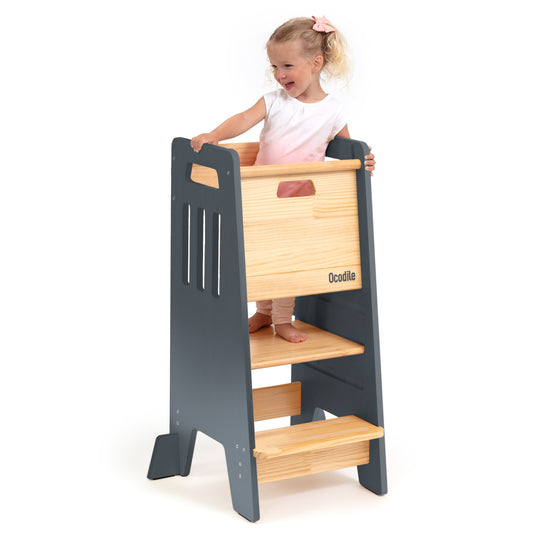


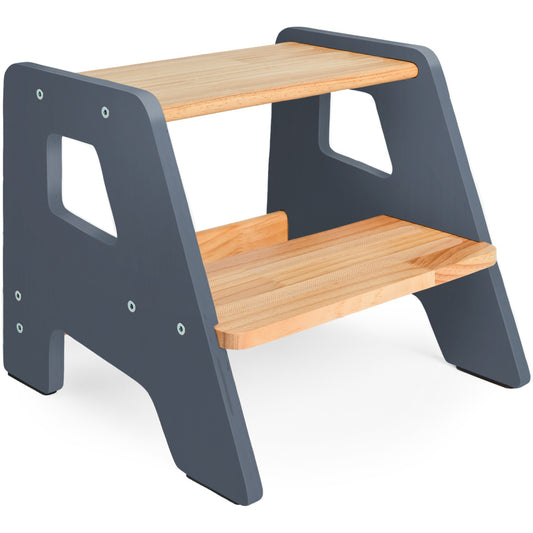


Choosing the Best Kids Desk and Chair
A proper kids desk and chair set is so much more than just miniature furniture. Think of it as a foundational tool for your child's learning, health, and development, directly shaping their posture, focus, and even their sense of independence during these crucial formative years. Getting this right transforms homework and creative time from a chore into a positive, supportive experience.
Why a Good Kids Desk and Chair Is a Must-Have
A chef needs a well-organized kitchen; an artist needs a sturdy easel. For a child, their desk and chair serve the exact same purpose—it's their personal headquarters for discovery and learning. This is the space where homework gets done, masterpieces are drawn, and entire worlds are built with blocks. Providing a dedicated, properly-sized workspace sends a clear message to your child: their work and play are important.
This is more critical today than ever before. Kids spend a surprising amount of time sitting, and it's not just for screens. Research has shown that many children in the United States spend roughly 4.5 hours daily watching television and another 4.5 hours sitting for school, whether that’s in a classroom or online. That adds up to nearly nine hours a day in a seated position, putting significant strain on their growing bodies. You can read the full research about these findings.
Building the Foundation for Good Habits
It's a common mistake to think a child can just use the dining table or a generic plastic table. But these makeshift setups often lead to poor posture habits that can stick around for a lifetime. When a child's feet are left dangling or they have to hunch over a surface that's too high, their body tries to compensate in unhealthy ways.
This can quickly lead to:
- Slouching and spinal strain from leaning too far forward to reach the desk.
- Reduced concentration as they constantly fidget to find a comfortable position.
- Physical discomfort in their neck, shoulders, and back.
A dedicated kids desk and chair isn't a luxury—it's a proactive tool for wellness. It's about creating an environment that encourages healthy posture and sustained focus right from the start, setting them up for a lifetime of good habits.
From Health Risk to Learning Hub
By choosing an ergonomic kids desk and chair, you turn all those seated hours from a potential health risk into a productive opportunity. The right furniture supports their body correctly, which frees up their mental energy to focus on the task at hand. It creates a "launchpad" for both school success and creative exploration.
This simple change in their environment can make a huge difference in how they approach learning. Instead of a wobbly, uncomfortable space, they have a stable, supportive zone that’s just for them. This empowers them to take ownership of their activities and builds their confidence one project at a time.
Understanding Ergonomics for Growing Kids
Ergonomics sounds like a big, technical word, but the idea behind it is something we all understand. Think of it like a perfectly fitted pair of shoes—it supports the body, stops aches and pains before they start, and makes movement feel natural. For a growing child, having this kind of support at their desk is key to building healthy habits that will stick with them for life.
When a kids desk and chair set is truly ergonomic, it’s built to work with your child's body, not against it. What does that mean in real terms? Less wiggling, better focus, and a much smoother homework session for everyone involved. The whole point is to create a posture that’s comfortable enough to hold without even thinking about it.
This chart really puts into perspective how much of their day kids spend sitting down, between school, homework, and screen time. It makes you realize how important proper support really is.
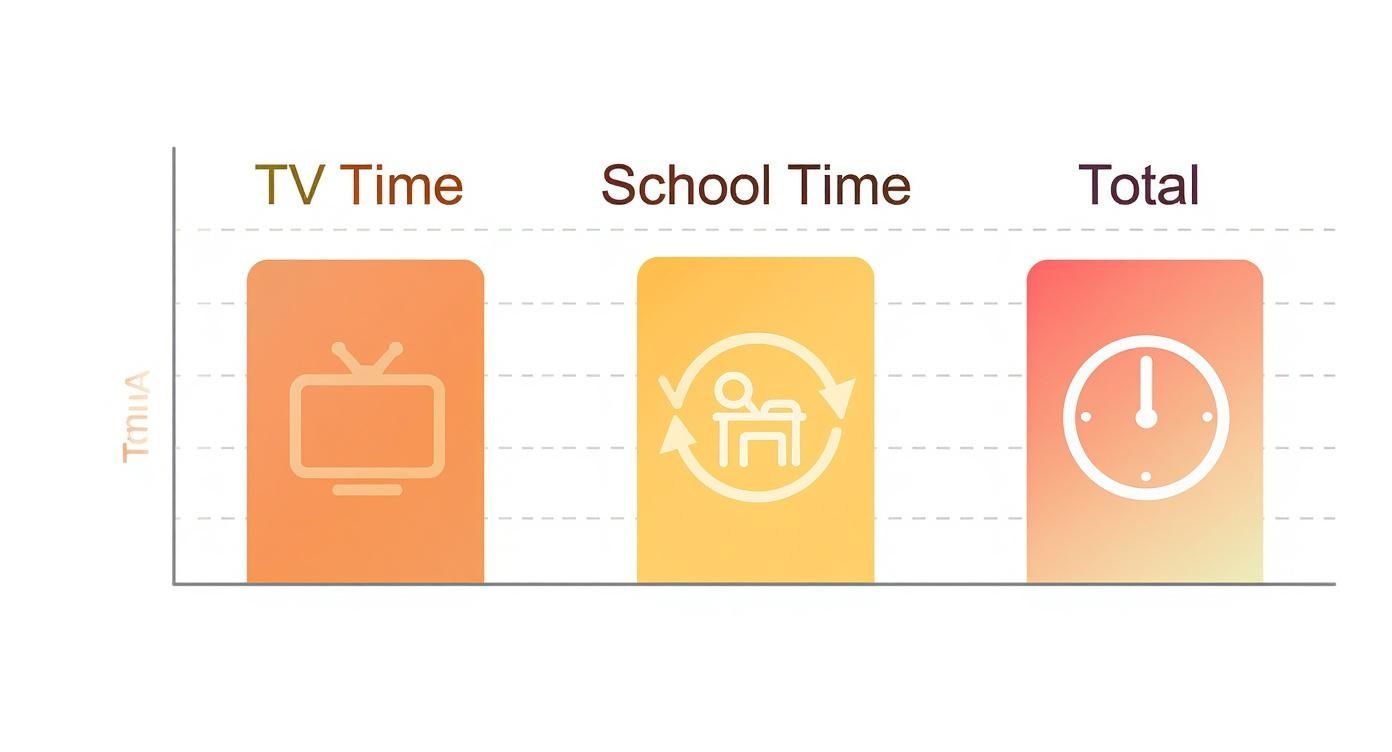
With so much of their day spent seated, the quality of their desk and chair isn't just about comfort—it's a critical piece of their overall health and well-being.
The 90-90-90 Rule for Perfect Posture
When it comes to healthy sitting, the gold standard is what experts call the 90-90-90 rule. It’s a super simple visual checklist to make sure your child’s body is properly aligned and supported. Getting this right is the foundation of choosing a great kids desk and chair.
Picture your child sitting at their desk. For the perfect ergonomic setup, you want to see three right angles:
- Ankles at a 90-degree angle: Their feet should be resting flat on the floor, not dangling in the air or tucked under the chair. This creates a solid, stable base.
- Knees at a 90-degree angle: The bend behind their knees should form a clean right angle, with just a little space (about two fingers' width) between their calves and the edge of the seat.
- Hips at a 90-degree angle: Their back should be straight against the chair, with their thighs running parallel to the floor.
This simple alignment takes the strain off their joints and spine, which lets them focus on their drawing or homework without being distracted by discomfort.
Finding the Right Fit: A Sizing Guide
So how do you match this 90-90-90 ideal to your child? While every child grows at their own pace, this table offers a solid starting point for finding the right dimensions. Think of it as a helpful guide, not a strict rule.
Kids Desk and Chair Sizing Guide by Age
| Child's Age | Child's Height (in/cm) | Ideal Chair Seat Height (in/cm) | Ideal Desk Height (in/cm) |
|---|---|---|---|
| 3-4 years | 35-40 in / 90-102 cm | 10-12 in / 26-31 cm | 18-20 in / 46-51 cm |
| 5-7 years | 40-50 in / 102-127 cm | 12-15 in / 31-38 cm | 20-23 in / 51-58 cm |
| 8-10 years | 50-55 in / 127-140 cm | 14-17 in / 36-43 cm | 23-26 in / 58-66 cm |
| 11-12+ years | 55-60+ in / 140-152+ cm | 16-20 in / 41-51 cm | 25-29 in / 64-74 cm |
Remember to measure your child! These numbers are great for narrowing down your options, but your child’s unique size is what matters most.
Key Features of an Ergonomic Kids Desk and Chair
Hitting that 90-90-90 posture is a lot easier when the furniture is designed to help you out. A few key features are non-negotiable if you want a desk and chair that will adapt as your child shoots up. A great way to stay on top of this is by tracking your child's growth so you can make adjustments as needed.
Here’s what to look for:
- Adjustable Chair Height: This is the big one. Being able to move the seat up or down is what guarantees your child’s feet can always touch the floor as they get taller.
- Adjustable Desk Height: Once the chair is set, the desk needs to move too. The goal is to let your child’s elbows rest on the surface at a 90-degree angle without them having to hunch over or shrug their shoulders up.
- Proper Seat Depth: The seat needs to be deep enough to support their thighs, but not so deep that it cuts into the back of their knees. That can cut off circulation and get uncomfortable fast.
- Good Lumbar Support: A chair back that curves slightly to follow the natural “S” shape of the spine is a huge plus. It gives their lower back crucial support and encourages them to sit up straight instead of slouching.
The good news is that kids' furniture design has gotten much smarter about this. But shockingly, some studies show that standard, non-adjustable furniture often misses the mark completely—one found that seat height compliance was as low as 7.53% for some students. This is exactly why adjustable features aren’t just a nice-to-have; they’re a necessity.
If you're curious about how modern designs solve these problems, you might want to check out our complete guide on children's homework desks for a deeper dive.
Selecting Safe and Durable Materials
When you're picking out a kids desk and chair, it’s easy to get caught up in the size and cool features. But the actual materials are just as crucial. Think of the material as the furniture's DNA—it determines its strength, safety, and how well it will survive years of artistic messes and energetic playtime. Getting this right means you’re investing in something that lasts and, more importantly, keeps your child’s space healthy.
The choice of material affects everything, from how wobbly the chair legs are to the quality of the air in your home. Some are built to become family heirlooms, while others are all about bright colors and a lower price tag. Knowing the difference is the key to choosing with confidence.
Comparing Common Furniture Materials
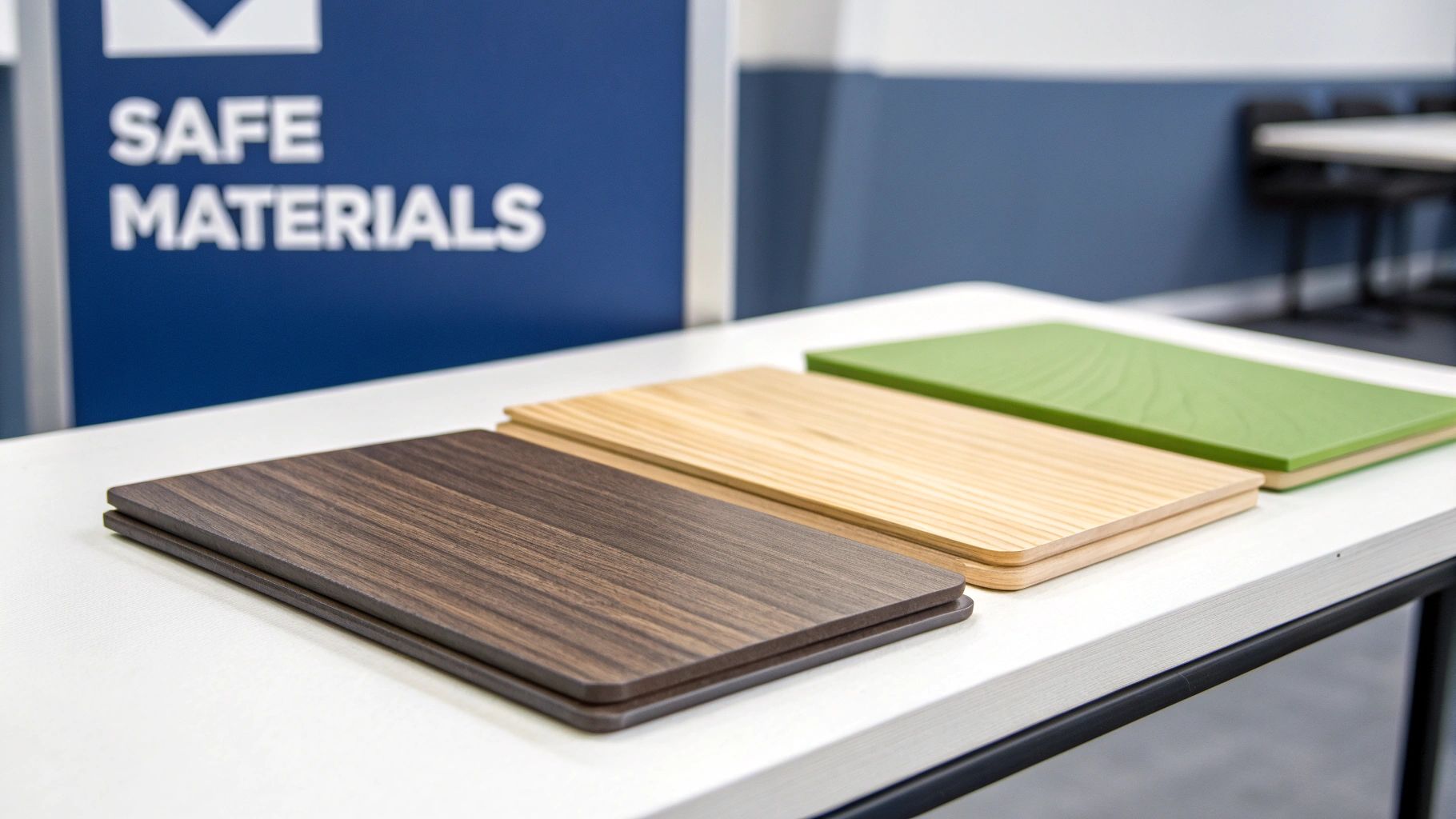
Let's walk through the three most common materials you'll find when you start shopping. Each one has its own set of pros and cons.
-
Solid Wood: This is the classic for a reason. Woods like pine, birch, and maple are incredibly tough and can handle just about anything a kid throws at them (sometimes literally). They have a warm, natural feel and are sturdy enough to be passed down, but they do tend to cost a bit more.
-
Engineered Wood (MDF/Plywood): Options like Medium-Density Fiberboard (MDF) and plywood are super popular because they’re affordable and have a smooth finish that’s perfect for painting. They’re made by bonding wood fibers or thin layers of wood together with resin. This makes them a great budget-friendly alternative to solid wood, but you have to pay close attention to the quality of the resins and finishes used.
-
Plastic: It's lightweight, a breeze to wipe down, and comes in every color imaginable. Plastic is a super practical choice, especially for the younger crowd, and it’s usually the most affordable option. Just make sure you’re getting high-quality, BPA-free plastic that’s built to last and won’t crack under pressure.
The Importance of Non-Toxic Finishes
The wood or plastic is only half the story. The paints, stains, and sealants used to finish the furniture are just as important for your child’s health. Many standard furniture finishes release something called Volatile Organic Compounds (VOCs)—nasty chemicals that can evaporate into the air and mess with your indoor air quality.
For a kid’s room, always look for furniture with low-VOC or zero-VOC finishes. These are typically water-based and skip the harsh solvents found in old-school oil-based paints. A good finish means the air your child breathes while they draw, read, and learn is clean and safe.
Choosing furniture with non-toxic, low-VOC finishes is one of the easiest ways to create a healthier home. It protects your child from invisible chemicals, turning their little study nook into a true safe haven.
Look for certifications to make things easier. The GREENGUARD Gold Certification, for instance, is a big deal. It’s a tough, independent standard that tests products for over 10,000 chemicals and VOCs. If furniture has this label, it’s been proven to meet some of the strictest emission standards in the world.
For a deeper look into creating a safe play area, you might be interested in our guide to choosing a child table and chair set.
Safety Features Beyond the Materials
Beyond the chemicals, the physical design is a huge safety factor. Sharp corners are a big no-no for kids who are constantly on the move.
Keep an eye out for these non-negotiable design details:
- Rounded Corners and Edges: Every corner on the desk and chair should be smooth and rounded off. This simple feature can prevent a lot of bumps and bruises.
- Stable Construction: Give it a little shake. The furniture should have a wide, sturdy base that won’t tip over easily, even when a child leans on it or uses it to pull themselves up.
- No Pinch Points: If the desk or chair is adjustable, check how the mechanism works. It should be designed so that little fingers can’t get trapped or pinched when you change the height.
The Value of an Adaptable Learning Space
Think about buying an adjustable kids desk and chair like buying a winter coat with a little room to grow. You wouldn’t get a new one every single year, right? The same logic applies here. This kind of furniture is a clever, long-term choice that will see your child through finger-painting sessions in kindergarten all the way to research papers in middle school.
Unlike a fixed-size desk that’s quickly outgrown, an adaptable learning space evolves right alongside your kid. A desk that can tilt makes reading big books way more comfortable and cuts down on neck strain. Little drawers or shelves teach them how to organize their stuff from day one. It’s a workspace that empowers them, not one they’ll be too big for in a year.
Fostering Independence and Ownership
An adaptable space is really designed around your child, which gives them a sense of control. When they can adjust their own chair height or tilt their own desktop, it builds independence and a real feeling of competence. It might seem small, but that little act of control is a huge confidence booster.
This idea fits perfectly with Montessori principles, which are all about creating a child-led environment. A workspace that fits their body and is easy for them to manage encourages them to learn and explore on their own terms.
When children have ownership over their learning space, they are more likely to engage with it, care for it, and use it to its full potential. An adjustable desk becomes their desk, a personal hub for creativity and focus.
That sense of ownership is everything. It changes the desk from just another piece of furniture into their personal tool for chasing interests, getting homework done, and feeling proud of what they create. If you're curious about creating these kinds of empowering spaces, we share more insights in our article on choosing a Montessori activity table.
A Smart Investment in a Growing Market
Picking adaptable furniture isn’t just a practical move; it’s part of a bigger shift in how parents think about kids' products. The demand for quality, safety, and smart, multi-use designs is really taking off.
The global kids' furniture market is seeing some pretty impressive expansion. Projections show it’s set to grow significantly by 2032, with a compound annual growth rate (CAGR) of 15.79%. What’s fueling this? Parents are more aware than ever of how a well-designed study spot impacts a child's development. Ergonomic and adjustable furniture is a huge piece of this growth, which just goes to show how much value families see in it. You can discover more insights about the kids furniture market and see where things are headed.
Features That Grow with Your Child
A truly great adjustable kids desk and chair is designed with the future in mind. It has specific features that will serve different needs as your child gets older.
-
Height Adjustability: This is non-negotiable. It ensures the desk and chair can always be set to the right ergonomic height, keeping that 90-90-90 posture rule intact through every single growth spurt.
-
Tilting Desktop: A flat desk is fine for writing, but a slight tilt is a game-changer for reading and drawing. This simple feature reduces eye and neck strain, making long study sessions much more comfortable.
-
Integrated Storage: Those small cubbies and drawers that are perfect for crayons today will be holding calculators, notebooks, and tablets tomorrow. Built-in organization helps kids learn to manage their supplies from a young age.
These features make sure the furniture stays useful and supportive for years. A high-quality adjustable set can easily take a child from first grade all the way through middle school, which makes it a really cost-effective and sustainable choice. You get to skip buying multiple sets of furniture, saving money and cutting down on waste. That long-term utility is what makes it a truly worthwhile investment in your child's education.
How to Create the Perfect Study Nook
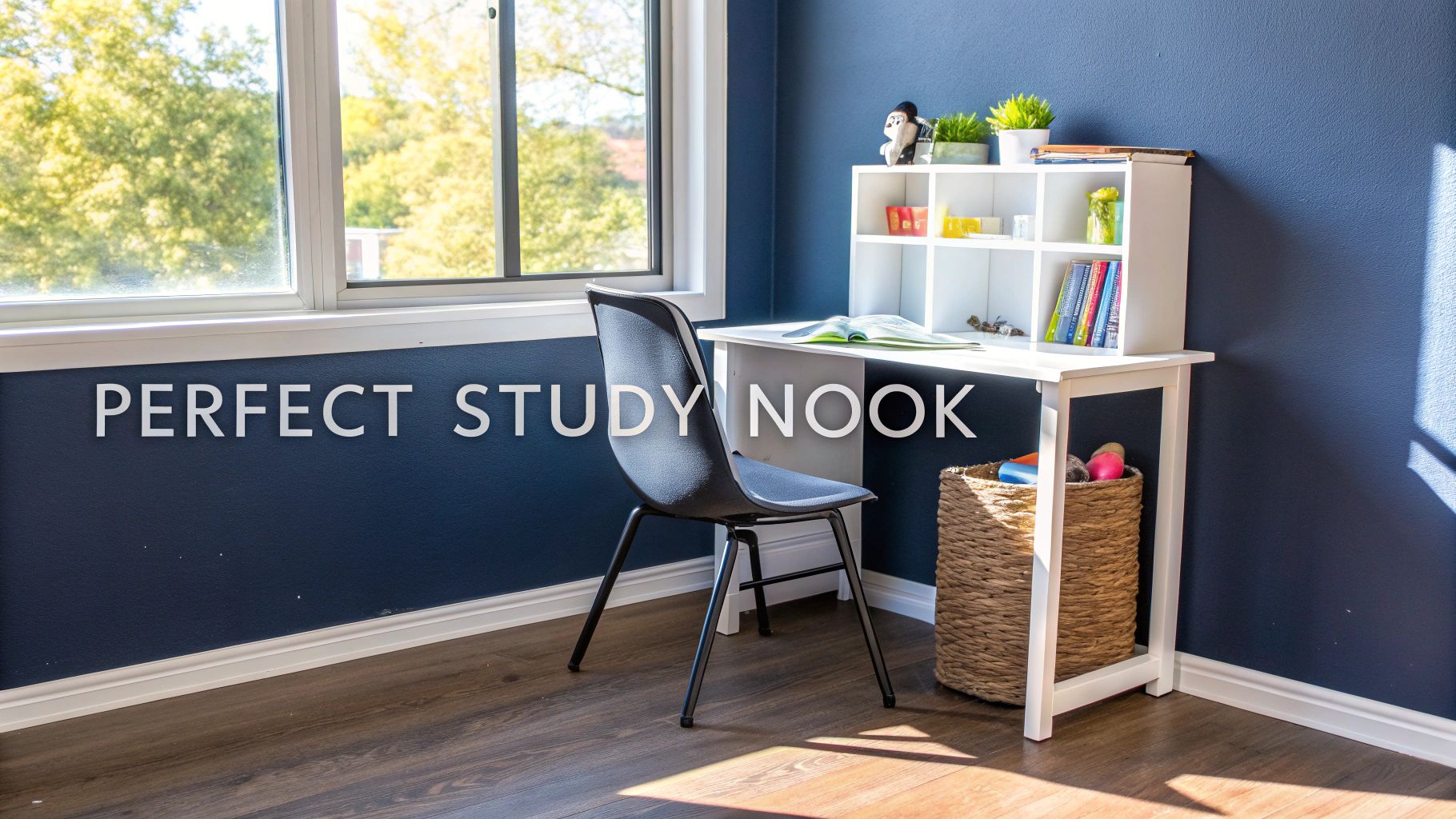
Getting the perfect ergonomic kids desk and chair is a huge win, but the real magic happens when you set it up just right. Think of it like a fantastic new toy—the pieces are great on their own, but they only come to life when you put them together correctly. Creating a dedicated study nook can turn a simple corner into a real powerhouse for learning and creativity.
This isn't about a major home makeover. It's about being smart and intentional with placement and organization. A well-thought-out nook cuts down on distractions, encourages healthy posture, and makes it a breeze for your child to find everything they need. The goal is to build a little world where focus feels totally natural.
Finding the Ideal Location
Where you put the desk is just as important as the desk itself. The right spot can make or break your child's ability to concentrate. You're looking for a place that's quiet enough for focus but still feels connected to the rest of the family.
Here are a few things to keep in mind when choosing a spot:
- Chase the Sun: If you can, set the desk up near a window. Natural light is a proven mood-booster and helps reduce eye strain. Just make sure the light comes from the side, not directly in front or behind, to keep glare off screens and out of their eyes.
- Minimize Distractions: Try to avoid high-traffic zones, like the main hallway or right in front of the TV. If the nook has to be in a shared space like the living room, a small bookshelf or even a decorative screen can create a visual cue that says, "this is a focus zone."
- Consider the View: Facing a blank wall can be a great way to limit visual clutter for some kids. For others, facing out into the room helps them feel more secure and connected. You know your child best, so see what feels right for them.
Great lighting is a game-changer for focus and comfort. For more ideas, check out these tips on the best lighting for a home office—many of the same rules apply to kids' spaces, too.
Adjusting for a Perfect Fit
Once you’ve picked the perfect spot, it’s time to dial in the furniture for a custom ergonomic fit. This is the step that really locks in all those good posture habits we talked about. It only takes a few minutes, but it makes all the difference.
Just follow this simple checklist to get it right:
- Start with the Chair: Get the chair height right first. Your child’s feet should be flat on the floor with their knees bent at a comfy 90-degree angle. This is the foundation for everything else.
- Adjust the Desk Height: Next, line up the desk. When their shoulders are relaxed, your child’s elbows should also be at a 90-degree angle while resting on the desktop. No hunching or shrugging needed.
- Check the Details: Make sure there's a little space—about two fingers' width—between the back of their knees and the edge of the chair. This keeps the blood flowing and prevents pressure.
Think of this as a quick posture check-up. Taking a moment to adjust the kids desk and chair correctly means they get the full ergonomic benefits, protecting their growing spine and making study time genuinely comfortable.
Organizing for Easy Access
A cluttered desk often leads to a cluttered mind. The final piece of the puzzle is keeping their essential supplies organized and within arm's reach. A tidy space not only reduces the frustration of a lost crayon but also teaches a little bit of responsibility.
Simple tools can create a system that’s easy for a kid to manage on their own. Things like pencil holders, small drawer organizers, or wall-mounted shelves help keep the desktop clear for the important stuff. Labeling bins or drawers is a great trick for younger kids, empowering them to clean up by themselves. By setting up their nook with care, you’re not just giving them a place to work—you’re setting them up for success.
Care and Maintenance for Long-Lasting Use
Think of a good kids desk and chair as an investment. It’s a tool that supports your child's focus and comfort, so it makes sense to take care of it. With just a few simple habits, you can keep the furniture looking great and working safely through years of art projects and homework.
Just like a bicycle needs its chain checked every now and then, your child's workspace needs a little attention to stay in top shape.
The easiest place to start is with a regular cleaning schedule. A quick wipe-down once a week with a soft, damp cloth is usually all it takes to handle dust and smudges. For stickier messes, a bit of mild soap and water is your best friend.
A Quick Cleaning Guide
Different materials need slightly different care, so it’s good to know what you’re working with.
- Solid and Engineered Wood: Grab a soft cloth and a mild soap solution. The key here is to always wipe it dry right away so moisture doesn’t have a chance to seep in. Stay away from harsh chemical cleaners—they can strip the protective finish right off.
- Laminate and Plastic Surfaces: These are pretty forgiving. A simple all-purpose cleaner or just soap and water works perfectly. They’re designed to be wiped clean, which is exactly what you want for messy creative time.
You can think of maintenance as a quick health checkup for your child's furniture. A few minutes of care every few months ensures their desk and chair remain a safe, stable, and supportive part of their learning space.
Routine Safety and Fit Checks
Beyond just cleaning, it’s a good idea to do a periodic inspection, especially if you have an adjustable set. Kids grow like weeds, and their furniture needs to keep up.
Set a reminder to do this every three to six months:
- Tighten All Hardware: Check all the bolts, screws, and fasteners. The constant movement of an active kid can loosen connections over time, so making sure everything is snug prevents wobbles.
- Re-evaluate the Height: Have your child take a seat. Are their feet still flat on the floor? Are their elbows bent at a comfy 90-degree angle? A sudden growth spurt might mean it’s time to raise the kids desk and chair to keep that perfect ergonomic fit.
Your Top Questions About Kids Desks and Chairs
Even after doing all the research, a few last-minute questions can pop up before you decide on the right kids desk and chair. We get it. You want to feel completely confident you're making the best choice for your little one.
Think of this as your final check-in. We've gathered some of the most common queries we hear from parents to help clear up any lingering doubts.
At What Age Does a Child Need a Desk?
You can bring a small activity table and chair into your child’s life as early as age three. It’s a wonderful way to give them their own little corner for drawing, crafts, and puzzles, building a sense of independence right from the start.
Once they hit ages five or six and school starts, a more structured, adjustable desk becomes a game-changer for homework. No matter the age, the golden rule is this: their feet should always rest flat on the floor. That’s the foundation for great posture.
It’s less about a specific birthday and more about readiness. When you see your child getting lost in focused activities, giving them an ergonomic space of their own is the best way to support that growing curiosity.
Is an Adjustable Desk and Chair Set Really Worth It?
Absolutely, and here's why. An adjustable set is one of the smartest buys you can make for your child's space. Kids grow like weeds, and a desk or chair with a fixed height can go from a perfect fit to an ergonomic nightmare in less than a year, encouraging slouching and discomfort.
An adjustable kids desk and chair grows right alongside them, seeing them through everything from kindergarten art projects to middle school book reports. This means they get constant ergonomic support, you save money by not having to buy replacements, and most importantly, you’re protecting their developing spine. It’s a one-time purchase for years of benefit.
What's More Important: The Desk or The Chair?
This is a great question. While both pieces work together, the chair is the real hero of good posture. Think of it as the foundation. A quality, ergonomic chair is what provides proper spinal alignment and support. Without that, even the most perfect desk won't stop your child from hunching over.
Your first priority should always be a chair that fits them now. Their feet should be flat on the floor, with their knees bent at a 90-degree angle. Once you’ve got the chair right, you can adjust the desk height so their elbows also rest comfortably at about 90 degrees. The chair sets the stage; the desk completes the scene.
How Do I Know If My Child Is Using the Wrong Setup?
Thankfully, your child’s body will give you some pretty clear clues. Keep an eye out for these tell-tale signs that their current workspace isn't cutting it:
- Dangling Feet: This is a big one. If their feet don't touch the floor, the chair is too high and putting pressure on the backs of their legs.
- Hunched Shoulders: Are they shrugging up to reach the table? The desk is too high.
- Leaning Way Over: If they're stooped over their work like a little gargoyle, the desk is too low.
Constant fidgeting or complaints about a sore neck or back are also huge red flags. The goal is always that 90-90-90 rule. If their current setup can’t get them there, it’s time for a change.
At Ocodile, we design furniture that’s meant to grow up with your child. We blend smart ergonomics with safe, long-lasting materials to build the perfect foundation for learning and creativity. Our adjustable sets are made to provide years of support, adapting to every growth spurt and every new passion.
See how our thoughtful designs can create an inspiring and comfortable space for your child by exploring our collection at https://ocodile.com.