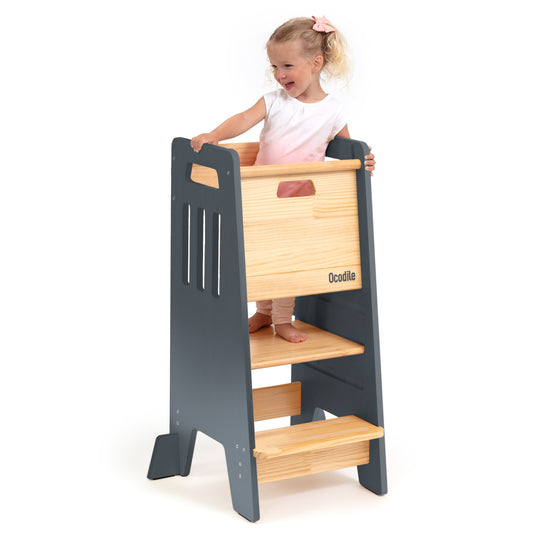


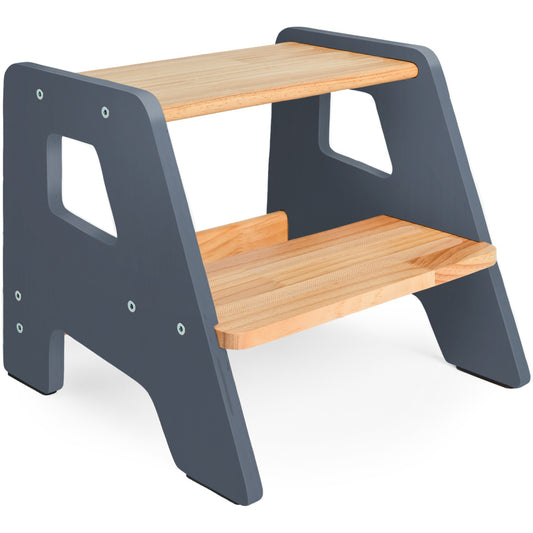


A Parent's Guide to Kids Desks and Chairs
Picking out the right kids desks and chairs isn't just another item on the to-do list; it’s about crafting a special little corner of the world that nurtures their curiosity and supports their growing bodies. With so much learning now happening at home, a dedicated workspace has gone from a nice-to-have to an absolute must-have for focus and development.
Creating a Study Space Your Child Will Actually Use
This guide is your roadmap. We’ll walk through everything that really matters, from getting the ergonomics right for little spines to picking safe, sturdy materials that can handle the reality of daily life with kids. The goal? To turn a simple spot into your child's personal hub for homework, art, and everything in between.
This is about more than just looks—it's about function. A well-thought-out space can make a world of difference in a child's ability to concentrate and really get into their tasks. It seems other parents agree.
The global kids' furniture market is on track to hit USD 55.1 billion by 2035, and a huge part of that is the growing demand for furniture that’s ergonomic and grows with our kids. It shows a real shift in how families are thinking about these purchases: we want supportive, safe, and long-lasting pieces.
Key Elements of a Great Study Nook
Putting together the perfect nook involves a bit more than just dropping a desk in a corner. A few thoughtful touches can make it a space that’s both functional and genuinely inviting.
- Let There Be Light: Good lighting is non-negotiable for preventing eye strain. If you can, set up the desk near a window to catch natural light. For evenings or gloomy days, a quality desk lamp is a must.
- Keep Distractions at Bay: Try to find a quieter spot in your home, away from the TV and the main household hustle and bustle. A little peace and quiet goes a long way in helping them focus.
- A Place for Everything: Simple storage is your best friend. Shelves, drawers, or even just a few pencil holders can keep clutter from taking over. When kids know where their things go, it helps them feel more independent and in control. To dive deeper into furniture choices, check out our guide on children's homework desks.
If you’re looking for a little visual spark, exploring some transformative study room ideas can offer fantastic inspiration. By keeping these core elements in mind, you're well on your way to creating a spot your child will genuinely love to use.
Understanding Ergonomics for Growing Bodies
The word "ergonomics" might sound a bit technical, like something reserved for high-end office chairs. But the idea behind it is incredibly simple and important for our kids. Think of an ergonomic desk and chair set like a perfectly fitted pair of sneakers for a young athlete—it provides the right support, prevents strain, and allows them to move comfortably and naturally.
Essentially, their furniture should work with their growing body, not against it.
When a desk or chair doesn't fit right, a child has to compensate in unhealthy ways. They might hunch over to write, dangle their legs because the chair is too tall, or crane their neck to see a book. These small, everyday adjustments can add up, leading to poor posture, back pain, and a real struggle to focus.
This visual guide breaks down how a proper study space is so much more than just a place to do homework. It's the foundation for healthy growth, focus, and creativity.
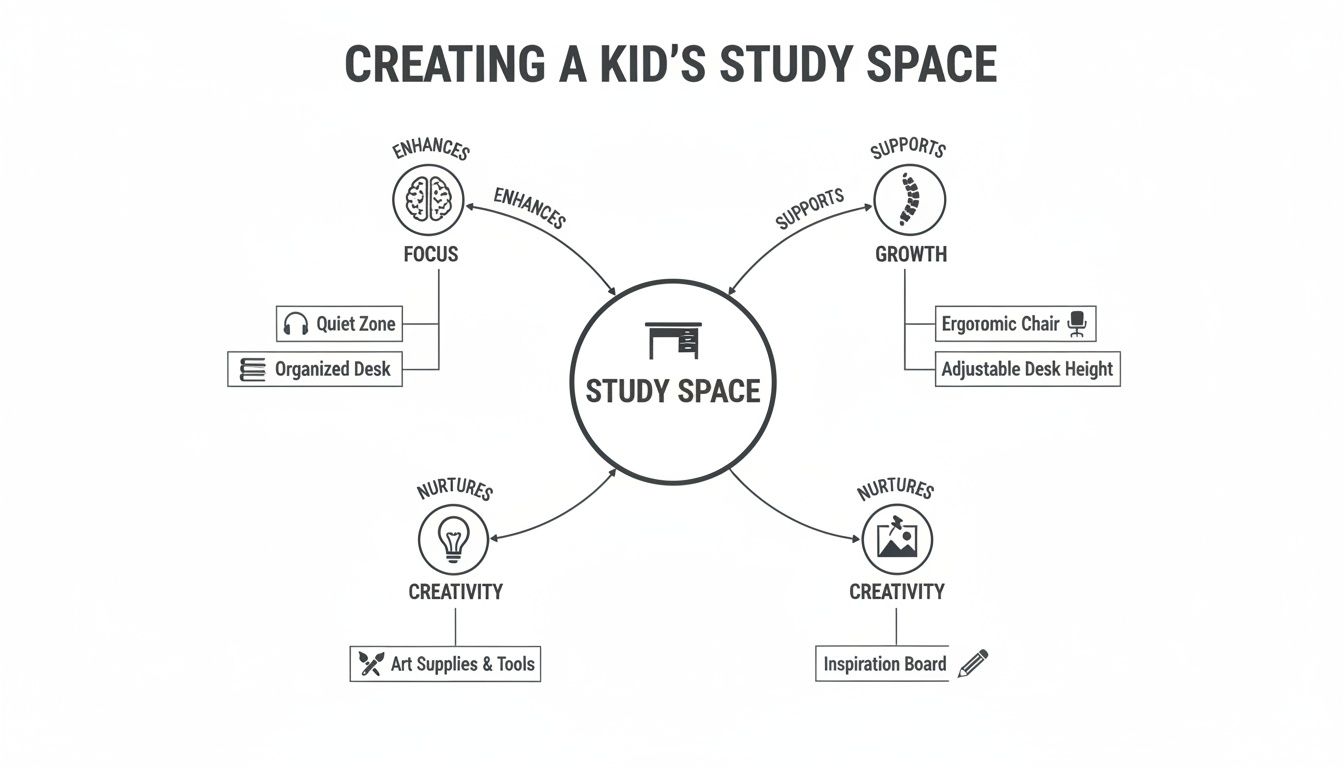
As you can see, the right furniture isn’t a luxury; it’s a tool that directly supports everything from spinal health to the ability to concentrate.
The Foundation of Good Posture
The cornerstone of good setup for kids is something we call the 90-90-90 rule. It’s a simple visual checklist to make sure your child is sitting in a healthy, supported way. This is the gold standard for any child's workspace.
Picture your child at their desk. Here’s what you want to see:
- Ankles at a 90-degree angle, with their feet resting flat on the floor (or a footrest if they're still small).
- Knees bent at a 90-degree angle, keeping their legs properly supported.
- Hips also bent at a 90-degree angle, with their back resting comfortably against the chair.
This alignment takes the strain off their spine, shoulders, and neck. When their body is properly supported, their mind is free to focus on learning and creating instead of fidgeting with discomfort. It’s a simple rule that works wonders from the toddler years all the way through high school.
The goal is to create a 'neutral' posture where the body is relaxed and aligned. This reduces musculoskeletal stress and helps children build healthy postural habits that can last a lifetime.
To make things a bit easier, here’s a quick reference guide to help you find the right measurements for your child’s age.
Quick Ergonomics Guide by Age Group
| Age Group | Recommended Chair Seat Height | Recommended Desk Surface Height |
|---|---|---|
| 3-4 Years | 10-12 inches (25-30 cm) | 18-20 inches (46-51 cm) |
| 5-7 Years | 12-15 inches (30-38 cm) | 20-23 inches (51-58 cm) |
| 8-11 Years | 14-17 inches (36-43 cm) | 23-27 inches (58-69 cm) |
| 12+ Years | 16-20 inches (41-51 cm) | 27-30 inches (69-76 cm) |
Remember, these are just starting points! Every child grows differently, which is why adjustability is so important.
Why Adjustability Is a Smart Investment
Kids grow like weeds. A desk that’s a perfect fit today might be too small in six months. This is where adjustable furniture really shines, turning a simple purchase into a smart, long-term investment.
An adjustable desk and chair set can be modified to maintain that perfect 90-90-90 posture as your child shoots up in height. This adaptability means the furniture grows with them, providing consistent ergonomic support through every growth spurt. You can learn more about finding the right adjustable children's chair and see how it fits into a healthy setup.
Even when looking at the best ergonomic office chairs for adults, the core principles of support and alignment are exactly the same. We’re just scaling them down for smaller bodies.
Features That Enhance Comfort and Focus
Beyond just getting the height right, other ergonomic features can make a huge difference. One of the most helpful is a tilted desktop. A slight angle, usually between 10 to 15 degrees, can make tasks like reading, writing, and drawing much more comfortable.
Here’s why a tilted surface is so great:
- Reduces Neck Strain: It brings the book or paper closer to your child's eyes, so they don’t have to hunch forward to see clearly.
- Improves Wrist Posture: For drawing and writing, a tilt allows for a more natural, relaxed wrist position, reducing fatigue.
- Minimizes Eye Fatigue: By creating a better viewing angle, it can help reduce the strain on their eyes during longer homework sessions.
When you're shopping, try to look beyond the color and style. Checking for these smart, health-focused features is how you find furniture that doesn't just look good, but genuinely helps your child learn and grow.
Choosing Safe, Durable, and Non-Toxic Materials
Once you’ve found the right size and figured out the ergonomics, it’s time to look at what the furniture is actually made of. The materials used in kids' desks and chairs are just as critical as the design, affecting everything from how long it lasts to the very air your child breathes.
It’s about picking a piece that’s not just built to survive playtime but is genuinely safe for your little one to be around every single day. Think of it like picking out food—you want wholesome, quality ingredients you can trust. The same goes for the furniture that becomes part of your child’s world.
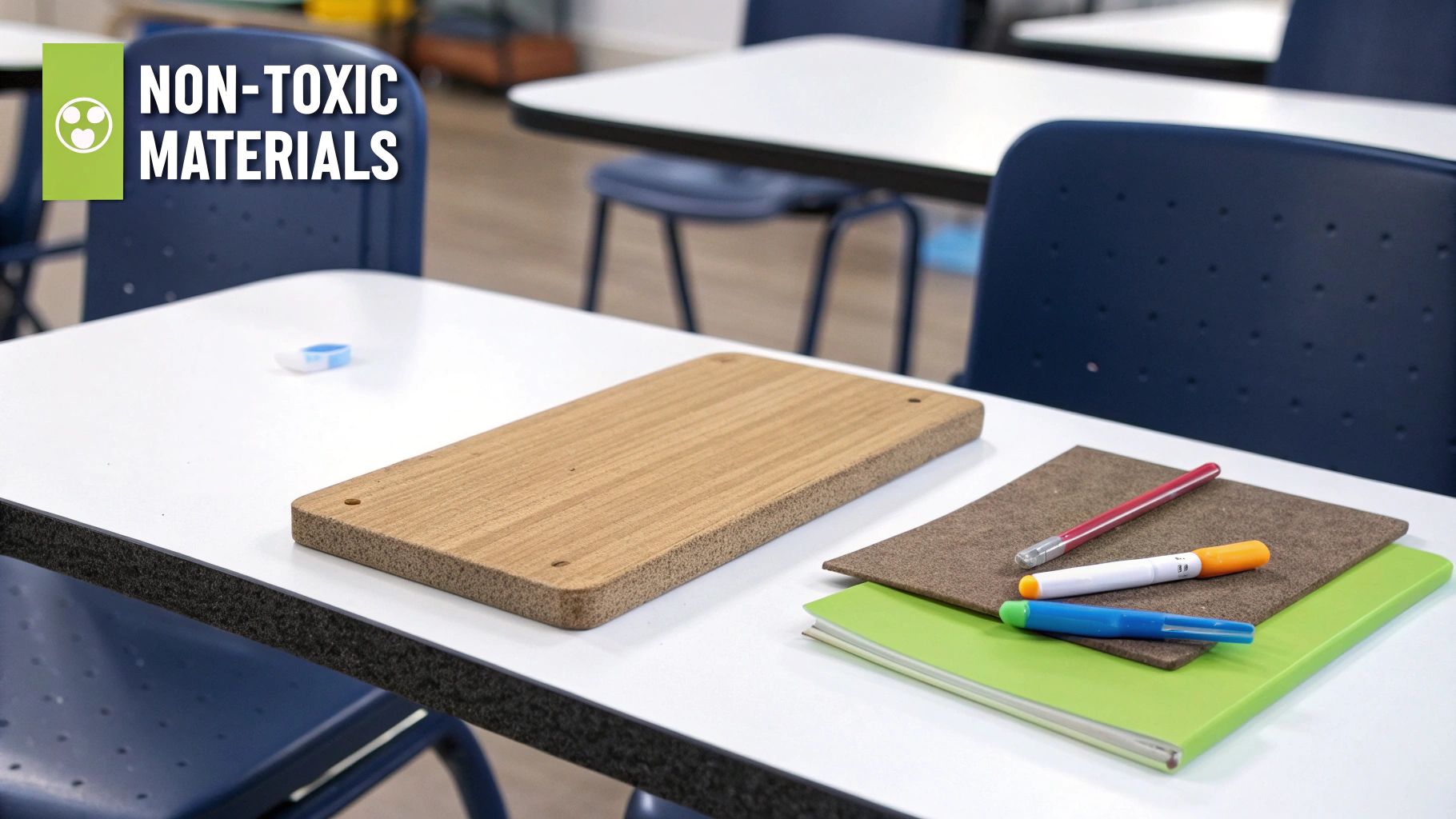
This means we need to look past the surface and understand the real pros and cons of common materials like solid wood, engineered wood, and plastics.
Decoding Common Furniture Materials
Every material brings a different mix of durability, style, and safety to the table. Getting familiar with them helps you make a choice that feels right for your family.
-
Solid Wood: This is the timeless, super-durable choice. Furniture made from woods like pine, maple, or birch can take a beating for years and often gets passed down. Its natural strength makes it a go-to for sturdy kids' furniture.
-
Engineered Wood (MDF/Plywood): Made from wood fibers or thin layers bonded with adhesives, these are often more budget-friendly. The key here is to check what kind of adhesive was used, as some can release Volatile Organic Compounds (VOCs) into your home.
-
Plastics: While lightweight and a breeze to clean, plastic quality can be all over the map. You’ll want to look for high-density, sturdy plastics that are certified BPA-free to avoid harmful chemicals.
Globally, wood makes up a whopping 44.9% of the kids' furniture market, mostly because parents value its durability. But safety is always a top concern, and more families are now looking for sustainable options like bamboo to cut down on plastic.
Prioritizing Non-Toxic Finishes and Certifications
The wood or plastic is only half the story—the paints, stains, and finishes matter just as much. Many standard finishes can "off-gas" VOCs, which can mess with your indoor air quality, especially for sensitive little bodies.
One of the best things you can do for a healthier room is to look for furniture with low-VOC or zero-VOC finishes.
To get past the marketing fluff, look for independent, third-party certifications. These labels mean the product has been seriously tested against strict health and safety standards.
A big one to look for is GREENGUARD Gold. This certification ensures a product has met some of the world's toughest standards for low chemical emissions. When you see this label, you can breathe easier knowing you’ve picked a safer option for your home. You can find more info in our complete guide to non-toxic kids' furniture.
Judging Build Quality for Real-World Safety
Beyond the materials, how the desk and chair are put together is essential for preventing bumps, tumbles, and pinched fingers. A well-built piece of furniture is designed with a child’s boundless energy in mind.
Here’s a quick checklist for what to look for when you're checking out the build quality:
- Rounded Corners and Edges: Sharp corners are just asking for trouble. Smooth, rounded edges are a simple but incredibly important safety feature.
- Stable, Wobble-Free Legs: Give the desk and chair a little push. They should feel solid, with no tipping or wobbling. A wide base usually helps with this.
- Pinch-Free Hinges and Mechanisms: For adjustable desks or chairs, check that the moving parts are designed to keep little fingers from getting caught.
- Durable Hardware: Take a peek at the screws and fasteners. If they look flimsy, they could loosen over time and make the whole piece unstable.
By thinking about both the materials and the construction, you can find a desk and chair that isn’t just functional and cute, but a truly safe and durable addition to your child’s space.
Designing a Montessori-Inspired Learning Space
The Montessori method is more than just a philosophy for school—it's about shaping a child's entire world to grow their independence and confidence. When you apply this thinking to their own room or play corner, the right furniture is a game-changer. It’s all about creating a world built to their scale, where everything they need is within easy reach, empowering them to take charge of their own activities.
This is the whole idea behind a Montessori-inspired setup for kids desks and chairs. You're creating an environment that respects the child as a capable, curious person.
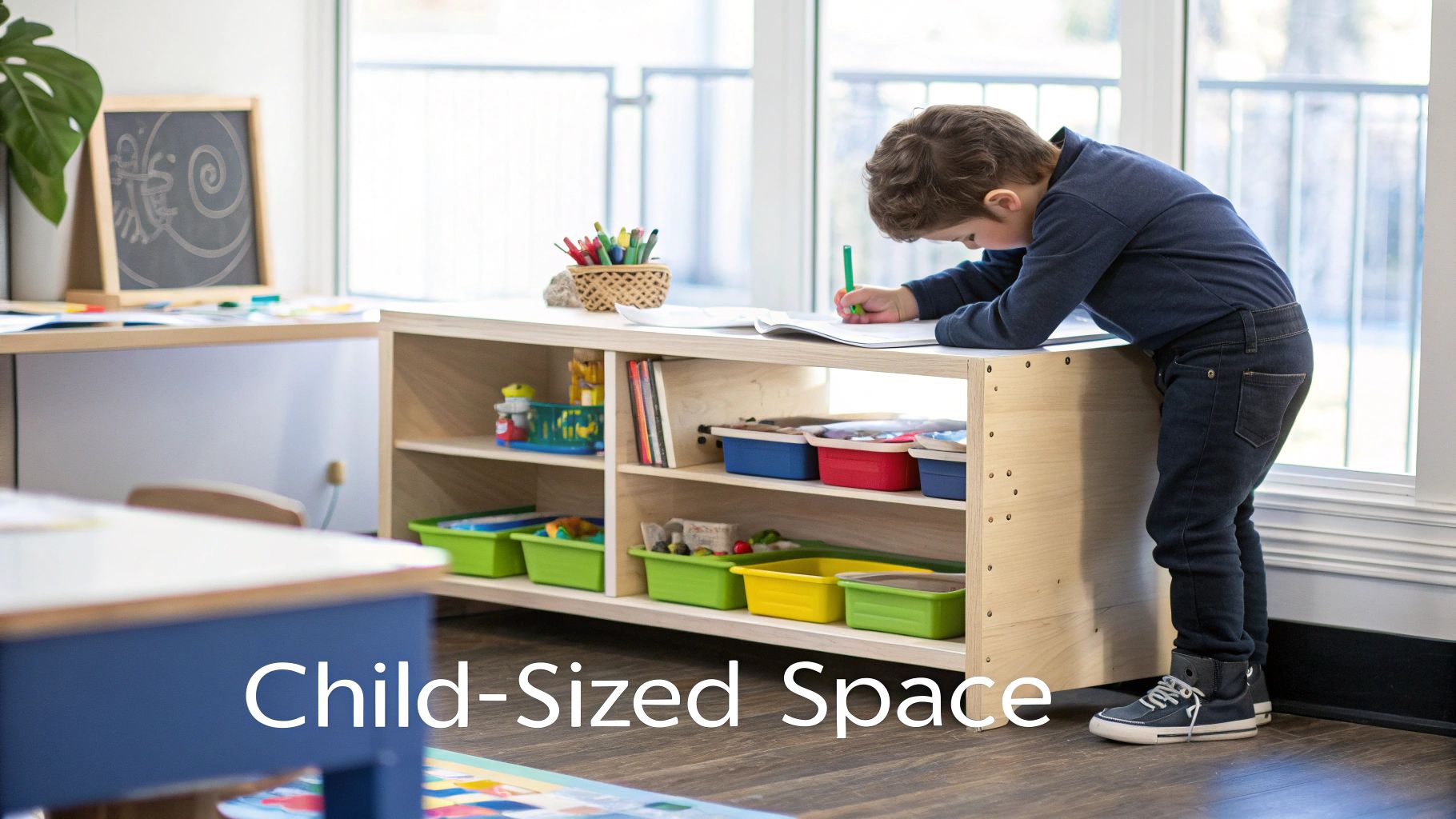
You don’t need a bunch of expensive, specialized gear to make this happen. The focus is on simple, functional, and beautiful pieces that are just the right size for your little one.
Core Principles of Montessori Furniture
At its heart, Montessori furniture is all about child-centric design. This means getting away from the big, bulky, adult-sized furniture we’re used to and choosing pieces that a child can use completely on their own. The goal is to remove physical barriers and nurture that natural drive for self-reliance.
A key concept here is the "prepared environment." This is a space you thoughtfully arrange to support your child’s innate desire to learn and explore. For a little study nook, this means furniture that is accessible, simple, and helps keep things orderly.
Think about how this evolves as they grow:
-
For Toddlers: It usually starts with a tiny weaning table and chair. These are super low to the ground, so a toddler can get in and out of their seat without any help from you. This becomes their spot for a snack, a simple puzzle, or their first scribbles with a chunky crayon.
-
For Preschoolers: As they get a bit older, this might evolve into a more functional work desk. The desk is still low enough for them to use comfortably, and the chair is light enough for them to pull out and tuck back in by themselves. This sense of ownership is a huge confidence booster.
The furniture stops being just a place to sit and becomes a tool for independence. It sends a powerful message: "This space is yours, and you are capable."
Creating an Accessible and Uncluttered Workspace
In a Montessori space, less really is more. A clean, uncluttered desk surface is key to helping a child focus on one thing at a time. Instead of overwhelming them with a mountain of art supplies, the environment is kept simple and tidy.
"The greatest sign of success for a teacher... is to be able to say, 'The children are now working as if I did not exist.'" - Maria Montessori
This same idea applies to how you organize their learning materials. Forget hiding things in deep drawers or heavy bins they can't open. Instead, put supplies on low, open shelving. This visual accessibility lets a child see their options, choose what they want to work on, and—just as important—put it back when they’re done.
Practical Elements of a Montessori Desk Area
Putting this kind of space together is actually pretty straightforward. If you focus on these practical elements, you’ll create a corner that truly supports self-directed play and creativity.
-
Child-Sized Furniture: This one is non-negotiable. The desk and chair have to fit your child right now, allowing their feet to rest flat on the floor and their elbows to sit comfortably on the desk.
-
Natural and Simple Materials: Wood is a popular choice for a reason—it’s durable, warm, and connects kids to the natural world. Look for simple designs without loud patterns or distracting features. The child's work should be the star of the show, not the furniture.
-
Open and Accessible Storage: Low shelves near the desk are perfect. Use small trays or open baskets to hold specific sets of materials, like one for crayons, another for blocks, and one for a puzzle. This system makes cleanup a clear, manageable task they can handle themselves.
By thoughtfully picking out simple, accessible kids desks and chairs, you’re doing more than just furnishing a room. You’re turning their little corner into a personal laboratory for exploration, where they are in control and free to build a lifelong love of learning.
Your Essential Pre-Purchase Checklist
Feeling ready to find that perfect desk and chair? Think of this as your final, scannable guide. We've distilled everything we've talked about into a simple checklist to take with you when you shop.
This is your tool to cut through the noise and focus on what really matters. From taking a few quick measurements to checking for safety seals, this list makes sure you don’t miss a single detail.
Sizing and Ergonomics
Before you fall in love with a design, grab a tape measure. A great fit is the absolute foundation for a healthy and comfy workspace.
- Measure Your Child First: The goal is simple: their feet should rest flat on the floor with their knees bent at a 90-degree angle.
- Check the Desk Height: When they're sitting, their elbows should also be at a comfortable 90-degree angle on the desktop—no shrugging their shoulders up or hunching down.
- Look for Adjustability: This is a big one. Desks and chairs that grow with your child are a smart investment, offering proper ergonomic support for years, not just months.
Safety and Materials
The fit is crucial, but what the furniture is made of is just as important. A truly safe desk is one built to handle the realities of childhood while keeping your home's air clean.
A well-designed workspace considers both physical safety and a healthy indoor environment. Look for smooth edges to prevent bumps and non-toxic finishes to ensure clean air.
- Check for Rounded Corners: Sharp corners and active kids just don't mix. Smooth, rounded edges are a non-negotiable feature to prevent painful bumps and bruises.
- Test for Stability: Give the desk and chair a gentle shake. It should feel solid and sturdy on its feet, with zero wobbling or tipping risk.
- Verify Non-Toxic Finishes: Keep an eye out for labels like GREENGUARD Gold or mentions of low/zero-VOC finishes. This is your assurance that the materials are free from harmful chemicals.
Design and Functionality
Finally, how will this set actually work in your home and your child’s routine? The practical details often determine whether the desk becomes a beloved hub or a forgotten corner.
- Assess Storage Needs: Does your little artist need drawers for crayons and paper, or are open shelves better for grabbing books and supplies?
- Consider the Finish: Life with kids is messy. Look for a surface that’s durable and, most importantly, easy to wipe clean after art projects or snack time.
- Match Your Space: Make sure the desk’s footprint actually fits comfortably in the room. A desk that feels cramped is a desk that won't get used.
The North American market for children's furniture accounts for over 33.6% of the global share, largely because parents here are laser-focused on ergonomic design and safety. It's why features like adjustable height ranges (20-30 inches) and desktop tilt angles (up to 15 degrees) are becoming standard—they're proven to help prevent musculoskeletal issues in growing kids. You can read more about these market trends and their impact on safety regulations.
Frequently Asked Questions
It’s only natural to have a few questions when you’re navigating the world of kids' furniture. We all want to make the best possible choice for our little one's health, comfort, and development. So, we've gathered some of the most common questions about kids desks and chairs and answered them right here.
Think of this as your quick guide to getting the details right, from the perfect time to buy that first desk to keeping it looking great for years.
When Is the Right Time for a Desk?
So, when does a child actually need a desk? While a little play table is perfect for toddlers around two or three, a more formal study desk becomes a game-changer as they get ready for school. The sweet spot is typically around ages four to six.
Bringing a desk into their room at this age isn't just about giving them a place to color. It’s about building good routines and carving out a special spot for focused work, marking that shift from all-day play to more structured learning. Most importantly, it's the perfect moment to start teaching them good posture habits that will stick with them for life.
A child’s first desk isn't just another piece of furniture. It’s a foundational tool for learning. It gives them a personal space that fosters focus, organization, and a sense of pride in their own educational journey.
Finding the Perfect Fit
Another big question is how to make sure the desk and chair are the right height. Getting this right is everything when it comes to good posture and comfort. Luckily, there’s a simple "feet, knees, elbows" rule you can use for a quick ergonomic check.
Have your child take a seat, and then look for these three things:
- Feet: Their feet should rest flat on the floor. No dangling in the air or tucking them under the chair.
- Knees: Their knees should be bent at a nice, comfortable 90-degree angle, with a little bit of space between the back of their knees and the chair's edge.
- Elbows: When their arms are on the desk, their elbows should also form a 90-degree angle, without them needing to scrunch their shoulders up or lean way forward.
This simple alignment keeps their body properly supported and helps prevent any strain on their back, neck, and shoulders.
The Value of Ergonomic Furniture
Is an adjustable ergonomic desk that costs a bit more really worth it? It helps to think about it in two ways. First, it's a smart financial move. A desk and chair set that grows with your child means you won't have to buy a new one every few years after a growth spurt. It's a one-time purchase that can last them through elementary school and beyond.
But more than that, it's a direct investment in their physical health. Giving them proper ergonomic support during these key developmental years helps sidestep the bad posture habits and aches that can come from poorly fitting furniture. It’s about putting their health first and creating a space where they can focus without discomfort.
Maintaining Your Kids Desk and Chair
Keeping your new kids desks and chairs looking fresh is easier than you might think. The real secret is regular, gentle cleaning. For most materials, especially solid wood, simple is always better.
Just use a soft, damp cloth with a little bit of mild soap to wipe down the surfaces. It's really important to stay away from harsh chemical cleaners, as they can strip the finish and damage the wood over time. And the number one rule? Clean up spills—from markers, juice, or snacks—right away. Wiping them up immediately prevents stains from setting in and keeps moisture from damaging the finish.
At Ocodile, we believe that the right furniture can create a world of difference in a child's development. Our thoughtfully designed pieces are crafted to support independence, ensure safety, and fit beautifully into your home. Discover furniture that grows with your family at https://ocodile.com.