



A Parent's Guide to Non Toxic Children's Furniture
When you're creating a room for your child, you're building more than just a place for them to sleep and play—you're crafting their first little sanctuary. But what if the very pieces you choose, like the crib or dresser, are quietly releasing invisible chemicals into the air? This is the exact problem that non-toxic children's furniture sets out to solve. It’s not just a trendy label; it’s a real commitment to a healthier home.
What "Non-Toxic" Really Means for Children's Furniture
Think of conventional furniture as a bit of a mystery box. It might look fantastic, but it's often built from materials like MDF or particleboard. These composite woods are held together with formaldehyde-based glues, which can release Volatile Organic Compounds (VOCs) into your home for years.
This process is called off-gassing, and it's what causes that "new furniture smell." It’s not the smell of freshness—it’s the sign of chemicals being released into the air your family breathes. Non-toxic furniture, on the other hand, is made from safe, natural materials like solid wood and finished with things like water-based paints that have zero VOCs.
Why Children Are More Vulnerable
A child’s body is still developing, which makes them uniquely susceptible to these airborne toxins. They breathe more rapidly than adults and their little organ systems are still growing, so their exposure level is proportionally much higher. Creating a non-toxic space is all about minimizing these risks when it matters most.
This growing awareness is changing the furniture industry. Parents are now actively looking for safer options, and it shows. The global kids' furniture market is expected to jump from USD 52.8 billion to USD 187.4 billion by 2033. This huge growth is driven by the demand for eco-friendly materials that keep kids safe from the chemicals in paints, glues, and finishes. You can dig deeper into the growth of the kids' furniture market at IMARC Group.
Choosing non-toxic isn't about being perfect. It's about making informed choices. It’s about picking furniture with a clear "ingredient list" instead of a mystery box, so that every piece contributes to a safe, nurturing space.
The best brands build their entire philosophy around this idea. They know a child's room should be a haven, not a source of worry. By focusing on solid materials and clean finishes, they create furniture that doesn't just look good but actively supports your child’s well-being.
Uncovering the Hidden Chemicals in Kids' Furniture
Choosing furniture for your child's room should be fun, but a lot of the standard options out there are hiding some pretty unpleasant secrets. Think of it like this: you wouldn't knowingly feed your child junk food full of weird, unpronounceable additives. Well, a surprising amount of conventional furniture is made with the chemical equivalent of that.
These hidden chemicals can silently pollute the air in your home, turning what should be a safe nursery into a source of indoor air pollution. For our kids, whose little bodies are still growing and developing at a rapid pace, it's especially critical to keep their exposure to these substances as low as possible. Let’s pull back the curtain on the most common culprits.
The Rogues' Gallery of Chemicals
Certain chemicals pop up again and again in mass-produced furniture. Why? They're cheap, and they get the job done when it comes to binding materials together or creating a certain look. The downside is the potential health risk they bring into your home.
-
Formaldehyde: This is a major ingredient in the glues that hold composite woods like MDF (medium-density fiberboard) and particleboard together. It’s a known respiratory irritant and has been linked to more serious health problems after long-term exposure.
-
Volatile Organic Compounds (VOCs): This is a huge family of thousands of chemicals that easily evaporate into the air at room temperature—a process we call "off-gassing." You'll find them in paints, lacquers, and adhesives, and they’re the reason for that powerful "new furniture smell."
-
Lead: Even though it was banned in house paint way back in 1978, lead can still show up in the paint on older, second-hand furniture or on some imported items. It's a powerful neurotoxin that is especially dangerous for a child's developing brain.
-
Flame Retardants: These chemicals are often added to foams and fabrics to slow down the spread of a fire. The problem is, studies show they don't stay put. They can escape from the furniture and settle in household dust, exposing kids to substances linked to developmental and hormonal issues.
Creating a true home sanctuary means paying attention to these details, as each choice directly supports your child's health, growth, and safety.
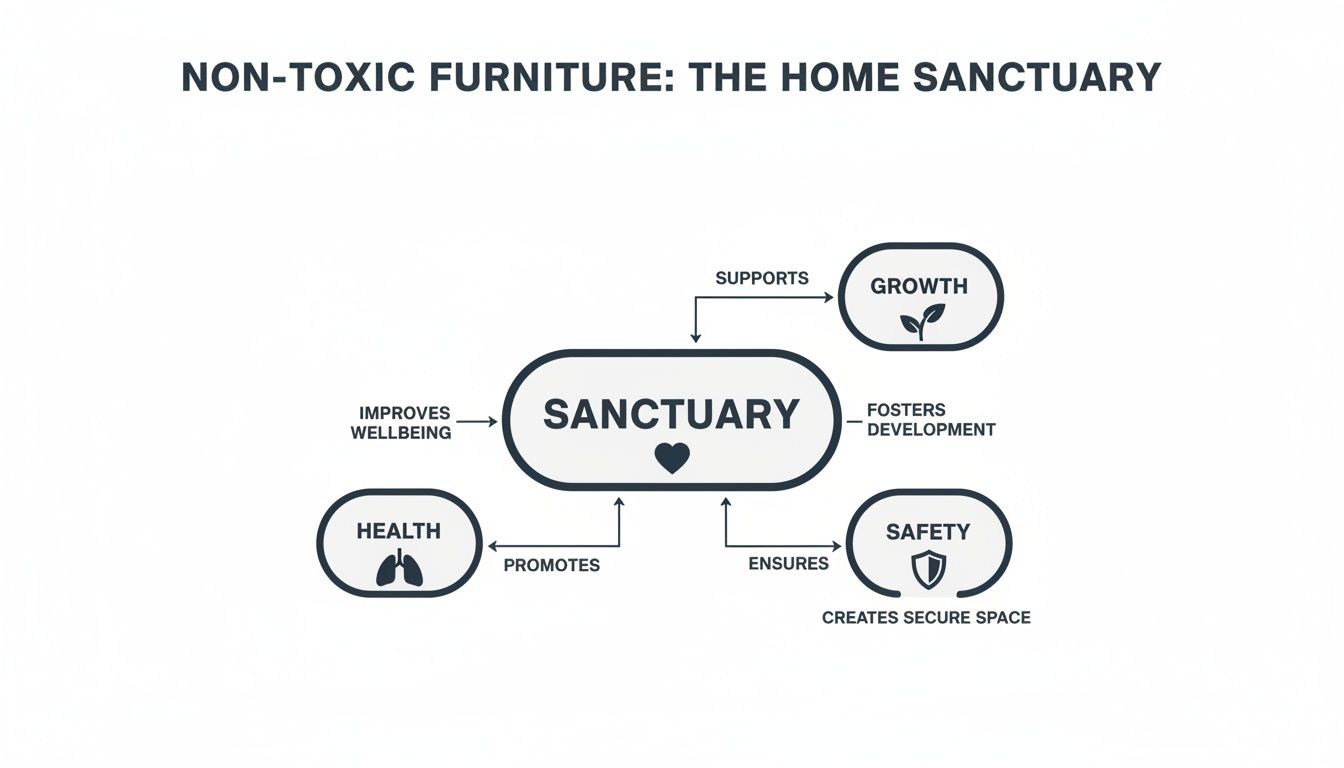
The takeaway here is that every piece of the puzzle—health, growth, and safety—is connected. And it all starts with choosing non-toxic materials as the foundation for their environment.
The Problem with Off-Gassing
Have you ever sprayed an air freshener that just... never goes away? That's a good way to think about off-gassing. VOCs seep out of furniture finishes and glues, continuously releasing chemicals into the air your family breathes.
Since kids spend so much time in their rooms sleeping, playing, and just being, they get a much more concentrated dose of these airborne chemicals. This can lead to anything from headaches and dizziness to ongoing respiratory irritation.
This is why understanding what makes a product truly non-toxic goes beyond just the materials you can see and touch. It's also about materials that minimize off-gassing, a common issue also discussed in guides about things like low VOC vinyl flooring. The goal is always to lighten the chemical load in your home's air.
A Clear Comparison: Hazardous vs. Safe Materials in Children's Furniture
Making an informed choice is so much easier when you can see the options laid out side-by-side. The good news is that for every hazardous material out there, a fantastic, safe alternative is being used by high-quality, non-toxic furniture brands.
This table gives you a clear look at the common "ingredient swaps" that health-conscious brands make.
| Hazardous Chemical/Material | Commonly Found In | Potential Health Risk | Safe Alternative |
|---|---|---|---|
| Formaldehyde-based Glues | MDF, particleboard, plywood | Respiratory irritation, potential carcinogen | Solid wood, formaldehyde-free plywood |
| High-VOC Paints & Finishes | Surface coatings on dressers, cribs | Headaches, nausea, eye/nose/throat irritation | Zero-VOC or water-based paints, natural oils (linseed) |
| Lead-Based Paint | Older or imported painted furniture | Neurotoxicity, developmental delays | Certified lead-free paints |
| Chemical Flame Retardants | Upholstery foam, crib mattresses | Endocrine disruption, developmental concerns | Natural fibers like wool (naturally flame-resistant) |
| PVC (Polyvinyl Chloride) | Some plastic components, mattress covers | Contains phthalates, linked to hormonal issues | Food-grade silicone, natural rubber, 100% cotton |
Think of it this way: these brands are deliberately choosing healthier ingredients from the very start. This ensures the final product is built to support your child’s well-being, not compromise it. Once you know these key differences, you can confidently pick out pieces that make your child’s room a true sanctuary.
Choosing the Building Blocks of Safe Furniture
Now that we’ve covered the hidden chemicals to steer clear of, let's get to the good stuff—picking the best materials for truly non toxic children's furniture. Think of it like choosing the ingredients for a nourishing family meal. The right building blocks don't just create a safer space; they also result in furniture that’s beautiful, durable, and ready for whatever your kids throw at it.
This shift toward better materials is part of a bigger awakening among parents. The global children's furniture market is expected to hit a whopping USD 231.00 billion by 2034, with solid wood leading the charge at over 55.6% of the market. This trend is driven by parents like us who are actively choosing natural materials and non-toxic finishes to cut down on chemical exposure. You can learn more about the booming children's furniture market at Zion Market Research.
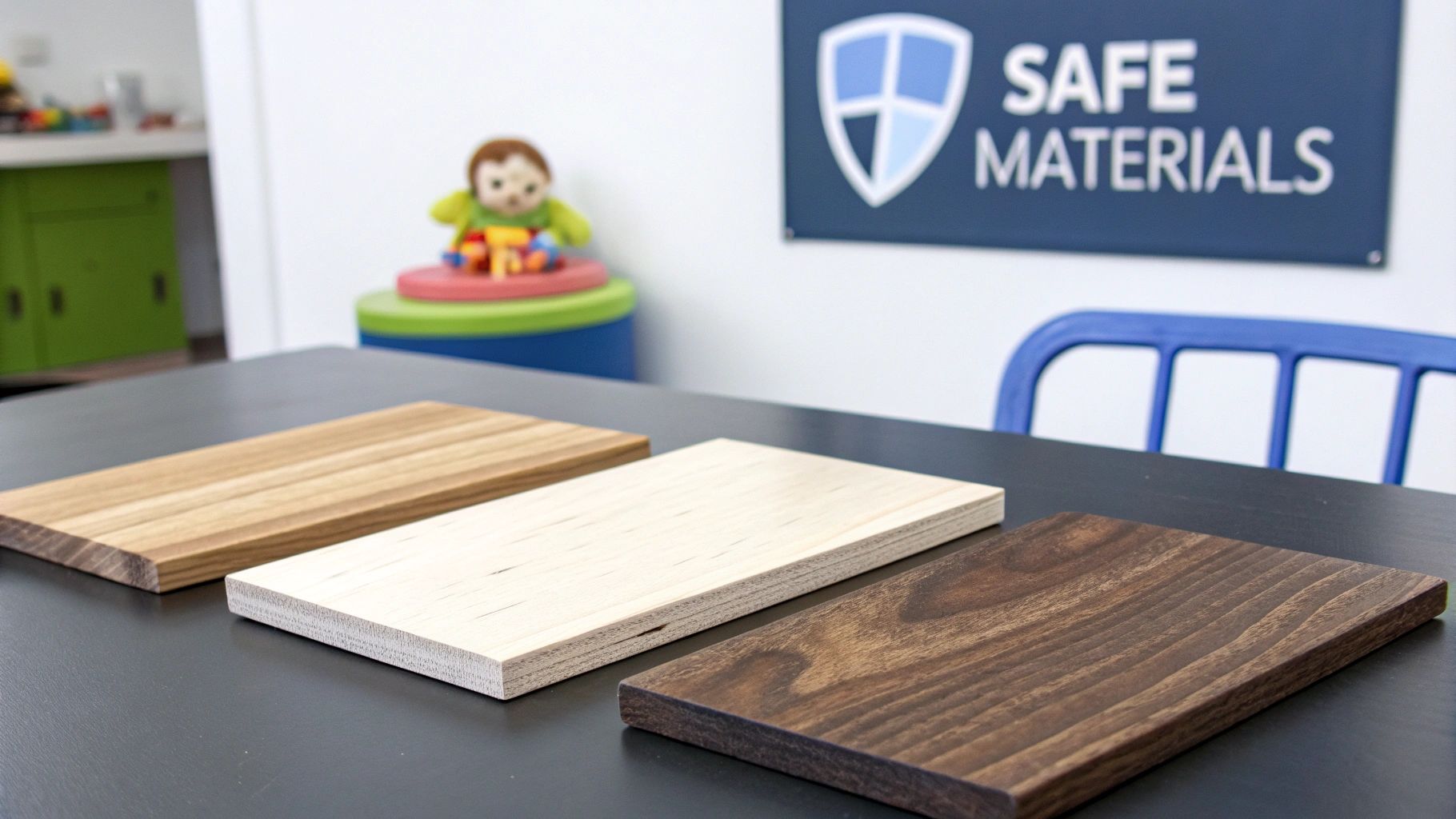
Solid Wood The Gold Standard
When it comes to non-toxic furniture, solid wood is the undisputed champion. Unlike composite woods like MDF or particleboard that rely on formaldehyde-based glues, solid wood is exactly what it sounds like—solid. No hidden adhesives are off-gassing into your child's room.
Look for furniture made from durable hardwoods that can handle the reality of daily play.
- Maple: Known for its incredible strength and resistance to dings and dents, making it perfect for high-traffic items like tables and chairs.
- Birch: A strong, stable wood with a fine grain that takes paint beautifully, giving you a smooth, clean finish.
- Poplar: A slightly softer but still durable option that’s often used for painted furniture because of its uniform texture.
When you choose solid wood, you're investing in a piece that can be passed down. Scratches can be sanded out and finishes can be reapplied, making it a truly sustainable choice that grows right alongside your family.
This same commitment to safe materials should extend to the entire room, right down to the floor. If you're creating a completely safe space from the ground up, you might find our guide on choosing a non-toxic foam play mat helpful.
Other Safe and Sustainable Materials
While solid wood is the ideal, there are other fantastic materials that are safe and often more budget-friendly. These options still put your child's health first without forcing you to compromise on quality or style.
- Bamboo: It's technically a grass, but bamboo is a rapidly renewable resource that is shockingly strong and lightweight. Just make sure to look for bamboo furniture made with formaldehyde-free adhesives.
- Formaldehyde-Free Plywood: High-quality plywood made with soy-based or other non-toxic glues is a great alternative to solid wood. It’s very stable and less likely to warp, making it a solid choice for bigger pieces like dressers and bookshelves.
- Sustainably Sourced Wood: Keep an eye out for the Forest Stewardship Council (FSC) certification. This label is your guarantee that the wood was harvested from responsibly managed forests that protect both ecosystems and wildlife.
Demystifying Safe Finishes
The raw material is only half the story; the finish is what seals the deal. A gorgeous piece of solid wood can be made toxic in an instant if it's coated in a high-VOC paint. The safest finishes create a protective barrier without leaching harmful chemicals into the air.
Here are the top choices for non-toxic furniture finishes:
- Water-Based Paints: These paints use water as the solvent instead of petroleum-based chemicals, which means significantly lower VOC levels. Many are now available in "zero-VOC" formulas.
- Natural Oils: Finishes like linseed, tung, or beeswax oil actually penetrate the wood to protect it from the inside out. They create a beautiful, natural look and are completely free of nasty chemicals.
- Zero-VOC Lacquers: Modern lacquers have come a long way. Many are now formulated to be completely free of VOCs while still providing a durable, wipeable surface that’s perfect for kids' furniture.
By understanding these core components—the wood, the construction, and the finish—you can look past the marketing hype and spot truly high-quality, non-toxic craftsmanship. These choices ensure the furniture you bring home is a source of joy and safety, not hidden risks.
How to Decode Labels and Certifications
Walking into the world of non toxic children's furniture can feel like trying to read a foreign language. You're bombarded with logos, seals, and stamps on every product page, and it's tough to know what's meaningful and what's just marketing fluff.
Think of these certifications as nutrition labels for your furniture. They are proof from an unbiased third party that a product genuinely meets specific health and safety standards. A brand that has gone through the rigorous process to earn these seals will display them proudly—it’s a huge investment in quality and your child's well-being. Understanding what they mean is your best tool for cutting through the noise.
Key Certifications to Look For
Not all certifications are created equal. Some are laser-focused on the air your child breathes, while others look at where the wood comes from or general product safety. Knowing the difference helps you pick what matters most to your family.
Here are the big ones that signal truly safe furniture:
-
GREENGUARD Gold: This is the gold standard for indoor air quality, and for good reason. It tests for over 10,000 chemicals and VOCs to ensure products have incredibly low emissions. Since your child spends so much time in their room, this one is non-negotiable. We've gone into more detail on why this seal is so important in our deep dive into what it means to be GREENGUARD Gold certified.
-
Forest Stewardship Council (FSC): Spot the FSC logo? That means the wood in the furniture comes from a responsibly managed forest. This certification is all about ensuring that harvesting practices are good for the environment and fair to workers, protecting our planet for future generations.
-
Consumer Product Safety Commission (CPSC): This is a mandatory government standard in the U.S. Every children's product sold here must meet CPSC safety rules, which include firm limits on lead and phthalates. While it’s the bare minimum, you should always double-check that a product is CPSC compliant.
These certifications act as your trusted third-party verification. They are the proof behind the promise, confirming that a company has gone the extra mile to have its materials and manufacturing processes independently tested for safety.
Taking a moment for understanding product certifications is a powerful step. It empowers you to build a home environment that is genuinely safe, not just one that claims to be.
Spotting “Greenwashing”
Unfortunately, some companies use vague, feel-good terms to make their products seem more eco-friendly and non-toxic than they really are. This tactic is called greenwashing, and it preys on parents who are trying to do the right thing.
Keep a sharp eye out for fuzzy phrases that aren't backed by any real proof:
- "Eco-friendly"
- "All-natural"
- "Green"
- "Chemical-free"
Without a credible, third-party certification to stand behind them, these words are mostly meaningless. A truly non-toxic brand won't hide behind buzzwords; they'll be transparent and proudly show off their GREENGUARD Gold or FSC seals. Always look for the proof.
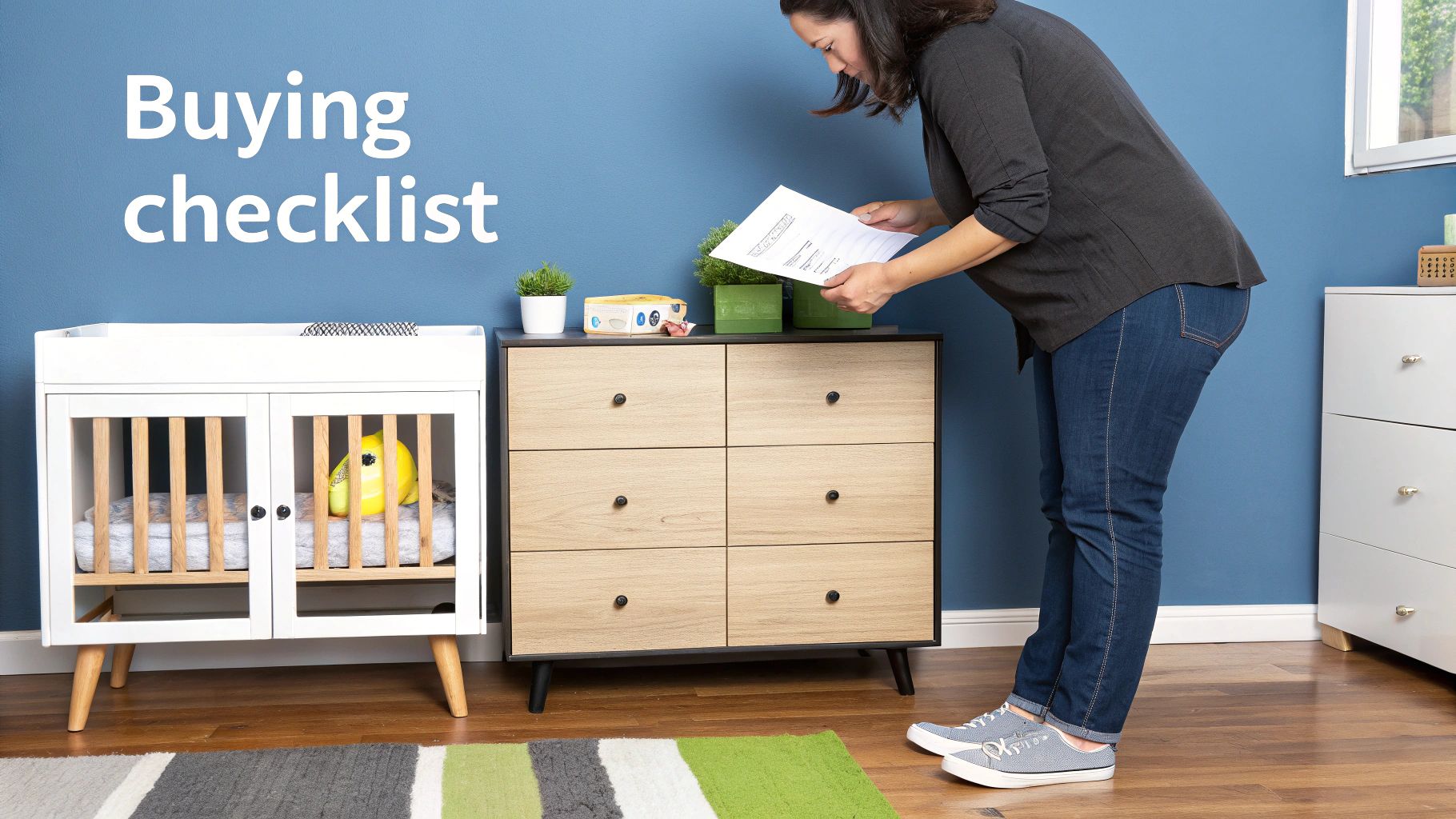
A Practical Checklist for Buying Non Toxic Furniture
Navigating the world of non toxic children's furniture can feel overwhelming, but a simple checklist can turn you into a confident, informed shopper. Think of this as your go-to guide for turning all this new knowledge into action. It's about making sure the pieces you bring home truly support a healthy, safe, and empowering space for your child.
This focus on health and safety isn't just a niche concern anymore; it's driving huge changes in the market. The global market for children's furniture is growing at a remarkable 19.30% CAGR, pushed forward by parents demanding products free from toxins like phthalates and lead. As more families look for sustainable and green options, knowing exactly what to look for is more important than ever.
Materials and Finishes
First things first, let's look at the "ingredients" of any furniture piece. Your main goal here is to figure out what it's made of and what it's coated with.
-
Verify the Material: Is it solid wood, or a composite like MDF or particleboard? Solid wood is always the best choice because it doesn't need the formaldehyde-based glues you'll find in engineered woods.
-
Inquire About the Finish: Ask specifically if the paint or lacquer is water-based and zero-VOC. This is a critical detail for keeping your indoor air clean and avoiding the nasty off-gassing that comes with typical finishes.
Certifications and Transparency
Next, look for proof. Good brands are proud of their safety standards and will have third-party certifications to back up their claims. This is how you can tell the difference between genuinely non-toxic products and those just using "green" buzzwords.
Look for credible certifications right on the product page or in the item's specs. A lack of transparency about materials, finishes, or certifications is a big red flag.
Key Seals to Spot:
- GREENGUARD Gold: This is the gold standard. It confirms the product has been tested for over 10,000 chemicals and has extremely low emissions, making it perfect for sensitive spaces like nurseries.
- FSC (Forest Stewardship Council): This seal guarantees the wood came from responsibly managed forests.
- CPSC Compliant: This means the product meets mandatory U.S. safety standards, including strict limits on lead.
Integrating Montessori Principles
Beyond just being non-toxic, the best children's furniture is also designed for the child. This is where the Montessori philosophy offers a perfect roadmap, focusing on independence, respect, and creating a prepared environment.
When you're shopping, keep these child-centric design elements in mind:
- Child-Sized Proportions: Look for low beds, tables, and shelves that your child can easily get to without your help. This builds their confidence and sense of autonomy.
- Accessibility and Independence: Are the drawers easy for little hands to open? Can your child reach their own books and toys? Furniture should empower them, not get in their way.
By combining non-toxic materials with a child-focused design, you create a space that’s not just safe from chemical hazards but also rich with opportunities for them to learn and grow. For a handpicked selection that brings these ideals to life, you can browse our children's furniture shop, where safety and thoughtful design are at the heart of every piece. This approach ensures everything in their room contributes to a nurturing sanctuary for growth.
Here's the rewritten section, crafted to match the human-written style of the examples provided.
Keeping Your Non-Toxic Furniture Looking Great for Years
You’ve made a great investment in your child's health by choosing high-quality, non-toxic furniture. Now, let’s talk about keeping those beautiful pieces looking their best. Proper care is less of a chore and more about preserving the safe, healthy environment you've created.
First things first: step away from the harsh, conventional cleaning sprays. Many of these products are loaded with the very same VOCs and chemicals you worked so hard to avoid. Using them on your non-toxic furniture basically undoes all your careful research and selection.
Simple and Safe Cleaning Solutions
Instead, a gentle approach is all you need. The best part? You probably have these things in your home already.
- Daily Dusting: A soft, dry microfiber cloth is your best friend. It’ll grab dust without leaving any scratches behind on the finish.
- Spills and Sticky Fingers: For little messes, mix equal parts white vinegar and water in a spray bottle. A light spritz and a wipe with a soft cloth will clean and disinfect without harming the wood.
- Tougher Grime: If you’re dealing with something more stubborn, a couple of drops of a gentle, unscented soap (like castile soap) in warm water will do the trick. Just be sure to wring the cloth out well so you aren't soaking the wood.
A friendly piece of advice: The goal is to clean, not strip the finish. Harsh chemicals can eat away at the safe, water-based or natural oil finishes, damaging the furniture's look and its non-toxic shield.
Taking Care of Minor Wear and Tear
Let’s be real—with kids, scratches and dings are just part of the story. Solid wood is tough, but it's not indestructible. Instead of seeing these little marks as damage, think of them as memories of a well-loved and well-used piece of furniture.
For pieces with a natural oil finish, you can often buff out a small scratch by lightly rubbing a walnut over it. The natural oils in the nut help conceal the mark beautifully. This simple trick reinforces the whole idea behind this kind of furniture—it’s meant to be lived with, repaired, and cherished as it grows with your family, not tossed out.
Got Questions About Non-Toxic Furniture? We've Got Answers.
Diving into the world of non-toxic children's furniture can feel like learning a new language. If you have a few questions, you’re not alone. It’s totally normal to want to get all the facts straight before investing in your child’s space.
This section is all about clearing things up. We’ll tackle the most common questions we hear from parents, from budget worries to practical tips, so you can feel confident and ready to create a healthy, nurturing room for your little one.
Is Non-Toxic Furniture Always More Expensive?
It’s true that some non-toxic pieces can have a higher price tag, but there’s a good reason for it. When you choose furniture made from solid wood, finished with water-based paints, and backed by rigorous certifications, those quality materials and processes cost a bit more.
Think of it less as an expense and more as a long-term investment. This furniture is built to last. With superior craftsmanship and durable materials, it’s designed to handle years of play and grow right alongside your child. You end up saving money down the road because you won't need to replace flimsy furniture that breaks or wears out.
And here's some good news: as more families look for healthier options, the market has responded. You can now find more affordable non-toxic choices made from safe, sustainable materials like bamboo or high-quality, formaldehyde-free plywood. You’re not just buying a piece of furniture; you’re investing in your child’s health and the air quality of your home.
What Is Off-Gassing and Should I Worry About It?
You know that “new furniture smell”? That’s actually a sign of off-gassing. It's the process where new items release chemicals, called Volatile Organic Compounds (VOCs), into the air.
These VOCs can seriously pollute your indoor air. For a child’s small, developing body, this can lead to irritation and other health issues. And since kids spend so much time sleeping and playing in their rooms, their exposure level is much higher.
The single best way to tackle this is by choosing furniture that is GREENGUARD Gold certified. This certification is your guarantee that the product has been scientifically tested for thousands of chemicals and proven to have extremely low emissions, keeping the air in your child's sanctuary clean and safe.
Can I Make My Existing Furniture Safer?
Absolutely. While starting fresh with certified non-toxic furniture is ideal, you can definitely take steps to make the pieces you already own safer. It’s all about minimizing your child's exposure.
If you have a piece of furniture that has that strong chemical smell, the best first step is to air it out. Move it to a well-ventilated space like a garage or covered porch for several days, or even a few weeks. This gives the VOCs a chance to dissipate before the item comes into your child’s room.
For older painted furniture that might contain lead, a fresh coat of certified zero-VOC, non-toxic paint can seal in the old layer and create a safe barrier. But for high-touch items your child uses every day—like a crib, bed, or play table—investing in a new, certified non-toxic piece offers the ultimate peace of mind.
How Does Non-Toxic Furniture Fit with Montessori Principles?
Non-toxic furniture and the Montessori philosophy are a natural fit. The Montessori method is all about creating a safe, child-led environment where kids can confidently explore their independence.
Using furniture made from natural materials like solid wood directly supports this. It honors the deep respect for both the child and the natural world that sits at the core of the philosophy. Plus, it removes chemical hazards and distractions from their carefully prepared space.
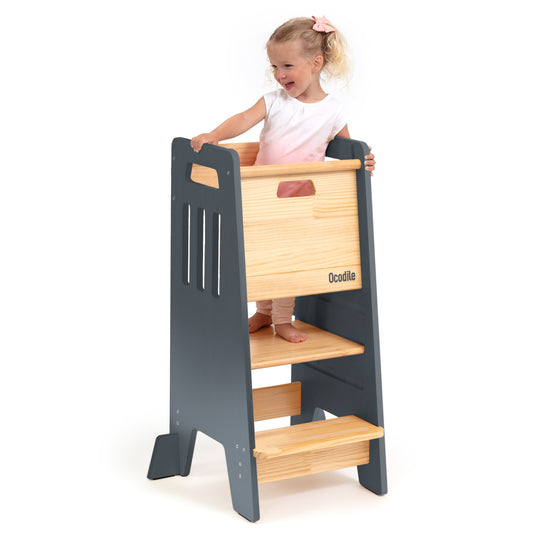
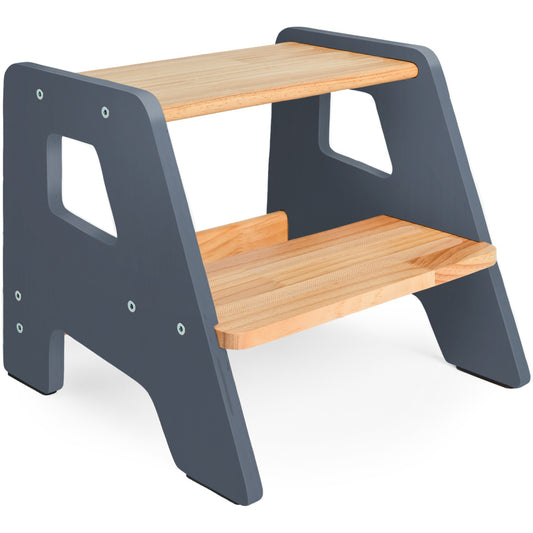
When Montessori-style pieces—like floor beds, learning towers, or child-sized tables—are also certified non-toxic, you create the perfect environment for a child to flourish. It’s a space that’s not just empowering and accessible, but fundamentally healthy, too.
At Ocodile, we believe creating a safe, beautiful space for your child shouldn't be complicated. Our furniture is thoughtfully designed to blend Montessori principles with the highest standards of non-toxic craftsmanship, giving your family the best of both worlds. Explore our collection and build a sanctuary where your child can safely learn, play, and grow. Visit us at https://ocodile.com.