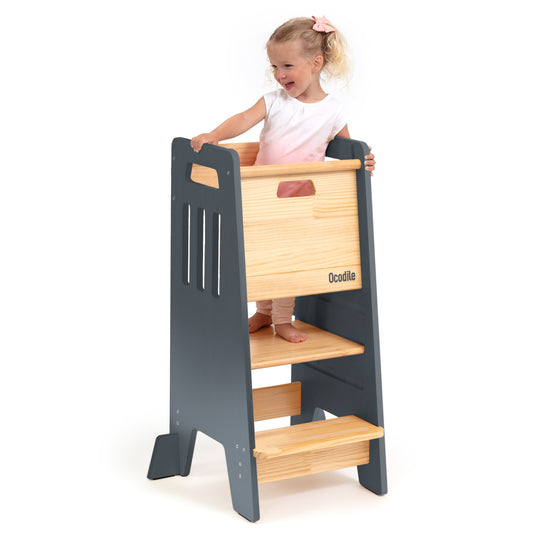


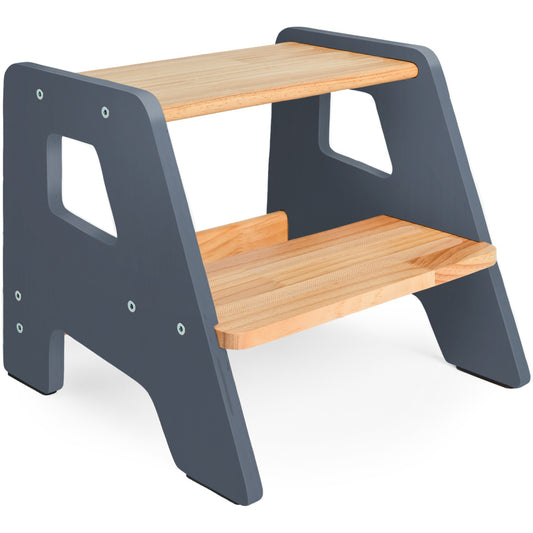


The Ultimate Guide to Wood Stacking Chairs
Picture this: a playroom that seamlessly shifts from a quiet reading nook to a bustling craft station.Or a dining area that’s ready for little guests in an instant. That’s the simple genius of wood stacking chairs. They're one of those smart, stylish solutions for family life that perfectly balances real-world practicality with a design that puts kids first.
Think of them less as furniture and more as an investment in a home that truly works for everyone.
Why Wood Stacking Chairs Are a Smart Family Investment
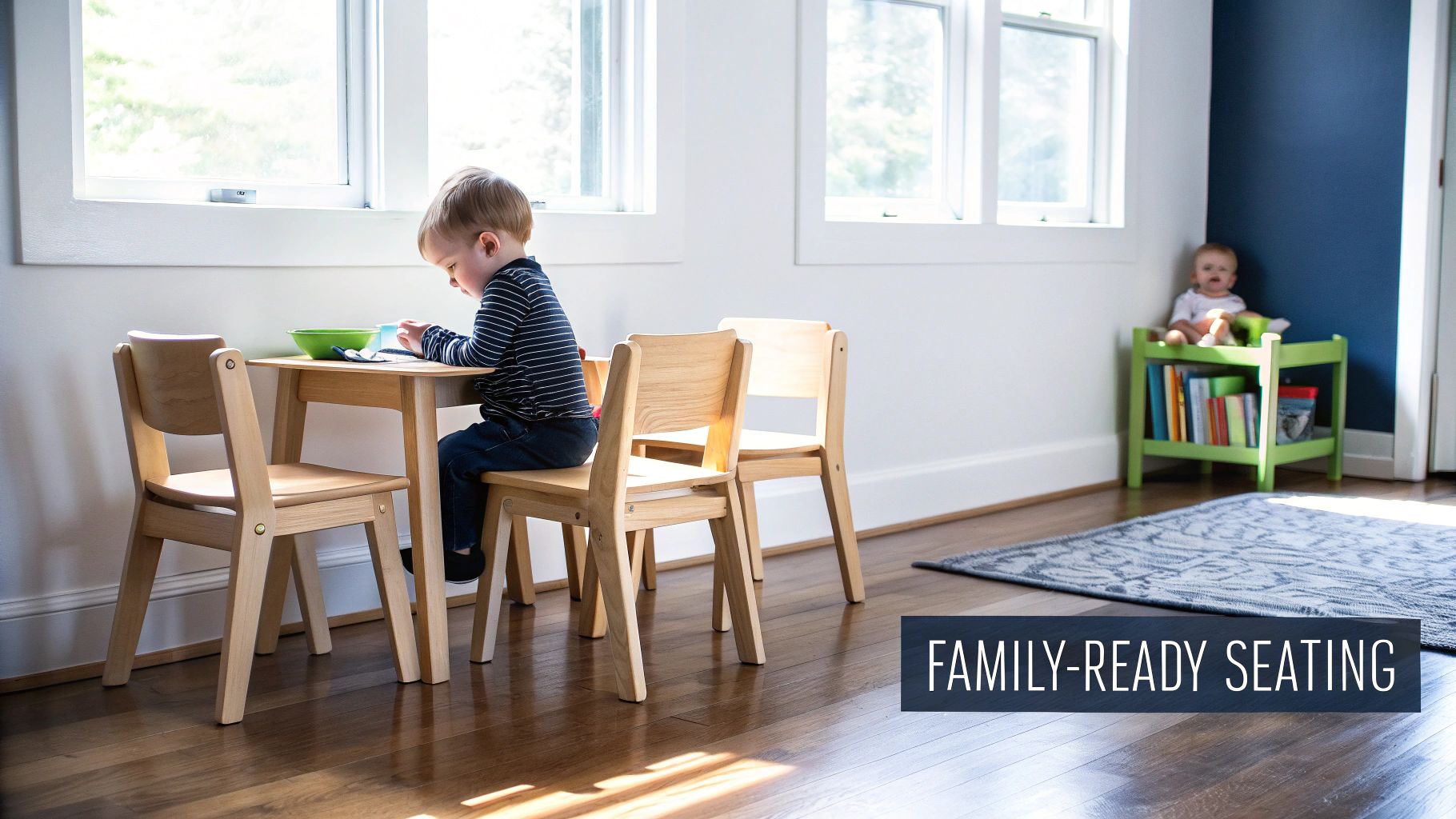
In a home buzzing with the energy of growing kids, furniture has to be one thing above all else: adaptable. Wood stacking chairs are built around this very idea, offering a mix of style, function, and developmental perks that other kinds of kid seating just don't.
Unlike those bulky, single-purpose pieces of kids' furniture, these chairs are lightweight and designed to stack away neatly. This is an absolute game-changer, especially for families in smaller homes or for anyone who just appreciates a tidy, uncluttered space. Instead of giving up precious floor space for a permanent play table, you can set up—and clear away—an activity zone in minutes.
More Than Just a Place to Sit
Beyond their space-saving brilliance, these little chairs play a surprisingly big role in a child's development. When you give children furniture that’s scaled to their size, you give them a sense of independence and capability. It’s a core concept in Montessori philosophy, which is all about creating environments where kids can confidently do things for themselves.
When a child can easily pull up their own chair for a snack or an art project, they’re practicing autonomy. That simple act builds their self-esteem and makes them feel like a valued, contributing part of the family.
These chairs transform everyday routines into learning opportunities. They support a child’s natural desire to do things "by myself," fostering independence that extends far beyond the playroom.
What This Guide Will Cover
We’ll walk through everything you need to know to choose the perfect set of wood stacking chairs for your family. We're going to dive into the key things to look for so you can make a choice that's safe, durable, and looks great in your home.
- Developmental and Practical Benefits: We'll explore how these chairs boost independence while helping you reclaim valuable floor space.
- Safety and Material Standards: You'll learn how to spot non-toxic finishes, stable designs, and quality woods like birch and beech.
- Ergonomics and Sizing: Find out how to match a chair to your child’s height to support good posture and comfort.
- Styling and Storage: Get some creative, real-world ideas for making these beautiful chairs work in any room.
The Big Benefits: More Than Just a Place to Sit
Picking out furniture for your child's room is about so much more than just how it looks. You're actually building the environment where they'll grow and learn. The right pieces can empower them, turning simple, everyday moments into chances for them to discover what they can do on their own. This is exactly where wooden stacking chairs come in. They're a fantastic mix of developmental support and real-world practicality for families.
At their heart, these chairs are designed for kids, first and foremost. When a chair is actually scaled to a child’s size, it’s not just more comfortable—it’s theirs to use. This simple idea is a huge part of educational approaches like Montessori, which is all about creating a "prepared environment" where kids can do things for themselves.
Think about it: instead of needing a boost into a giant, adult-sized chair, a child can just pull up their own seat for a snack, an art project, or to flip through a book. It seems like a small thing, but it’s a massive step toward independence. It sends them a clear message: "This space is for you, and you can handle it."
Building Confidence, One Seat at a Time
Every single time a child figures out how to do something on their own, their confidence gets a little boost. Having their own furniture helps build this feeling of being a capable, important part of the family.
A child-sized chair is like their personal home base. From that spot, they can dive into activities on their own terms, which naturally helps them focus and stick with things longer. They aren't distracted by dangling feet or trying to awkwardly reach a tabletop. They're comfortable, supported, and in control. That stability is what lets them really get lost in playing and learning.
A child's environment is one of their most powerful teachers. When we give them furniture that fits their body, we're non-verbally telling them that their needs matter and that they have control over their own little world.
This sense of empowerment is the foundation for all sorts of practical life skills. Kids learn to set up their own spot for an activity and, just as crucial, they learn to clean up after themselves by pushing in their own chair.
The Practical Perks for Busy Families
Beyond all the great developmental stuff, wooden stacking chairs are a lifesaver for parents who need their home to be functional and tidy. Their most famous feature is, of course, the fact that they stack. For anyone living in a place where every square foot counts, this is a game-changer.
You can set up a corner of the living room for a playdate in minutes, and then get all that floor space back just as fast when everyone goes home. The chairs tuck neatly into a closet or corner, keeping your home from feeling cluttered. This makes them perfect for:
- Small apartments or houses where rooms have to pull double-duty.
- Hosting playdates or birthday parties by having extra seats that vanish when you don't need them.
- Creating temporary "zones" for art, homework, or meals without taking over the room permanently.
Their durability is another huge plus. Made from solid wood, these chairs are built to handle everything that comes with childhood—from energetic wiggles to the inevitable spills. This kind of longevity makes them a smart, sustainable choice that can serve a family for years. It's not uncommon to see them passed down from one sibling to the next.
This blend of sturdiness and style is part of a bigger picture. Stackable chairs are a major part of the furniture world, and wood is leading the pack, projected to grab a 57% market share by 2025. People clearly want products that look timeless but work for modern life—a balance these chairs strike perfectly. You can read more about the trends shaping the stackable furniture market on Dataintelo.com.
How to Select the Perfect Wood Stacking Chairs
Choosing the right furniture for your child can feel like wading through endless options, but picking out the perfect wood stacking chairs is actually pretty straightforward. It really just boils down to a few key things that make sure the chairs are safe, comfortable, and can handle whatever your kid throws at them (sometimes literally).
Think of it as setting the stage for your child's independence. Just like a solid foundation keeps a house standing strong, the right chair supports your child’s posture and confidence, helping them engage with their little world. Let’s start with the heart of the chair—the wood.
Understanding Your Wood Choices
The type of wood a chair is made from says a lot about its durability, weight, and even its look. When it comes to kids' furniture, you’ll mostly see two categories: solid wood and engineered wood. One isn’t automatically better than the other; they just serve different purposes.
Solid woods like beech and birch are incredibly popular, and for good reason. They’re dense, tough, and can take a beating for years, which makes them a fantastic long-term investment. A chair made from solid beech can handle daily wiggles, accidental drops, and can easily be passed down from one child to the next.
Then you have engineered wood, with high-quality plywood being the most common. It's made by layering thin sheets of wood veneer and bonding them together. This creates a material that’s surprisingly strong, resists warping, and is often lighter than solid wood—a big plus when you want your child to be able to pull out their own chair.
This flowchart really helps picture why these chairs are such a great fit for families who value independence, durability, and a clutter-free home.
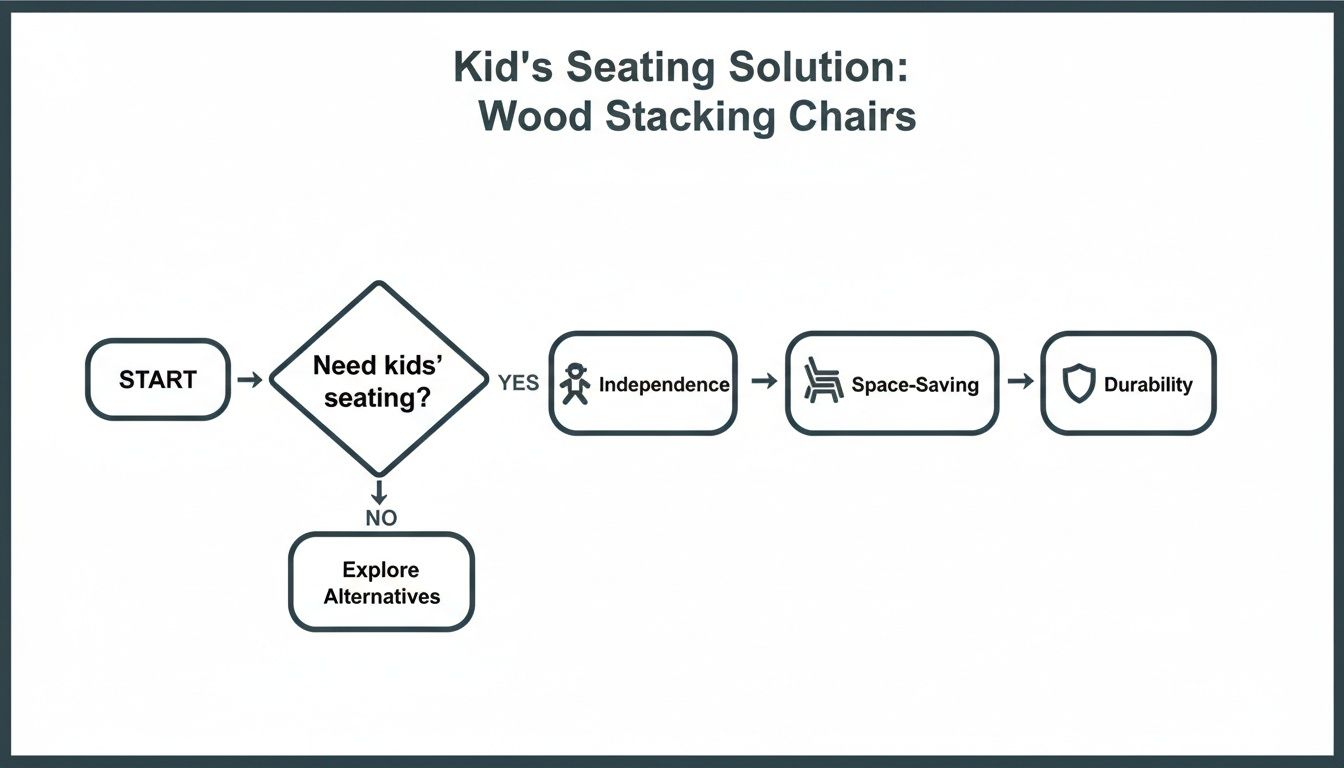
As you can see, the path to choosing these chairs often starts with a simple need for practical, kid-friendly seating that aligns with core family values, like encouraging a child’s self-reliance.
Prioritizing Non-Negotiable Safety Features
When it's for your kids, safety is everything. A well-made wood stacking chair is designed from the ground up with a child's well-being in mind. You just need to know what to look for.
First, check the finish. It absolutely has to be non-toxic and free from nasty chemicals like lead or VOCs (volatile organic compounds). Kids touch everything—and often put their mouths on things—so a safe, water-based paint or lacquer is essential.
Next, give the chair a good once-over. Are all the corners and edges smoothly rounded? This is key for preventing bumps and scrapes. The base of the chair should also be wide and stable, making it tough to tip over, even with a wiggling, climbing toddler. Finally, always check the recommended weight limit to make sure it's a good match.
A truly safe chair is one you don’t have to think about. Its thoughtful design elements—from the rounded corners to the stable legs—work quietly in the background to create a secure environment for play and learning.
Getting the Ergonomics and Sizing Right
A chair isn't much good if it isn't comfortable and supportive. For a growing child, good ergonomics are a big deal for developing healthy posture. You've found the perfect size when your child can sit all the way back and still have their feet resting flat on the floor.
This position gives them stability and encourages a proper sitting posture, with their knees bent at about a 90-degree angle. If their feet are dangling, they'll get restless and uncomfortable, which makes it harder to focus on drawing, eating, or playing.
The easiest way to find the right fit is to measure from the floor to the back of your child's knee. The seat height should be pretty close to that number. Most brands offer age and height guides, which are a great place to start. For a complete setup, you can learn more about finding the right match in our guide to choosing the perfect toddler table and chairs in wood.
Comparing Wood Materials for Children's Stacking Chairs
To help you sort through the options, here’s a quick comparison of the most common woods you'll find in children's stacking chairs.
| Material Type | Durability & Lifespan | Typical Cost | Best For |
|---|---|---|---|
| Solid Beech | Excellent; highly resistant to dents and wear. | Higher | Families seeking a long-lasting "heirloom" piece that can handle heavy use. |
| Solid Birch | Very good; strong and durable with a fine grain. | Mid-Range | A great balance of durability and aesthetic appeal for everyday use. |
| Baltic Birch Plywood | Excellent; very strong, stable, and warp-resistant. | Mid-Range | Situations where lightweight strength and stability are top priorities. |
| Engineered Wood (MDF) | Fair; can be prone to chipping or water damage. | Lower | Budget-conscious choices where heavy, long-term use is not expected. |
Ultimately, whether you go for solid wood like beech or a high-quality plywood comes down to your priorities. Both are fantastic choices that deliver the strength and safety you need for a happy, kid-friendly home.
Essential Safety and Ergonomic Standards Explained
When you bring any piece of furniture home for your child, peace of mind is everything. It’s not just about how a chair looks or what it’s made of; it’s about understanding the deeper layers of safety and thoughtful design that make it a truly good choice for your family.
This means looking beyond the obvious and digging into what makes wood stacking chairs genuinely safe and supportive. We’re not just talking about avoiding splinters. It’s about guarding against invisible risks and encouraging healthy physical development right from the start.
Decoding Key Safety Certifications
Trying to understand product labels can sometimes feel like learning a new language. Luckily, a few key certifications act as your guideposts for safety. Think of them as a seal of approval from experts who have put the product through rigorous testing.
When you spot these labels on wood stacking chairs, you can breathe a little easier.
- JPMA Certified: The Juvenile Products Manufacturers Association (JPMA) stamp means a product either meets or exceeds the highest safety standards out there. They test for things like stability, solid construction, and the absence of hazardous materials.
- GREENGUARD Gold Certified: This one is all about indoor air quality. It shows a product has been tested for over 10,000 chemicals and has incredibly low emissions of Volatile Organic Compounds (VOCs). That means it helps create a healthier environment for your child to breathe in.
Knowing what these mean helps you make a smarter choice. When you're looking into how companies meet these tough requirements, understanding concepts like global compliance certifications is key to making sure they stick to international safety and quality rules.
The Hidden Dangers of Finishes and Materials
The beautiful, smooth finish on a wooden chair is often the first thing we notice, but it's also where hidden dangers can lurk. Many lower-cost furniture items use paints and lacquers that contain substances you really don't want in your home.
One of the biggest culprits is Volatile Organic Compounds (VOCs). These are chemicals that can "off-gas" into the air from paints, glues, and finishes, sometimes causing respiratory irritation or other health concerns. This is exactly why choosing chairs with non-toxic, lead-free, and low- or zero-VOC finishes is a non-negotiable for kids' furniture.
A safe chair is one that protects a child from both visible and invisible risks. The commitment to a non-toxic finish is just as important as the stability of the chair's legs.
This focus on clean materials ensures your child’s immediate space is as healthy as possible. After all, the last thing any of us want is for our little one's favorite chair to compromise the air they breathe.
Achieving the Gold Standard of Posture: The 90-90-90 Rule
Ergonomics for kids isn't just about being comfy—it's about giving growing bodies the right kind of support. A chair that fits poorly can lead to fidgeting, a lack of focus, and can even contribute to bad posture habits down the line.
The gold standard for pediatric seating is the '90-90-90' rule. It's a simple visual checklist to make sure a chair is a perfect ergonomic fit.
- Ankles at 90 Degrees: Your child's feet should rest flat on the floor, making a right angle at their ankles. Dangling feet are a recipe for discomfort and instability.
- Knees at 90 Degrees: Their knees should be bent at a right angle, with about two inches of space between the back of their knee and the edge of the seat.
- Hips at 90 Degrees: Your child should be able to sit with their back against the backrest while their hips are also at a right angle.
This alignment gives them optimal support, distributes their weight evenly, and creates a stable base for whatever they're doing, whether it’s eating, drawing, or reading a book. If you need some help pairing chairs with the right table, our article on finding the best children's chairs for a table has more detailed tips. A chair that fits just right helps a child feel grounded and ready to take on the world.
Styling and Storing Your Chairs with Ease
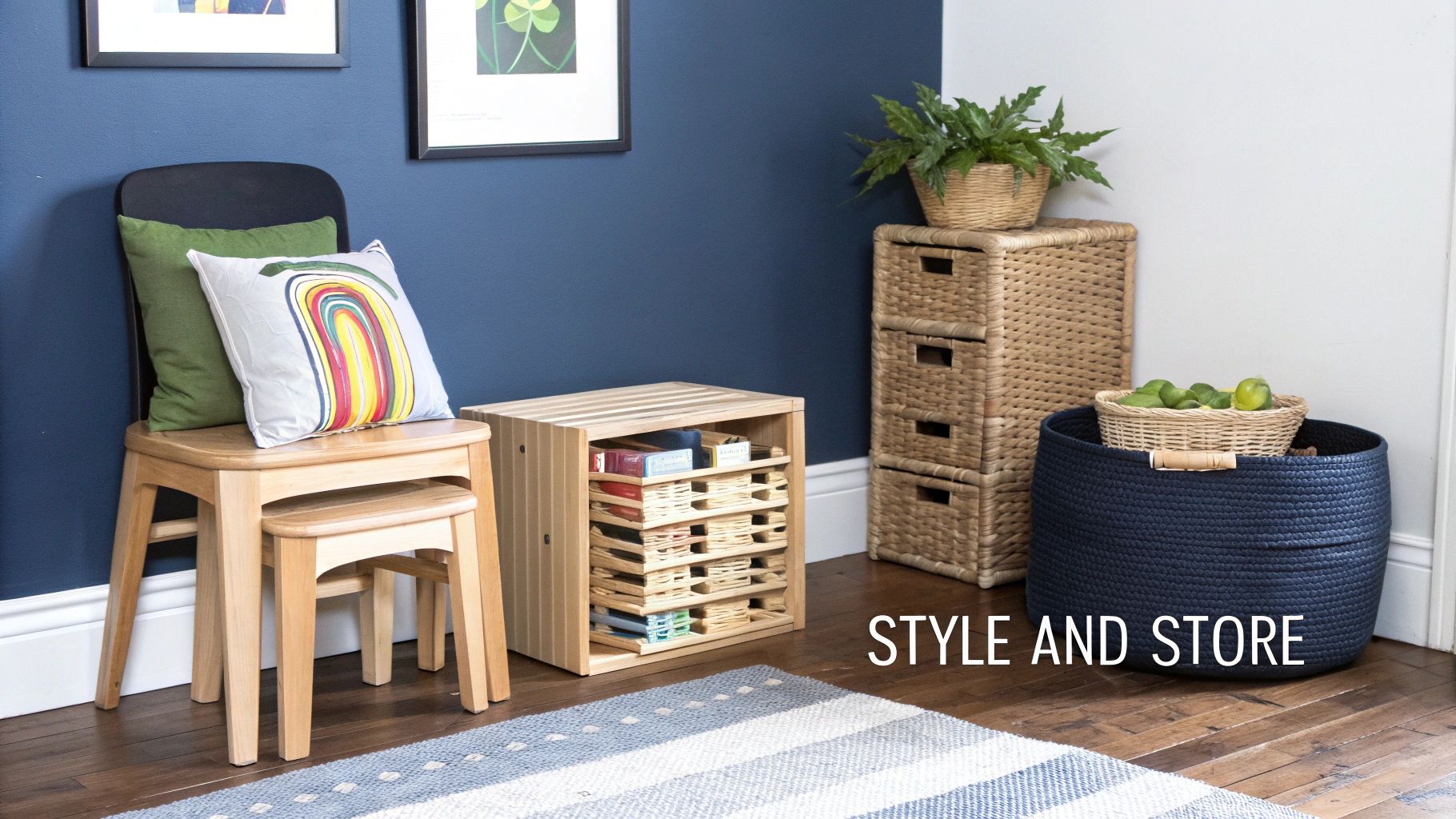
One of the best things about wood stacking chairs is how beautifully they manage to be both practical and stylish. These aren't just for a playroom that gets shut away; their natural warmth and clean lines let them fit right into almost any room. You can create functional, kid-friendly zones without having to sacrifice your home's decor.
Think of them as little building blocks for your family life. A quiet corner in your living room instantly becomes an art nook with a small table and a couple of chairs. In your child’s bedroom, they create the perfect spot for puzzles, homework, or curling up with a book. Because they're so compact, they never overwhelm the space.
Creative Ways to Integrate Chairs Into Your Decor
The natural finish of wood is a chameleon—it works with everything from modern minimalist to cozy farmhouse styles. The trick is to see them as part of the room's design, not just as pint-sized furniture.
Here are a few ideas to get you started:
- The Kitchen Helper Station: Pop a chair near a low counter or at the end of the kitchen island (always with supervision!). This lets your little one feel involved, helping with simple things like stirring or washing vegetables.
- The Living Room Art Corner: Pair two chairs with a low table in a bright corner. A nice wicker basket can hold all the art supplies, keeping things tidy but still within their reach.
- The Bedroom Reading Nook: Tuck a single chair next to a low bookshelf. It’s an open invitation for your child to explore their favorite stories all on their own.
These little setups are empowering for kids. They get a dedicated space that's truly theirs, which helps build a sense of belonging and independence right within the family home.
Best Practices for Stacking and Storage
As much as we love their look, the real magic is their stackability. Storing them correctly not only keeps your home from feeling cluttered but also protects the chairs so they last for years. The main goal is to get your floor space back when the chairs aren't being used.
The ability to reclaim your space is the ultimate luxury in a busy family home. Stacking chairs offer a simple, elegant solution to visual clutter, allowing rooms to serve multiple purposes with ease.
To make the most of this feature, a few simple guidelines go a long way. First, always stack them on a flat, level surface so the pile doesn't get wobbly and tip over. It's also a good idea to check the manufacturer's recommendations for how high you can stack them; this ensures the weight is distributed safely.
Tucking the stack away in a dry closet, against a wall, or in a garage corner keeps them safely out of the way. This space-saving logic is catching on everywhere, not just in homes. Flexible seating for event venues and offices can be neatly piled away, with analysts forecasting the market will balloon to USD 10.4 billion by 2033. It’s a clear sign of how well stacking chairs solve space problems—some estimates suggest they can save up to 80% of floor space.
If your home is particularly tight on room, getting creative is key. To make the most of every inch, you can explore the best storage methods for small spaces. And for keeping other kid-related things organized, our guide on smart wooden toy storage has some great ideas that fit right in with the tidy aesthetic of stackable furniture.
Keeping Your Chairs Looking Great for Years
A good set of wood stacking chairs isn't just a purchase for one child; it's an investment that can last through several kids, looking sharp the whole time. The good news is, protecting that investment is easier than you think. With just a little bit of regular care, these chairs will stay safe, sturdy, and beautiful for every snack, craft project, and imaginative adventure.
Think of it like tending to a houseplant—a little attention now and then prevents bigger issues down the road.
Your first line of defense is a simple cleaning routine. Most messes are no match for a soft, damp cloth with a tiny drop of mild soap. Just be sure to follow up with a dry cloth to prevent any water spots from forming.
Simple Cleaning for Different Finishes
How you clean really depends on the chair’s finish. Each one needs a slightly different touch to keep it looking its best without causing any harm.
- Natural or Oiled Wood: For these, go easy. Use a cloth that’s just barely damp with a mild soap-and-water mix. You'll want to avoid any harsh chemicals, as they can strip the natural oils right out of the wood.
- Lacquered or Painted Finishes: These surfaces have a bit more protection. A soft cloth with a gentle cleaner is perfect for wiping away fingerprints and daily grime. Just be extra gentle on painted chairs to avoid chipping the color.
For the inevitable tougher messes (hello, kids!), you might need a more targeted approach. A simple paste of baking soda and water can often lift crayon marks, while a dab of olive oil is great for dissolving sticky sticker residue without damaging the finish.
Proper care isn't about erasing every sign of a happy childhood—it's about keeping the chair safe and sound. A little scuff here and there tells a story, but regular maintenance ensures it remains a sturdy companion for all your child's adventures.
Quick Check-Ups and Minor Repairs
Beyond daily wipe-downs, it’s a smart idea to do a quick check-up every few months. Wood naturally expands and contracts with changes in temperature and humidity, and this can sometimes cause screws and bolts to loosen over time.
This little inspection is super straightforward and takes just a few minutes.
- Inspect All the Hardware: Flip the chair over and take a look at all the screws and bolts holding it together.
- Tighten Where Needed: Grab a screwdriver or Allen wrench and gently tighten anything that feels a bit loose. Be careful not to overtighten, though, as that can crack the wood.
- Do the Wobble Test: Set the chair back on the floor and give it a gentle shake. You want to make sure all the legs are firm and even.
Scuffs and scratches are just part of life with a well-loved piece of furniture. For minor marks, simple touch-ups can work wonders. You can find wood repair markers or wax sticks at most hardware stores that match common wood tones. They’re a quick way to camouflage small imperfections and keep your wood stacking chairs looking fresh through years of happy use.
Got Questions About Wood Stacking Chairs? We've Got Answers.
Jumping into the world of kids' furniture can definitely bring up a few questions. To help you feel totally confident about your choice, we’ve pulled together some of the most common things parents ask about wood stacking chairs. Think of this as your cheat sheet for making the final call.
First things first, let's talk timing. Getting the timing right means your little one can hop into their new chair safely and independently from day one.
At What Age Can My Child Start Using a Wood Stacking Chair?
Most toddlers are ready for a chair that’s just their size somewhere between 18 months and two years old. The real signal, though, is when they can sit up confidently on their own without any wobbling.
More important than age is the fit. Here's a simple rule of thumb: when your child is sitting, their feet should be able to rest flat on the floor. This is the secret to good posture, comfort, and the stability they need to feel secure.
The whole point of child-sized furniture is to fit seamlessly into their world, empowering them to do more on their own without always needing a grown-up's help. The right fit makes all the difference.
Once you’ve got the chairs, you want to make sure they play nice with your floors.
Are These Chairs Safe for Hardwood or Tile Floors?
Absolutely, but it’s smart to take one small, easy precaution. Many well-made wood stacking chairs already have felt pads on the feet to keep your floors scratch-free.
If yours don't, it's a quick fix. You can grab some adhesive felt protectors at any hardware store—they're inexpensive and take seconds to apply. Plus, because these chairs are so lightweight, they're naturally much gentler on floors than your heavy dining chairs.
Finally, let's figure out the magic number. How many chairs do you actually need?
How Many Chairs Should I Get for My Home?
For most families, starting with a set of two is a great sweet spot. This gives your child their own dedicated spot and leaves a spare for a sibling or a friend on a playdate.
The beauty of wood stacking chairs is that you can always add more later. As your family grows or playdates get bigger, you can just grab another one without stressing about storage space. It’s a good idea to think about how often you have other kids over when you're making your first purchase.
At Ocodile, we design furniture that grows with your family, combining safety, style, and the developmental needs of your child. Explore our collections and find the perfect pieces to create an empowering space for your little one at https://ocodile.com.