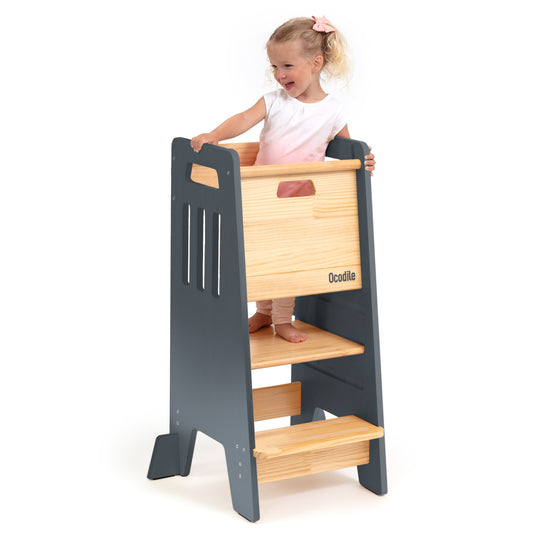


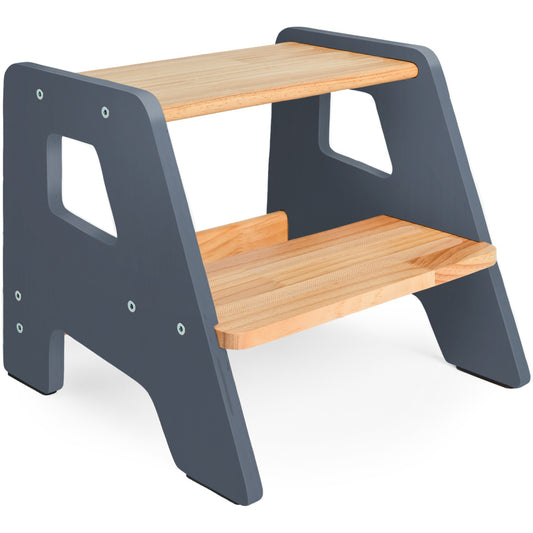


Your Guide to Craft Furniture and Storage
If you've ever felt like your home was the victim of a creative explosion, you're not alone. Craft furniture and storage is your secret weapon for taming that beautiful, glitter-filled chaos.
These aren't just tiny tables and chairs. They're thoughtfully designed pieces meant to organize the endless art supplies while carving out a safe, dedicated space that lets your child’s imagination run wild. By blending child-friendly safety features with seriously smart storage, this type of furniture can turn a messy corner into an inspiring launchpad for creativity.
Why a Dedicated Craft Space Matters
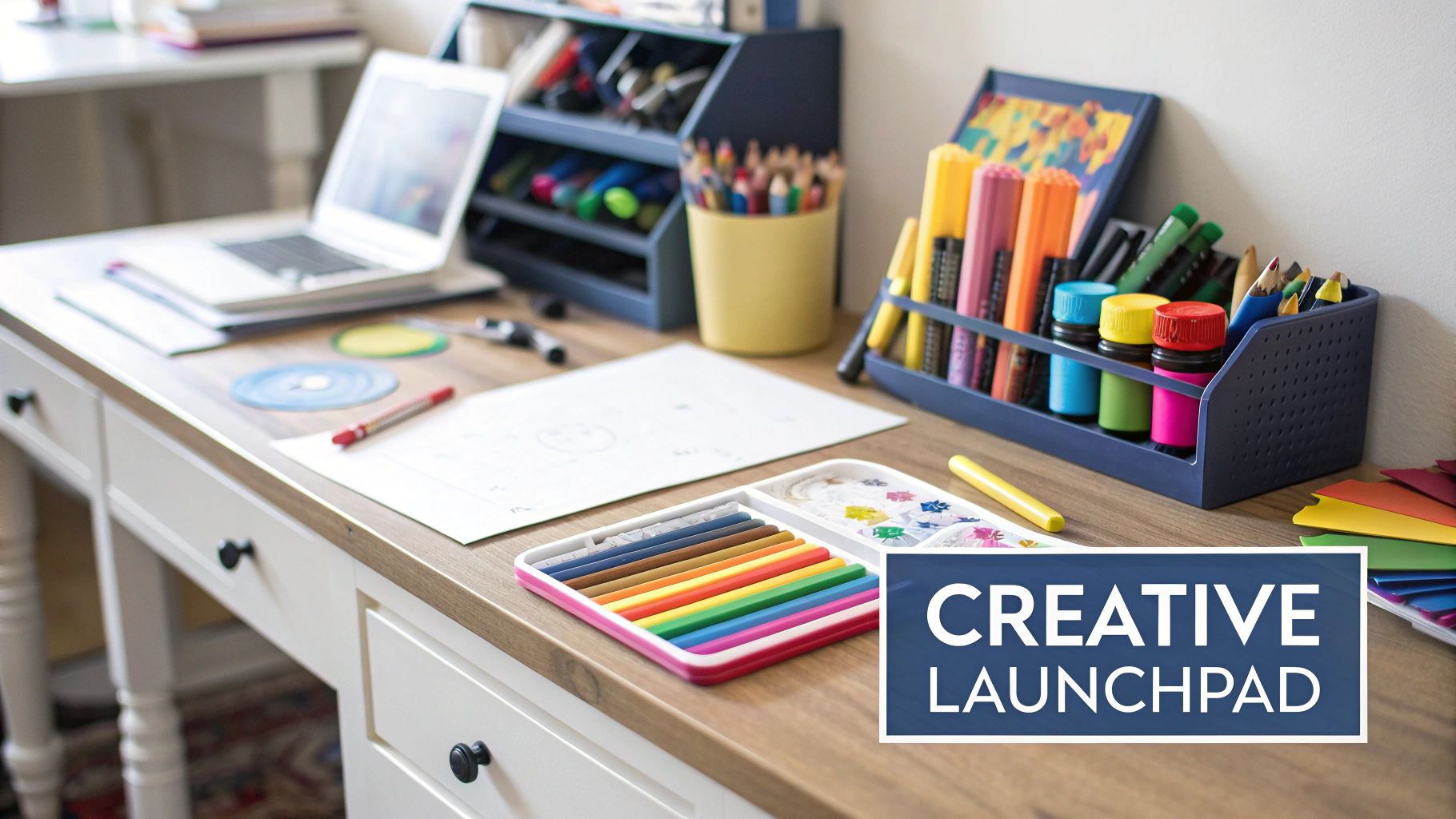
Let's be real: the aftermath of a toddler art session can look like a glitter bomb detonated in your living room. Scattered crayons, dried paint splotches, and a blizzard of paper scraps are familiar sights for any parent.
While that creative mess is a wonderful sign of an active imagination, it can also be a huge source of stress and clutter. This is where craft furniture and storage comes in, and it does so much more than just hold supplies.
Think of it as building a little studio for your artist, not just a box for their crayons. A well-designed craft station gives your child a real sense of ownership and independence. It sends a clear message that their creative projects are important and valued.
Instead of them having to hunt for materials (or ask you for the 10th time), everything they need is right within reach. This makes it so much easier for them to bring their ideas to life without constant help.
Setting the Stage for Success
The right setup doesn't just get things organized—it creates an environment that helps nurture key developmental skills. An accessible and orderly space empowers kids to make their own choices, take responsibility for their tools, and, yes, even learn to clean up after themselves.
It turns the whole creative process, from that first spark of an idea to putting the last crayon away, into a smooth and enjoyable routine. A great first step is understanding space planning to really make the most of the room you have.
This guide is your roadmap to choosing craft furniture that’s not just functional and stylish, but most importantly, safe. We'll walk through the essential features that protect your little artist, the best materials for durability, and smart storage solutions that can grow right along with them.
The Blueprint for Kid-Friendly Craft Furniture
Before we even get to the fun stuff—like colors and styles—every single piece of kids' craft furniture and storage has to pass a few non-negotiable checks. Think of it like building a fortress of creativity for your little one. The foundation needs to be solid, safe, and perfectly designed for its tiny occupant before you can start decorating the walls.
This basic blueprint is what turns a simple corner of a room into a genuine creative sanctuary, giving you peace of mind while they're lost in a world of paint and glitter.
Building a Safe Creative Fortress
First things first: physical safety. The best designs are often the simplest. Look for furniture with soft, rounded corners instead of sharp edges. We all know toddlers are a bit wobbly, and this one feature can be the difference between a small bump and a trip to the doctor.
Next up, check the finishes. Kids have a very hands-on (and mouths-on) approach to exploring their world, so non-toxic paints and sealants are an absolute must. Your best bet is to find pieces with low-VOC (Volatile Organic Compounds) or zero-VOC finishes. This means no nasty chemicals are being released into the air you breathe.
And for any storage units, like cubbies or bookshelves? Anti-tip hardware is mandatory. These little brackets anchor the furniture to the wall, preventing it from toppling over if your child gets an adventurous urge to climb.
A truly safe creative space is one where a child feels free to explore without a constant chorus of "be careful!" By choosing furniture with built-in safety features, you're not just preventing accidents—you're fostering independence and confident play.
Beyond these critical safety points, the actual size of the furniture makes a world of difference in empowering your child.
The Magic of Child-Sized Furniture
A tiny table and chairs might look cute, but their real magic is in the ergonomics. When a child can sit with their feet flat on the floor and their elbows resting comfortably on the table, it’s a game-changer for their posture and focus. No more dangling legs or strained shoulders means they can happily create for much longer.
This thoughtful sizing also gives them a huge sense of ownership. A dedicated, kid-sized art desk becomes their space, a little kingdom where they are in charge. For more ideas on finding that perfect spot, have a look at our guide to choosing a toddler's art desk.
This feeling of belonging encourages them to use the space more often and even take pride in keeping it (somewhat) tidy. When all is said and done, the right-sized furniture simply makes creativity more accessible, comfortable, and a whole lot more fun.
Choosing Materials for Durability and Design
Not all furniture is built to handle the beautiful, messy chaos of a creative kid. Picking the right material for your child’s craft furniture and storage is a bit like choosing a superhero for a mission—each one has unique strengths perfect for different challenges, from paint spills to the occasional enthusiastic hammering session.
Your choice really comes down to balancing durability, cost, looks, and just how much cleanup you’re willing to tackle. Let’s break down the most common contenders to help you find the perfect match for your family's creative corner.
Solid Wood: The Timeless Classic
Solid wood, like sturdy pine or classic maple, is the traditional champion of kids' furniture for a reason. It's incredibly durable and can be sanded down and refinished to erase years of creative battle scars, making it a piece that can literally grow with your child and even be passed down. It just brings a warm, natural feel to any space.
It’s no surprise that wood is still the top choice in the global furniture market, expected to make up 57% of sales in 2025. Families trust its reputation for durability and classic style. If you’re curious, you can explore the full furniture market analysis from Future Market Insights to see the trends.
Engineered Wood and Other Contenders
While solid wood is fantastic, it's not the only option on the block. Engineered wood, like MDF, is a great budget-friendly alternative that’s stable and super easy to paint in fun, bright colors. The one thing to keep in mind is that it doesn't love water, which is a big deal for a station that will definitely see its share of spilled paint water.
Modern metal and plastic options have their place, too. Metal brings a sleek, industrial look with excellent sturdiness, while plastic is lightweight, colorful, and ridiculously easy to wipe clean.
Here’s a quick look at how different materials stack up.
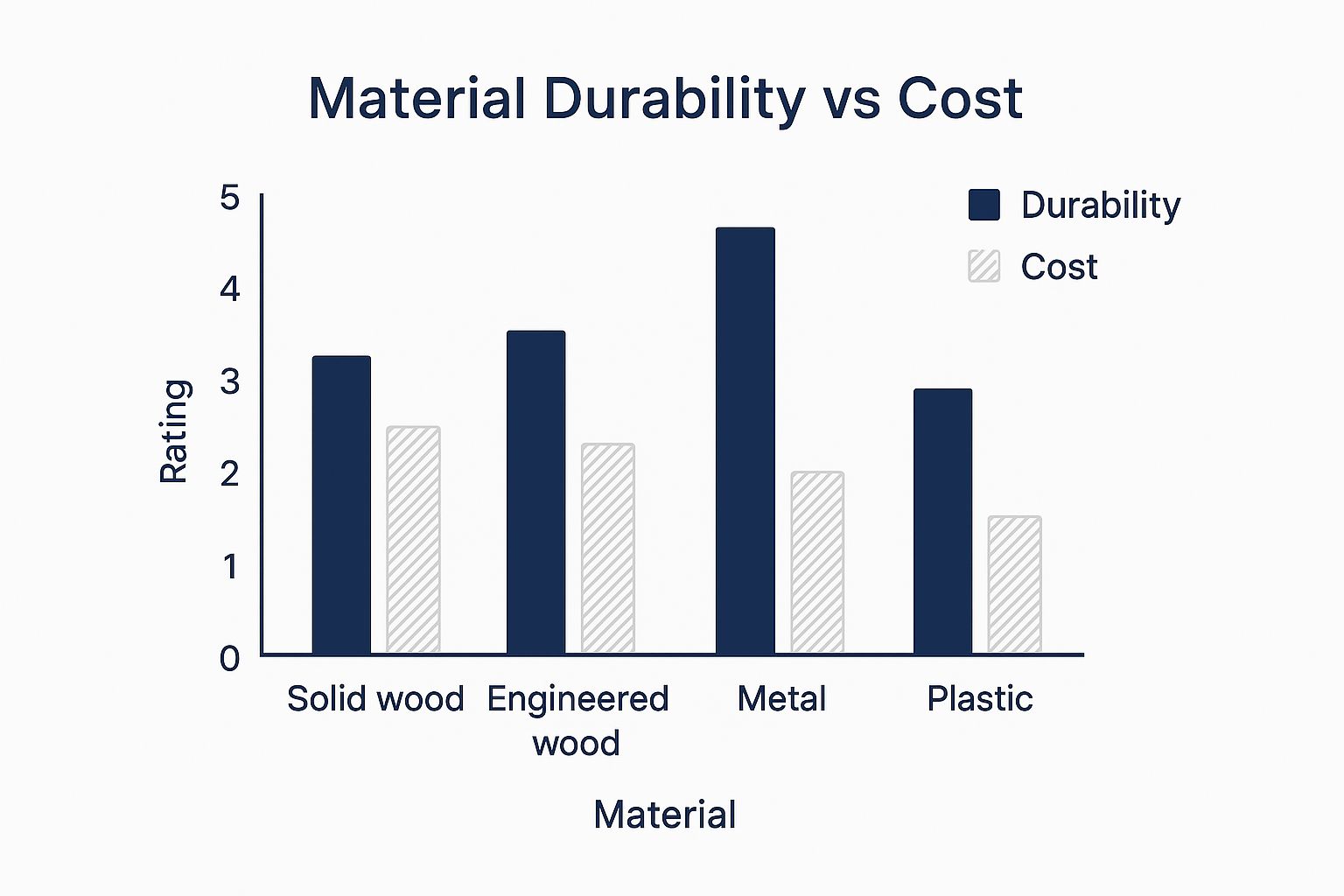
As you can see, solid wood scores highest for durability but also comes with a higher price tag. On the other end, plastic offers an affordable—though less durable—solution that’s perfect for certain situations.
To make it even clearer, let's compare the most popular materials side-by-side.
Comparing Common Craft Furniture Materials
| Material | Pros | Cons | Best For |
|---|---|---|---|
| Solid Wood | Extremely durable, repairable, timeless look, high resale value. | Heavier, more expensive, can be prone to scratches (but can be fixed!). | A long-term investment piece like a main craft table that will be used for years. |
| Engineered Wood (MDF/Plywood) | Affordable, smooth surface perfect for painting, stable and won't warp. | Susceptible to water damage, lower durability, can contain chemicals (check for low-VOC). | Budget-friendly storage units, bookshelves, or a starter desk you plan to paint. |
| Metal | Very strong and durable, sleek modern aesthetic, easy to clean. | Can be cold to the touch, may have sharp corners if not designed for kids, can rust if not treated. | Rolling carts, storage bins, and minimalist-style table legs. |
| Plastic | Lightweight, inexpensive, comes in bright colors, super easy to wipe clean. | Less durable, can stain, not as eco-friendly, can look "cheap." | A toddler's first art table, easy-to-move storage bins, or outdoor craft stations. |
Ultimately, weighing these factors will help you land on the right material that fits your family's needs, budget, and style.
Key Takeaway: There's no single "best" material. A solid pine table might be a durable centerpiece for an older child, while a lightweight plastic cart is the perfect, easy-to-clean solution for a toddler's first art corner.
No matter which material you lean toward, always make sure it’s safe for your little one. For a deeper dive into this, check out our guide on selecting non-toxic kids' furniture. By considering all these points, you can pick craft furniture that will stand up to the fun and fit right into your home.
Smart Storage That Grows with Your Artist
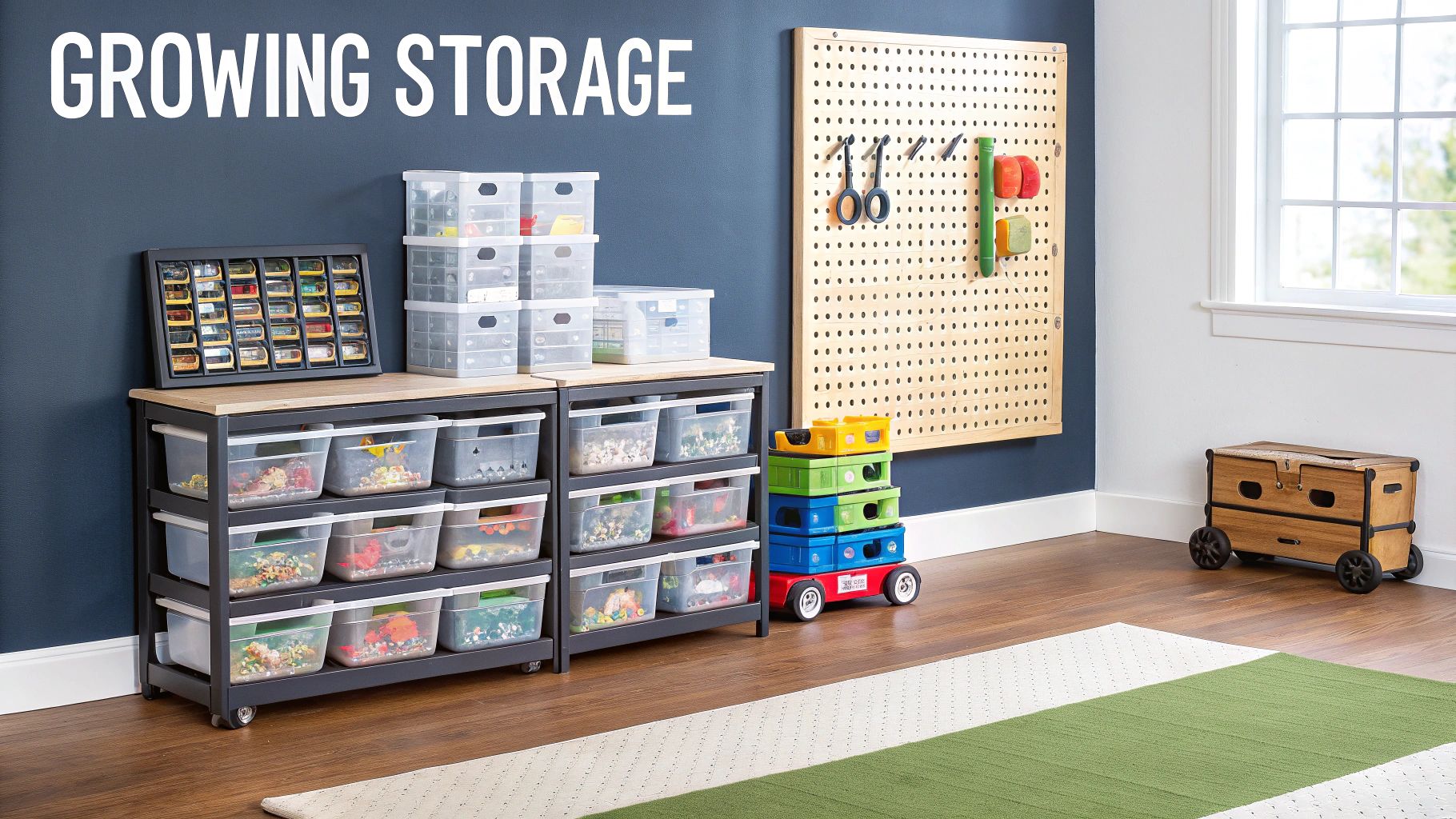
As your child’s creative side blossoms, their collection of supplies seems to multiply overnight. That little basket of chunky crayons soon explodes into a galaxy of pipe cleaners, pom-poms, and every color of glitter imaginable. Great craft furniture and storage isn't about getting bigger boxes; it's about having a smart system that lets your child take the lead.
The secret is a simple principle I call "visible but contained." Think of it like a well-organized pantry. You want your child to see all their colorful options at a glance, sparking new ideas without them having to dump every last bead onto the floor. It makes finding supplies a breeze and, more importantly, makes cleanup feel a lot less like a battle.
This shift toward dedicated creative zones at home is getting bigger. The global market for craft tables is expected to jump from around $2.5 billion in 2025 to a whopping $4 billion by 2033. It's all being driven by a new generation of DIY-loving families who need functional, inspiring spaces.
Categorizing Your Creative Tools
The best way to put the "visible but contained" idea into action is to sort your storage by how often things get used. Not every single sequin needs to be front and center.
- Mobile Carts: These are absolute game-changers for the daily essentials. Load one up with markers, kid-safe scissors, and glue sticks. Your child can roll it right up to their workspace and tuck it away when they’re done.
- Vertical Wall Storage: When you're short on floor space, look up! Pegboards or simple wall shelves are perfect for hanging buckets of paintbrushes, rolls of tape, and other go-to tools. This keeps the table clear for the actual creating.
- Cubby Systems: For the bulky stuff—construction paper, yarn, fabric scraps—you can't beat a good cubby unit. I always recommend using clear bins so kids can see what’s inside without having to pull out and dump every single one just to find the green paper.
The whole point is to create different zones for different supplies. When everything has its own home, kids naturally start learning how to stay organized and take care of their creative tools.
Investing in Adaptable Furniture
A child’s obsession can change in the blink of an eye. One week it’s all finger painting, the next it’s weaving intricate friendship bracelets. That’s why modular and adjustable furniture gives you the most bang for your buck.
Modular storage lets you add or rearrange shelves and bins as the art supply collection inevitably grows. A table with adjustable-height legs can see your child through their toddler scribbles all the way to their elementary school masterpieces. For creators who need specialized setups, collections like Mount-It!'s Creator Collection offer some brilliant, forward-thinking designs.
By choosing pieces that can adapt, your investment in quality craft furniture and storage won’t be useless after a growth spurt or a new hobby. It ensures their creative station stays useful and loved for years to come. For even more tailored ideas, check out our deep dive into art supply storage for kids.
Blending a Craft Station into Your Home Decor
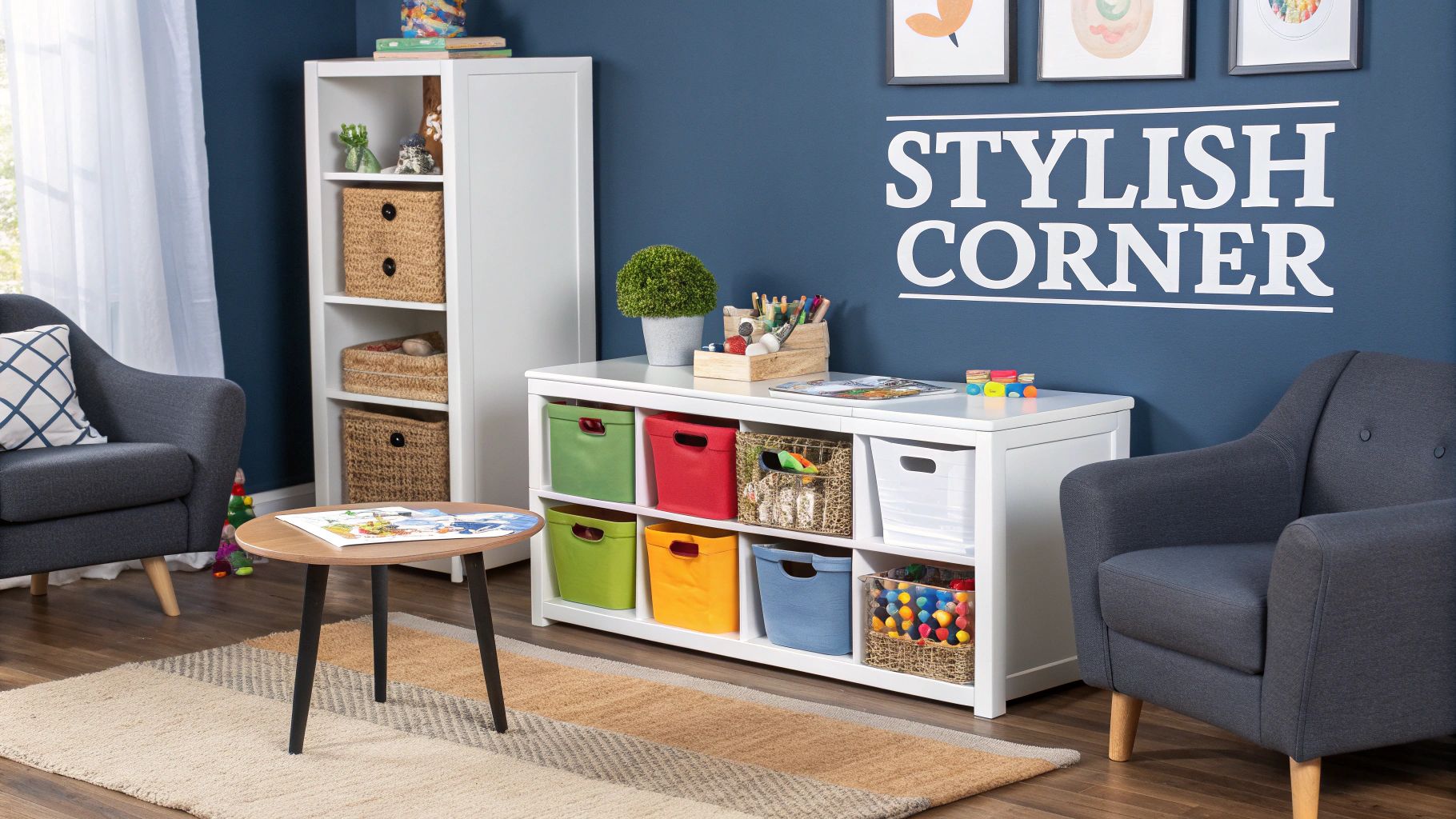
Let’s be honest, the thought of a dedicated craft zone often brings to mind a primary-colored eyesore that completely clashes with the rest of the house. But it absolutely doesn't have to be that way. With just a bit of planning, your child’s creative corner can feel like a beautiful, cohesive part of any room.
The trick is to stop thinking about it as separate "kid's furniture" and start seeing it as an extension of your existing decor. The goal is harmony, making it feel intentional whether your style is minimalist Scandinavian or warm and eclectic. This way, the space is inviting for your little one without making a parent’s eye twitch.
Weaving It In Seamlessly
The simplest path to a cohesive look? Match your materials and colors. If your living room is full of light oak and neutral fabrics, hunt for craft furniture and storage in similar woods, like birch or maple. It’s a small detail that makes the kids' area feel like it truly belongs.
Here are a few more strategies for a perfect blend:
- Complementary Colors: Pick a craft table in a color that works with your room's palette. A deep navy blue table can look incredibly chic against gray or white walls.
- Dual-Purpose Pieces: Look for furniture that can pull double duty. A handsome wooden storage bench hides the glitter and glue sticks while offering extra seating when guests are over.
- Stylish Storage: Ditch the bright plastic bins. Instead, try woven baskets, canvas totes, or even sleek metal containers that echo the finishes you already have in the room.
This whole idea of high-quality, design-forward kids' furniture is really taking off. The global market for handcrafted furniture—which includes those unique storage pieces and artisanal tables—is growing. It's all being driven by families who want unique pieces that add both character and function. You can explore more about this trend in handcrafted furniture to see how that artisanal quality is becoming more common in homes.
Make It a Focal Point, Not an Afterthought
Instead of trying to hide the craft station, why not celebrate it? A beautifully made wooden easel or a unique, handcrafted table can easily become a stunning focal point. It’s a wonderful way to showcase that your family values creativity and hands-on fun.
By selecting pieces that are as beautiful as they are functional, you're not just organizing supplies. You're curating a corner of your home that tells a story about what your family loves to do together.
Ultimately, it all comes down to choosing pieces you actually love to look at. When the craft furniture and storage is as thoughtfully selected as the rest of your decor, it doesn’t just blend in—it enhances your home's style while giving your child an inspiring place to create.
Common Questions About Craft Furniture
Picking out the right craft furniture and storage can feel like a pretty big deal, and it's totally normal to have a few questions. You're trying to set up a space that's not just safe and practical, but one your kids will actually love for years.
We've pulled together some of the most common questions we hear from parents. Here are some simple, straight-up answers to help you feel confident about building that perfect little creative nook.
What Is the Best Way to Clean Craft Furniture?
The right way to clean really comes down to the material, but the golden rule is always to act fast. For most laminated or plastic surfaces, a damp cloth and a little mild soap will usually do the trick for paint, marker, or glue spills.
If you've got a solid wood piece, try to stay away from harsh, all-purpose chemical cleaners. They can strip the finish right off. A gentle cleaner made specifically for wood is a much better bet.
The best trick in the book is prevention. Before the glitter and glue come out, throw down a washable vinyl mat or roll out some kraft paper. This one little step makes cleanup a breeze and keeps your furniture looking new.
This simple habit will save you a ton of scrubbing and help your craft table last so much longer.
How Can I Create a Craft Station in a Small Apartment?
When you’re short on floor space, you’ve got to think vertically and make every piece count. Don't let a small home squash your creative corner dreams!
- Go Vertical: Use wall-mounted shelves or a pegboard to get supplies up and off the floor. This keeps everything in sight and easy to grab without eating up precious real estate.
- Embrace Mobility: A rolling craft cart is your best friend in a small space. You can load it up with the day's supplies and just roll it into a closet or corner when art time is over.
- Demand Double Duty: Look for furniture that does more than one job. A small desk can easily pull double duty as a homework spot, and a cute storage ottoman can hide supplies while also serving as extra seating.
With a few smart moves, even the coziest apartment can have a functional, well-organized craft area.
At What Age Should I Get a Dedicated Craft Table?
You can bring in a little kid-sized table and chair set as early as 18 to 24 months. Basically, as soon as your toddler is walking confidently and seems interested in sitting down to scribble, they’re ready. For this age, you want something low to the ground and stable, with no sharp corners.
As they get into their preschool and elementary years, their projects will get bigger and messier, demanding more space. That's the perfect time to upgrade to a larger table with more built-in craft furniture and storage.
An adjustable-height table is a brilliant choice because it can literally grow with your child, seeing them through every phase from chunky crayons to detailed LEGO builds.
What Are the Most Essential Storage Items to Start With?
You really don't need a super complicated system right off the bat. Starting with a few basics will build a great foundation for an organized space that a child can actually help maintain.
- Clear, Stackable Bins: These are perfect for bigger items like construction paper, yarn, or fabric scraps. The fact that they're clear is key—kids are way more likely to use what they can actually see.
- A Divided Container: For all those tiny bits and bobs like beads, googly eyes, and buttons, a container with little compartments is a must. It keeps all those little treasures from getting lost in the shuffle.
- An Open Caddy or Cup: Keep a simple cup or caddy right on the table for the things they use every day—markers, kid-safe scissors, and glue sticks. This makes their go-to tools easy to grab.
This simple three-part setup keeps things tidy and makes it easy for your child to find what they need (and maybe even put it back).
At Ocodile, we believe in creating spaces where children can safely explore their independence and creativity. Our thoughtfully designed furniture is built to support your child's growth while blending beautifully into your home.
Discover our collection of safe, practical, and stylish children's furniture at https://ocodile.com.