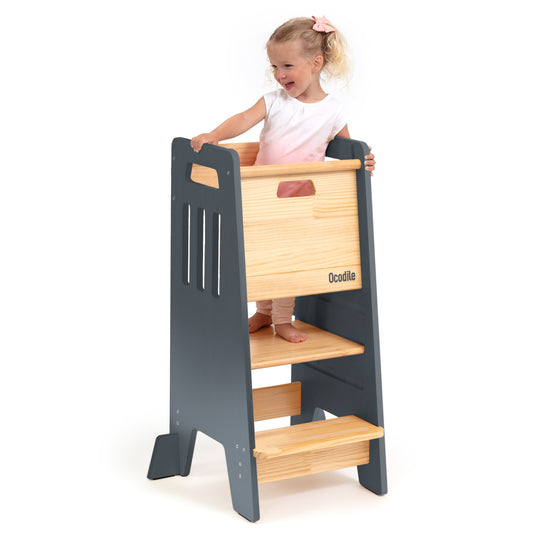


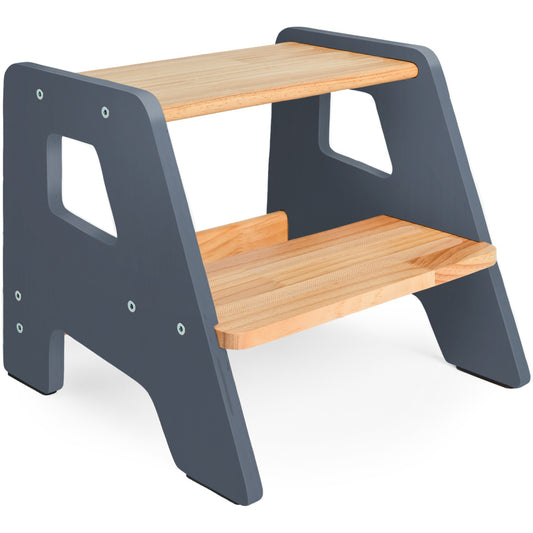


Your Ultimate Guide to the Montessori Floor Bed Frame
A Montessori floor bed frame is so much more than a piece of furniture. Think of it as your child's first step toward independence, a tool designed to give them the freedom to get in and out of bed all on their own. This simple, low-to-the-ground design moves away from the confinement of a traditional crib, empowering your little one from a very early age.
What Exactly Is a Montessori Floor Bed Frame?
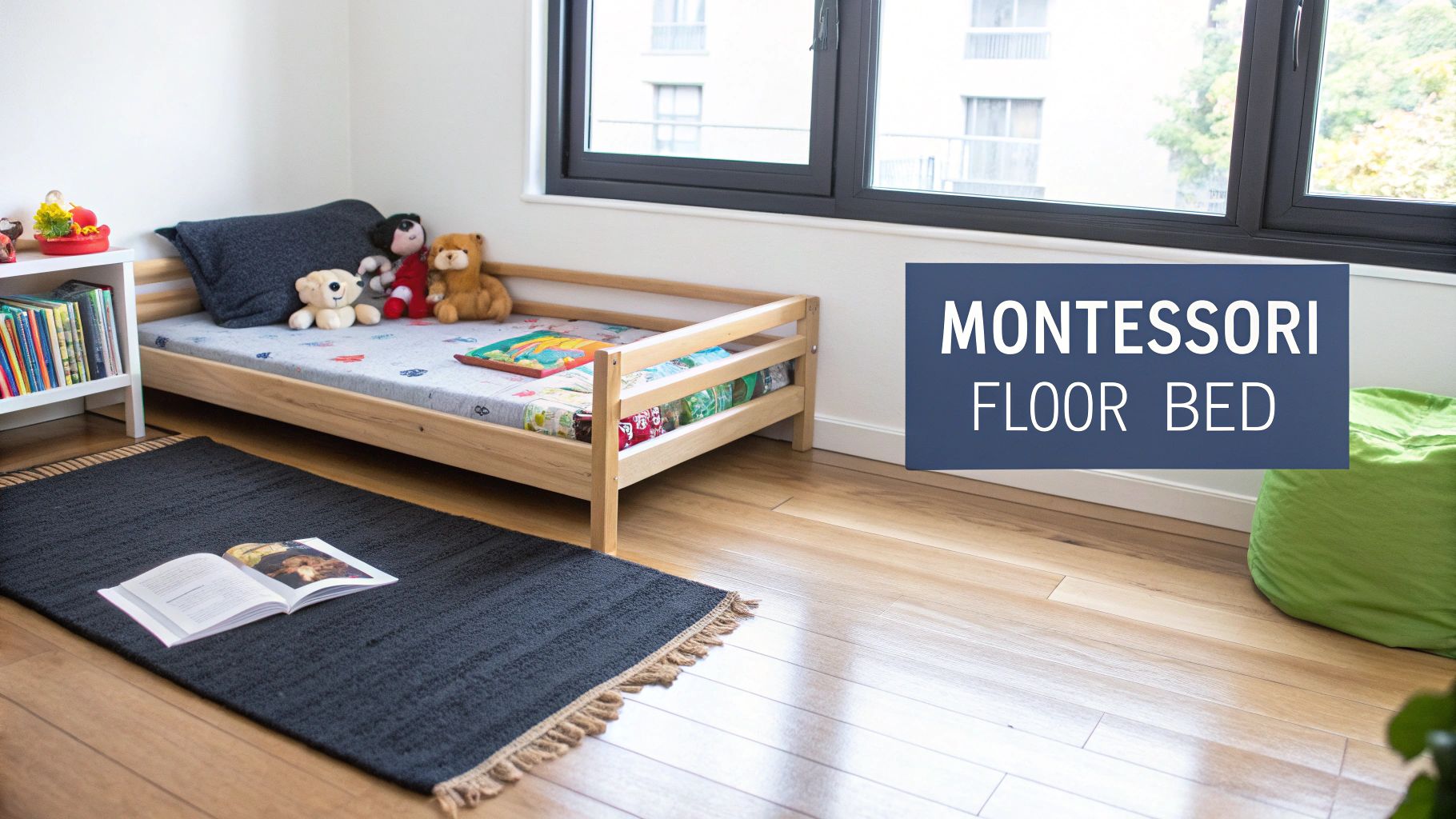
At its heart, a Montessori floor bed frame is built on a core principle of child development: respecting a child’s growing autonomy. Unlike a crib that contains a child with high rails, a floor bed gives them control over their own little sleep haven. It’s not just a bed; it’s their first taste of making their own choices.
The Core Philosophy: Freedom of Movement
The idea is straightforward but incredibly powerful. When a child can climb into their bed when they feel tired and get out when they wake up, they learn to listen to their body's own cues. This simple act builds self-reliance and a healthy dose of confidence.
Picture your toddler waking up from a nap. Instead of crying for you to lift them out of a crib, they can quietly slide out of bed and pick up a book or a toy from a low shelf. This freedom cultivates a sense of competence and ownership over their environment. You can dive deeper into the ideas that guide this approach by exploring the Montessori method of teaching.
A Montessori floor bed isn't about letting a child run wild; it's about creating a safe, prepared environment where they can make independent choices. It shifts the bedroom from a place of confinement to a space for gentle exploration and self-discovery.
Floor Bed vs. Traditional Crib: A Quick Comparison
While both a floor bed and a crib give your child a place to sleep, their impact on development is worlds apart. The switch from a crib to a Montessori floor bed frame is a pretty big milestone for many families. And while floor beds are all about independence for little ones, it's interesting that the practice of sleeping on the floor itself is something adults explore for different reasons, like posture.
Here’s a simple breakdown of how they stack up:
| Feature | Montessori Floor Bed | Traditional Crib |
|---|---|---|
| Independence | Encourages a child's autonomy and freedom of movement. | Contains the child, requiring adult help to get in and out. |
| Safety | Minimizes fall risk with its low height; requires a child-proofed room. | Prevents falls from a height but can become a climbing hazard later. |
| Longevity | Can be used from infancy right through the toddler years and beyond. | Has a limited lifespan, usually until the child can climb out. |
| Perspective | Lets the child see and interact with their room from their own level. | Provides a restricted, top-down view of the room. |
Exploring the Developmental Benefits for Your Child
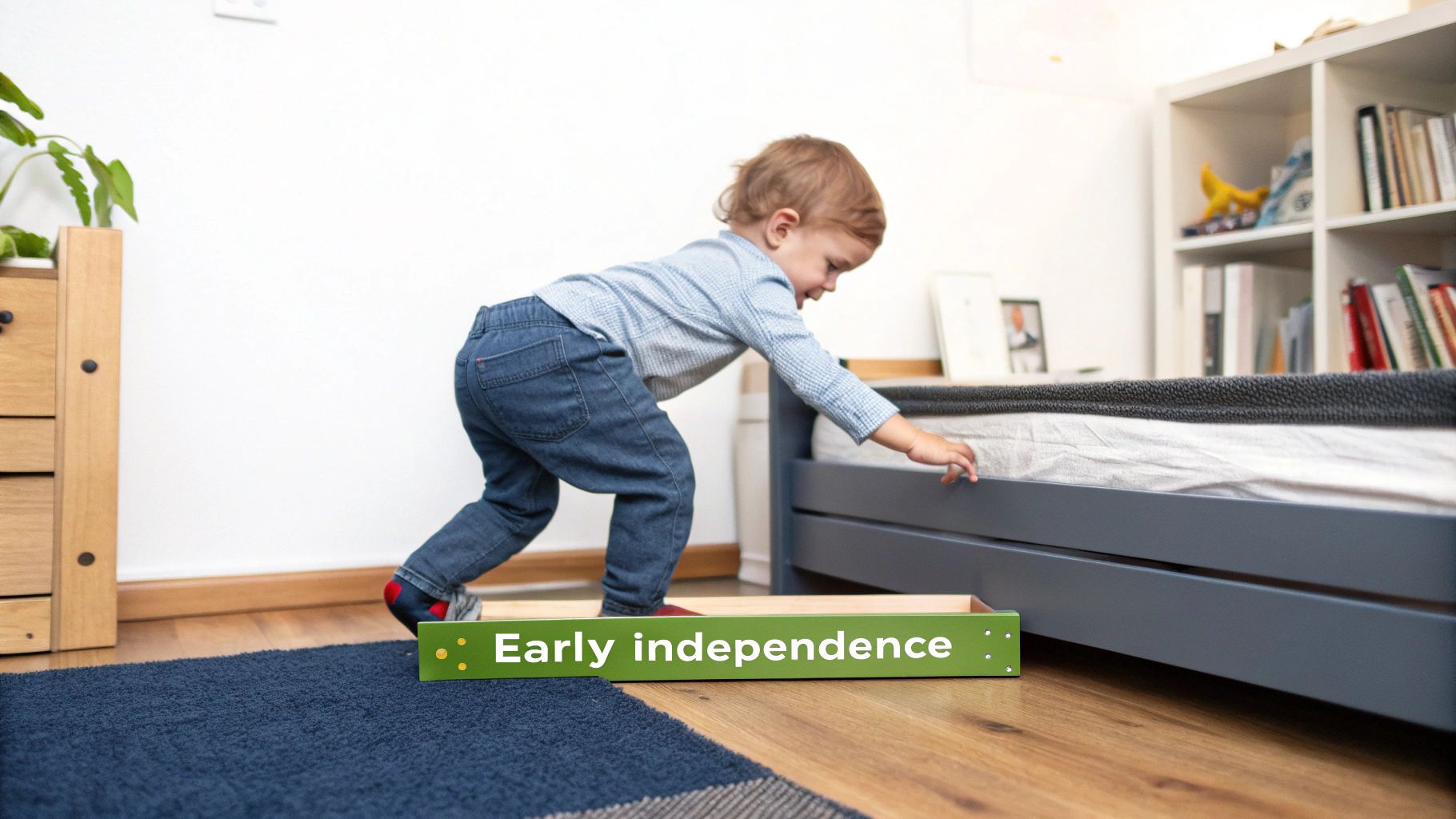
A Montessori floor bed frame might look simple, but it’s a powerhouse for your child's growth. It’s not just a place to sleep; it’s a tool that weaves developmental principles right into their bedroom, supporting their journey toward becoming a capable and confident little person.
Think about a traditional crib. It’s essentially a playpen for sleeping—it contains and restricts. A floor bed does the opposite. It’s an open invitation that empowers your child to make one of their very first significant choices of the day: when to get in and out of bed. This small shift can have a huge ripple effect.
Fostering Independence and Self-Discipline
The most immediate benefit you’ll notice is a surge in independence. When a toddler wakes up, they aren't trapped behind bars crying for help. They can simply slide out of bed. Maybe they’ll quietly look at a board book or pick up a soft toy, learning to manage their own wake-up routine.
This freedom builds an incredible sense of self-discipline. A child starts to listen to their body’s cues for rest and play. It’s not about letting them run wild; it’s about giving them a safe, prepared space where they can practice making their own thoughtful decisions. Over time, this builds a deep respect for their own needs and personal space.
A Montessori floor bed frame changes the whole story of bedtime. It goes from a moment of confinement to an act of self-care. Your child learns to see their bed as their own peaceful sanctuary, a place they can choose to go when they feel tired.
This growing independence is a big reason so many families are making the switch. Market analyses show a rising demand for products that support child-centered philosophies. The trend is especially clear with younger parents who are looking for items that foster safe mobility and self-reliance. You'll often see online searches for "Montessori toddler bed" peak in late summer as families prep their homes for a new season of growth. You can discover more about this trend and consumer behavior on Accio.com.
Enhancing Body Awareness and Motor Skills
Physical development gets a huge boost, too. Getting in and out of a floor bed requires a child to use their body in very intentional ways. They learn to crawl or slide, building gross motor skills, coordination, and spatial awareness with every single movement.
Just picture the physical journey:
- Crawling In: They have to coordinate their arms and legs to climb onto the mattress.
- Sliding Out: They learn to safely maneuver their body backward, feet-first, to get off the bed.
- Navigating the Room: They practice moving from a low height, giving them a whole new perspective and sense of control over their environment.
This process is a gentle, daily physical challenge that strengthens their body and builds their confidence. They aren't just being passively placed in a container; they're actively engaging with their own furniture. This hands-on interaction is key for developing a strong sense of proprioception—the body's amazing ability to sense its own position in space.
Building Confidence and a Sense of Ownership
At the end of the day, all these benefits circle back to one thing: building a confident, self-assured child. When we trust children to manage their own sleep space, it sends a powerful message: "You are capable." That trust is the very bedrock of self-esteem.
A Montessori floor bed frame helps a child see their room as their space, not just a room they happen to live in. It becomes a place they can control and take pride in. This sense of ownership is so important for their emotional development, encouraging them to care for their surroundings and feel secure in their own home.
The simple act of being able to grab a book when they wake up or cuddle a stuffed animal without needing an adult’s help is incredibly empowering. It validates their feelings and choices, helping them grow into resilient, independent thinkers who are comfortable in their own skin—and in their own space.
How to Choose the Right Montessori Floor Bed Frame
Picking out the perfect Montessori floor bed frame can feel like a huge decision, but it doesn't have to be overwhelming. I like to think of it like choosing the right car seat—what matters most is safety, the materials it's made from, and how it will serve your family long-term. Let's walk through everything you need to know to find a frame that’s safe, sturdy, and a beautiful fit for your child's room.
This isn't just a niche trend anymore; it's a major shift in how parents think about children's furniture. The global market for Montessori floor beds is growing fast, with projections suggesting it could hit over $1.5 billion by 2033. This boom is all thanks to parents like you who are embracing Montessori ideas and looking for furniture that genuinely supports a child's independence.
Frame Materials: What’s Best for Your Little One?
The material of the bed frame is the foundation of its safety, durability, and even its style. Most frames you'll find are made from either solid wood or engineered wood, and each comes with its own set of pros and cons.
-
Solid Wood (like Pine, Beech, or Maple): This is the premium choice, known for its sheer strength and longevity. A solid wood frame is sturdy enough to handle years of use—and yes, probably a little bit of jumping. When looking at solid wood, make sure it has a non-toxic, low-VOC (Volatile Organic Compound) finish to keep your child's room a healthy, safe space.
-
Engineered Wood (like MDF or Plywood): Often a more budget-friendly option, engineered wood gives you a smooth, uniform look. If you go this route, it's absolutely critical to check that it's high-quality and, most importantly, certified as low-emission (look for CARB Phase 2 compliance) to avoid harmful chemical off-gassing.
A quick table can help you weigh the options at a glance:
Comparing Montessori Floor Bed Frame Materials
| Material | Durability | Safety (Potential for VOCs) | Typical Cost | Aesthetic |
|---|---|---|---|---|
| Solid Wood | Excellent; highly durable and long-lasting. | Low risk with natural, non-toxic finishes. | Higher | Natural grain, warm, timeless look. |
| Plywood | Very good; strong and resistant to warping. | Low to moderate; check for low-VOC adhesives. | Moderate | Can be finished to look like solid wood. |
| MDF | Fair; can be prone to dents and water damage. | High risk unless certified low-emission (e.g., CARB Phase 2). | Lower | Smooth, uniform, easy to paint. |
| Bamboo | Excellent; very strong, sustainable, and lightweight. | Very low risk; naturally eco-friendly. | Moderate to High | Modern, light, and natural. |
Ultimately, while solid wood is often the gold standard for durability, a high-quality engineered wood can be a perfectly safe choice. The non-negotiable part is the finish—always prioritize frames with certified non-toxic coatings. At Ocodile, we only use premium, sustainably sourced wood to ensure every frame we make is as sturdy as it is safe.
Picking a Design That Sparks Joy
Beyond the materials, the design of a Montessori floor bed frame really sets the tone for the entire room. You can go simple and functional or lean into something more whimsical and fun. There's truly a style for every family.
The most common designs you’ll see are:
- Simple Platform Frame: This is the minimalist's dream. It’s just a low platform with slats to support the mattress and allow for airflow. It’s clean, functional, and keeps the focus right where it should be: on your child's freedom of movement.
- House Frame: This is a wildly popular choice for a reason! The house shape adds such a playful, imaginative touch to the room. It creates a cozy, den-like feeling that kids absolutely adore, and it’s perfect for decorating with fairy lights or a canopy as they get older.
- Frame with Short Rails: Some designs come with very low guardrails or "fences." These aren't there to contain a child like a crib does, but rather to offer a gentle boundary that helps them feel secure and clearly defines their sleeping space.
Making the switch to a floor bed is a big milestone. If you need some extra guidance, this is a great guide on how to transition from crib to bed that can help make the process smoother.
Getting the Size Just Right
Choosing the right size really comes down to three things: your child's age, the size of their room, and how long you want the bed to last.
-
Crib/Toddler Size: This option uses a standard crib mattress, which is perfect for smaller rooms. It’s also a great first step for toddlers just moving out of a crib, as the familiar mattress size can make the change feel less dramatic.
-
Twin Size: This is the most popular and versatile choice by far. A twin frame gives a growing child plenty of space and can easily last well into their elementary school years. Plus, there’s enough room for you to snuggle up for bedtime stories.
-
Full Size: If you have the space, a full-sized frame is a luxurious option that will comfortably last all the way through the teen years.
Before you lock in your frame choice, it’s a good idea to think about the mattress that will go with it. Head over to our guide on choosing the best mattress for a floor bed to make sure you get the perfect supportive and safe foundation.
Creating a Safe and Inviting Montessori Bedroom
Making the switch to a montessori floor bed frame is about so much more than just the bed. It’s about rethinking the entire bedroom and turning it into one big, safe space for sleeping and exploring. When your little one can get in and out of bed on their own, the whole room needs to be ready for their adventures, whether it's bright and early or the middle of the night.
This means you’ll need to shift your focus from "crib safety" to "room safety." Every single corner of the room has to be as secure as a traditional crib, creating a true little haven where your child can move around freely and you don't have to worry. The goal is to build an environment that nurtures their growing independence without ever compromising their well-being.
Your Essential Child-Proofing Checklist
A truly safe Montessori bedroom isn’t just about plugging a few electrical outlets. You have to get down on their level—literally. Crouch down and see the world from your child’s perspective. What looks interesting enough to touch, pull on, or even try to climb?
This simple change in viewpoint will help you catch potential hazards you might otherwise miss.
- Secure Heavy Furniture: This one's non-negotiable. Anchor all dressers, bookshelves, and toy chests securely to the wall. Toddlers are natural climbers, and this step prevents dangerous tip-over accidents.
- Manage All Cords: Tuck away every electrical cord. More importantly, make sure any blind cords are completely out of reach, as they pose a serious strangulation risk.
- Remove Choking Hazards: Scan the room for small toys, loose change, or anything tiny enough to be a choking hazard. Keep these items out of reach or tucked away in secure containers.
- Soften the Landing: A soft, low-pile rug placed right next to the bed can provide a gentle landing spot, just in case your little one rolls off the mattress in their sleep.
For an even deeper dive into creating a secure space, check out our comprehensive guide to Montessori floor bed safety. It’s packed with extra tips to give you complete peace of mind.
Strategic Bed Placement and Room Layout
Where you put the montessori floor bed frame matters just as much as the frame itself. The right spot can make the room feel cozier and more secure for your child while also keeping them physically safe.
Think of the bed as the heart of the room. Arrange everything else around it to create a calm, intuitive flow that makes sense for a little person.
Key Takeaway: Always position the bed away from windows, radiators, and heating vents. It should also be clear of any hanging wall decor or shelves that could potentially fall. A great spot is often against a clear interior wall where your child has a view of the room's entrance, which can provide a sense of security.
This simple infographic breaks down the key decisions you'll make when picking out the perfect bed, focusing on size, material, and safety.

As the visual guide shows, safety features like non-toxic finishes and sturdy construction are just as critical as the bed's dimensions and what it's made of.
Choosing the Right Mattress for Safety
The mattress is a crucial piece of the safe floor bed puzzle. To follow safe sleep guidelines, especially for babies and young toddlers, the mattress needs to be firm, flat, and breathable. A mattress that’s too soft or sags could pose a suffocation risk.
Look for a mattress that's on the thinner side—usually between 4 to 6 inches thick. This keeps the sleeping surface super low to the ground, minimizing the chance of any bumps from rolling off, while still being perfectly comfortable.
Finally, make sure the mattress fits snugly inside the montessori floor bed frame. There should be no gaps along the sides where a small child could get trapped. If you’re putting the mattress directly on the floor or a platform, you also need to ensure there’s good ventilation underneath to prevent mildew. A good habit is to lift the mattress to air it out every so often to keep the sleep environment healthy and fresh.
Styling and Maintaining Your Floor Bed
A Montessori floor bed frame is so much more than a place to sleep. It’s the heart of your child’s room, their own little sanctuary. Getting the styling right can make their space feel magical and inviting, while a little bit of maintenance keeps it a safe, healthy spot for years to come. The real goal is to create a room that’s inspiring for them but still easy for you to care for.
This idea of creating nurturing spaces for kids is catching on everywhere. While North America currently leads the way—making up over 38% of the market thanks to high spending on quality children's furniture—the Asia-Pacific region is catching up fast. It’s a clear sign of a global shift toward child-centered design. You can learn more about the global dynamics of the toddler bed market and see the trends for yourself.
Creative Styling Ideas
Styling a floor bed is all about creating a space that feels cozy, accessible, and full of imagination. You want to decorate from your child’s perspective, making it personal and engaging for them.
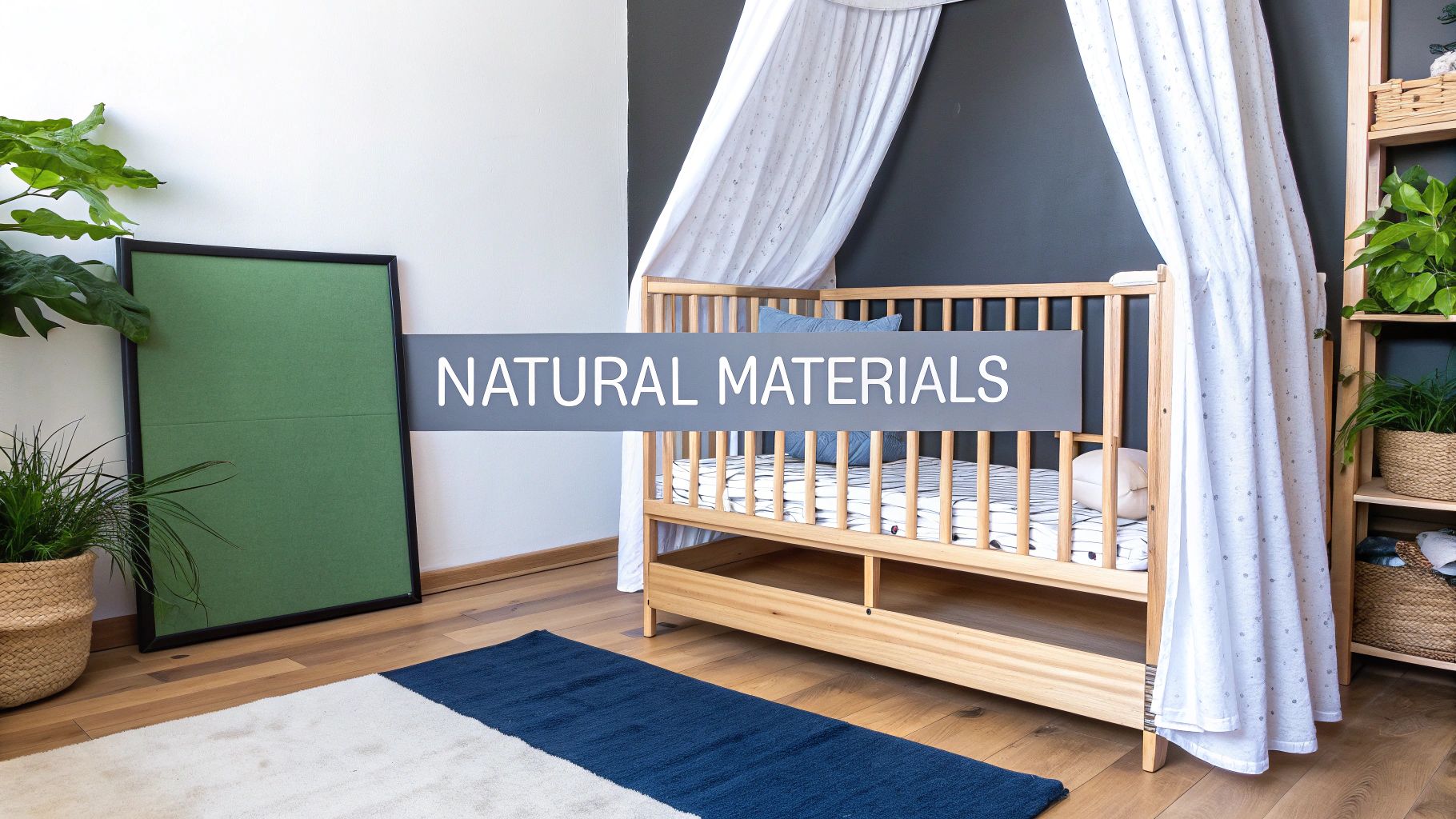
- Embrace Natural Materials: If you have a wooden frame, lean into that vibe with decor made from natural fibers like cotton, wool, or linen. These textures create a calm, sensory-rich environment that’s right in line with Montessori thinking.
- Add a Whimsical Canopy: For a house-style frame, a light, breathable fabric canopy can turn the bed into a magical little den. It helps define their sleeping space without closing them in, making their bed feel like a special retreat.
- Use Safe, Soft Lighting: Battery-operated fairy lights can add a gentle, enchanting glow (just make sure the battery pack is secured and out of reach). Always check that cords are tucked away and the lights don't get hot.
The best styling choices are the ones that empower your child. Think about adding a low-hanging, shatterproof mirror, an accessible spot to display their artwork, and soft baskets for their favorite bedtime books and toys.
Your Practical Maintenance Guide
Keeping the Montessori floor bed frame and mattress in great shape is key for your child’s health and the bed’s longevity. A simple routine is all it takes to prevent common issues and keep their sleep area fresh and clean.
Caring for the Wooden Frame
Looking after a wooden frame is straightforward. A quick dusting with a soft, dry cloth each week will keep it looking great. For sticky messes, a cloth dampened with a bit of water and mild, non-toxic soap does the trick. Just be sure to wipe it completely dry right away to protect the wood’s finish. It’s best to avoid harsh chemical cleaners that can damage the wood and bring unwanted fumes into the room.
Preventing Mildew Under the Mattress
Because floor beds are so close to the ground, good airflow is absolutely essential to prevent moisture from getting trapped, which can lead to mildew.
- Choose a Slatted Frame: This is non-negotiable. The best Montessori floor bed frame designs have wooden slats that allow air to circulate freely underneath the mattress.
- Air It Out Regularly: Once a week, prop the mattress up against the wall for a few hours. This simple step lets any trapped moisture evaporate, keeping the mattress fresh.
- Use a Breathable Mattress Protector: A waterproof but breathable protector is a great investment. It shields the mattress from accidents while still letting air pass through, giving you an extra layer of protection against moisture.
Your Top Questions About Montessori Floor Beds
Deciding to move on from a familiar crib can bring up a lot of questions, and that's completely normal. Making the switch to a montessori floor bed frame is a big step, so it’s smart to think through all the “what-ifs.” We’ve put together the most common concerns we hear from parents and answered them in a clear, practical way to help you feel confident about your choice.
What Is the Right Age to Start Using a Floor Bed?
There’s no magic number here—it all comes down to your child's readiness and what feels right for your family. Some parents put a firm mattress right on the floor for their newborns, while others wait until their little one is crawling or walking confidently, usually somewhere between 6 to 12 months old.
The biggest factor is mobility. Once your child can move around on their own, they can start to enjoy the freedom of their bed safely. Keep an eye out for these developmental milestones:
- Confident Crawling: Your child can get on and off a low surface without any trouble.
- Pulling Up to Stand: This shows they have good body control and awareness.
- Outgrowing the Bassinet: They just plain need more room to wiggle and stretch while they sleep.
Ultimately, the transition is smoothest when the entire room is 100% child-proofed. This turns their bedroom into a safe "yes space," where their new independence is something to celebrate, not a source of worry for you.
How Do I Handle My Child Playing Instead of Sleeping?
This is probably the number one worry for parents, and for good reason. For the first few nights, your toddler might test out their new freedom by getting out of bed, grabbing a toy, or wandering over to the door. The key is to see this for what it is: exploration, not defiance. They're just learning the boundaries of their new setup.
Patience and consistency are your best friends during this phase. When your child gets out of bed, calmly and quietly guide them back. Try not to make a big deal out of it or turn it into a fun game. A simple, gentle return to bed sends a clear, loving message that it’s time to rest.
This adjustment period is a totally normal part of the process. Your child is learning self-regulation, a huge skill that takes time to master. A predictable and calming bedtime routine is more important than ever to signal that the day is winding down and their room is now a space for quiet and sleep.
Are Montessori Floor Beds Actually Safe?
Yes, a montessori floor bed frame can be just as safe as a traditional crib—and in some ways, even safer—but only if you set it up correctly. The biggest safety win is its low height, which practically eliminates the risk of injury from a fall. A toddler trying to climb out of a high-sided crib is a much scarier scenario.
That said, the safety of a floor bed is all about the environment around it. The room itself essentially becomes the crib.
To make sure your setup is completely safe, follow these non-negotiable rules:
- Eliminate Gaps: The mattress needs to fit snugly inside the frame. If the bed isn't against a wall, make sure there's enough space to avoid any risk of entrapment.
- Child-Proof the Entire Room: Anchor all heavy furniture to the walls, cover every single outlet, and make sure there are no dangling cords or choking hazards in reach.
- Use a Firm Mattress: A firm, breathable mattress is a must to reduce the risk of suffocation, in line with all safe sleep guidelines for babies.
- Keep the Bed Clear: For any child under one, the sleep space should be completely empty. That means no pillows, no loose blankets, and no bumpers. A sleep sack is a much safer way to keep them warm.
Will My Child Be Cold So Close to the Floor?
This is a really practical concern, but in most modern, well-insulated homes, the temperature difference between the floor and the rest of the room is tiny. If you’re curious, you can always place a room thermometer on the floor for a night to see for yourself.
If you live in an older, draftier house or you're still worried, there are some simple things you can do to make sure your child stays cozy all night long.
Here are a few easy ways to add warmth:
- Use an Area Rug: Placing a soft, low-pile rug under and around the montessori floor bed frame adds a great layer of insulation and comfort.
- Check for Drafts: Feel around windows and doors for any cool air sneaking in and use draft stoppers if you find any.
- Dress Them for Success: A warm sleep sack or footed pajamas are the way to go. It's the safest way to keep a baby or toddler warm without the risks of using loose blankets.
By focusing on the right sleepwear and doing a little room prep, you can make sure your child is perfectly comfortable while they enjoy the freedom and independence of their new bed.
Ready to create a space that nurtures your child's independence and confidence? Explore the thoughtfully designed and safety-certified furniture at Ocodile. Our floor beds are crafted to support your child's development every step of the way. Discover the perfect Montessori floor bed frame for your family at Ocodile.