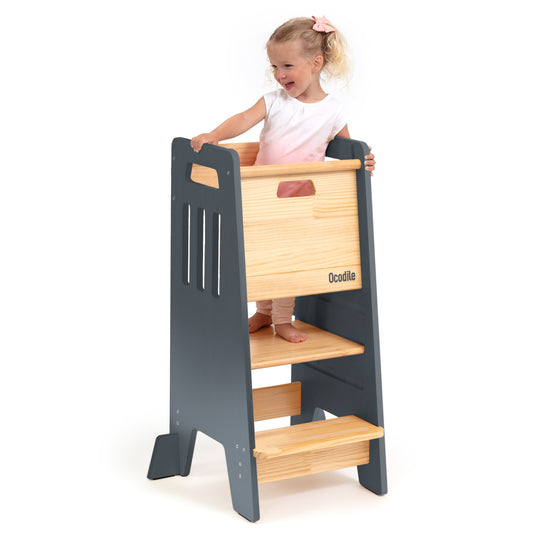


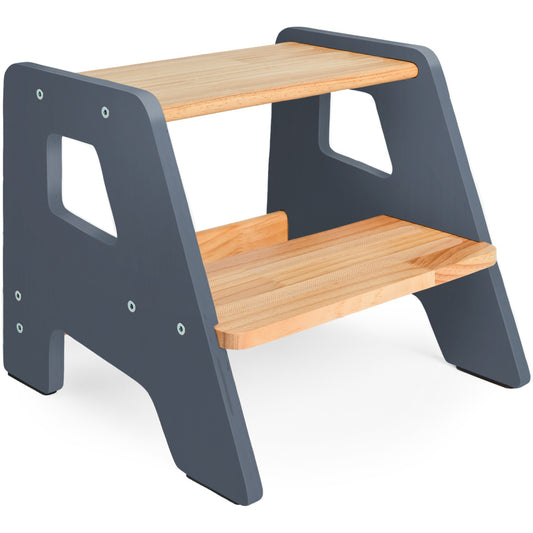


Montessori Style Floor Bed A Guide to Fostering Independence
So, what exactly is a Montessori style floor bed? Simply put, it's a bed frame or mattress placed very low to the ground, making it easy for a child to get in and out on their own. It’s a core piece of a child-focused bedroom, designed to build autonomy, respect, and freedom of movement from a surprisingly young age.
What Is a Montessori Style Floor Bed
Try to see the world from your child’s perspective for a moment. A traditional crib, with its tall bars, can feel a bit like a cage—a place they are put into and taken out of by a grown-up. A Montessori style floor bed, on the other hand, is their own personal home base for adventure. It's less a piece of furniture and more a tool that empowers them.

This entire approach comes from the philosophy of Dr. Maria Montessori, who believed in honoring a child’s natural drive to be independent. The main idea is simple but powerful: when we give children control over their own sleep space, we're showing them we trust them and respect their growing abilities. If you want to dive deeper, you can explore more about this in our guide on the Montessori method of teaching.
Freedom Within Safe Boundaries
Think about the difference between a house with lots of small, closed-off rooms and one with a thoughtfully designed open-plan layout. The floor bed brings that "open-plan" feeling to sleep. When a child wakes up, they aren’t trapped. They can choose to get up and safely explore their room, look at a book, or play with a quiet toy.
Of course, this freedom doesn’t mean it’s a free-for-all. It just shifts the boundaries from the bed to the room itself. The whole room has to be completely childproofed to become a safe "yes space." This simple change helps nurture some huge developmental skills:
- Autonomy: Kids learn to listen to their own bodies, going to bed when they feel tired and getting up when they're truly rested.
- Confidence: Navigating their own space safely builds incredible self-esteem and body awareness.
- Decision-Making: They get to make their very first choices about when to rest and when to play.
A Montessori floor bed is not just about sleep; it’s about acknowledging the child as a capable individual who is an active participant in their own life, right from the beginning.
It's a philosophy that's really catching on. Recently, the toddler floor bed market hit a value of $1.2 billion and is expected to climb to $2.7 billion by 2033. That’s a pretty clear sign of its growing appeal among parents who are looking for a different approach.
Crib vs Montessori Floor Bed At a Glance
So, how does a floor bed really stack up against a traditional crib? Sometimes seeing the core differences side-by-side makes it all click.
| Feature | Traditional Crib | Montessori Style Floor Bed |
|---|---|---|
| Philosophy | A separate, contained space for sleep, managed by the parent. | An accessible part of the child's environment, managed by the child. |
| Movement | Restricts movement; child cannot get out without help. | Encourages freedom of movement and independence. |
| Autonomy | Parent decides when the child goes to bed and gets up. | Child learns to recognize their own sleep cues and can get up when rested. |
| Safety Focus | Containment within the crib's rails. | Childproofing the entire room to create a safe, explorable space. |
| Transition | Often requires a challenging transition to a "big kid" bed later on. | No distinct transition needed; the bed grows with the child. |
| Parental Role | Places child into and lifts child out of the sleep space. | Guides the child to their sleep space, fostering self-reliance. |
While a crib is a perfectly safe and conventional choice, the floor bed offers a fundamentally different way to think about your child’s relationship with sleep, their room, and their own growing independence.
The Developmental Benefits of a Floor Bed
A Montessori-style floor bed is so much more than just a place to sleep; it’s an active tool in your child’s development. By giving them free, unrestricted access to their own bed, you’re empowering them to build crucial life skills from the very beginning. It's a simple change that nurtures their growth in ways a traditional crib just can't.
One of the first things you'll notice is a boost in their body awareness and gross motor skills. A toddler learning to crawl or walk can practice getting in and out of bed on their own terms. Every little movement—scooting backward off the mattress or pulling themselves up onto it—is a small victory that builds physical confidence and coordination. They're learning the boundaries of their own body in a safe, repeatable way.
Fostering Autonomy and Self-Reliance
This freedom is a game-changer for developing decision-making skills. When a child can leave their bed after waking up, they get to make their first independent choices of the day. Instead of crying for a parent to come get them, they might crawl over to a basket of soft toys or sit and look at a board book.
This setup deeply respects their natural rhythms. A child who learns to listen to their body’s cues for rest is developing a profound sense of self-regulation. They aren't just being put to bed; they are actively participating in their own need for sleep. This builds a strong foundation for encouraging independence in toddlers in all areas of their life.
A floor bed sends a powerful message to a child: "We trust you to understand your own body and to navigate your world safely." This trust is the cornerstone of self-confidence.
For parents, the practical wins are huge. The nightly struggle of transferring a sleeping baby from your arms into a deep crib without waking them? Gone. Instead, you can lie down with your child until they are drowsy or asleep and then quietly slip away, creating a more peaceful and connected bedtime routine.
The research backs this up, too. Data shows that 85% of parents report satisfaction after switching to a floor bed, often linking it to 20-30% better sleep patterns compared to cribs. For families using these beds, nurseries become zones for independent adventure, with parents reporting a 40% reduction in nighttime interventions as children master their own routines. You can learn more about these Montessori bed market findings on ArchiveMarketResearch.com.
Building Confidence Through Respect
Ultimately, these developmental benefits compound over time. A child who feels respected and capable in their own room carries that confidence out into the wider world. The floor bed is one of the first and most consistent ways you can demonstrate your belief in their abilities.
Here’s a quick summary of the key developmental gains:
- Enhanced Motor Skills: Children master climbing on and off the bed, which improves their coordination.
- Improved Self-Regulation: They learn to recognize and act on their own sleep cues.
- Early Decision-Making: Choosing between rest and quiet play fosters genuine independence.
- Increased Self-Confidence: The trust you show them builds a strong sense of capability and self-worth.
How to Create a Safe Floor Bed Environment
Switching to a Montessori-style floor bed is a mindset shift. Instead of focusing on the four walls of a crib, your safety perimeter expands to the four walls of the entire room. Giving your child this incredible freedom means you have to create a space where their curiosity is met with total safety.
Essentially, the room itself becomes the new crib—a complete "yes-space" where they can explore without you having to worry.
This means it's time to get down on your hands and knees to see the world from their perspective. Are there any loose cords they could get tangled in? Is that bookshelf properly secured to the wall? What about that tempting electrical outlet? Every potential hazard has to be handled before their first night in the new bed. This isn't just about ticking boxes on a childproofing list; it's about building a foundation of trust where their independence can safely blossom.
Your Room Safety Checklist
To make things simple, here’s a straightforward checklist. The goal is to build a little sleep sanctuary where both of you can rest easy, knowing the room is fully prepped for their newfound freedom.
- Anchor All Furniture: This is non-negotiable. Dressers, bookshelves, and any other heavy items must be securely anchored to the wall to prevent them from tipping over.
- Cover Electrical Outlets: Use safety plugs or sliding covers on every single outlet they can reach.
- Manage Cords and Wires: Tie up and hide all cords from blinds, lamps, and electronics. Make sure there are no dangling temptations.
- Remove Small Objects: Scan the room for anything that could be a choking hazard. This includes tiny toys, stray décor, or anything that might fall off a shelf.
- Clear the Floor: The area immediately around the bed should be soft and clear. A plush, low-pile rug is a great idea, but steer clear of leaving pillows or thick blankets on the floor.
This process of creating a safe space directly fuels their developmental journey from awareness to genuine confidence.

As you can see, a secure environment allows a child to safely test their physical limits (Awareness), begin making their own small choices (Decision), and ultimately build that wonderful self-assurance we all want for them (Confidence).
The Bed Itself Matters
Beyond childproofing the room, the actual bed setup is just as critical. The mattress you choose and where you place it are huge pieces of the safety puzzle.
First off, always go with a firm mattress that’s designed for an infant or toddler, as soft surfaces can pose a suffocation risk. If you’re using a frame, make sure the mattress fits perfectly snug inside it. For a much deeper dive into all the details, Ocodile has a complete guide on https://ocodile.com/blogs/the-little-space/montessori-floor-bed-safety.
Next up is placement. To avoid any risk of entrapment, you shouldn't just push the mattress up against a wall. The safest bet is to leave a clear space on all sides or make sure it sits perfectly flush inside a well-designed, low-profile frame. Finally, keep the bed itself simple—a tight-fitting sheet is all you need. For children under two, you'll want to avoid pillows, bumpers, and loose blankets entirely.
Creating a safe sleep space is the ultimate expression of respect for your child's growing independence. It’s the practical application of the Montessori philosophy, turning abstract ideas of freedom and trust into a tangible, secure reality.
On top of the physical setup, establishing good sleep hygiene really brings it all together. You can find some excellent tips for creating a healthy sleep environment that work beautifully with a childproofed room. By combining a secure space with calming, predictable routines, you're paving the way for restful nights and confident mornings.
Choosing the Right Montessori Floor Bed
Picking out the perfect Montessori floor bed doesn't need to feel overwhelming. When you know what to look for, you can easily choose a bed that gives your child a wonderful sense of independence while still looking great in your home. It really just comes down to three things: size, materials, and design.
Finding the Perfect Fit: Size and Mattress
Let's talk about size first, because getting this right will narrow down your options in a big way. A toddler-sized mattress is certainly cozy for little ones, but many parents find themselves choosing a standard twin instead.
A twin-sized bed simply has more staying power, carrying your child from their toddler years right into elementary school. It also gives you enough room to comfortably lie down for bedtime stories or morning cuddles.
Of course, the bed frame is only half the equation. You also need the right sleeping surface. For a really deep dive into what makes a mattress great for a child's growing body, our guide to the best mattress for kids is an excellent resource. It walks you through everything from firmness levels to hypoallergenic materials to help you make a great choice.
Built to Last: Materials and Durability
The materials used for your child’s bed are incredibly important. You’ll want to look for solid wood frames—woods like pine, beech, or birch are fantastic because they're durable and sturdy. It’s best to steer clear of engineered woods like MDF, which can contain adhesives with volatile organic compounds (VOCs). Always prioritize natural materials with non-toxic, child-safe finishes.
This focus on quality is a big reason why so many parents want to see and touch a bed before buying it. In fact, offline sales make up 40% of the total revenue in the Montessori floor bed market, which amounts to a whopping $880 million. A significant 70% of buyers prefer heading to a brick-and-mortar store where they can check the sturdiness and feel the smooth, rounded edges for themselves. You can discover more insights about these market trends on ArchiveMarketResearch.com.
A Style for Every Child: Finding the Right Design
Finally, think about the design that will feel right for your space and, more importantly, for your child. Different styles have their own unique charm, and the right one can make their room feel both functional and absolutely magical.
Here are a few popular options:
- Simple Platform: This is a minimalist frame that just slightly lifts the mattress off the floor for better airflow. It’s a classic, go-with-anything choice.
- House Frame: These playful designs create a cozy, den-like vibe that kids adore. They are fantastic for imaginative play and look wonderful decorated with fairy lights or sheer fabric.
- Frame with Guardrails: Some models come with very low, partial guardrails. These can offer a little sense of security for younger toddlers without ever getting in the way of their freedom to climb in and out on their own.
The best Montessori floor bed is one that balances safety, durability, and your child’s need for independence. It should be a simple, well-crafted piece that serves as a safe and inviting foundation for both sleep and play.
Making a Smooth Transition to the Floor Bed
Bringing a new bed into your child’s room is a huge milestone. Instead of making a sudden switch, a slow and gentle introduction works wonders. It helps your little one build happy feelings around their new montessori style floor bed, turning the change into something exciting rather than scary. Patience and consistency are your best friends here.
The secret is to make the bed a familiar, happy place long before they ever spend a full night in it. Think of it like introducing a new friend. Start by spending short, fun moments there during the day. This one simple step helps your child see the bed as a place of comfort and security, not just a place where they're left alone to sleep.
Creating Positive Connections
Before you even think about the first bedtime, make the floor bed a destination for play and connection. Building these positive associations is the foundation for a smooth transition, transforming the bed from an unfamiliar object into their very own personal space.
- Start with Quiet Time: Spend some time reading books or telling stories together on the new mattress during the day.
- Introduce Naps First: Daytime sleep often feels much less intimidating than nighttime. Begin by having your child take their naps on the floor bed.
- Involve Them in the Setup: Let your toddler help put the sheets on or pick out a special stuffed animal (if they're old enough) for their new bed.
This gradual approach respects your child’s unique pace and personality. For some kids, the switch might take a few days; for others, it could be a couple of weeks. There’s absolutely no rush.
"When transitioning to a floor bed, the goal is connection, not perfection. The more you treat the space as a place of safety and togetherness during the day, the more peaceful your nights will be."
Navigating the Newfound Freedom
One of the biggest worries parents have is what to do when their child realizes they can simply get up and wander off. This initial exploration phase is totally normal and expected. Instead of seeing it as a problem, try to view it as part of their learning curve.
Your job is to provide gentle, consistent boundaries. If they get out of bed, calmly and quietly guide them back with as little interaction as possible. This isn't about winning a battle; it's about patiently reinforcing the bedtime routine. Keeping the room dark and unstimulating also helps reduce the temptation to play. In time, the novelty will wear off, and they will learn that their bed is for resting.
Designing Your Montessori-Inspired Bedroom
A Montessori floor bed is definitely the heart of the room, but it's the environment around it that truly brings the philosophy to life. Creating a holistic, child-centric space is about so much more than just furniture—it’s about designing a world from your child’s perspective. The goal is to build a room that invites exploration, makes sense to them, and feels both engaging and peaceful.
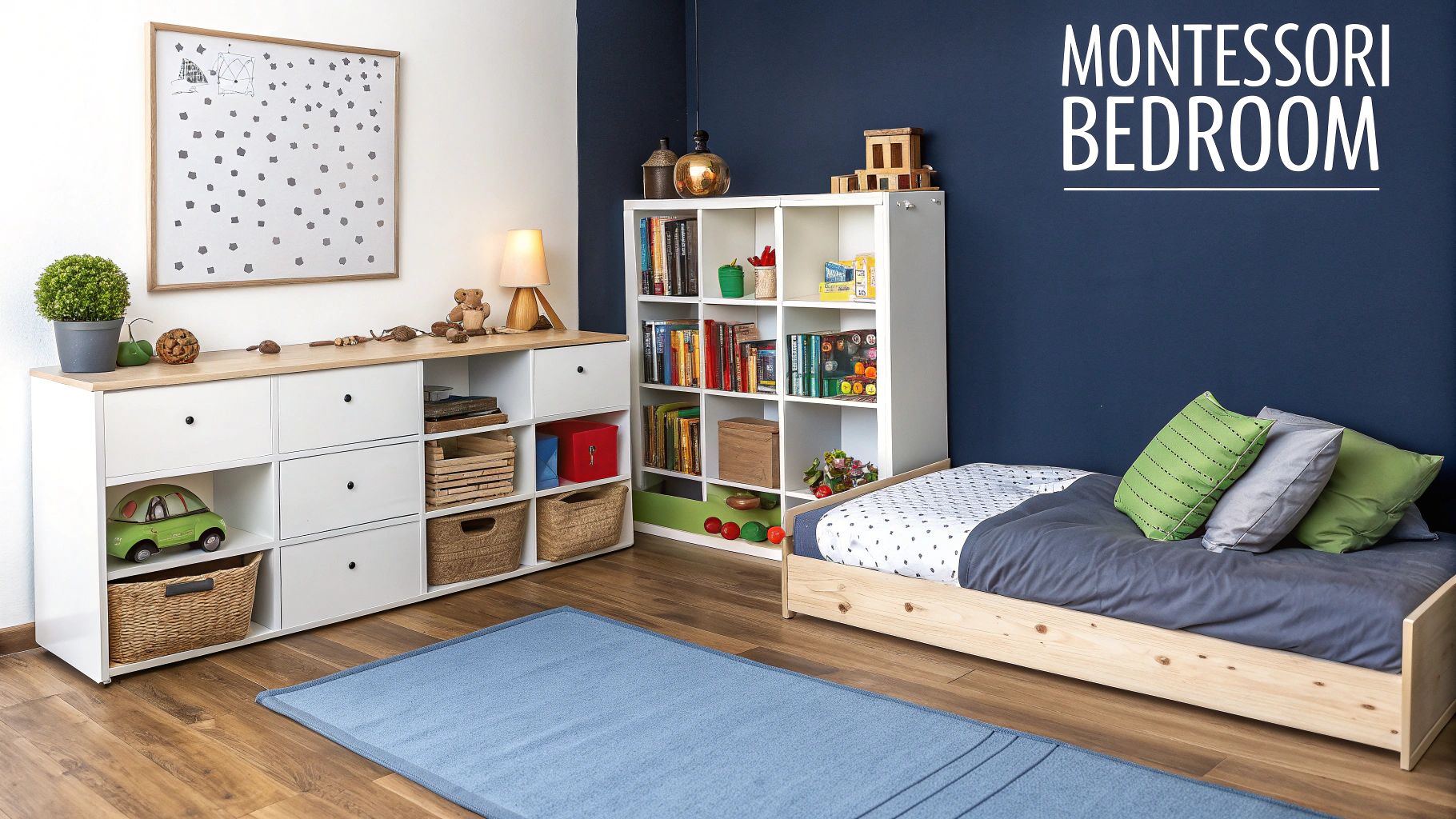
Think of it as setting up a beautiful, functional workshop for your child’s development. Every single element should have a purpose and, most importantly, be within their reach.
Creating an Accessible and Orderly Space
To get started, focus on one key word: accessibility. The idea is to empower your child to interact with their own belongings independently. This is a huge confidence-builder and nurtures a genuine sense of ownership.
- Low, Open Shelving: Choose shelves that are low to the ground. This lets your child clearly see their toys, choose what they want to play with, and—this is the magic part—put things away themselves.
- Child-Sized Wardrobe: A small wardrobe or a low-hanging rod is a game-changer for encouraging self-dressing. Try laying out just two outfits. This gives them a simple choice, letting them practice decision-making from a very young age.
- Cozy Reading Corner: Create an inviting little nook with a soft rug, a comfy cushion, and a forward-facing bookshelf. Seeing the book covers is far more appealing to a little one and helps spark an early love for reading.
A calm, neutral color palette with natural textures like wood and cotton helps create a serene atmosphere. This reduces overstimulation and allows their colorful toys to be the main focus of their attention.
A thoughtfully organized Montessori room doesn't just look tidy; it provides a predictable and secure environment where a child can thrive. This external order helps them develop an internal sense of calm and focus.
Finally, one of the best things you can do is implement a toy rotation system. Instead of having every toy out at once, keep most of them stored away. Each week or two, rotate a small, curated selection. This simple strategy keeps their interest high, cuts down on clutter, and encourages deeper, more focused play with the items that are available.
Answering Your Floor Bed Questions
Making the move to a Montessori-style floor bed is a big step, and it's totally normal to have a few questions pop up. Let's walk through some of the most common concerns so you can feel completely at ease with this exciting new stage of independence for your little one.
What Is the Best Age for a Floor Bed?
Honestly, there’s no magic number. Many families introduce a floor bed right when their baby starts getting mobile, which can be anywhere from 5 to 10 months old. Others prefer to wait until the toddler years (1-3 years old) when they start showing an interest in climbing out of their crib.
What matters far more than age is the room itself. As long as the entire space is carefully childproofed and set up as a safe "yes-space," you can make the switch whenever it feels right for your child’s unique development and your family's comfort level.
Will My Child Be Cold on the Floor?
This is a great question, but thankfully, it’s one with an easy solution. The vast majority of floor bed frames, including ours here at Ocodile, are designed with slats. This simple feature lifts the mattress just enough to allow for good airflow, which is key to preventing it from getting cold or damp.
You can also place a thin, low-pile rug under the bed frame for an extra bit of insulation. The best trick, though, is to focus on what your child is wearing. A cozy, footless sleep sack will keep them perfectly warm and safe all night long, without the risks that come with loose blankets.
The key to managing newfound freedom is a strong, predictable bedtime routine that clearly signals it is time to rest, not play.
How Do I Stop My Child From Playing All Night?
It's almost a guarantee that your child will test out their new freedom! It’s completely normal for them to want to explore their room instead of immediately going to sleep. Your best friend in this situation is a solid, calming bedtime routine.
Try to keep the room’s atmosphere quiet and peaceful. Limit the toys they can access to just a few simple, non-stimulating options. In time, the novelty of being able to get out of bed will wear off, and they'll start listening to their body's cues for sleep. This process actually helps reduce bedtime struggles in the long run, as they begin to see their bed as their own special place for rest.
Ready to create a space that nurtures your child's independence and provides a safe foundation for sleep? Explore the beautifully crafted, child-safe furniture from Ocodile and find the perfect pieces to complete your Montessori-inspired room at https://ocodile.com.