



Choosing Wisely: A Parent's Guide to Philosophies of Early Childhood Education
The different philosophies of early childhood education aren’t strict, rigid rules. It’s better to think of them as different parenting 'playbooks'. Each one offers a unique, research-backed way to look at learning, play, and development that ends up shaping everything from daily routines to the design of a classroom.
Why Early Education Philosophies Matter for Your Family
Choosing a childcare center, or even just settling on a parenting style, can feel like a huge task. The names alone—Montessori, Reggio Emilia, Waldorf—can sound intimidatingly complex, but their core ideas are surprisingly simple and down-to-earth. At its heart, an educational philosophy is just a structured way of answering one big question: How do children learn best?
The answer to that question changes everything. A clear philosophy gives you a roadmap for nurturing your child’s growth during their most important years, influencing social skills, problem-solving, and so much more.
Building a Foundation for Lifelong Learning
The first five years of a child's life are an incredible time for brain development. In fact, more than one million new neural connections are forming every single second. The experiences a child has during this window literally build the architecture of their brain, setting the stage for all future learning and behavior.
This is exactly where philosophies of early childhood education come in. They help create intentional, supportive environments that allow children to truly thrive.
A consistent educational approach provides a predictable and secure world for a child, reducing stress and allowing them to focus on what they do best: exploring, learning, and growing.
Aligning with Your Family’s Values
Getting to know these philosophies helps you find a learning environment that just feels right for your family and clicks with your core values.
- Do you really value independence and self-discipline? Montessori might be a perfect fit.
- Is creative expression a top priority? The arts-centric Reggio Emilia approach could be the one.
- Do you want to foster a deep connection to nature? Waldorf’s principles may resonate with you most.
When you find that alignment, it creates a seamless bridge between home and school, reinforcing both learning and your child’s emotional well-being. If you want to dive deeper into the incredible impact of early support on a child's overall growth, it's worth exploring the benefits of early intervention in child development.
At the end of the day, picking a philosophy isn’t about finding the single “best” one—it’s about finding the best one for your child and your family.
Exploring the Montessori Method of Child-Led Discovery
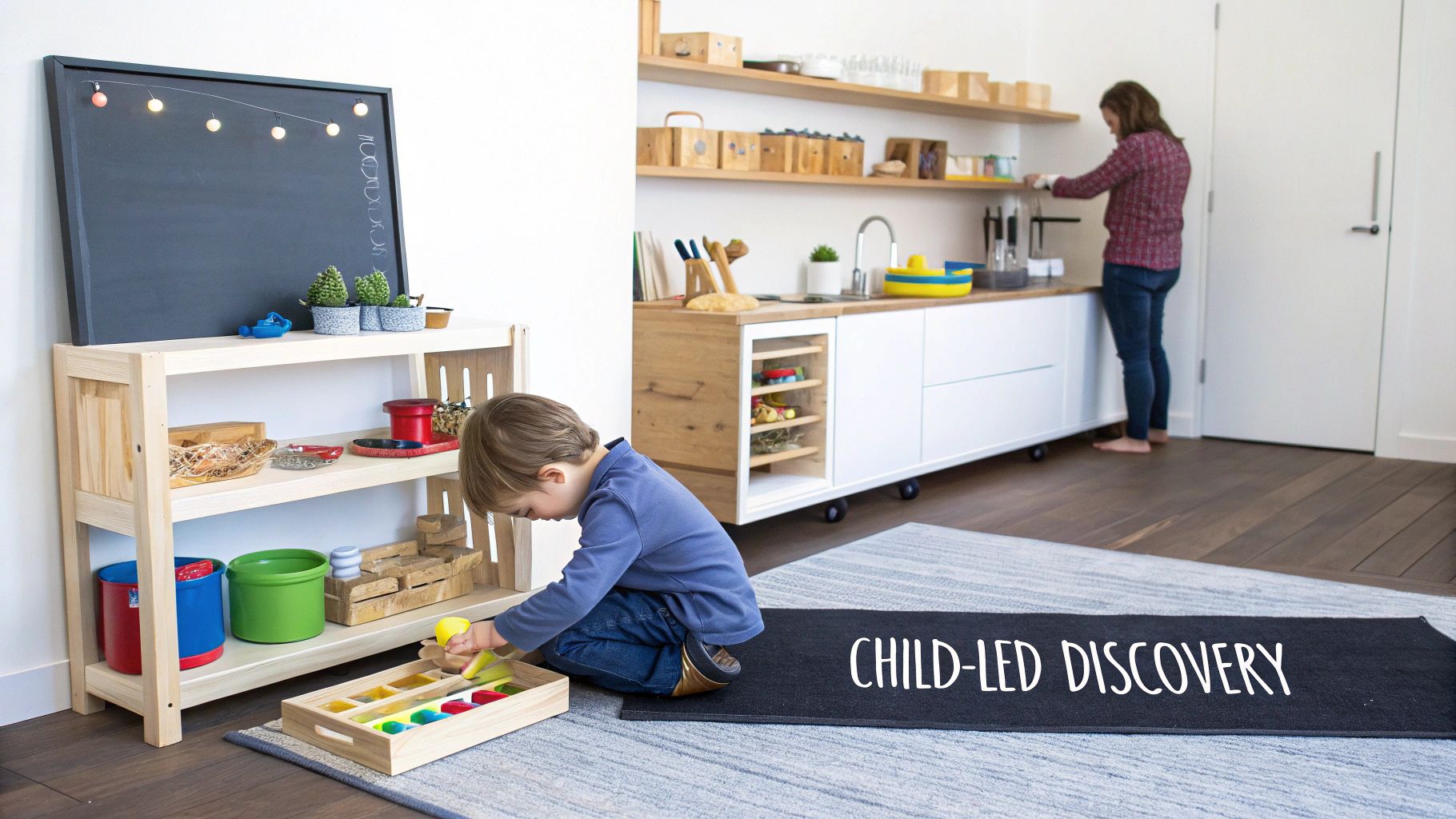
Picture a classroom where kids are moving around freely, each one absorbed in an activity they chose for themselves. One child is carefully pouring water from a tiny pitcher. Another is meticulously arranging colorful beads. A third is tracing sandpaper letters with their finger, lost in thought. This isn't chaos; it’s the heart of the Montessori method, one of the most recognized philosophies of early childhood education.
Developed by Dr. Maria Montessori, this approach is grounded in a deep respect for a child's natural drive to learn. It sees children not as empty vessels to be filled, but as curious, capable people who can steer their own education—if you just give them the right environment and tools. The big idea here is that learning isn't something forced on a child, but something that grows from within.
The Role of the Prepared Environment
The cornerstone of the Montessori philosophy is the prepared environment. This isn't just any old classroom. It’s a space that’s been thoughtfully designed from top to bottom, where everything has a purpose and is scaled to a child’s size and abilities. Think of it as a child's own little world, built just for them.
In a space like this, you’ll find:
- Child-sized furniture: Low shelves, small tables, and tiny chairs are everywhere. This empowers kids to be independent because they can grab their own materials and put them away without asking an adult for help.
- Order and accessibility: Materials are neatly arranged on shelves, usually from the simplest to the most complex. This predictable order helps children feel secure and encourages a natural sense of responsibility.
- Real, purposeful tools: Forget the toy versions. Here, children use real, child-sized tools like small pitchers, tongs, and cleaning cloths. This teaches practical life skills and, just as importantly, shows respect for their abilities.
The teacher in this setting isn't a lecturer at the front of the room. They act more like a "guide on the side," observing each child, introducing new materials when they’re ready, and offering gentle guidance without getting in the way of their focus. This creates a peaceful, productive atmosphere where self-discipline and concentration can really blossom.
How Montessori Works in Practice
This is where the philosophy really comes alive. Children engage in what Montessori called "work," a term used to show just how important their chosen activities are. This work is self-directed and almost always involves hands-on, self-correcting materials.
For example, a toddler might pick up a puzzle with different wooden shapes. If a piece doesn't fit, the child knows instantly it's wrong and can try again without an adult needing to point out the mistake. The material itself is the teacher. This simple process builds incredible problem-solving skills, persistence, and a real sense of accomplishment.
"The greatest sign of success for a teacher... is to be able to say, 'The children are now working as if I did not exist.'" - Maria Montessori
The philosophy Maria Montessori pioneered over a century ago was a radical shift from the rote learning common at the time. Her focus on sensory experiences before tackling abstract concepts proved incredibly effective, especially for kids who didn't thrive in traditional schools. Her influence today is massive, with over 20,000 schools in 110 countries. Modern studies back up her approach, often showing that Montessori kids score 15-20% higher in executive function skills like focus and self-control. For a deeper look at her history, you can discover more about early education theorists on monroeu.edu.
Bringing Montessori Principles into Your Home
You definitely don't need a certified classroom to bring some Montessori magic into your home. A few simple tweaks can go a long way in fostering independence and a genuine love for learning.
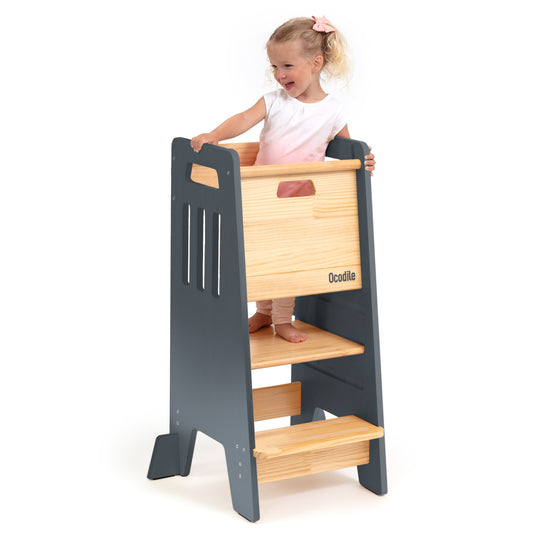
Creating a "prepared environment" at home can be as easy as setting up a low, accessible shelf with just a few toys or activities. A standing tower in the kitchen lets a toddler safely "help" with dinner prep, turning a daily chore into a fantastic learning opportunity. Even something like a floor bed gives a child more autonomy over their own space and body. For more practical ideas, check out our guide to creating a Montessori-inspired learning environment at home.
By embracing these simple ideas, you're not just organizing your home—you're supporting your child's natural development. You're helping them build the confidence, concentration, and inner drive that will serve them for the rest of their lives.
Understanding the Reggio Emilia Approach to Collaborative Learning
Picture a classroom that feels less like a school and more like a bustling workshop, where kids, teachers, and even parents are all partners in a grand learning adventure. That's the heart of the Reggio Emilia approach, an inspiring philosophy that grew out of a community’s hope in post-WWII Italy to raise creative, curious, and democratic citizens.
Unlike some philosophies of early childhood education with set lesson plans, Reggio Emilia is all about an emergent curriculum. This means learning isn't mapped out months ahead. Instead, it sprouts directly from the children's own fascinations, questions, and theories about the world they live in.
The entire philosophy is built on a deep, foundational respect for the child as a capable and competent person driving their own education. The teacher’s job completely shifts from being an instructor to a co-learner and researcher, listening intently to discover what sparks a child's interest and then helping them dig deeper.
The Hundred Languages of Children
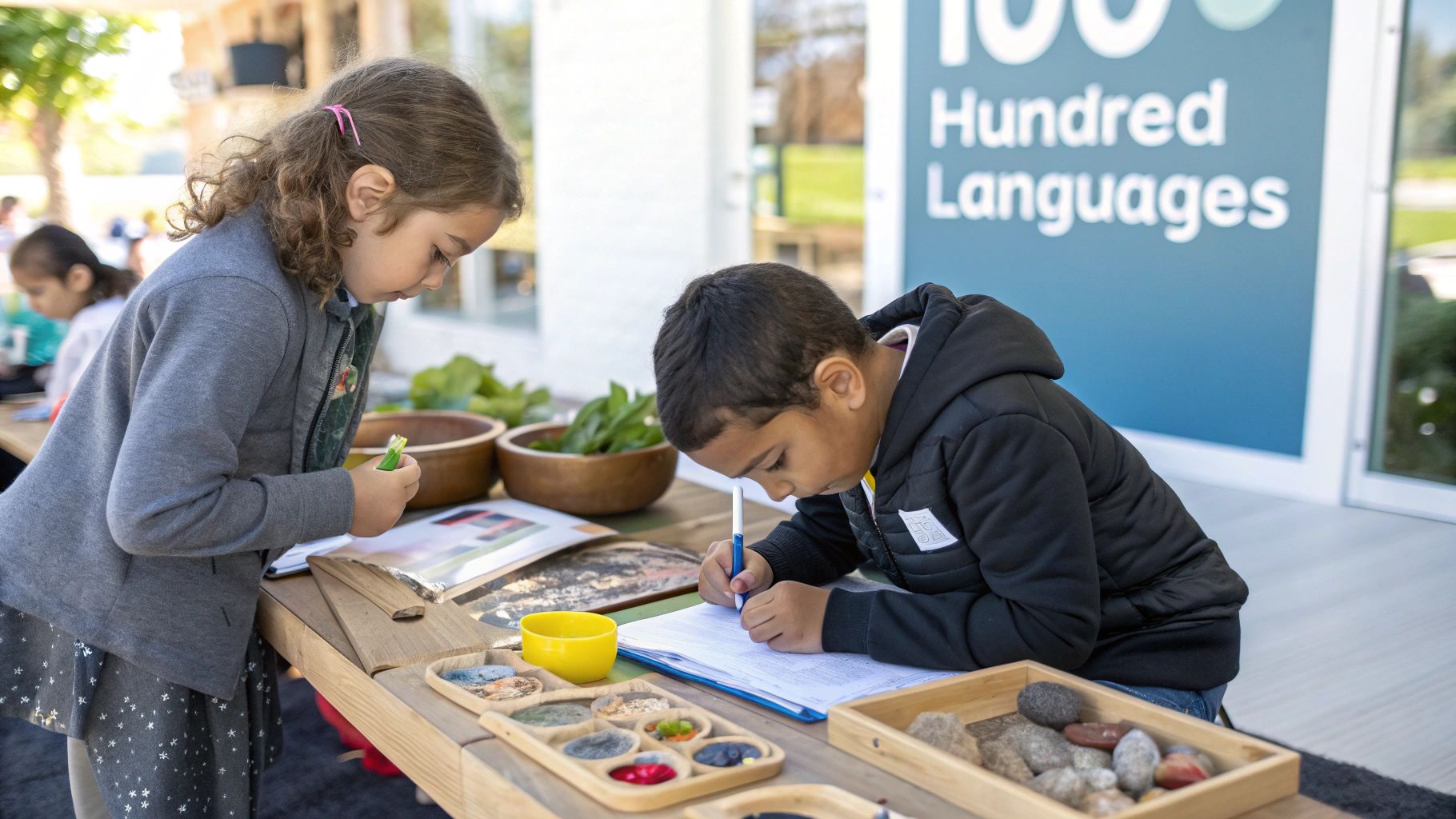
One of the most beautiful ideas at the core of the Reggio Emilia philosophy is "The Hundred Languages of Children." This isn't literal—it’s a poetic way of saying that children have countless ways to express their thoughts, understanding, and creativity that go far beyond just talking and writing.
These "languages" are all the ways a child can show what they know:
- Painting, drawing, and sculpting with clay
- Music, dance, and making up stories through dramatic play
- Building complex structures with blocks or natural materials
- Taking photos and experimenting with light and shadow
A Reggio-inspired classroom gives children access to a wide range of high-quality materials to explore these different languages. It’s all about honoring their unique ways of communicating and making their thinking visible for others to see and understand.
The Environment as the Third Teacher
Another cornerstone of this approach is seeing the environment as the "third teacher," just as important as the educator and the child’s friends. Classrooms aren't just four walls; they are intentionally designed to be beautiful, inviting, and full of things that spark curiosity.
In a Reggio Emilia setting, the space itself is a teacher. It's designed to provoke curiosity, encourage interaction, and support in-depth exploration.
This means you’ll see spaces filled with natural light, plants, and mirrors that let kids play with perspective. The materials are open-ended—think loose parts like stones, shells, twigs, and recycled items—instead of plastic toys that only do one thing. The walls are not for commercial posters, but for documenting the children's real, ongoing projects, showing their artwork, photos of their process, and notes from their conversations.
Projects and Documentation in Action
In this setting, learning often takes the form of long-term projects that emerge from a shared interest. If a group of kids gets fascinated by the shadows on the playground, a teacher might help them investigate. That "project" could last for weeks and might involve drawing shadows, creating shadow puppets, or even building sculptures that cast interesting patterns.
Throughout this entire process, the educators are also documenters. They take photos, write down conversations, and collect the children’s work. This documentation is so important—it helps teachers truly understand how children are thinking, lets the kids revisit their own ideas, and makes the whole learning journey visible to parents. It’s this collaborative spirit that truly defines the Reggio Emilia experience.
Nurturing Head, Heart, and Hands: The Waldorf Philosophy
While Montessori champions the independent mind and Reggio Emilia the collaborative spirit, the Waldorf philosophy is all about nurturing the whole child—their head, heart, and hands. It's one of the most distinct approaches out there, viewing a child's development as a journey through clear stages. The whole point is to patiently meet children exactly where they are.
Think of a childhood that unfolds naturally, without being rushed. In the early years, from birth to about age seven, a Waldorf classroom puts imagination and free play on a pedestal. Formal academics are intentionally held back. The belief is that little kids learn best through imitation, movement, and getting their hands dirty, not by trying to grasp abstract ideas too soon.
Rhythm and Routine are Everything
A core pillar of the Waldorf approach is its deep respect for rhythm and routine. Picture it as creating a gentle, predictable "breathing" pattern for the day, week, and even the changing seasons of the year. This consistency helps children feel incredibly secure and grounded, which in turn frees up their energy for creative play.
The daily rhythm usually includes:
- An "in-breath" period: This is for quiet, focused activities like storytelling, circle time, or preparing a snack together.
- An "out-breath" period: Time for big, expansive energy—think outdoor play, running, and climbing.
This predictable flow gives the day a comforting structure without feeling rigid. It helps children move from one activity to the next without fuss and builds a deep sense of trust in their world, letting their imaginations truly soar.
Nurturing the Senses with Natural Materials
Step into a Waldorf early years classroom and you won't be bombarded with bright plastic or electronic toys. The space is intentionally filled with simple, open-ended materials pulled straight from nature. This is non-negotiable: connecting children to the real world through their senses is a top priority.
The Waldorf philosophy believes that the materials children touch shape their understanding of the world. Natural textures, warmth, and imperfection are seen as vital for healthy sensory development.
You’ll find things like beautifully crafted wooden blocks, soft wool for crafting, smooth stones, and flowing silks for dress-up. These simple items don't tell a child how to play. A gnarled piece of wood can be a boat one minute and a telephone the next, forcing the child to fire up their own creativity. This focus on imagination is seen as the bedrock for future problem-solving and critical thinking.
Bringing Waldorf Principles Home
You don't have to go all-in to bring the gentle, creative spirit of Waldorf into your family life. Small, thoughtful changes can make a huge difference.
- Create a Daily Rhythm: Try to establish a predictable flow, especially around meals, naps, and bedtime. You can use simple songs or verses to signal what's next, like a "clean-up song" or a special lullaby for bed.
- Limit Screen Time: Waldorf education strongly advises limiting or even eliminating screen media for young children to protect their budding imaginations. Swap screen time for storytelling, drawing, baking, or just hanging out outside.
- Get into Nature: Make time outdoors a non-negotiable part of your day. Go for walks, collect interesting leaves and stones, or tend to a small plant. This builds a real sense of connection and respect for the natural world.
- Tell Stories: Instead of only reading from a book, try telling a story from memory. It creates a powerful, personal connection and lets you tweak the tale based on your child’s reactions.
By focusing on rhythm, nature, and imagination, the Waldorf philosophy offers a beautiful way to raise kids who are balanced, creative, and feel deeply connected to the world and to themselves.
How Play And Relationships Shape Modern Early Learning
Beyond specific philosophies like Montessori or Waldorf, two powerful ideas influence just about every modern preschool classroom: play-based learning and relationship-based learning. These aren't rigid doctrines, but foundational concepts that get to the heart of how children are naturally wired to learn. They shift the focus from rote memorization to meaningful, hands-on experiences.
The core idea behind play-based learning is simple yet profound: a child's play is their work. It’s how they test theories, practice social skills, and build a deep, personal understanding of the world. Understanding various learning methods is key, including dynamic play-based learning approaches that foster natural exploration. This approach sees a block tower not just as a toy, but as a lesson in physics, engineering, and cooperation.
Play Is The Engine Of Development
In a play-based environment, learning happens organically through activities children are naturally drawn to. The classroom is filled with open-ended materials that invite imagination—think of a sensory table filled with sand and water, a dress-up corner with various costumes, or a building area with different types of blocks.
The teacher's role here is to facilitate, not direct. They might ask probing questions like, "I wonder what would happen if we added more water?" or introduce new materials to extend the play. This type of learning builds skills that are absolutely crucial for life.
- Problem-Solving: Figuring out how to make a bridge from one block tower to another is a complex engineering task.
- Social Skills: Negotiating roles in a make-believe game ("You be the doctor, and I'll be the patient!") teaches compromise and communication.
- Emotional Resilience: When a block tower inevitably falls, the child learns to manage frustration and try again.
For more inspiration on how to encourage this type of development, explore these natural play ideas for your home.
The Power Of Guided Partnerships
Flowing alongside play-based theory is the concept of relationship-based learning, which owes a lot to the work of psychologist Lev Vygotsky. He introduced a groundbreaking idea called the Zone of Proximal Development (ZPD). It might sound complex, but the concept is actually quite intuitive.
The ZPD is the sweet spot of learning. It’s the gap between what a child can do all by themselves and what they can achieve with a little help from someone more knowledgeable—a parent, a teacher, or even a peer. Think of a child trying to complete a puzzle. They might get stuck, but with a parent gently pointing out, "Have you tried turning that piece around?" they can solve it. That gentle guidance is called scaffolding.
Scaffolding isn't about giving the answer; it's about providing just enough support to help a child climb to the next level of understanding on their own.
Vygotsky's sociocultural theory, developed between 1896 and 1934, argued that social interaction is the very foundation of cognitive development. His ideas really took hold after World War II, and by the 1970s, they were influencing curricula in over 60% of European early education programs. The famous Perry Preschool Project in 1962 validated this approach, showing that children in a Vygotsky-inspired model had 44% higher high school graduation rates later in life. Today, Vygotsky’s ideas of scaffolding and collaborative play underpin roughly 75% of U.S. preschool frameworks.
This diagram captures the essence of a holistic educational approach, emphasizing how crucial it is to engage a child's mind, emotions, and physical actions all at once.
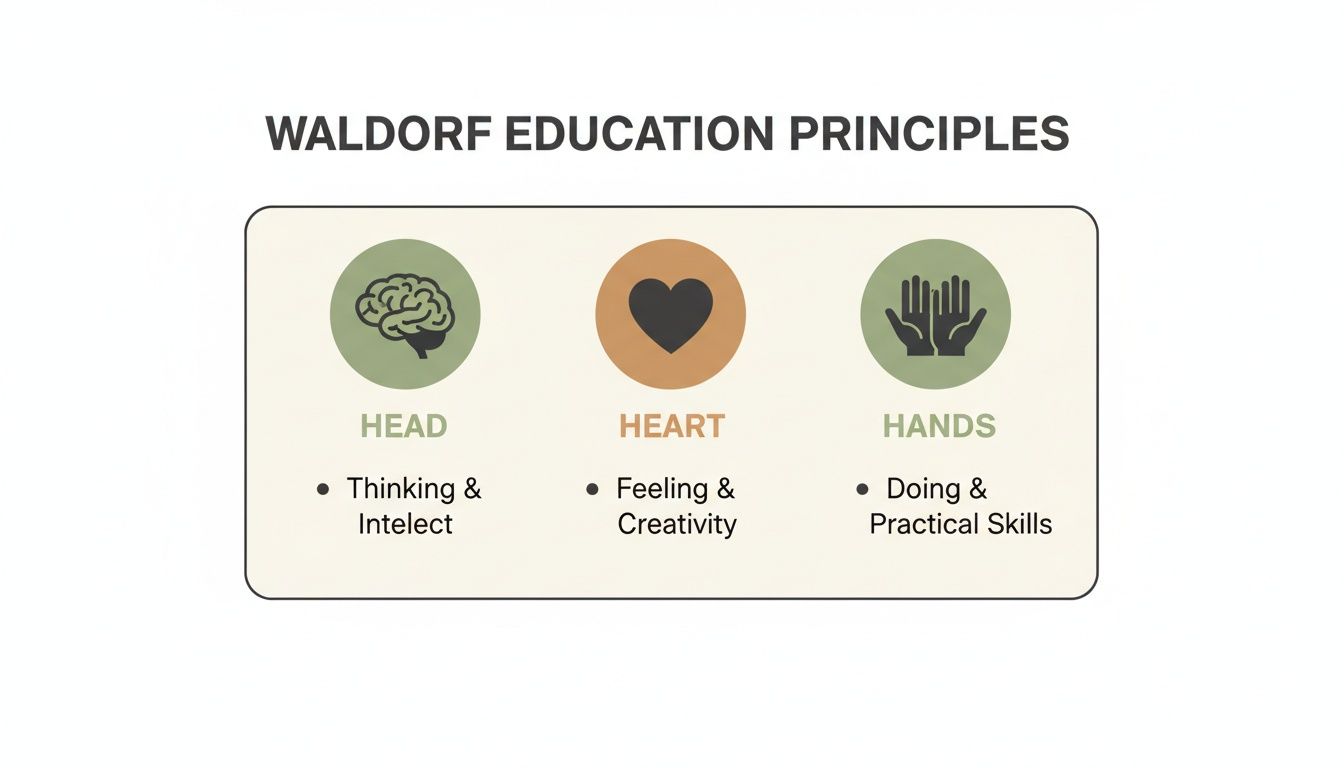
The "Head, Heart, and Hands" concept is a powerful reminder that true learning happens when thinking, feeling, and doing are fully integrated.
Turning Everyday Moments Into Learning
These powerful ideas come to life in the simplest daily activities. When a toddler stands on a kitchen helper stool to stir brownie batter with a parent, they are in their Zone of Proximal Development. They couldn't do it alone, but with guidance, they learn about measuring, mixing, and following steps.
This turns a routine task into a rich, collaborative learning experience, strengthening both their skills and their family bond.
How to Choose the Right Philosophy for Your Child
Trying to make sense of all the different early education philosophies can feel a bit overwhelming, but picking the right one is a very personal journey. It’s not about finding the single “best” approach—it’s about finding the best fit for your unique child and your family. The best place to start is by looking inward.
Ask yourself a few key questions. What are your core family values? Do you lean toward independence, creativity, working with others, or a deep connection to nature? Thinking through these big-picture ideals acts as a fantastic filter, helping you instantly see which philosophies resonate with your vision for your child.
Observe Your Child's Natural Tendencies
Next, it’s time to turn your attention to your little one. Children are constantly giving us clues about how they learn best. Spend some time just watching them play—without stepping in or directing—and you’ll pick up on their innate learning style.
Does your child:
- Get completely absorbed in a single activity for a long stretch of time? That kind of deep, methodical focus is a huge clue that they might thrive in a Montessori environment.
- Love to ask questions and build imaginative worlds with their friends? This social, creative spark often points toward a collaborative setting like Reggio Emilia.
- Seem happiest and most at ease playing outside or with simple, natural toys? This suggests a natural alignment with Waldorf principles.
The most effective educational path is one that meets a child where they are. By observing their natural inclinations, you can choose a philosophy that feels like an extension of their personality, not a mold they need to fit into.
What to Look for When Visiting a School
Once you have a better feel for your child’s style, it's time to see these philosophies in the real world. When you tour a preschool or daycare, look past the curriculum on paper and pay close attention to the environment itself. The physical space tells you so much about the philosophy behind it.
A true Montessori classroom, for example, will have low shelves stocked with self-correcting materials and child-sized furniture, all designed to empower independence. A Reggio Emilia space, on the other hand, will often have walls covered with documentation of the children's long-term projects, celebrating their collaborative journey. To see a side-by-side breakdown, check out our guide comparing Montessori vs traditional classroom setups.
The idea that play is the real work of childhood goes all the way back to Friedrich Froebel's very first kindergarten in 1837. He introduced simple wooden blocks and balls he called "gifts" to help children grow through sensory and creative exploration. His influence has been massive; today, an estimated 85% of preschools worldwide weave play-based elements into their day. This is a core idea that aligns with our mission at Ocodile, where products like floor beds and standing towers are designed to encourage that same spirit of independent play and family partnership. You can learn more about the history of early education on pressbooks.ccconline.org.
Your Questions, Answered
Diving into the world of early childhood education philosophies can feel a bit overwhelming, and it's totally normal to have questions. How do these big ideas actually work in a real home with a real, unpredictable toddler? Let's clear things up.
Can I Mix and Match Different Philosophies at Home?
Absolutely! It’s less about picking one rigid rulebook and more about building your own family's toolkit. Think of it as creating a custom approach that works for you.
You might fall in love with Montessori’s emphasis on practical life skills and get a standing tower so your little one can "help" in the kitchen. At the same time, you could pull from the Waldorf playbook by making a daily walk in nature non-negotiable. The goal is to find what feels right and creates a loving, consistent world for your child to grow in.
Is One Philosophy Truly Better Than the Others?
Nope. There’s no single "best" philosophy that fits every child or every family. The right approach is a unique mix of your child’s personality, your family’s rhythm, and your hopes for their early years.
A fiercely independent child who can focus on a puzzle for ages might thrive in a Montessori-inspired space. Another child who is a social butterfly and loves messy, creative expression might feel right at home with Reggio Emilia principles. It’s all about finding a path that honors your child’s natural way of being and fuels their innate curiosity.
How Does Furniture Support These Philosophies?
Furniture isn't just "stuff" in a room; it’s one of the most practical ways to bring an educational philosophy to life, especially in approaches that value a child-led environment. The right pieces can make a world of difference.
Child-sized furniture isn't just about cute aesthetics; it's about empowerment. It sends a clear message to your child: "This space is for you. You are capable and independent here."
Here’s a quick look at how it works:
- Low Shelves and Tables: These give children direct access to their toys and materials. It's a simple change that fosters a huge sense of independence and responsibility.
- Standing Towers: A kitchen helper tower is a game-changer. It safely brings your toddler up to counter height, turning meal prep into a hands-on lesson in practical skills.
- Floor Beds: This simple switch gives a child control over when they get in and out of bed, promoting autonomy and body awareness from a very young age.
Ultimately, choosing safe, accessible, child-scaled furniture is one of the most direct ways to put these powerful learning concepts into practice in your own home.
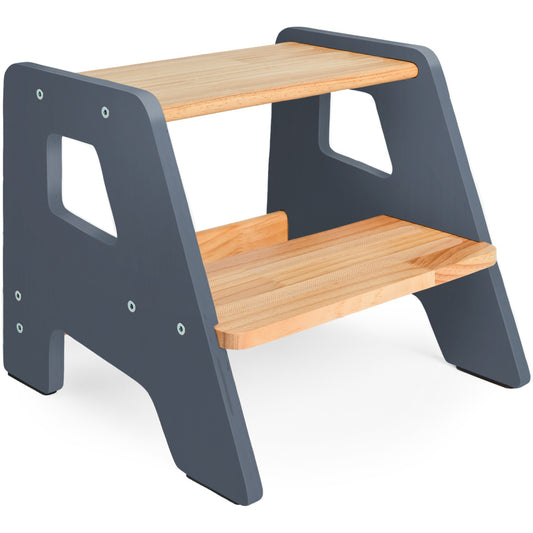
At Ocodile, we design furniture that closes the gap between educational theory and the beautiful chaos of family life. Our standing towers, floor beds, and step stools are crafted to help you create a safe, supportive, and beautiful environment where your child can thrive. Explore our collections and find the perfect pieces to support your child's learning journey at https://ocodile.com.