



Sand and Water Table the Ultimate Guide to Sensory Play
A lot of us reach the same point with outdoor play. The snack is finished, the novelty of the slide has worn off, and our child starts drifting from one thing to the next without really settling. We want something that feels fun, open-ended, and worth setting up, not another toy that gets ignored by the weekend.
A sand and water table often becomes that answer. It gives children one clear place to pour, scoop, dig, stir, splash, and invent. It also gives us a play setup that feels contained enough to manage and flexible enough to grow with them.
More Than a Toy Why a Sand and Water Table Matters
A sand and water table is usually a raised play station with one basin or two separate basins for sensory materials. One side might hold water, the other side might hold sand, or you might use just one material at a time depending on your child's age and stage. That simple setup creates a small world children can control with their hands.

What makes it special isn't the table itself. It's the kind of play it invites. A scoop becomes a building tool. A cup becomes a measuring device. A handful of wet sand turns into a cake, a road, a volcano, or a treasure site. Children don't need instructions to begin. They just need permission to explore.
Why parents keep coming back to it
Many toys tell a child exactly what to do. A sensory table does the opposite. It leaves room for curiosity, repetition, and trial-and-error.
- It feels manageable for us because the play stays in one zone.
- It works for different moods. Some days children want calm pouring play. Other days they want messy experiments.
- It supports independent play while still making it easy to join in.
If you're building a broader sensory play routine at home, Grow With Me's sensory toy guide is a helpful companion because it puts the table into the bigger picture of hands-on play.
A good sand and water table doesn't just keep children busy. It gives them a place to think with their hands.
That's why families often end up using it far more than expected. It isn't a one-purpose toy. It's a repeatable invitation to play.
How Sand and Water Play Builds a Better Brain
Children learn best when their bodies and minds work together. A sand and water table does exactly that. It's a kind of gymnasium for the senses, where hands, eyes, ears, and attention all practice working as a team.

Motor skills grow through repetition
Scooping sand into a bucket looks simple, but it asks a child to judge distance, grip a tool, steady the wrist, and aim carefully. Pouring water from a small pitcher into a funnel asks for even more control.
These tiny actions strengthen the hand muscles children later use for drawing, buttoning, and early writing. They also improve hand-eye coordination because the child has to watch the material move and adjust in real time.
A few examples we see often:
- Squeezing basters or spray bottles strengthens fingers and palms.
- Digging with shovels builds shoulder and arm control.
- Filling and emptying containers improves coordination on both sides of the body.
Thinking skills show up in play
Children don't need a science lesson to begin learning physics. They start discovering it when they notice that dry sand falls differently than wet sand, or that a full cup spills faster than an almost-empty one.
They test ideas naturally:
- What happens if I pour faster?
- Why did this tunnel collapse?
- Which container holds more?
- Why does this boat float but that rock sinks?
That's early problem-solving. It's also early math. Volume, comparison, sequencing, prediction, and cause-and-effect all appear in ordinary sensory play.
A short video can help you picture how rich this kind of play can look in real life:
Social and emotional learning happens quietly
When two children share a sensory table, they practice skills that are hard to teach through lectures. They negotiate space. They wait. They copy each other's ideas. They solve small conflicts like who gets the scoop or where the “river” should go.
Even solo play has emotional value. Repetitive scooping, pouring, and sifting can help children settle their bodies and focus. The table gives them a task with no pressure to get it “right.”
Practical insight: If your child struggles to join structured activities, sensory play can be an easier starting point because there isn't one correct outcome.
Sensory input supports observation
Sand and water offer contrast. One can be grainy, dry, packed, loose, warm, or cool. The other can drip, splash, swirl, trickle, or soak. Children notice these differences with their whole bodies.
That matters because observation is the root of later learning. Before children can explain what they notice, they first need chances to notice it.
How to Choose the Right Sand and Water Table
Shopping for a sand and water table gets confusing fast because many options look similar at first glance. The better way to choose is to match the table to your child, your space, and the kind of upkeep you're willing to do.

Plastic or wood
The first decision is usually material. Both can work well. The best choice depends on your priorities.
| Feature | Plastic tables | Wooden tables |
|---|---|---|
| Look | Bright, playful, familiar | Natural, furniture-like |
| Weight | Lighter, easier to move | Heavier, more stable |
| Care | Simple to wipe down | Needs more ongoing care |
| Outdoor wear | Often handles water well, though sun can wear the finish over time | Can last well with proper treatment and storage |
| Style fit | Good for casual play spaces | Blends nicely with gardens and natural play areas |
Plastic is often easier for busy families who want low-fuss cleanup. Wood can feel more grounded and beautiful in the yard, but it usually asks more of us in return.
Single basin or dual basin
This choice affects daily use more than many parents expect.
A single-basin table is straightforward. You fill it with one material and keep the setup simple. That can be a smart option for younger children or families who want fewer moving parts.
A dual-basin table gives more flexibility. One side can hold water while the other holds sand, shells, pebbles, or loose parts. It also makes rotating activities easier because you don't have to empty the whole table every time you want a change.
Here's a practical way to understand this:
- Choose single basin if you want simplicity, easier cleaning, or one clear sensory focus.
- Choose dual basin if your child enjoys side-by-side experiments or you want more ways to vary play.
Features that matter in everyday life
Some details sound minor until you live with the table for a month.
Drainage plug
A drainage plug saves time and effort. Emptying water by lifting a heavy basin is awkward, especially after a long play session. A plug makes cleanup much more realistic on a busy day.
Lid or cover
A lid protects the contents from leaves, insects, and neighborhood animals. It can also create extra play value if the closed top becomes a drawing or snack surface.
Stable legs
Look for a base that doesn't wobble when children lean, scoop hard, or press down with both hands. The most exciting play often includes full-body enthusiasm.
Height
The right height lets children play without hunching too low or lifting their shoulders too high. If the edge hits around elbow level when they're standing naturally, it usually feels comfortable.
The best table isn't the one with the most features. It's the one you'll actually keep filled, cleaned, and ready to use.
A quick family checklist
Before you buy, ask yourself:
- Where will it live? Patio, balcony, deck, garden, or indoors?
- How many children will use it at once?
- Do you want to move it often?
- Will you keep both sand and water available, or rotate materials?
- Do you want a natural look or a colorful play look?
A clear answer to those questions narrows the choices quickly and helps you avoid buying a table that looks good online but doesn't suit real family life.
Essential Safety Rules for Worry-Free Play
Safety starts with one simple rule. Active supervision is not optional, especially when water is involved. A sand and water table may look small and harmless, but children can get into difficulty quickly when they're absorbed in sensory play.
Why age changes the safety plan
Most safety advice stays too general. That leaves parents guessing when a mixed setup is fine and when it isn't.
Recent guidance highlighted by Little People's Cove on age-specific sand and water table safety says 18% of sensory play injuries in toddlers happen in mixed tables due to unregulated water depth. The same source notes that for children aged 1 to 2, the main concern is water-related risk, including drowning and ingesting microplastics. For children 3 and older, the concern shifts more toward inhaling or ingesting sand-based contaminants.
That means one setup doesn't suit every age.
Safer choices for younger toddlers
For children in the youngest group, keep water play tightly controlled.
- Use very shallow water and stay within arm's reach.
- Drain immediately after play rather than leaving water sitting in the basin.
- Avoid mixed sand-and-water setups if your child still mouths toys or materials often.
- Choose larger, simple tools like cups and scoops instead of tiny loose parts.
If you want more ideas for water-focused play setups, this guide to a water activity table can help you think through safer options.
Safer choices for older children
For children who are developmentally ready for more complex play, the focus changes.
Use clean, child-safe play sand. Keep the table covered when it's not in use. Check regularly for leaves, debris, and anything that doesn't belong there. If children throw sand, stop play and reset the boundary before continuing.
Keep the rule short and clear: sand stays low, water stays in the table, and grown-ups stay nearby.
Non-negotiable habits for every age
These matter no matter what kind of table you own:
- Wash hands after play, especially before snacks.
- Empty standing water promptly.
- Inspect tools and bins for cracks, grime, or worn edges.
- Check the play area surface so slips are less likely.
Good sensory play should feel relaxed. Clear limits are what make that possible.
Your Guide to a Perfect Setup
A great setup makes play easier from the first day. The best place for a sand and water table is usually a spot with some shade and a surface that's easy to rinse or sweep, like a patio, deck, or paved corner of the yard. Grass can work, but it often turns the area into mud.
Start with the right materials
For sand, choose certified non-toxic play sand rather than construction sand. Play sand is made for children's use and is the safer, cleaner choice for hands-on play. For water, fresh tap water is enough. You don't need anything fancy to make the setup engaging.
A few accessories go a long way:
- Essential basics like funnels, measuring cups, buckets, sieves, and sturdy scoops.
- Kitchen extras such as ladles, muffin tins, and small pitchers you no longer use for food.
- Nature add-ons like large smooth stones, shells, or leaves, as long as they fit your child's age and supervision needs.
Make the space work for your family
Try to place the table where you can see it easily from your usual sitting spot. That alone makes supervision feel much lighter. If you're shaping a full outdoor play corner, this guide on how to design your backyard online free can help you plan the layout before you start moving furniture around.
For a more natural feel, you can pair the table with ideas from these natural play ideas, especially if you want the sensory area to blend with the rest of your outdoor space.
A simple setup checklist
- Pick the spot where cleanup won't become a daily frustration.
- Fill lightly at first so you can see how your child uses the table.
- Set out only a few tools instead of everything at once.
- Keep a towel and small bin nearby for quick resets.
When the setup is simple, we're much more likely to use it often.
Sparking Curiosity with Creative Activities
The nicest thing about a sand and water table is that it doesn't need a complicated plan. A small twist in materials or tools can change the whole experience. That's useful, because children don't just get bored. Sometimes they get overloaded by the exact same setup repeated too many days in a row.

Activity ideas that feel fresh
You don't need dozens of supplies. A theme plus a few props is often enough.
Mini excavation play
Bury plastic dinosaurs, large shells, or chunky toy vehicles in dry sand. Add brushes, scoops, and a small container for “finds.” Children love the hunt, and the slower pace encourages focus.
Pouring lab
Fill the water side with cups, funnels, basters, and pitchers. Add a drop of food coloring if you want stronger visual contrast. This setup works well for children who like repeating the same action until they master it.
Pretend kitchen
Wet sand, bowls, spoons, and cupcake molds can turn the table into a bakery or soup station. If your child likes storytelling, this kind of setup often keeps them engaged longer than tools alone.
Nature station
Add leaves, petals, pinecones, or smooth stones. Children can sort, wash, bury, scoop, and compare textures. It feels calmer than a bright themed setup and works especially well outdoors.
Sometimes the most engaging change is removing half the tools, not adding more.
Why novelty matters
There's useful guidance here for parents who feel confused when a child suddenly stops using a setup they seemed to love. NAEYC's sand and water play discussion highlights that 27% of children in Montessori-aligned homes may abandon sand and water tables after a few consecutive days because of a lack of novelty, and a 2025 Child Care Journal study found that swapping tools every 48 hours can reduce play burnout by 31%.
That gives us a more practical way to respond. We don't have to buy more. We have to rotate better.
A simple rotation rhythm
Try this pattern:
- Day 1 and Day 2. Set out one theme and a small group of tools.
- Day 3 and Day 4. Keep the base material but change the tools.
- Day 5 and Day 6. Change the theme or add one surprising object.
- Day 7. Let the table rest, or reset it completely.
This helps prevent what some parents describe as sensory burnout. If you want more ideas for organizing age-appropriate invitations to play, this guide to a sensory table for preschool is a useful next read.
Signs it's time to rotate
Watch your child more than the calendar.
- They dump everything quickly and walk away.
- They repeat one action without interest and seem restless.
- They ask for different toys even though the table is full.
- They start using the materials in less safe ways, like throwing or mouthing.
Those moments don't always mean the table has failed. Often they just mean the invitation needs a reset.
Simple Maintenance and Seasonal Storage
A sand and water table lasts longer when care is built into the routine. The simplest habit is also the most important. Empty water after each play session and leave the basin open to dry before covering it again.
A low-stress cleaning routine
For everyday upkeep, keep it basic.
- After water play drain the basin, rinse away residue, and dry what you can.
- After sand play remove leaves, clumps, or foreign objects with a scoop or small sieve.
- For surfaces wipe the rim, lid, and tools with a child-friendly cleaner you're comfortable using, then rinse if needed.
If the table starts feeling slimy or stale, it needs a fuller clean, not just a quick refill. Empty everything, wash all removable parts, and let them dry fully before resetting.
Storage that prevents bigger problems
If you won't use the table for a while, clean it thoroughly first. Moisture trapped under a lid can lead to mildew, unpleasant smells, and damaged materials.
A helpful off-season routine looks like this:
- Empty all sand and water.
- Wash and dry each basin and tool.
- Check for cracks or rough edges before storing.
- Store under cover if possible, especially in harsh weather.
- Keep lids slightly ventilated if needed so trapped moisture doesn't build up.
A five-minute cleanup after play is much easier than a deep scrub before the next season.
Frequently Asked Questions
Can I use something other than sand?
Yes, if it suits your child's age and supervision level. Families often rotate in oats, dry rice, uncooked pasta, or water-only setups. The safest choice depends on whether your child still mouths materials, throws them, or rubs hands near the face.
How do I keep bugs and animals out?
A sturdy lid helps most. If your table didn't come with one, a fitted cover can still do the job. Keeping the table clean, draining water promptly, and not leaving food-like materials outside for long also makes the space less inviting to insects and animals.
Is a DIY table okay?
It can be, especially if you enjoy building. The key is to check stability, smooth finishes, safe edges, and drainage. Many homemade tables look lovely, but purpose-built options often solve practical issues like lids, removable bins, and easier cleaning.
Should sand and water always be used together?
Not always. For some children, especially younger toddlers, separate setups are often the safer and calmer choice. For older children, combined play can work well when the table is maintained properly and an adult is supervising closely.
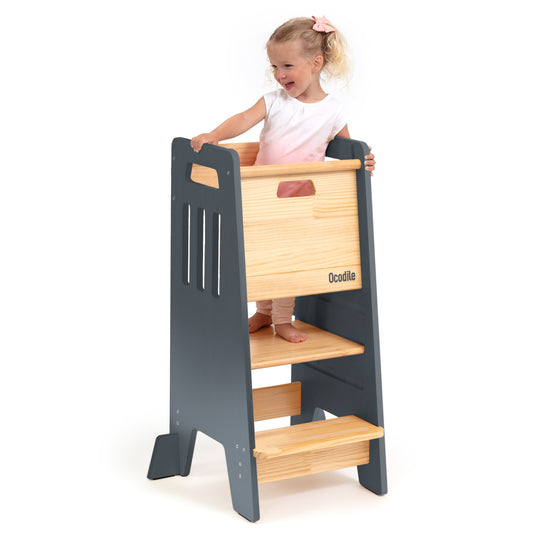
If you're creating a home that supports safe independence and joyful everyday moments, Ocodile is worth exploring. Their child-focused furniture is designed to help families make ordinary routines feel more connected, practical, and calm.