



Best Sensory Table Preschool Activities and Setup for 2026
You've probably seen sensory table ideas online that look fun for five seconds and then raise two immediate questions: Is this safe, and will my child use it? That hesitation makes sense. A sensory table can support real learning, but only if the setup matches the child in front of you.
The good news is that you don't need a complicated classroom to do this well. You need a clear plan for materials, a table that fits your space, and simple rules that keep play purposeful instead of chaotic. Once those pieces are in place, a sensory table preschool setup becomes much more than a bin of filler. It becomes a steady place for pouring, scooping, sorting, talking, calming, and experimenting.
The Power of Play in a Preschool Sensory Table
A sensory table preschool setup gives children a place to learn with their hands first. That matters because young children understand the world through touch, movement, sound, sight, and repetition long before they can explain what they know in words.
Sensory tables didn't show up as a passing trend. They became a cornerstone of preschools in the 1960s, inspired by Jean Piaget's idea that children build knowledge through sensory and motor interactions, and by the 1970s they were widespread. A 1978 study noted their presence in 85% of observed U.S. preschool classrooms because teachers used them to support multiple developmental areas at once, as summarized in this ERIC record on sensory table use.
That history matters because it reminds parents that sensory play isn't “extra.” It's one of the oldest and most reliable ways to help young children practice early thinking.
What children are really doing at the table
When a child pours water from one cup to another, it may look simple. In practice, that child is working on hand control, judging space, testing cause and effect, and often using new words like full, empty, heavy, float, sink, wet, or more.
A strong sensory setup also works beautifully with open-ended play ideas for young children. The child doesn't need one correct answer. They can repeat an action, change a tool, invent a game, or focus on the part that interests them most.
Sensory play works best when adults stop trying to make it look impressive and start making it usable.
A safety-first mindset matters more than a long supply list
Parents often think the hard part is choosing activities. It usually isn't. The harder part is choosing materials that fit the child's age, habits, and supervision needs.
Start with three questions:
- What does this child still mouth or chew?
- How much supervision is realistic in this setting?
- Does this material help calm, focus, explore, or just create stress?
Those questions lead to better choices than any themed Pinterest list. A toddler who still puts everything in their mouth needs a very different sensory table than a preschooler who can follow cleanup rules and use smaller tools safely.
How to Choose the Right Sensory Table
The table itself shapes how well sensory play goes. If it's too tall, too flimsy, or awkward to clean, children lose interest quickly and adults stop offering it. A good table makes play easier, not more complicated.

One classroom action research project found that table height in the 45 to 55 cm range and design elements like modular prop storage increased average sustained play time from under 5 minutes to over 15 minutes, effectively tripling engagement, according to this classroom research on improving play at the sensory table. That's a useful reminder that design affects behavior.
Start with height and reach
The best table lets a child work with relaxed shoulders and bent elbows. If a child has to reach up or lean hard against the edge, they tire out faster and spill more.
Use this quick comparison:
| Table feature | What works well | What tends to go wrong |
|---|---|---|
| Height | Child can scoop and pour without lifting shoulders | Too tall means fatigue and less control |
| Depth | Deep enough for filler, shallow enough for easy reach | Too deep means digging turns into frustration |
| Footprint | Enough room for tools and movement | Too small creates crowding, grabbing, and conflict |
| Storage | Nearby shelf or tray for props | Loose tools disappear and clutter builds |
Material choice affects maintenance
Plastic tables are usually easier to sanitize after wet play. Wood can look warmer in a home environment, but it needs a finish that handles repeated wiping and splashes well. In either case, smooth edges and stable legs matter more than appearance.
Look closely at:
- Surface finish. Choose a finish that wipes clean easily and doesn't stay tacky after washing.
- Stability. Push lightly on the side before buying. If it wobbles empty, it will wobble more with water or sand.
- Corner shape. Rounded edges are easier for young children to move around.
- Bin fit. Removable bins make cleaning much simpler than fixed basins.
Features worth paying for
Some extras sound minor until you use the table every day.
A lid helps with fast resets, especially if you want to keep one setup available over several days. A drain is useful for water play. A lower shelf or nearby tray keeps funnels, scoops, ladles, and tongs from ending up all over the room.
Practical rule: If setup and cleanup take longer than the play itself, the table won't get used often enough to be worth it.
Match the table to your space, not a catalog photo
For one child at home, a compact table often works better than a large classroom model. In a preschool room, wider access supports turn-taking and side-by-side play. If your child tends to get overwhelmed, a smaller and calmer setup may hold attention better than a big busy one with too many tools.
A useful test is this: can you place the table where you can supervise comfortably, wipe it down easily, and let the child use it without constant interruption? If yes, you've probably chosen well.
A Guide to Safe and Engaging Sensory Fillers
The biggest gap in most sensory play advice isn't creativity. It's material selection by age. Many online lists mix toddler ideas, preschool ideas, and higher-risk fillers together, which leaves parents guessing. That gap is specifically noted in this Pre-K Pages discussion of sensory table material guidance.

A better approach is to sort fillers by developmental stage, not by season or theme. The right question isn't “What's cute for autumn?” It's “What can this child handle safely and meaningfully?”
Under 18 months
For children under 18 months, think taste-safe first. Many children in this stage still explore by mouthing. That doesn't mean you must avoid sensory play. It means your materials need to match how babies behave.
Good options in this stage include soft, simple, edible textures such as yogurt-based finger paint, crushed cereal, mashed fruit textures, or cooked pasta under close supervision. Keep the layer shallow. Offer only a few tools, or none at all.
What works best here:
- Large sensory experiences. Smearing, patting, squeezing, and gentle scooping.
- Short sessions. End before the child gets tired or starts dumping everything.
- Simple language. Use words like cold, sticky, smooth, wet, and squishy.
What usually doesn't work:
- Dry small fillers
- Multi-step themed setups
- Small loose parts
- Any expectation that the child will “not taste it”
For this age, supervision should be active and close enough that you can stop mouthing or throwing immediately.
If a child has food allergies or skin sensitivities, skip anything that could trigger a reaction. This is also the age where less is usually better. One texture is enough.
18 to 36 months
Toddlers often want more action. They fill and dump, transfer, stir, hide, and repeat the same motion many times. This is a strong age for non-edible but closely supervised materials, assuming the child is no longer regularly mouthing objects.
Useful fillers can include sand, water, foam, larger pasta shapes, shredded paper, or oat-based mixtures if they are still safer for your child's habits. The key is that the material should be large enough and manageable enough for the child's current stage.
This is also a good time to bring in basic tools:
- Scoops and cups for pouring and hand control
- Funnels for visual cause and effect
- Large tongs if the child is ready for more hand strength work
- Toy animals or cups only if they don't create overcrowding
Children this age often need firm limits. If they throw fillers, climb into the table, or keep rubbing eyes after touching a material, change the setup. Don't keep the same filler just because it worked for another child.
Age 3 and up
Preschoolers can usually handle more complex sensory invitations. This is when thematic setups become more useful because children can combine pretend play, problem-solving, and language.
Appropriate fillers may include dry rice, kinetic sand, beans, themed water play, garden soil for digging, or mixed loose parts under supervision. Some families and classrooms also consider water beads, but only if the child can reliably follow safety rules and the adults fully understand the risks.
Safety warning: Avoid using any filler simply because it's popular online. Small items, expanding materials, or anything that looks edible can create real hazards if a child mouths, hides, or scatters them.
A simple age guide
| Age range | Best filler type | Adult role | Main goal |
|---|---|---|---|
| Under 18 months | Taste-safe, soft textures | Constant close supervision | Sensory exposure and trust |
| 18 to 36 months | Larger supervised fillers | Coach boundaries and model tool use | Repetition, pouring, dumping, early sorting |
| 3+ years | More varied and thematic fillers | Extend language and problem-solving | Inquiry, pretend play, classification |
Adapting for sensory sensitivities
Some children avoid sticky materials. Others seek intense pressure, repetitive pouring, or deep hand immersion. That doesn't mean they dislike sensory play. It means they need the right entry point.
A few practical adjustments help:
- Start dry if wet textures cause distress
- Offer tools first so the child can interact without touching directly
- Keep visual clutter low by limiting colors and props
- Let the child watch before joining
- Stop before overload instead of trying to push tolerance
For children who get overwhelmed, calm setups often work better than exciting ones. A tray of dry rice with one scoop and one bowl may hold attention longer than a bright mixed-material theme.
For more nature-based ideas that stay simple and grounded, this collection of natural play ideas for young children can help you build inviting setups without overcomplicating the materials.
Setting Up for Success and Stress-Free Cleanup
A good sensory table routine starts before the first scoop of rice or pour of water. Placement, tools, and cleanup systems make the difference between “we use this all the time” and “that was nice once.”

Choose the right spot
Put the table where spills are manageable and supervision is easy. Hard floors are simpler than rugs. Outdoor setups can work beautifully, but wind, bugs, and uneven surfaces create their own problems, so they still need planning.
The best locations usually have three things:
- Easy sight lines so an adult can monitor play without hovering
- Fast access to towels or a sink
- Enough surrounding space for children to move without bumping furniture
Use tools with a purpose
Scoops, tongs, ladles, funnels, turkey basters, measuring spoons, and small pitchers aren't just accessories. They shape the kind of learning the child does.
Sensory tables are proven to support fine motor development in 88% of users, and children can show a 35% increase in pincer grasp precision after 8 weeks of daily 20-minute sessions with tools like scoops and tongs, according to this review of sensory table benefits in early learning. In practice, that means a well-chosen tool can turn loose play into strong hand practice without making it feel like work.
Keep your rules short
Young children follow table routines better when the rules are visible in your language and actions.
Try a simple three-part routine:
- Fill stays in the table
- Tools are for scooping, not throwing
- Hands help clean up before leaving
That's enough for most home and classroom setups. If you add too many rules, children tune out and adults end up policing every move.
Wet fillers usually need faster replacement and more frequent sanitizing. Dry fillers last longer, but they still need to be checked for debris, moisture, and wear.
A cleanup system that actually holds up
Cleanup should be built into the setup, not treated as an afterthought.
A practical routine looks like this:
- Before play. Place a mat or old sheet under the table. Set out only the tools you want used.
- After play. Return tools to one bin or tray. Remove obvious debris from filler. Wipe the table rim and handles.
- Regular maintenance. Replace wet materials promptly. Store dry fillers in sealed containers. Wash tools that children mouth or use with wet substances.
Know when a setup isn't working
If the floor is covered every time, the child may need a larger table edge, less filler, or fewer tools. If the child loses interest in under a minute, the material may be too passive, too difficult, or not a match for that day.
Sometimes the fix is very small. Swap three tools for one. Lower the amount of filler. Move the table away from the busiest part of the room. Those changes often work better than introducing a whole new theme.
Activity Plans and Early Learning Connections
The strongest sensory tables aren't random. They give children one clear invitation and enough freedom to build on it. In preschool settings, I've seen engagement rise when the materials suggest an action without over-directing the child.

Three examples that connect directly to learning
Scooping and pouring water
Set out measuring cups, small pitchers, funnels, and floating containers. This setup supports words like empty, full, more, less, heavy, and light. It also gives children repeated practice with wrist control and two-handed coordination.
A child might spend ten minutes filling and dumping. Another might compare which container holds more. Both are doing meaningful work.
Dinosaur dig in sand
Hide larger toy dinosaurs, rocks, and brushes in sand. Children search, brush, sort, and narrate what they find. This works well for science language because children naturally talk about texture, size, shape, and discovery.
Keep the props limited. Too many hidden items can turn the table into clutter instead of inquiry.
Letter hunt in colored rice
For children who already recognize some letters, bury sturdy letter pieces in dry rice and provide bowls for sorting. This can support early literacy without turning sensory play into a drill. Some children hunt for the first letter in their name. Others sort by shape or match letters to picture cards.
When focus is the goal
Some children use the sensory table to organize their bodies as much as their thinking. That's especially important for highly active preschoolers who need structured sensory input.
In a controlled intervention study, using materials such as clay and water cushions for 20 to 30 minutes daily reduced high activity levels in preschoolers by a mean of 38%, and 83% of teachers reported observable improvements in focus and attention span, according to this PMC study on sensory processing strategies in preschool.
That finding lines up with what many teachers notice in practice. Certain materials settle children. Others rev them up.
What usually helps and what often backfires
| Goal | Better choices | Choices to watch carefully |
|---|---|---|
| Calming and focus | Clay, slow pouring, repetitive transfer work | Fast splash play in a noisy room |
| Language | Animal worlds, cooking tools, descriptive prompts | Too many props competing for attention |
| Math thinking | Cups, measuring spoons, sorting bowls | Mixed materials with no clear comparison task |
| Pretend play | Mini habitats, construction tools, rescue themes | Tiny pieces that derail safety or cleanup |
Some children need fewer materials and more repetition. A table doesn't have to look exciting to be deeply useful.
Build around one idea, not ten
A common mistake is trying to teach science, math, literacy, and art all at once. Children usually engage longer when the setup has one main action. Pouring. Digging. Sorting. Transferring. Washing. Hiding and finding.
If you want to strengthen hand skills alongside these invitations, these fine motor skill activities for young children pair well with sensory table work and give you more ways to use tongs, scoops, and transfer tools on purpose.
Real trade-offs in themed setups
Themed tables can be excellent, but they're not automatically better.
A strong theme:
- gives children a reason to act
- adds useful vocabulary
- stays simple enough to explore freely
A weak theme:
- overloads the table with decorations
- distracts from the material itself
- creates more cleanup than learning
If a child spends the whole session lining up props and never touching the filler, simplify. If the child keeps returning to the same action, keep that action available. Repetition is often where the learning lives.
Frequently Asked Sensory Table Questions
How do I manage the mess without taking all the fun out of it
Containment works better than constant correction. Put the table on a mat, keep filler levels moderate, and offer only a few tools at a time. Children usually spill less when they aren't overwhelmed by options.
It also helps to make cleanup part of the routine rather than a consequence. A small handheld brush, dustpan, towel, or basket for tools gives children a clear ending point and builds responsibility without turning the activity into a battle.
My child keeps trying to eat the sensory materials. What should I do
Treat that as useful information, not misbehavior. It means the setup doesn't yet match the child's developmental stage. Move back to taste-safe materials, shorten the session, and stay close enough to guide immediately.
If you're working on safer eating routines more broadly, a parent-friendly guide to low sugar food habits for toddlers can also help you think about what children are exposed to during the day, especially if they tend to confuse play materials with food. For sensory play, the rule is simple: if a child is still mouthing regularly, choose materials with that reality in mind.
If a setup leads to repeated mouthing, don't keep “teaching through it.” Change the setup.
What's the easiest way to store fillers and tools
Store dry fillers in sealed, clearly labeled containers. Keep scatter items and tools in separate bins so you can reset quickly. Wet-play tools should be washed and dried before storage, especially funnels, basters, and anything with narrow openings.
For home use, one shelf or one cabinet is enough. The key is consistency. When the child knows where the scoop basket goes and where the filler bin belongs, setup becomes faster and cleanup becomes more realistic.
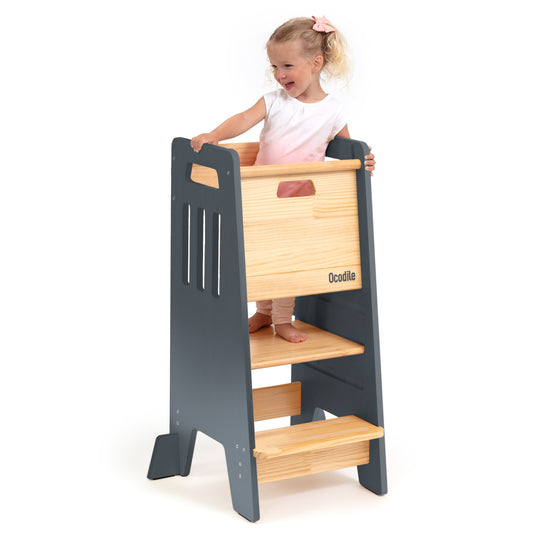
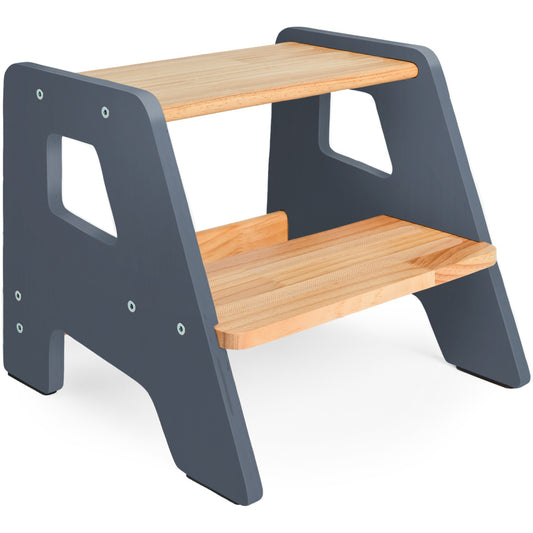
If you're building a safer, calmer play space at home, Ocodile offers child-focused furniture designed to support independence, family routines, and hands-on learning in a way that feels practical for everyday life.