



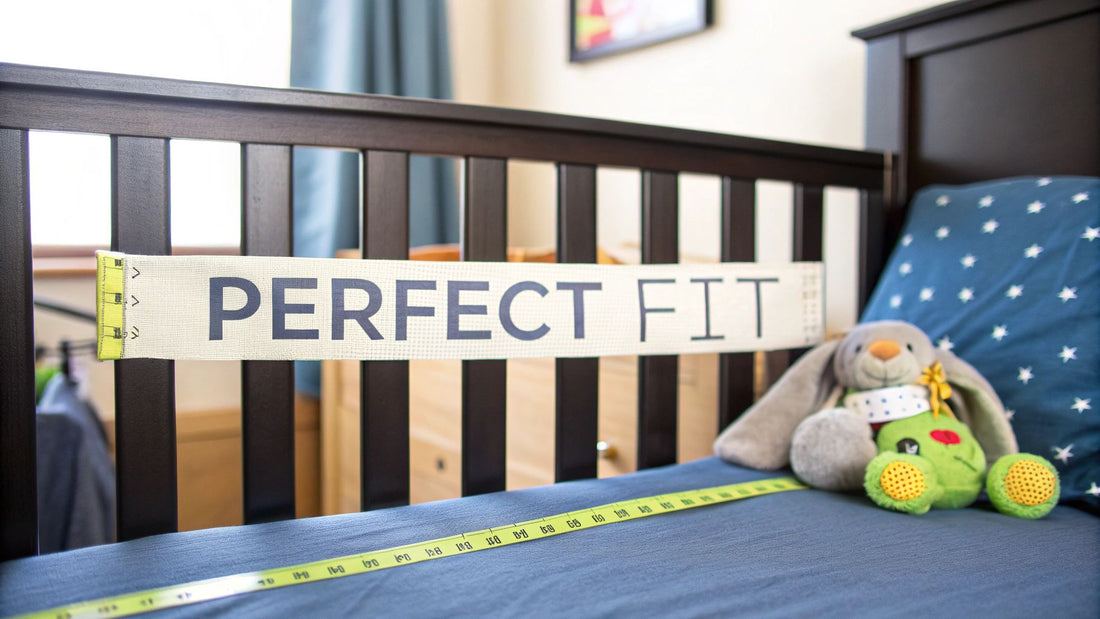
Toddler Bed Measurements A Parent's Guide to a Perfect Fit
Figuring out toddler furniture can feel like you're trying to solve a puzzle, but the good news is that toddler bed measurements are surprisingly straightforward.
In the United States, a standard toddler bed is built to hold a standard crib mattress. This is a game-changer for parents. It means the mattress your baby used in their crib will fit perfectly in their first "big kid" bed.
Typically, that means the mattress will be about 28 inches wide by 52 inches long (or 71cm x 132cm). This smart design makes the switch from crib to toddler bed easier on your wallet and more comforting for your little one.
Decoding Standard Toddler Bed Measurements
Moving to a toddler bed is a huge step for your child. It’s their first taste of independence—a special space that feels secure like a crib but offers the freedom of a regular bed. The best part? That seamless fit with their old crib mattress. You don't have to run out and buy a new one right away.
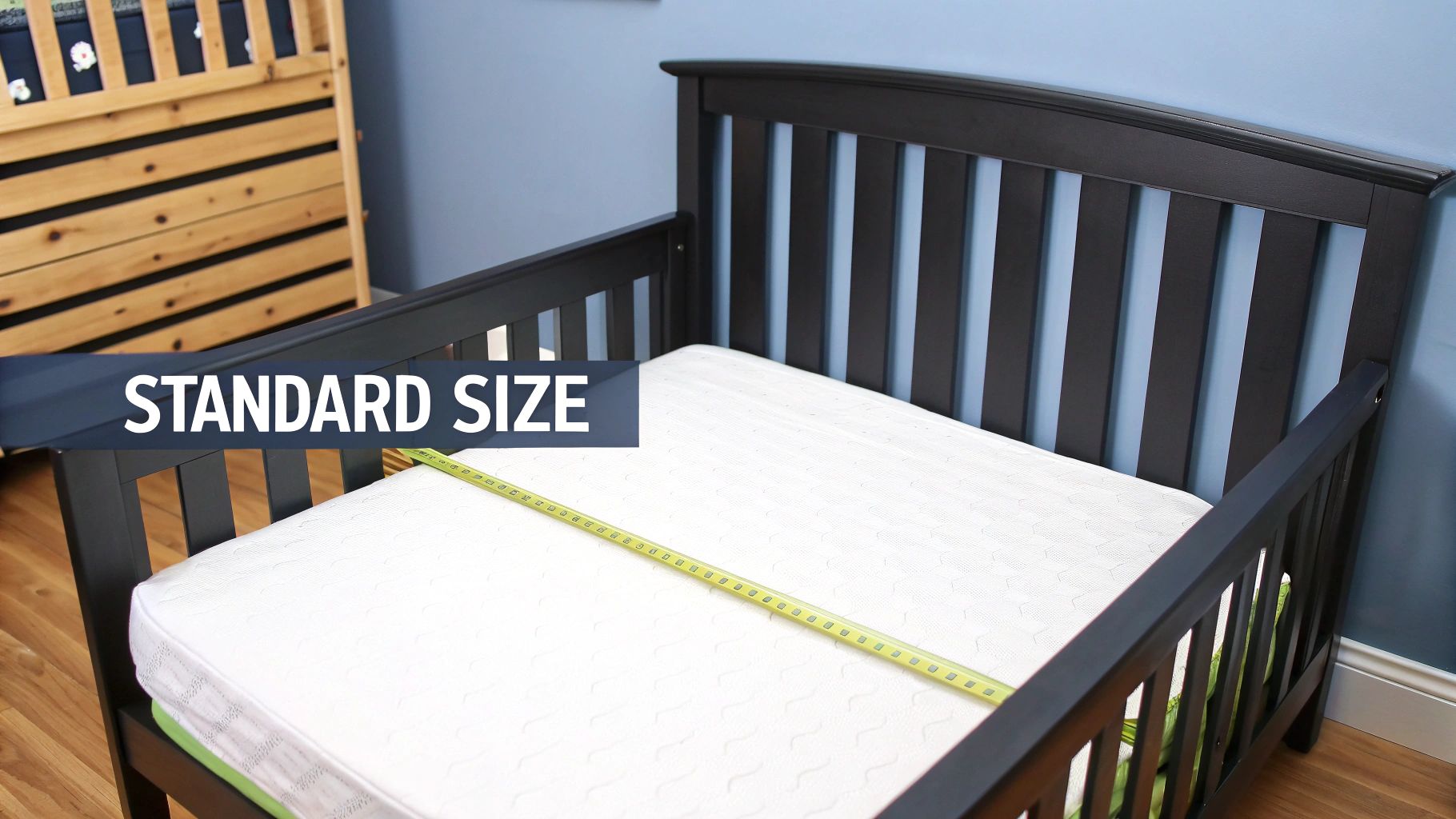
This isn't just a happy accident; it's by design. The industry has settled on these dimensions to make life simpler for parents. This consistency means you can mix and match frames and mattresses with confidence, knowing they're made to work together. It’s one less thing to worry about.
Global Size Variations
Now, here's a crucial tip: these measurements are standard in the US, but they aren't universal. If you're shopping from international brands or living abroad, you'll find that bed and mattress sizes can vary quite a bit from country to country.
The number one rule is to always measure both the bed frame and the mattress to ensure a snug, gap-free fit. This is the most critical safety check you can perform when setting up your toddler's new sleep space.
To give you a clearer picture, here’s a quick look at how standard toddler mattress sizes stack up around the world.
Standard Toddler Bed Mattress Dimensions By Region
This little cheat sheet shows why it's so important to double-check the labels and pull out the tape measure before you buy.
| Region | Imperial (Inches) | Metric (Centimeters) |
|---|---|---|
| United States | 28" x 52" | 71cm x 132cm |
| United Kingdom | 27.5" x 55" | 70cm x 140cm |
| Australia | 27" x 52" | 69cm x 132cm |
As you can see, the differences might seem small, but even an inch can create an unsafe gap.
Understanding these regional quirks is a big part of getting it right. If you want to see how this applies to bigger beds, this guide on understanding king size bed dimensions is a great comparison.
And when you're ready to pick the perfect one for your little sleeper, our guide on the best mattress for a toddler bed has all the in-depth advice you'll need.
Why The Right Bed Size Is a Developmental Milestone
Picking out a toddler bed is so much more than just choosing furniture. It’s a huge moment in your little one’s journey from baby to big kid. Getting the toddler bed measurements right creates a space that builds their independence, boosts their confidence, and, most importantly, keeps them safe during this big change.
A smaller, lower bed frame is a game-changer for safety. It drastically cuts down the risk of injuries from falls. Unlike a tall crib they might try to scale, a toddler bed is just a tiny, safe hop from the floor. That simple design feature gives parents like us so much peace of mind.
Fostering Independence and Confidence
Beyond just safety, think about the confidence boost your child gets from being able to climb in and out of bed all by themselves. This sense of autonomy is a big deal in child development—it's actually a core idea in Montessori learning, which is all about creating child-led environments. When they can control their own movement, their room starts to feel like it’s truly their space.
Empowering a toddler with this small piece of independence—climbing into their own bed when they are tired—is a foundational step toward self-reliance. It transforms their bed from a place of confinement into a cozy, personal retreat they can access freely.
This newfound freedom makes the switch from the crib feel less like a loss and more like an exciting upgrade. That positive vibe can make the whole process go a lot smoother. You can read more in our complete guide on transitioning from a crib to a bed.
Investing in a Secure and Cozy Space
Creating a safe and comfortable sleep space is a top priority for families everywhere. In fact, the global market for nursery furniture hit USD 9.7 billion in 2023, which just goes to show how much parents are investing in their child's well-being. This trend isn't just about buying stuff; it highlights a real understanding that the right-sized, quality furniture is a tool that supports healthy growth. You can see more on this growing market for quality children's furniture on gminsights.com.
Ultimately, the right toddler bed nails three key things:
- Ensures Physical Safety: Its low height and snug mattress fit minimize all the common risks.
- Builds Emotional Security: A cozy, accessible space helps ease the anxiety of leaving the familiar crib behind.
- Promotes Developmental Growth: It encourages independence and gives them a sense of ownership over their little world.
By paying close attention to the measurements, you’re doing more than just buying a bed. You're thoughtfully designing a space that supports your child's journey, one safe and confident step at a time. This careful consideration makes all the difference.
How to Measure Your Space for a Toddler Bed
Figuring out the right size for a toddler bed isn't just about the bed itself—it's about how it fits into your child's little world. A little bit of planning upfront can save you from that sinking feeling of realizing the perfect bed you just built won't actually fit in the room. Before you get started, it's always a good idea to check out a parent-to-parent guide on how to decorate a baby room, which really highlights why measuring first is so important.
To nail this, we’ll break it down into three simple tasks. Think of it as your mission: measure the frame, measure the room, and measure for safety.
Measuring the Bed Frame and Mattress
First things first, let’s focus on the bed. You need two key numbers: the inside dimensions of the bed frame and the outside dimensions of the mattress. The whole point is to get a snug, perfect fit that leaves no dangerous gaps where little arms or legs could get trapped.
A great rule of thumb is that you shouldn’t be able to fit more than two fingers between the mattress and the frame. Grab a reliable tape measure and get the length and width of both. Jot these numbers down so you have them handy when you're shopping.
Sizing Up the Nursery
Okay, now turn your attention to the room. Where do you picture the bed going? Measure the length and width of the wall space you’ve picked out for it.
Here’s a great little trick: use painter's tape to mark out the bed's footprint on the floor. This gives you a real, tangible visual of how much space it’s going to take up. You'll immediately see how it impacts the flow of the room. Can you still open the closet door all the way? Is there enough space to walk around it without bumping into things? An outline on the floor answers all these questions before you’ve spent a penny.
This process isn't just about logistics; it's about setting the stage for your child's growth.

As you can see, a well-measured, thoughtfully placed bed creates a safe foundation. That safety builds the confidence and independence your toddler needs to thrive.
Checking for Safety Clearance
Finally, let's talk about creating a buffer zone. Safety clearance is just a term for the empty space you absolutely need to leave around the bed to prevent accidents. This is a non-negotiable step in creating a truly safe sleep space for your little one.
Just follow these simple placement rules:
- Create a Landing Zone: Make sure there are at least 2 feet (or about 60 cm) of clear floor space on any side of the bed your child might use to get in or out.
- Avoid Hazards: Keep the bed away from windows, dangling blind cords, heaters, and big pieces of furniture they might be tempted to climb.
- Clear the Path: The path from their bed to the bedroom door should be totally clear, especially for those sleepy, middle-of-the-night trips to the bathroom or your room.
By measuring for this essential "safety bubble," you're doing more than just arranging furniture. You're designing a room that actively protects your curious explorer while they sleep and play, transforming it from a space with a bed into a genuine sanctuary.
Comparing Toddler Beds, Cribs, and Twin Beds
Deciding on your child's next bed can feel like a huge milestone. Do you stick with what you know, go for a gentle transition, or just leap straight into a long-term bed? The choice between a crib, a toddler bed, and a twin bed really comes down to a few key things: size, safety, and where your child is developmentally. Each one serves a very specific purpose in your little one's journey.
A crib is the ultimate safe space for a baby, with those high rails designed to keep them securely tucked in. But as they get bigger and more adventurous, those same rails can start to look like a jungle gym, which is a clear sign it's time for a change. And that’s where the big debate begins for most families.
Key Differences and Dimensions
Often, the biggest factor in this whole decision is just plain size. A crib and a toddler bed actually share the exact same mattress size, which is a huge plus. A twin bed, on the other hand, is a much bigger footprint in the room and a pretty significant physical leap for a small child. For some kids, that big jump is intimidating; for others, they can't wait to have all that extra space to sprawl out.
The real magic of a toddler bed is that it’s the perfect stepping stone. It gives your child the freedom of a "big kid" bed but with the security and scale of their old crib, making it a fantastic way to ease them into the change without it feeling too overwhelming.
To really see the difference, let’s break down what you get with each bed type. This should help you visualize how each one might fit into your child’s life—and your home.
Crib vs. Toddler Bed vs. Twin Bed: A Quick Comparison
Use this handy table to quickly compare the main features of each bed, from their average measurements to the ideal age range they're built for.
| Feature | Crib | Toddler Bed | Twin Bed |
|---|---|---|---|
| Typical Mattress Size (US) | 28" x 52" | 28" x 52" | 38" x 75" |
| Recommended Age | 0 - 2 years | 1.5 - 3.5 years | 3+ years |
| Key Pro | Maximum safety for infants with high, secure rails. | Low to the ground for easy access and minimal fall risk. | A long-term investment that lasts through childhood. |
| Key Con | Becomes a climbing risk once a child is tall enough. | A short-term solution that will be outgrown. | The larger size and height can feel intimidating for some toddlers. |
This table lays out the main trade-offs pretty clearly. The toddler bed offers that gentle, low-risk transition, and you can often use the same mattress and bedding you already own. A low-profile toddler platform bed can be a fantastic choice here, since it combines the safety of being close to the floor with a cool, modern look that kids really love.
On the flip side, skipping straight to a twin bed is more budget-friendly in the long run, but it definitely requires more safety gear, like sturdy guard rails, to prevent tumbles. The right choice really depends on your child’s personality, your budget, and how much space you’re working with in their room.
Common Measurement Mistakes Parents Make
Even with the best intentions, it's easy to make small measuring mistakes that can snowball into big headaches. We've seen it happen. Let's walk through the most common pitfalls so you can get your toddler bed measurements right the first time and build a safer sleep space for your little one.
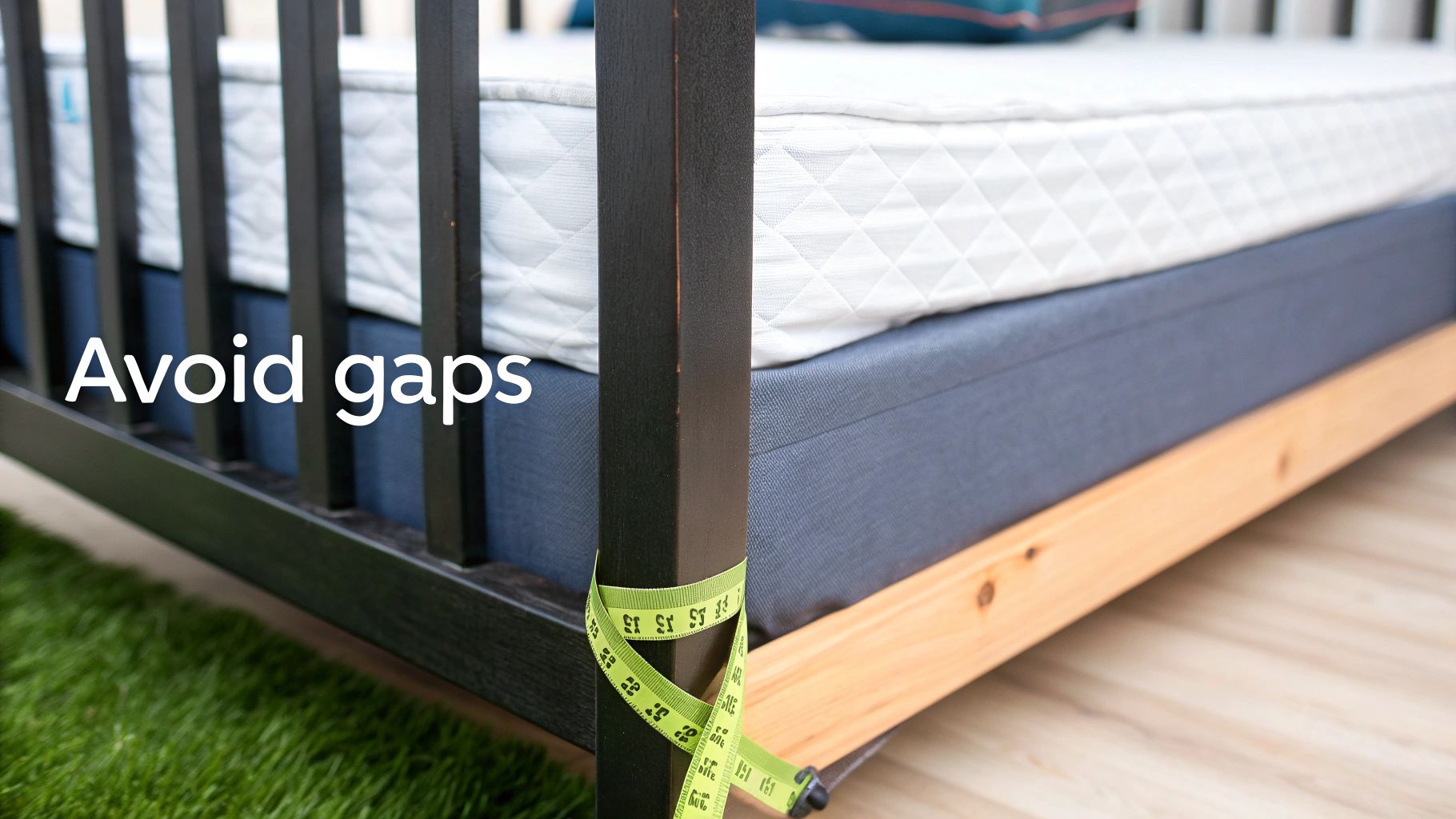
The number one rule is simple enough: measure twice, buy once. A quick double-check with a tape measure can save you a world of trouble down the line, ensuring everything from the mattress fit to the room layout is perfect for your child.
Falling Into The Gap Trap
The most critical—and surprisingly common—mistake is what we call the "Gap Trap." This happens when you buy a mattress that’s just a little too small for the bed frame. It creates dangerous gaps along the sides, head, or foot of the bed where a child’s limbs, or even their head, could get stuck. This is a major safety hazard.
For example, a parent might fall in love with a beautiful bed frame from a UK-based company and grab a standard US crib mattress, assuming they’ll fit. But as we’ve already covered, those international sizes are different. Even a one-inch difference is more than enough to create an unsafe gap.
Safety First Solution: Always measure the interior dimensions of the bed frame and compare them to the exterior dimensions of the mattress. As a solid rule of thumb, you shouldn't be able to fit more than two fingers between the mattress and the frame. A snug fit is a safe fit.
Forgetting About Delivery Day Logistics
Another frequent oversight is focusing so much on the nursery that you forget about the journey the bed has to take to get there. That gorgeous, fully assembled bed frame is useless if you can't get it up the stairs or through a tight hallway.
Imagine the frustration of having the perfect bed delivered, only to realize it won't make that sharp pivot on your stairwell. This mistake can lead to return shipping fees, long delays, and a whole lot of unnecessary stress.
To avoid this headache, remember to measure:
- Doorway Width and Height: Check every single door the bed will need to pass through.
- Hallway and Stairwell Clearance: Make a note of the width and any tight corners or low ceilings.
- Box Dimensions: Before you click "buy," find the shipping box dimensions on the product listing—not just the assembled bed size.
Underestimating Clear Floor Space
Finally, many parents measure the exact spot for the bed but forget to account for the crucial "breathing room" around it. A bed squeezed into a corner without enough clear space isn't just cramped—it’s unsafe. Your toddler needs a soft, clear landing zone for wobbly entries and sleepy nighttime exits.
Without this buffer, a simple tumble out of bed could end with a bump against a hard dresser corner or a pile of toys. Aim for at least two feet of clear floor space on any side of the bed that isn't pressed against a wall. This simple step helps turn their room into a true sanctuary.
Your Toddler Bed Questions, Answered
Even with all the measurements and specs, it's totally normal to have a few more questions rattling around. When it comes to your kid’s safety and comfort, you want to be 100% certain. This is your quick-and-easy guide to the most common concerns we hear from parents.
Let's clear up those last few doubts so you can feel great about moving forward with this exciting "big-kid" bed transition.
Can I Use A Crib Mattress In A Toddler Bed?
Yes, you absolutely can! This is one of the best parts of making the switch. Most standard US toddler beds are designed to fit a standard crib mattress, which is typically 27.25 inches wide by 51.625 inches long. It’s a thoughtful design detail that saves you money and helps the new bed feel familiar and cozy for your little one.
The one thing you absolutely must do is double-check the exact measurements of your frame and mattress. A snug fit with no gaps is non-negotiable for safety.
What Is The Right Age To Move to A Toddler Bed?
There’s no magic number here, but most kids are ready sometime between 18 months and 3 years old. That said, some research suggests that waiting until your child is closer to 3 can make for a much smoother transition with fewer bedtime battles.
The key is to look for signs of readiness, not just a date on the calendar.
- Is your toddler trying to climb out of the crib? This is a huge safety sign that it’s time to make a move.
- Are they asking for a "big kid" bed? If they’re showing interest, that’s a great signal that they’re emotionally ready.
- Have they just gotten too big for the crib? Sometimes, it's as simple as them needing more room to sleep comfortably.
These developmental cues are way more important than their age. A low-profile bed, like a floor bed, can make the whole process feel less intimidating and a lot more fun.
How Much Space Should I Leave Around The Bed?
Safety first, always. You'll want to aim for at least 2 feet of clear floor space on any side of the bed your child might use to get in and out. Think of this as their "soft landing zone." It’s all about minimizing the risk of bumps and bruises from those inevitable tumbles.
Be sure the bed is positioned well away from any potential hazards. That means windows, dangling blind cords, heaters, and any furniture they might be tempted to climb. Keeping this area free of hard toys or clutter gives them the freedom to move around safely and independently.
By creating this safety buffer, you're not just placing furniture—you're designing a room that actively protects your curious explorer. This simple step is fundamental to creating a genuine sanctuary for them.
Are Toddler Bed Measurements Universal?
No, and this is a critical point to remember, especially if you’re shopping online or looking at international brands. While the US has a fairly consistent standard size, these dimensions can vary quite a bit from country to country.
For instance, a common UK "cot bed" mattress is often 70cm x 140cm (about 27.5" x 55"), which is noticeably longer than its US cousin. Australian mattresses are slightly different, too. If you’re buying a frame from one region and a mattress from another, you have to verify the exact measurements of both. It's a common mistake to assume they'll fit, but that assumption can lead to an unsafe setup with dangerous gaps. Always measure twice to be sure.
At Ocodile, we design our furniture with these critical safety and developmental milestones in mind, creating beautiful floor beds that make the transition to a "big kid" bed both safe and exciting. Explore our collection to find the perfect fit for your family's journey. Learn more at https://ocodile.com.