



Best 10 Inch Memory Foam Mattress Queen
You're probably comparing tabs right now. One mattress says “cooling,” another says “pressure relief,” and a third promises “perfect support for everyone.” Meanwhile, you're not shopping for “everyone.” You're shopping for your child's room, a guest room that your child may also climb into, or a floor bed setup that needs to feel safe as much as comfortable.
That's where a 10 inch memory foam mattress queen gets tricky. It's a very common choice, and for many homes it works well. But families with young children have a different checklist than solo adult sleepers. Bed height matters. Edge behavior matters. Cleanability matters. So does what's inside the foam.
If your child's sleep space includes rugs, upholstered pieces, and soft surfaces that tend to collect dust, it also helps to think about the whole room, not just the bed. These practical J.G. Carpet Cleaning dust tips can help parents reduce dust buildup around sleep areas. And if you're specifically considering a low-to-the-ground setup, this guide to a queen floor bed for families can help you picture how the mattress fits into the room as a whole.
Why Choosing the Right Mattress Matters for Your Family
A mattress in a family home does more than support sleep. It becomes a reading spot, a landing place for morning cuddles, a sick-day recovery zone, and sometimes a temporary parent bed when a child needs extra comfort at night.
That's why “popular” isn't always the same as “best for your situation.” A queen mattress gives you enough room for an adult and child to share space when needed. A memory foam model can feel gentle and quiet, especially if one person moves a lot. But if the same mattress is going into a child-centered room, the questions change.
The family version of mattress shopping
Parents usually ask things like:
- Will it feel comfortable enough for everyday sleep
- Will it work for a child who sits, bounces, or climbs on the edge
- Will it be too tall for a floor bed
- Will it be manageable to move, clean, and live with
Those are smart questions. They shift the focus from showroom comfort to daily life.
A good family mattress should fit the room, the child's stage, and the way the bed will actually be used.
A queen is especially appealing because it gives flexibility. It can serve a growing child now and still work later as a guest bed or shared family sleep space. That kind of versatility is a real benefit in smaller homes.
Why this choice feels confusing
Part of the confusion is that most mattress advice is written for adults sleeping alone or with a partner. Parents, though, often need to think about safety and independence too. A mattress that feels wonderful for a back-sleeping adult might be less ideal in a Montessori-style room where a young child gets in and out independently.
That doesn't mean a 10 inch memory foam queen is a bad choice. It means it needs context. In some rooms, it's a practical, comfortable option. In others, especially low bed setups for young children, it may not be the best fit.
The safest and most helpful way to choose is to look at the mattress as part of a system. Height, firmness, foam quality, room size, and your child's age all work together. Once you see it that way, the choice gets much easier.
What's Inside a 10-Inch Memory Foam Mattress
A 10 inch memory foam mattress has a simple job. It needs to feel gentle on top while staying steady underneath. For parents, that balance matters because a mattress in a child's room often does more than support sleep. It becomes a reading spot, a cuddle spot, and sometimes a landing place for a child who climbs in and out on their own.
A queen size gives plenty of room, but the inside of the mattress matters more than the label on the outside. The easiest way to understand it is to look at the layers from top to bottom, the same way you would look at the parts of a car seat or stroller. Each part has a different role, and the whole mattress only works well when those parts work together.

Four layers, four jobs
Many 10 inch memory foam mattresses include these basic parts:
Cover
The cover is the fabric shell around the mattress. It affects first impressions more than deep support, but it still matters in family life. A cover can feel cool, stretchy, quilted, or smooth. It is also the part parents notice first during sheet changes, spills, and bedtime routines.
If the mattress is going into a child's room, a removable or easy-to-clean surface can make daily care less frustrating.
Memory foam comfort layer
This is the pressure-relief layer. It softens under body heat and weight, which is why memory foam has that slow, contouring feel. A child lying still for sleep may find that cozy. A parent lying beside them for stories may also like the way it cushions shoulders and hips.
The tradeoff is response time. Memory foam does not bounce back quickly like latex or a springy coil bed. That slower feel can reduce motion across the mattress, but it can also make the surface feel less easy to push off from, especially for some children who like a more responsive bed.
Transition layer
The transition layer sits between the soft top and the firmer base. It acts like the buffer between a pillow and the floor. Without it, the mattress can feel pleasant for a minute, then suddenly too hard once the body sinks through the top layer.
This middle layer often decides whether a 10 inch mattress feels balanced or overly plush. For families, that matters because children are lighter than adults. A mattress that feels softly supportive to a parent may feel firmer and flatter to a small child.
High-density support core
The bottom section is the support core. It holds the mattress shape and keeps the sleeper from sinking too far. In a 10 inch model, this base usually makes up a large share of the total height, which is one reason this profile can feel steadier than very thin foam beds.
That steadiness can be useful in a guest room or a child's room with a standard frame. It can be less ideal for families trying to create a very low, easy-entry Montessori floor bed, because the mattress still has enough height to raise the sleep surface more than some parents expect. If you are comparing room setups for younger children, this guide to the best mattress for a toddler bed can help clarify what lower-profile sleep setups are designed to do.
What the 10-inch height usually means
Ten inches is often a middle-of-the-road profile. It is taller than a basic budget foam mattress, but not as bulky as many deep pillow-top or hybrid models. That middle height usually allows enough room for comfort layers plus a support base, which is why many adults find it comfortable for regular use.
For family use, the question is less about whether 10 inches is good in general and more about what that height does in the room. On a low platform, it may still feel manageable. On a tall frame, it can create a climb for a young child. On the floor, it may feel cushioned and roomy, but also more mattress than a toddler needs.
Queen dimensions are listed in Amerisleep's mattress size and dimensions guide, and that extra width is part of the appeal for families. A queen can give a child room to grow and still work later for guests. If the room is being furnished from scratch, some parents pair that long-term thinking with other bedroom pieces or premium nursery furniture options before deciding whether a full nursery setup or a larger child bed makes more sense.
Here is the plain-language version of what these layers mean in daily life:
- Soft upper foam cushions pressure points.
- A transition layer keeps the bed from feeling too sinky or too abrupt.
- A dense base adds structure and helps the mattress hold up over time.
- A 10 inch profile often feels like a middle ground between thin and bulky.
That is the basic anatomy. Once you know which layer does what, the label “10 inch memory foam mattress” stops sounding technical and starts sounding more practical.
Pros and Cons for Children and Guest Rooms
At bedtime, a queen mattress can solve one family problem and create another. A parent may love the extra space for reading stories or lying next to a child during a rough night, while the same mattress may sit too high for a young child who is learning to climb in and out alone. That family-centered tradeoff matters more than the marketing label.
A 10 inch memory foam queen usually fits best in rooms that need to do double duty. Guest rooms are the clearest example. The mattress has enough cushioning to feel inviting for visiting grandparents, and the queen size leaves room if a parent ends up sleeping there with a child who wakes often or feels sick.
It can also work well in a child's room on a low, stable frame. For school-age children, that extra surface area can be practical, not excessive. There is room for bedtime books, a parent at the edge of the bed, or a child who sprawls sideways in sleep.
Here are the main advantages in everyday family use:
- Gentler pressure relief can feel more comfortable for children who sleep on their side and for adults who join them at bedtime.
- More shared space helps during story time, illness, nightmares, or early morning cuddles.
- Less motion transfer means one sleeper's turning usually bothers the other less.
If you are weighing a queen against a smaller child mattress, this guide to the best mattress for a toddler bed can help you sort out when extra size is useful and when it takes up more room than your child needs.
The biggest caution is height in a floor-bed setup.
A Montessori-style floor bed is meant to support easy, low-risk independence. A 10 inch mattress can work against that goal for very young children because it creates a taller surface to climb onto and a higher edge to roll off. The issue is not that memory foam is bad. The issue is that the mattress profile may not match the purpose of the room.
A simple way to picture it is to compare a low curb with a taller step. Both are reachable, but one is easier for small legs to handle and gentler if a child slips during the learning stage.
If your child is under 5 and the bed is on the floor, a lower mattress height is often the safer and more practical fit.
Mattress Height for Kids' Floor Beds A Safety Comparison
| Feature | 6-8 Inch Mattress (Recommended) | 10-Inch Mattress |
|---|---|---|
| Floor bed suitability | Better aligned with Montessori-style use | Often too tall for ideal floor bed use |
| Getting in and out | Easier for very young children | Higher climb up and down |
| Fall concern for children under 5 | Lower profile supports safer exits | May increase fall risk in floor bed setups |
| Pressure relief feel | Can feel firmer, depending on build | Often offers more cushioning |
| Best fit | Child-focused floor beds | Guest rooms, standard frames, older kids |
Room planning also matters. A queen mattress changes how children move through the space, where you place rugs, and how much open floor remains for play. Parents setting up a room from scratch sometimes find it helpful to compare bed size with storage needs and other premium nursery furniture options before settling on a layout.
For a guest room, an older child, or a standard low bed frame, a 10 inch memory foam queen can be a comfortable, flexible choice. For a young child's Montessori floor bed, it is often more mattress than the setup calls for.
What to Look For Beyond the Label
You are standing in a store or scrolling late at night, and two mattresses sound almost identical. One says “cooling comfort.” The other says “premium pressure relief.” Neither phrase tells you what will sit in your child's room, under your child's face, for years.
That is why labels matter, but only the labels that can be checked.
The first one many parents look for is CertiPUR-US®. This certification applies to the foam, not the whole mattress, and it tells you the foam was tested for certain substances and for low VOC emissions. In plain language, that gives you a clearer answer than soft marketing words do.

Why this matters in a child's room
Children use a mattress differently than many adults do. They sleep on it, of course, but they also climb, cuddle with books, build blanket forts, and sometimes nap with their nose pressed right into the surface. For a family choosing a queen mattress for a child's room or shared bedtime routine, material safety deserves the same attention as comfort.
A foam mattress can also have a temporary odor after unboxing. That smell often comes from packaging and the foam expanding after compression. The smell alone does not tell you whether a mattress is safe or unsafe. The better question is whether the materials were screened and whether the company explains that clearly.
If you want to be even more careful about indoor air quality, it helps to compare foam certifications with products that meet stricter finished-product standards, such as GREENGUARD Gold certified nursery and kids' furniture.
A practical checklist for parents
Keep your checklist simple:
- Check for CertiPUR-US® on the foam, not just vague wording about “clean materials.”
- Read what the certification covers. Some labels apply to foam layers only, while covers, adhesives, and fire barriers may be described separately.
- Look for clear material details. A trustworthy listing usually tells you what the cover is made from and how to care for it.
- Let the mattress air out in a ventilated room before your child sleeps on it if you notice an unpacking odor.
- Add a washable protector to help with spills, sweat, and the bedtime accidents that happen in real family life.
Good mattress shopping works like reading an ingredient label on food. The more clearly a brand explains what is inside, the easier it is to trust what you are bringing home.
Don't let soft language do the deciding
Words like “luxury,” “hotel-style,” and “sleep innovation” do not tell you much. Parents setting up a child's room need details they can verify. What is the foam certified for? What is the cover made from? Can you remove it or clean it? How long should the mattress air out before use?
Those questions become even more useful if the mattress may serve more than one role. A queen mattress in a kid's room often becomes a sleep space for story time, sick nights, visiting grandparents, or a parent who lies down beside a restless child. In that kind of family setup, clear material information is more helpful than polished branding.
If a product page stays vague, I would skip it. A mattress that works well for family life should be easy to understand before it ever arrives at your door.
Matching a Mattress to Your Family's Sleep Needs
Some families need one mattress to do several jobs at once. It might be your child's main bed, a place where a parent lies down at bedtime, and a guest bed on weekends. That's why comfort can't be judged by one person's quick test sit.
A 10 inch memory foam queen tends to work best when you match it to how the bed will be used, not just how it feels in the first minute.
Take a look at the main decision points below.

Start with who sleeps there most
If the bed is mostly for an older child or teen, memory foam may feel cozy and stable. If a parent often joins at bedtime, the Queen width gives useful room to settle in without hanging off the side.
If the main sleeper is a hot sleeper, look closely at the comfort layer description. Some models use gel-infused foam or breathable covers. Those features may help, but they don't change the basic feel of memory foam, which many people experience as closer and more contouring than springier mattress types.
Here's a simple way to think about sleep position:
- Side sleepers often like contouring because it softens pressure at the shoulder and hip.
- Back sleepers usually need a balance of cushion and pushback.
- Stomach sleepers often prefer a firmer feel so the midsection doesn't dip too much.
Notice edge behavior and daily habits
Children rarely use a bed the way mattress ads show adults using it. They sit on the edge to put on socks. They climb in from the side. They scoot toward the perimeter during stories.
That makes edge feel important. A memory foam mattress may feel softer at the sides than some other constructions. For some families that's fine. For others, especially if the bed doubles as a daytime hangout space, a more stable edge may matter.
This video gives a useful visual overview of what to consider while comparing mattress features:
If healthier materials are high on your list, this overview of GREENGUARD Gold certified furniture and materials can help you think more broadly about what belongs in a child's room.
Use this quick decision filter
Ask these questions before you buy:
-
Is this for a floor bed or a standard frame
That answer changes everything. -
Who sleeps here most often
A toddler, an older child, a parent, and a guest all use the same mattress differently. -
Will someone sit on the edge every day
If yes, pay closer attention to structure and perimeter feel. -
Does anyone sleep warm
If yes, don't assume all foam feels the same. -
Am I choosing by label or by verified details
This question alone can save you from a flashy but unsuitable mattress.
A good family choice isn't the mattress with the most features. It's the one whose features match your actual bedtime routine.
Mattress Care and Smart Buying Decisions
Once the mattress is in your home, the ultimate test begins. Family mattresses collect the evidence of family life. Crumbs, story time snacks, damp hair after baths, nighttime accidents, and the occasional mystery spot all seem to find their way onto the bed.
The easiest protection is a waterproof, washable mattress protector. It creates a practical barrier without changing the whole feel of the mattress too much. For a child's room, I'd call that a basic need, not an optional add-on.
Simple care habits that help
A few routines make ownership easier:
- Use a protector from day one so spills don't soak into foam.
- Rotate the mattress regularly if the manufacturer recommends it, especially when one side gets more use.
- Clean spills quickly by blotting, not soaking.
- Let the bed breathe after accidents or deep cleaning before putting all bedding back on.
A mattress lasts better when parents treat small messes early, before they become deep stains or lingering odors.
Read the fine print like a parent
Buying decisions shouldn't stop at comfort. You also want to know what happens if the mattress doesn't work out.
Look for these details before you order:
- Sleep trial terms because some brands expect an adjustment period before returns.
- Return steps so you know whether pickup is included or if conditions apply.
- Warranty exclusions since stains or improper support may affect coverage.
- Foundation requirements because using the wrong base can create problems later.
Keep your expectations realistic
A mattress can be a very good fit without being perfect at everything. A 10 inch memory foam queen may offer a comforting, spacious sleep surface for a guest room or an older child. It may also be the wrong choice for a very young child's floor bed. That's not a flaw. It's just a reminder that the right mattress depends on where it's going and who's using it.
When parents choose with safety, cleanability, and real-life use in mind, they usually make better decisions than when they chase marketing promises.
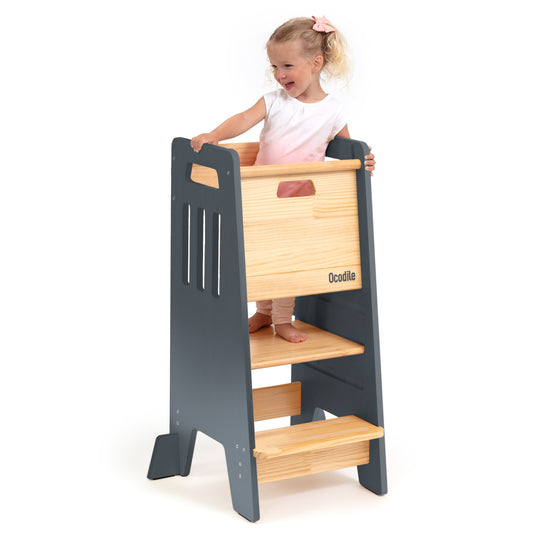
If you're building a safer, more practical sleep space for your child, Ocodile offers child-focused furniture designed to support independence, everyday family routines, and thoughtful room setups. Their approach is especially helpful for parents creating Montessori-inspired spaces that need to feel secure, functional, and easy to live with.