



Kids Raised Bed: A Parent's Guide to Safe Garden Beds
You've got a shovel in one hand, a toddler tugging at your sleeve, and a patch of ground that looked promising until you tried to use it. The plants get stepped on, the soil feels hard, and your child can't quite reach the center of the bed without climbing in. A kids raised bed solves that everyday family-garden problem by giving you a space that's easier to reach, easier to protect, and easier to turn into something a small child can help with.
Why Raised Beds Transform Family Gardening
A family garden usually starts with good intentions and ends with muddy shoes. In-ground beds can work beautifully for adults, but young children change the equation fast. Little feet compact the soil, tiny arms can't reach far, and the shape of the garden is often too vague for a child to understand where to step, where to plant, and where to leave the soil alone.
That is where a raised bed makes a difference. The USDA National Agricultural Library describes raised beds as “improved areas of soil raised above ground level”, and that raised shape matters in family life because it separates the growing space from the walking space. A child can stand next to the bed instead of on it, which helps protect the soil structure and gives the garden a clear boundary. The University of Georgia Extension also notes that beds for children are easiest to manage when they're about 3 feet wide, with 12-inch minimum paths between beds and 18 to 24 inches preferred for comfort, because those dimensions keep access manageable for small gardeners. UGA raised bed dimensions guidance
What families notice first
Parents usually notice two things right away. First, children want to participate more when they can reach the plants without stretching or asking for constant help. Second, the bed stays neater because there's a clear place to stand, kneel, water, and harvest.
Practical rule: if your child can't touch the middle of the bed without climbing in, the bed is probably too wide for independent use.
The strongest early wins are simple. A preschooler can drop seeds into a shallow row, pat soil over them, and check for sprouts the next day. A toddler can water with a small can, gather leaves, and point out worms without wandering through the planting area.
Families also use raised beds to make gardens feel intentional instead of accidental. A small raised box on a patio, in a side yard, or beside a play space gives children a visible, repeatable place to garden. That predictability helps young kids treat the bed like a special work area instead of a sandbox.
For families who want to connect garden time with open-ended play, the ideas in these natural play ideas pair well with a bed that invites touching, sorting, watering, and observing. Raised beds don't just improve growing conditions. They make gardening legible to children.
Understanding Kids Raised Bed Dimensions and Design
A good kids raised bed makes gardening feel reachable from a child's point of view. The best design is not the tallest frame or the deepest box, it is the one a child can understand, reach, and use without strain. Families often focus on appearance first, then discover that width, path spacing, and bed height are what decide whether a bed is usable for small bodies.
Width and path spacing that actually work
For children, the University of Georgia Extension recommends a bed width of about 3 feet, because that keeps the center within reach for planting and harvesting. It is narrow enough for small gardeners to manage, yet wide enough to grow real food without making every task feel cramped. The same guidance says paths should be at least 12 inches wide, with 18 to 24 inches preferred for comfort, so a child can move around the bed without bumping the edges or feeling boxed in. UGA raised bed dimensions guidance
That spacing does more than save elbows. A preschooler carrying a watering can needs room to stop, turn, and set it down without toppling into the bed. A narrow path turns a simple job into a balance problem, the same way a hallway feels harder to cross when furniture is in the way.
The chart below is a quick visual reference for age-appropriate height and safety features.

Height should match reach, not adult comfort
Height is the part that trips up many parents. A bed that feels easy for an adult to lean over can still be too tall for a toddler to use independently. Child-sized build guidance from Fine Gardening points to a practical design of about 20 inches total height, with a minimum 10 inches of soil depth and 14 to 18 inches ideal for vegetables and herbs. Fine Gardening child-sized raised bed guidance
That gives families a useful starting point. Lower beds are easier for younger children to touch, water, and plant directly, while slightly taller designs can work once a child is steadier on their feet and more comfortable standing at the edge. If the rim forces your child to lean hard across the top, the design is asking for help from an adult instead of supporting independent use.
A child should be able to reach the planting area with a small stretch, not a full-body lean.
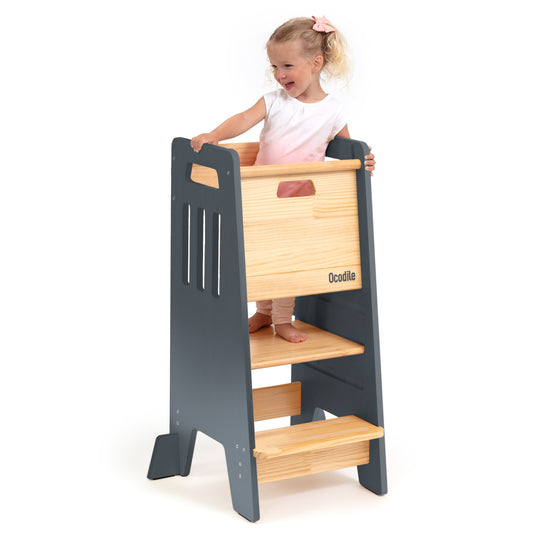
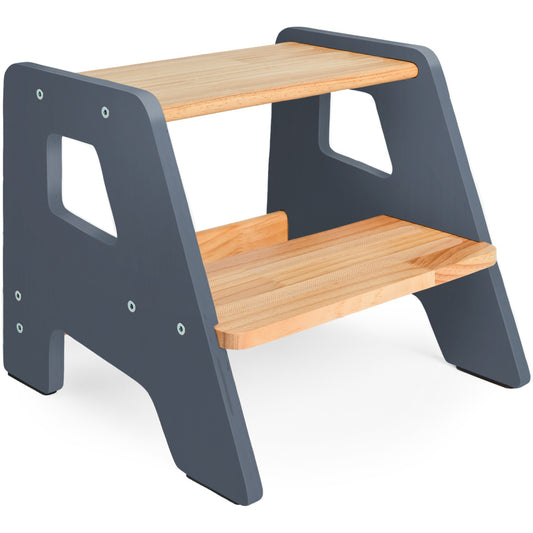
For a quick check at home, step stool height guidance for children can help you think about what “within reach” looks like for small bodies, especially when you are deciding whether a toddler needs a lower bed or a preschooler can manage a slightly taller one.
Raised beds also make sense in family gardens because they solve a simple access problem. They create a contained area that is easier to organize than an in-ground plot, especially in small yards, patios, or shared spaces. That kind of setup feels clear from the start, which helps children understand where gardening happens and where walking happens.
Age-Appropriate Height and Safety Considerations
A safe kids raised bed has to do more than hold soil. It needs to stay steady when a child leans on it, stay easy to reach when a child stands beside it, and stay low enough that young hands can garden without wobbling or stretching too far. The test is simple. Can a child use it with little help, without the bed turning into something they have to climb or balance against?
Toddlers need low, steady access
Toddlers usually do best with a bed that keeps the planting area close to the ground. At that age, children are often more interested in kneeling, squatting, touching soil, and splashing water than standing still for long. A lower bed feels inviting, and it also reduces the chance that a child will grab the edge and use it like a rung, which can create a tipping risk.
A practical fit check works better than guessing. Stand your child beside the bed and watch whether they can reach the edge with a small stretch while keeping their feet planted. If they need to climb, hang on, or tip their body forward to do basic tasks, the height is too much for toddler independence.
Preschoolers and older children can manage a bit more height
Preschoolers usually have better balance, better body awareness, and more control over how they move around an edge. That gives them room to handle a slightly taller bed, as long as the frame is solid and the working surface still stays within easy reach. The Fine Gardening child-sized raised bed guidance points to a 20-inch total height as a practical raised design, which helps explain why many family gardens settle in that range for mixed-age use.
A child who can stand, lean lightly, and reach the middle without strain is in a good zone. A child who has to climb on the rim, brace with both hands, or ask for help every time they plant seeds is not really gardening independently. For a quick sense of what “within reach” looks like for small bodies, this step stool height guide is a useful comparison point, because the same body-size logic applies here. A bed should match the child, not ask the child to work like a small adult.
Stable edges matter: kids lean, bounce, and sit on garden borders. Corner bracing and a solid frame reduce the chance of movement when that happens.
Observation tells you the most. Watch your child plant, water, and harvest. If they stay balanced, reach without strain, and treat the bed as a place to work instead of a surface to climb, the height is probably a good fit.
Choosing Materials That Last and Stay Safe
A child-sized garden bed can look perfect on paper and still feel awkward in real use if the materials are rough, flimsy, or hard to maintain. Parents usually notice the problem once a child starts leaning on the rim, brushing bare arms along the edge, or trying to help with watering every day. The right material choice makes the bed safer to touch, easier to care for, and more likely to stay useful as your child grows.
Wood, composites, and the trade-offs
Cedar is a common family choice because it naturally resists rot and usually feels comfortable under small hands. It gives a raised bed a warm, familiar look, which many families prefer in a home garden. The main drawback is cost, especially if you plan to build more than one bed or add to the garden later.
Pressure-treated lumber can be durable and more affordable, but parents need to look closely at how it is treated and how smooth the surface feels. In a child-focused garden, splinters and unknown coatings matter because young children grip edges, sit on corners, and rub their hands along the frame without thinking about it. Ask questions before buying, and choose only lumber that feels appropriate for close contact.
Recycled composite materials are another option for families who want less upkeep. They can last a long time and avoid some of the regular maintenance that wood requires. They may also feel less natural to the touch and can heat up in direct sun, so placement and surface temperature deserve attention if children will use the bed independently.
Make the bed last without sacrificing drainage
Fine Gardening notes that regular lumber may rot in 3 to 6 years, and lining the bed with geotextile can extend service life while still allowing drainage. That matters for families who want a child-height bed to stay in place long enough to support more than one stage of childhood. Fine Gardening child-sized raised bed guidance
For a parent standing in the hardware aisle, the checks are simple.
- What is the wood treatment? Ask before buying so you know what will sit beside the soil and children's hands.
- Are the edges smooth? Small hands find rough spots quickly, especially when they lean in to plant or water.
- Will this hold up if a child leans on it? The frame should feel steady, not loose or shaky.
- Can the liner preserve drainage? Healthy roots need water to move through, not sit trapped around them.
If you want a finishing option that is easier to feel good about around children, this non-toxic wood finishes resource is a helpful reference before you seal or protect exposed lumber.

The soil under the frame matters too, because a bed that sits over stubborn clay needs more thought than a bed placed on already workable ground. Families dealing with heavy soil can use the Barefoot Organics clay solution to think through drainage and structure before the bed is filled. Good materials on top and good support underneath work together.
Soil Preparation and Planting Strategies for Young Gardeners
A child is more likely to stay interested when the soil is easy to work with and the plants show progress quickly. That's why a successful kids raised bed starts with a mix that drains well, holds enough moisture, and feels loose enough for small hands to dig into without frustration.
Start with a soil mix children can handle
In major English-language gardening guidance, youth-gardening educators often recommend a 50/50 mixture of compost and topsoil for many plants. Kids Gardening raised beds guidance That mix gives you a practical base for most family beds, especially when you want soil that's workable and rich enough for beginner crops.
If your native soil is heavy clay, it helps to look for practical amendment guidance before filling the bed. A useful reference is Barefoot Organics' clay soil amendment guide, which can help you think through how to improve drainage and structure in stubborn soil. Good garden soil should crumble in the hand, not feel like a brick or a paste.
Choose plants that reward attention
Young gardeners usually do best with plants that show visible changes quickly and don't require complicated pruning or staking. Herbs and faster-growing vegetables keep children engaged because they can observe progress in days or weeks rather than waiting through a long, silent stretch.
A few practical ways to keep the experience child-friendly:
- Use shallow rows for seeds. Small seeds are easier to place when the bed surface is loose and even.
- Make transplant holes wider than the root ball. Children can help tuck seedlings in without crushing them.
- Label each section clearly. A child is more interested when they know exactly which plant is theirs.
- Water gently. A small watering can teaches control better than a strong hose stream.
Soil prep is also a great sensory task. Let children scoop, pour, smell compost, and pat the surface flat. Those small jobs teach them that gardens are built, not just planted.
Keep the soil usable through the season
Raised beds need less fighting than in-ground beds, but they still benefit from occasional top-ups and gentle care. When the surface settles, add more finished compost and mix it lightly into the top layer. If you garden for more than one season, this habit helps keep the bed loose and productive without a full rebuild.
The key is to keep the process visible. Children learn best when they can see that soil changes, plants change, and care matters.
Your Complete Kids Raised Bed Decision Checklist
A parent-friendly kids raised bed doesn't have to be perfect. It does need to match your child's size, your space, and the level of independence you want them to have. If you can answer the right questions before you build or buy, you'll avoid most of the frustration families run into later.
Use this checklist before you commit
- Measure reach first. Your child should be able to touch the planting area without climbing in or leaning hard over the edge.
- Keep the width manageable. The child-sized guidance that points to about 3 feet wide is useful because it balances reach and growing room. UGA raised bed dimensions guidance
- Leave enough path space. Narrow paths make young children stumble; wider paths feel calmer and safer.
- Check stability. If the bed wiggles when your child puts weight on the side, it needs stronger construction.
- Choose a child-friendly material. Smooth edges, low splinter risk, and sensible durability matter more than looks alone.
- Plan the soil before planting. A loose, fertile mix makes gardening easier for little hands.
- Match the height to the child, not the adult. What feels convenient for you might be too tall for a toddler to use independently.
- Think about sunlight and supervision. A bed is easier to maintain when it sits where you can see it and reach it easily.
Watch for warning signs
A bed is probably the wrong size if your child treats the edge like a step, if they need constant lifting to reach the center, or if they lose balance every time they water. Uneven ground can also make a bed feel less stable, so a level base matters more than many parents expect. If space is tight, one narrow bed often works better than several cramped ones, because children need room to stand and move without bumping into corners.
If the setup looks good in a photo but doesn't work during watering, planting, and harvesting, the design is too complicated for daily family use.
The best family garden is the one your child can return to again and again. It might be a little messy, a little uneven, and full of half-finished rows, but it should feel safe enough for a child to approach on their own and simple enough that you both want to keep going. That's the actual win.
Ocodile designs child-focused furniture with safety, practicality, and family life in mind, which is exactly the lens parents need when they're thinking about a garden bed that supports independence. If you want more ideas for child-friendly setups that fit real homes and real routines, visit Ocodile and explore how thoughtful design can make everyday family spaces safer and easier to use.