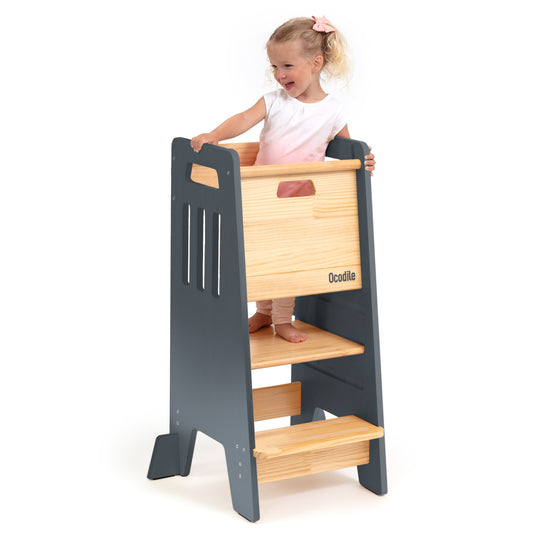




Your Ultimate Guide to the Kids Rectangle Table
Choosing the right kids rectangle table isn't just another furniture purchase. Think of it as giving your child their very first personal desk, art studio, and snack spot all rolled into one. It’s an investment in their growing independence.
Why a Kids Rectangle Table Is a Game-Changer for Development
A small, dedicated table creates a "yes space" where your child can explore, create, and learn on their own terms. Unlike the adult dining table, which often involves a clunky high chair, a kid-sized table puts them in charge. It’s a simple piece of furniture that empowers them right from the toddler years into early grade school.
This one addition to your home quickly becomes the go-to spot for all sorts of activities that build skills and confidence. It’s where they’ll master puzzles, learn to eat a snack without help, and discover a sense of "I can do it myself."
A Dedicated Space for Learning and Play
A kids' table isn't just a surface; it's a launchpad for the kind of multisensory play and educational activities that are so important for their development. When kids have their own little workstation, you'll find they can focus on tasks for longer.
- Creative Expression: The spacious rectangular surface is perfect for spreading out big sheets of paper, paints, and play-doh without everything falling on the floor.
- Focused Learning: It creates a quiet, personal zone for working on puzzles, building with blocks, or looking at their first books.
- Social Skills: The shape is ideal for side-by-side play, encouraging siblings and friends to share the space and work together.
Think of it as their personal headquarters. Having this spot sends a clear message: what you are doing is important. This simple validation encourages them to take ownership of both their play and their learning.
Fostering Independence and Practical Life Skills
Giving a child their own table is one of the easiest and most powerful ways to encourage independence. They naturally learn to manage their own space, set up their activities, and even help clean up afterward.
These small, everyday responsibilities build a foundation for practical life skills. Seeing how a simple table can support so many childhood development milestones is the first step. Now, this guide will walk you through the rest—from size to safety—to help you find the perfect table to empower your little one.
Finding the Perfect Fit for Your Child's Growth
Choosing a kids' rectangle table is a lot like buying your child’s first bicycle. If it's the wrong size, they'll feel wobbly, uncomfortable, and quickly lose confidence. But when you get the fit just right, they're empowered to play and create happily for hours.
The goal is to find that sweet spot where their elbows rest comfortably on the tabletop and their feet can sit flat on the floor. This simple ergonomic check prevents them from slumping over a table that's too low or straining their shoulders to reach one that’s too high. You're essentially creating their very own "command center" for all things fun and educational.
Decoding Table Dimensions for Every Age
When you're looking at tables, you'll see three main measurements: height, width, and length. Height is the most important for getting that comfortable, ergonomic fit. Width and length, on the other hand, are all about giving your child enough space to truly spread out and get creative.
- Height: This is all about your child's own height and the chair they'll be using. The perfect combo allows them to sit with their knees bent at a comfortable 90-degree angle, with their feet firmly on the ground.
- Width & Length: This is where a rectangle table really shines. A generous surface gives them plenty of room for giant art projects, elaborate train tracks, or even sharing the space with a sibling or a friend.
A dedicated, child-sized table becomes the hub for so much growth. It's a powerful tool for boosting their engagement in play-based learning and, just as importantly, fostering that crucial sense of independence.

As you can see, the right setup can make a huge difference in how your child engages with learning activities and develops self-reliance.
Matching Table Size to Your Child
Every child grows at their own unique pace, but some general guidelines can definitely help you find the right table for their current stage. To make it a bit easier, we've put together a quick reference chart. Just don't forget to measure your room, too!
Kids Rectangle Table Size Guide by Age
| Child's Age Range | Average Child Height | Recommended Table Height | Recommended Chair Seat Height |
|---|---|---|---|
| 1-2 years | 29-35 inches | 16-18 inches | 8-10 inches |
| 3-4 years | 35-41 inches | 18-20 inches | 10-12 inches |
| 5-7 years | 41-49 inches | 20-22 inches | 12-14 inches |
| 8+ years | 49+ inches | 22-25 inches | 14-16 inches |
This guide is a great starting point for matching furniture to your child's current size for the best possible fit.
A simple rule of thumb: When your child is seated, there should be about 6-8 inches of space between the top of their thighs and the bottom of the tabletop. This gives them enough room to move their legs freely without the table being too high.
Here’s a tip—look for a table with adjustable legs. This one feature can dramatically extend the life of the table, allowing it to "grow" with your child from their toddler years well into early school age. A table that adapts is a table that gets loved and used for a whole lot longer, giving you much better value in the long run.
What to Look For: Materials and Safety Standards
When you're picking out a kids' table, it's easy to get caught up in the cute designs. But what the table is made of and how safe it is are the most important things to consider. This isn't just another piece of furniture; it's going to be the center of your child's world for art projects, snack time, and endless play.
You want something that can handle all the love (and messes) your little one will throw at it, and you need the peace of mind that it's completely safe for them.
It seems a lot of parents feel the same way. The market for kids' tables is growing fast, from a value of USD 6.9 billion in 2024 to a predicted USD 11.3 billion by 2033. It just shows how much we're all focusing on giving our kids high-quality, supportive spaces for their development.

Comparing Common Table Materials
The material of your child's table really sets the tone for its durability, how heavy it is, and its overall safety. Each one has its own pros and cons for a busy family.
- Solid Wood: Think birch, pine, or rubberwood. These are the workhorses—incredibly sturdy and stable. They have a classic, premium feel and can be passed down through the family. The trade-off is usually a higher price tag.
- MDF (Medium-Density Fiberboard): This is an engineered wood that gives you a very smooth surface, perfect for painting. It's often a more budget-friendly choice, but you have to be careful with spills, as it can get damaged by water if the finish gets chipped.
- Plastic: Plastic tables are champions of easy cleanup, which makes them perfect for messy play or meals. They're also super lightweight. The key here is to make sure it's high-quality, BPA-free plastic.
No matter what the table is made of, pay close attention to the finish. You want to see words like non-toxic and low-VOC or zero-VOC on the label. This is your guarantee that no nasty chemicals are being released into your child's space.
Key Safety Features to Look For
Beyond the raw materials, a truly safe table has smart design features baked right in. For me, these are non-negotiable for preventing those all-too-common bumps and tumbles.
A safe table is designed with a child’s world in mind. It anticipates tumbles, leans, and bumps, and is built to remain stable and harmless through it all. This proactive approach to design is what separates good furniture from great furniture.
Here are the critical things I always check for:
- Rounded Corners: Sharp corners on kid-height furniture are a recipe for disaster. Smooth, rounded edges are a must-have to soften the blow from any accidental bumps.
- Sturdy, Tip-Resistant Design: Give the table a little wiggle. A good one will have a wide, stable base. Look for legs that splay out slightly or are well-braced, which helps prevent it from tipping over if your child decides to lean or climb on it.
- Third-Party Safety Certifications: Look for seals of approval like GREENGUARD Gold. This certification tests for over 10,000 chemicals and VOCs, confirming that the table won't pollute your indoor air.
Of course, creating a safe play area is about more than just one table. If you want a complete game plan, there's some great advice on how to childproof your home that covers all the bases.
By focusing on both safe materials and thoughtful design, you can find a table that will be a launchpad for countless hours of happy, secure play. For a deeper dive, take a look at our guide on picking non-toxic kids furniture.
How Rectangle Tables Support Montessori Learning

If you’ve ever had a glimpse inside a Montessori classroom, you probably noticed the simple, functional rectangular tables. It’s no accident—the shape of a kids rectangle table is a perfect match for core Montessori ideas like independence, order, and letting kids lead their own exploration.
The whole philosophy sees a child’s space as their "third teacher," and the table is a huge part of that. It becomes a respected, dedicated workspace where a child can get lost in their activities, or "work cycles," without things getting messy or feeling cramped.
The Power of a Defined Workspace
Think about your child trying to do a big puzzle on the floor. Pieces get scattered everywhere, lost under the sofa, or stepped on. A rectangle table changes everything by creating a clear boundary—a self-contained little world for their project. This simple frame helps them learn to organize their materials and stay focused.
That generous, open surface is also perfect for laying out materials in order, usually from left to right. This isn’t something you have to teach; it’s a habit that subtly prepares them for the way we read and write. It’s a sense of order they discover on their own.
In the Montessori world, freedom isn't about chaos. It’s "freedom within limits." A rectangle table is the perfect example, giving kids a big space to explore while also providing the clear boundaries that help them focus.
This kind of structured freedom is what builds true concentration. When a child has enough room to line up their work, whether it's sorting beads, painting, or preparing their own snack, they can dive in completely. That ability to focus is the bedrock for all other learning down the road.
Fostering Practical Life and Collaboration
A kids rectangle table is also command central for practical life skills. Because it’s low to the ground, it empowers your child to do things for themselves, like pouring a drink, setting out a snack, or wiping up a small spill. These little moments are massive lessons in self-reliance.
The shape is also great for encouraging social skills. One child can be busy drawing at one end while another builds with blocks at the other. It’s perfect for parallel play when they're toddlers and easily shifts to collaborative projects as they get older, teaching them how to share a space and respect what others are doing.
To dig deeper into how the right furniture can support this approach, check out our guide on the ideal Montessori table and chair. By choosing a simple, functional table, you're not just buying furniture—you're giving your child a tool for independence, focus, and a real love for learning.
Your Practical Checklist for Choosing the Right Table
Finding the right table for your child can feel like a huge task, but breaking it down into a few simple steps makes it so much easier. Think of this as your final walkthrough before you decide—a quick list that pulls together everything we’ve talked about to make sure you find a quality table your child will love for years.
And you’re not alone in this search. The global kids' furniture market, valued at USD 31.19 billion in 2025, is set to skyrocket to USD 94.68 billion by 2034. That leap shows just how much parents are focusing on creating spaces that are safe, practical, and look great. You can read the full research on the kids' furniture market to see the whole picture.
Step 1: Measure and Match
First things first, grab a tape measure. This is the step that prevents the classic mistake of bringing home furniture that’s way too big for your room or comically small for your growing child.
- Measure Your Space: Figure out the length and width you can realistically give to the play area. Don't forget to leave plenty of wiggle room for chairs to be pulled out and for kids to run around without bumping into everything.
- Measure Your Child: Have your little one sit on a small chair or stool. Measure from the floor up to the bend in their knee, and then from the floor to their elbow. These two numbers are your golden ticket to finding the perfect chair and table height.
Step 2: Verify Safety and Materials
Next up, it’s time to put on your safety detective hat. Look past the cute colors and focus on the little details that guarantee a safe space for your child. Honestly, this is the most important part for your own peace of mind.
A truly great kids rectangle table isn't just about looks; it's about thoughtful design that anticipates a child's world. Stability, non-toxic materials, and smooth edges are the features that matter most.
Key Safety Checks:
- Look for Rounded Corners: Sharp corners and toddlers are a terrible mix. A table with smooth, rounded edges isn't just a nice-to-have, it's a must-have.
- Confirm Non-Toxic Finishes: Scan the product details for phrases like "low-VOC," "zero-VOC," or "non-toxic finish." A certification like GREENGUARD Gold is even better, as it offers third-party proof that the product won't pollute your indoor air.
- Test for Stability: The table needs a solid, wide base that won’t tip over easily. If you’re shopping in person, give it a gentle but firm shake to see if it wobbles. It should feel sturdy and planted.
With this simple checklist, you can feel confident that you’re picking a kids' table that’s a perfect fit for your child, your home, and your family.
Setup, Care, and Maintenance for Long-Lasting Use
A great table is built for the beautiful chaos of childhood, from artistic messes to enthusiastic mealtimes. But a little bit of care will go a long way in making sure your kids rectangle table stays a sturdy, safe, and beautiful part of your home for years.
First things first: the setup. Always put the table together on a flat, even floor to stop any wobbling, which can be annoying and unsafe. Try to find a spot for it that isn't a major walkway—you want to avoid accidental bumps and trips. It’s also a good idea to keep it away from open stairways or heat sources like radiators.
Simple Cleaning for Everyday Messes
You don't need fancy products to keep your table looking new, just quick action. The real trick is matching your cleaning method to the material and the mess itself.
- For Wood and MDF: A soft, damp cloth is your best friend here. For those extra sticky spots from juice or food, a mild soap and water solution does the job. Just be sure to wipe it dry afterward to protect the finish.
- For Plastic: These are usually the easiest to clean. Most messes will wipe right off with a simple all-purpose cleaner or just soap and water.
- For Crayon Marks: On most surfaces, a little baking soda on a damp sponge can gently buff away crayon without scratching. It’s always smart to test it on a hidden spot first, just in case!
Remember, the faster you get to a spill, the easier it is to clean. Acting quickly stops stains from setting in, especially on natural wood or painted finishes.
Evolving with Your Child
One of the best things about a quality kids' table is how it adapts as your child grows. What starts out as a sensory play station for your toddler soon becomes an art hub for your preschooler. Before you know it, it’s the perfect little desk for their first homework assignments. That longevity is what makes it such a smart investment.
This move toward durable, multi-functional furniture is part of a bigger trend. The children's study table market was valued at USD 483.3 million in 2025 and is still growing as more families look for dedicated spaces for their kids. You can read more about the rising demand for children's study furniture on archivemarketresearch.com. By choosing a solid table now, you're investing in a piece that will support your child for years to come.
Still Have a Few Questions?
You’ve done your research, but it's totally normal to have a few last-minute questions pop up before you make a final decision. You're not alone! Let's go over some of the most common things parents ask to make sure you feel great about your choice.
At What Age Should My Child Get a Table and Chairs?
The perfect time to introduce a small table is right around when your child becomes a confident and stable sitter, which for many is about 18 months old. This is when the real magic begins.
From age 2 to 5, a kids rectangle table transforms from a piece of furniture into their personal headquarters for everything. It's where they'll have their first independent snacks, create masterpieces, and start exploring learning activities. The single most important thing is that their feet can sit flat on the floor—this is the key to good posture and keeps them stable and focused.
Is a Rectangle Table Better Than Round or Square?
While round and square tables certainly have their place, the rectangle shape is often the most versatile for growing families. That long, generous surface is a lifesaver for big art projects, like rolling out butcher paper for painting, without everything spilling onto the floor.
A rectangle table is fantastic for both solo play and shared fun. It gives a child plenty of their own space while also making it easy for them to work side-by-side with a sibling or friend.
This shape also tucks neatly against a wall, which is a huge bonus for saving precious floor space in playrooms or bedrooms. If you need a table that can do it all—from independent concentration to collaborative play—the rectangle is a clear winner.
How Do I Ensure a Table Is Safe for My Toddler?
Safety is non-negotiable, and it starts with the design. Always look for a table with smooth, rounded corners to prevent painful bumps and scrapes. Stability is just as critical; a good table will have a wide, sturdy base that won't tip over, even when a determined toddler leans on it.
Next, check the product details for non-toxic materials. You want to see phrases like low-VOC or zero-VOC finish, which means you're creating a healthier indoor space for your child. Lastly, always assemble it exactly as the instructions say, and get into the habit of checking the screws every few months to make sure everything is still tight.
What Kind of Chairs Are Best with the Table?
The right chair is just as important as the table itself for creating a comfortable, ergonomic spot for your child. The chair’s height should allow your child to sit with their feet flat on the ground and their knees bent at a natural 90-degree angle.
Your best bet is usually to buy chairs sold as a set with the table or to stick to the manufacturer's sizing guide. Always choose chairs that offer solid back support. For younger toddlers, chairs with low armrests are a great touch, as they can provide a little extra stability and a cozy sense of security.
At Ocodile, we pour our hearts into designing every piece of furniture with your child's independence, safety, and comfort at the forefront. Our tables and chairs are thoughtfully crafted to be the perfect spot for your little one to learn, play, and grow. Explore our collection to find the ideal fit for your family at https://ocodile.com.