



Inspiring Montessori Playroom Ideas for Your Home
When you start digging into Montessori playroom ideas, it’s easy to get lost in a sea of perfectly styled, neutral-toned rooms on Pinterest. But here’s the secret: a true Montessori space is much less about a specific look and much more about a core philosophy. It's a fundamental shift from creating a room for your child to designing a room around your child.
This approach means trading the chaotic, overflowing toy bins for a thoughtful, curated selection of activities. The goal isn't to replicate a classroom at home. Instead, you're building a warm, engaging space where your little one feels capable, respected, and free to explore. The best part? The core principles are surprisingly simple and can be adapted to any home, no matter your budget or square footage.
The Philosophy Behind a Montessori Playroom
At its heart, the Montessori approach is all about creating an environment that encourages independence, focus, and a natural love for learning. It's about respecting the child as a whole person, giving them the tools they need to discover the world at their own pace.
This means focusing on accessible design, purposeful materials, and a calm, orderly atmosphere. It’s a philosophy that has clearly struck a chord with parents everywhere. In fact, the market for Montessori educational toys was valued at around USD 1.2 billion in 2023, which shows just how many families are embracing this child-led approach.
Embracing Simplicity and Order
One of the first things you'll notice is the "less is more" mindset. Research has shown that kids actually engage in deeper, more creative play when they have fewer toys to choose from. A simple, uncluttered space with a limited number of activities helps reduce that feeling of being overwhelmed and makes it easier for them to develop concentration.
A Montessori playroom is a prepared environment—a space intentionally designed to support a child’s independence, freedom of movement, and love for learning. It respects the child as an individual by providing them with the tools they need to explore the world at their own pace.
This isn't just about tidiness for the sake of it. It's about creating a peaceful environment where your child can truly focus and feel a sense of calm and competence.
Core Principles for Your Space
So, how do you translate this philosophy into your actual playroom? It all comes down to a few key ideas. We've put together a quick table to break down these foundational concepts.
Core Montessori Playroom Principles at a Glance
| Principle | What It Means for Your Playroom |
|---|---|
| Freedom of Movement | The room has an open layout. Your child can move around freely without bumping into bulky furniture or tripping over clutter. |
| Accessible Design | Shelves and furniture are low and child-sized. This empowers them to choose their own activities and, just as importantly, put them away. |
| Purposeful Materials | Toys are often made from natural materials (like wood, wool, or metal) and are designed to teach a specific skill or concept, not just entertain. |
| A Sense of Beauty & Calm | The space feels orderly and inviting. This is achieved with natural light, soft colors, and displaying your child's own artwork. |
These principles work together to create a space that truly supports your child's development.
Ultimately, these ideas are about building a supportive and enriching home life that extends beyond the playroom. To see how these principles can be woven into your family's daily life, check out our guide on bringing Montessori education at home.
Designing a Layout for Independent Exploration
The way you set up a room can make the difference between a space that feels chaotic and one that invites calm, independent play. I’ve found that a thoughtful layout is one of the most powerful tools in a Montessori playroom—it guides your child’s movement and choices without you having to say a word. The goal is to create a natural, inviting flow that empowers them to explore on their own.
So, how do you actually do this? Start by getting on your hands and knees. Seriously. Seeing the room from your child's perspective is the real secret to understanding what's accessible and what's not. What can they reach? What can they see? This simple shift in viewpoint uncovers obstacles and opportunities you’d completely miss from your adult height.
Blueprints for Your Space
Every home is different, but the principles of good flow are universal. Whether you have an entire room or just a small corner, you can create a layout that works. If you're a visual planner, using a floor plan creator can be a huge help in mapping out different layouts and seeing how furniture fits before you move anything.
Let’s look at two common setups I’ve seen work well:
- The Cozy Corner Nook: This is perfect for apartments or shared living areas. Use a low, open shelf to define the space and pair it with a soft, natural-fiber rug to create a clear boundary for play. This gives your child a designated zone for their activities, which respects their need for their own area and helps keep the main living space tidy.
- The Zoned Layout: If you have a larger room, this is the way to go. You can divide the space into distinct areas based on the type of activity. You might create a reading nook with a forward-facing bookshelf and a comfy cushion, a building zone with lots of open floor space, and a practical life area with a small table and chair for puzzles or art.
The real key here is creating clear pathways between these zones. A good rule of thumb is to place furniture along the walls to maximize open floor space. That open area is crucial for movement and all those gross motor activities toddlers love.
This decision tree can help you see if your layout lines up with the core Montessori principles.

As you can see, a true Montessori space always puts child-led exploration, accessibility, and an orderly environment first.
The Importance of Open Space
In the Montessori world, we know that movement is directly linked to learning. A layout that feels cramped or cluttered can squash a child's natural impulse to move, climb, and explore what their body can do. This is why leaving a good chunk of the floor open isn’t wasted space—it’s an invitation for development.
A well-designed layout doesn't just organize toys; it organizes a child's mind. By providing clear zones and open pathways, you reduce visual noise and make it easier for them to focus, choose an activity, and engage in deep, uninterrupted play.
This open area is the canvas for your child’s imagination. It’s where they can build huge block towers, roll out a play mat, or just stretch and tumble. Try to avoid putting a big table or a bulky toy right in the center of the room, as it can become a major roadblock.
Instead, think of the room's perimeter as the home for furniture and the center as the stage for action. This approach ensures your playroom supports both quiet, focused work and energetic, whole-body play, creating the balanced environment every child needs to grow.
Choosing Furniture That Fosters Independence
The right furniture is so much more than just decor. Think of it as a powerful tool for building your child's confidence and autonomy. In a Montessori playroom, furniture isn’t just scaled-down adult stuff—it’s thoughtfully designed to empower a child to interact with their world all on their own.
Imagine your toddler confidently grabbing their own book or putting on their shoes without needing your help. That’s the goal here.
Child-sized furniture is the cornerstone of these empowering montessori playroom ideas. When a child can sit at a table with their feet flat on the floor or reach their own clothes in a low wardrobe, it sends a powerful message: "This space is yours. You are capable." This sense of ownership and competence is absolutely fundamental to their development.

Key Pieces for an Independent Child
You don't need to buy every specialized item out there, but a few key pieces can make a world of difference. Each one serves a distinct purpose in encouraging self-reliance and practical life skills.
- A Weaning Table and Chair: This small set creates a dedicated workspace just for your child. It's the perfect spot for snacks, art projects, and puzzles, letting them sit down and get up on their own terms. If you want to dive deeper into this essential piece, check out our guide on the benefits of a Montessori table and chair.
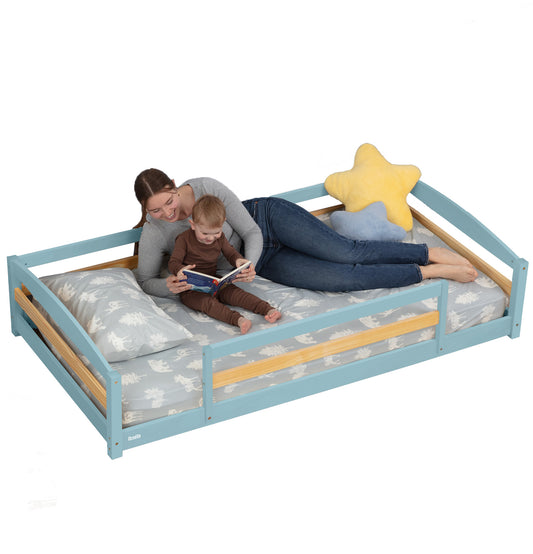
- A Floor Bed: By removing the confines of a crib, a floor bed gives your child control over their own sleep and waking cycles. They can get in and out of bed safely, which supports their autonomy from a very young age.
- Low, Open Shelving: Instead of a deep toy box where things get lost, low shelves allow children to see their toys, make a deliberate choice, and—crucially—know exactly where to put an item back when they're finished.
These items work together to create a space that respects your child's abilities and encourages them to do things for themselves.
Prioritizing Safety and Purpose in Furniture
Safety is, of course, the absolute top priority. When you’re picking out furniture, you have to think like a curious toddler. Look for pieces with rounded corners to prevent bumps and bruises, and make sure every single thing is incredibly stable.
A wobbly shelf is a major hazard. It’s essential to anchor all tall or heavy furniture to the wall. No exceptions.
A child’s environment should be a landscape of opportunity, not a list of "no's." Safe, accessible furniture removes the need for constant adult intervention and allows a child’s natural curiosity to guide their learning.
Beyond stability, look at the materials. Always opt for non-toxic, child-safe finishes. Solid wood is a fantastic choice because it’s durable, natural, and beautiful. If off-the-shelf options don't quite fit your space or needs, exploring custom-made pieces can be a great solution. Understanding what is bespoke furniture can help you commission pieces that are perfectly scaled to your child and your home's style.
The Learning Tower: A Bridge to Your World
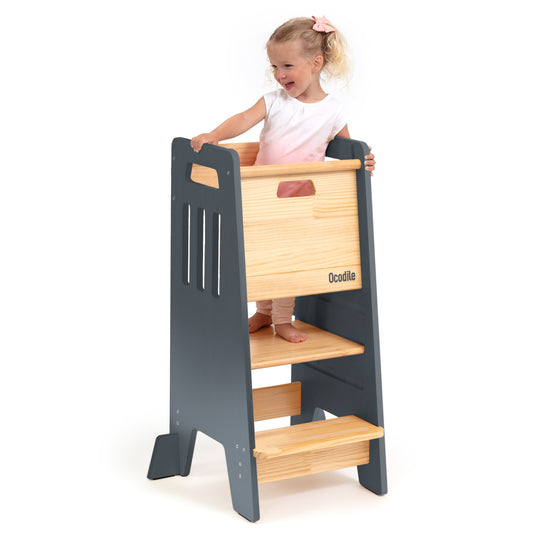
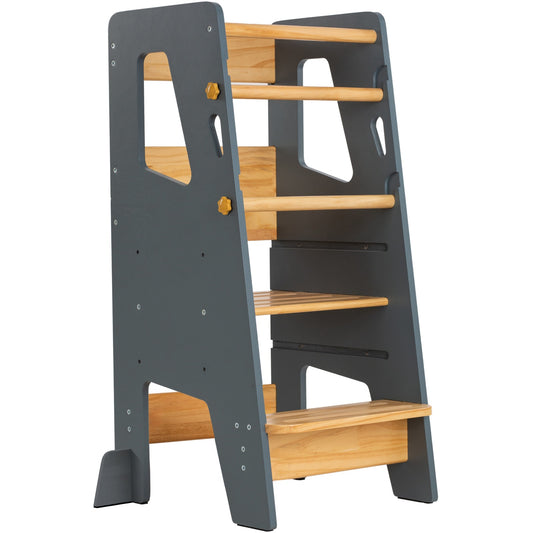
One of the most valuable pieces of furniture isn't just for the playroom—it's for the heart of your home. A learning tower, like the ones we design at Ocodile, safely elevates your child to counter height. This simple change transforms your kitchen from a place where they just watch to a place where they can actively participate.
Suddenly, they can wash their own hands at the sink, help you stir pancake batter, or watch you chop vegetables at eye level. This isn't just about keeping them busy; it’s about including them in the real, practical work of the family.
They build fine motor skills, learn about food, and most importantly, feel like valued, contributing members of the household. It’s an incredible tool for connection and building lifelong skills.
Mastering the Art of Toy Selection and Rotation

If you ever feel like you're wading through a sea of plastic toys, take a deep breath. You're definitely not alone. A huge part of building a Montessori-inspired playroom is making the mental shift from quantity to quality. It's about trading the clutter and overstimulation for a calm, curated space that genuinely sparks your child's interest.
The reality is, children play more deeply and for longer when they have fewer options. I've seen it time and time again—a room overflowing with toys often just leads to a child flitting from one thing to the next, never really settling into meaningful play. By being thoughtful about what’s on the shelf, you’re giving them the mental room to truly focus.
The Power of Open-Ended Toys
So, what makes a great Montessori toy? Look for simplicity and natural materials. We're talking about open-ended toys—items that can be used in a hundred different ways, with the only limit being your child’s imagination.
A simple set of wooden blocks is a perfect example. One day they're a castle, the next they're a bridge for a toy car, and the day after that, they're a fence for animal figures. These toys are developmental powerhouses because they don’t come with a script.
Here are a few must-haves for any Montessori-friendly toy shelf:
- Wooden Blocks: Fantastic for building spatial awareness, problem-solving skills, and fine motor control.
- Realistic Figurines: Small animal or human figures let children create their own stories and make sense of the world.
- Art Supplies: High-quality, simple materials like beeswax crayons, clay, and watercolor paints invite all kinds of creative expression.
- Puzzles: Wooden puzzles with chunky knobs are wonderful for tiny hands, helping to build concentration and dexterity.
More and more parents are seeking out these kinds of toys. The market for Montessori-inspired children's products in North America is now estimated at USD 200 million, driven by a desire for educational value that also looks beautiful in the home.
Implementing a Toy Rotation System
Toy rotation is the secret sauce behind the "less is more" philosophy. It's a simple system that keeps playtime feeling fresh and exciting without you having to constantly buy new things. The whole idea is to have only a small, curated selection of toys available at one time, with the rest stored away.
By rotating toys, you're not just decluttering; you're reintroducing old favorites as if they were brand new. This simple act respects a child's developmental need for order while reigniting their curiosity and focus.
To get started, gather up all of your child’s toys. It can be a big job, but it's worth it! Sort them into broad categories like building, puzzles, imaginative play, and art. From there, choose just 6-8 toys to place on your low, open shelves. It helps to put each activity in its own tray or low-sided basket—this creates a visual sense of order and makes cleanup much clearer for your child.
The rest of the toys can be stored in bins in a closet or basement. Every few weeks, or whenever you notice your child's interest starting to fade, simply swap a few items on the shelf with toys from your storage. You'll be amazed at how this simple switch can completely renew their engagement.
For a deep dive into finding the perfect containers and shelving for your system, check out our guide on Montessori toy storage organizers. It's a true game-changer for keeping your playroom peaceful and purposeful.
Adding the Final Touches for Beauty and Safety
You’ve got the layout sorted and the furniture in place. Now for the fun part: adding the details that turn a functional room into a beautiful, personal space. This is where you get to sprinkle in personality, but it's also the final, crucial checkpoint for safety. A truly great Montessori playroom is one where your child can explore freely, and you can breathe easily.
The goal with Montessori decor isn't to create a visually loud or stimulating environment. Just the opposite, actually. You're creating a calm, peaceful backdrop that allows your child's imagination and the learning materials to take center stage.
A neutral color palette is your best friend here. Think soft whites, gentle grays, or warm, earthy tones for the walls. These serene colors let the natural wood of the furniture and the vibrant colors of the toys really pop. From this clean slate, you can start layering in beauty and texture.
Infusing Natural Beauty and Personal Touches
One of the easiest ways to make a space feel warm and inviting is to bring a little bit of the outdoors in. It's a core tenet of many montessori playroom ideas and it helps connect children to the world around them.
- Bring in some green. A simple, child-safe houseplant like a spider plant on a high shelf adds life to the room. Even better, give your child their very own small plant on a low table to care for.
- Play with natural textures. A soft wool rug, a wicker basket for blankets, or even a simple bowl of smooth river stones can provide a rich sensory experience for little hands.
- Display their masterpieces. Nothing makes a space feel more like their space than seeing their own artwork on the walls. Use simple, lightweight frames to hang their paintings right at their eye level. It sends a powerful message: their work is important and valued here.
This focus on creating intentional, child-centered spaces isn't just a niche idea; it’s a global movement. The Asia Pacific region, for instance, is the fastest-growing market for Montessori education. A 2022 census counted over 15,700 Montessori schools worldwide, with a huge surge in countries like China. It’s clear that parents everywhere are seeing the value in these principles. You can read more about these global trends and what they mean for families bringing the philosophy home.
Your Essential Safety Checklist
While beauty makes the room inviting, safety makes it work. Before you officially open the playroom for business, it's time to do one last, thorough safety sweep. My best advice? Get down on your hands and knees and see the room exactly as your child will.
A safe environment is the ultimate expression of respect for a child. It trusts them to explore freely by removing hazards, allowing their independence to grow on a foundation of security.
Run through this final checklist. It might seem tedious, but peace of mind is worth it.
- Anchor heavy furniture. Any shelves, dressers, or cabinets that a determined toddler might try to scale must be securely anchored to the wall. No exceptions.
- Tame cords and cover outlets. All unused electrical outlets need safety plugs. Any cords for lamps or electronics should be bundled, secured, and completely out of reach.
- Do a "choke-hazard" scan. Regularly check all toys and decor for small, loose parts. Little pieces can break off, and they often end up where they shouldn't.
- Choose non-toxic plants. If you're bringing plants into the space, double-check that they are non-toxic in case a curious child decides to take a bite.
- Secure windows and blinds. Windows should have locks or guards to prevent falls. And those long, dangling blind cords are a serious hazard—tie them up high where they can't be reached.
By carefully blending thoughtful decor with these non-negotiable safety checks, you create a truly prepared environment. It’s a space that’s not just beautiful, but a genuine haven for your child's independent play and discovery.
Your Montessori Playroom Questions Answered
Making the switch to a Montessori-inspired space always brings up a few questions. It’s one thing to see all the beautiful photos online, but it's a whole different ballgame when you're dealing with a real-world budget, a small room, or a mountain of gifts from well-meaning relatives. Let's get into some of the most common hurdles parents face.
The great thing is, these principles are meant to be flexible. You're aiming for a supportive, child-led environment, not a perfect replica of a classroom.
How Do I Create a Montessori Playroom on a Tight Budget?
You absolutely do not need to buy a bunch of expensive materials to get started. The single most effective first step costs nothing at all: declutter and simplify the room you already have.
From there, it’s all about getting creative. Low baskets you already own or even simple wooden trays are perfect for displaying a few select toys. You can place them on a low shelf you already have or even directly on the floor.
Thrift stores are your new best friend. They are absolute goldmines for things like:
- Wooden bowls and trays for sorting activities
- Simple, realistic animal figures or vehicles
- Baskets of all shapes and sizes for storage
If you do decide to invest in one new item, make it something with long-term value. A sturdy, adjustable learning tower, for example, will be used for years in the kitchen, letting your child safely join you at counter height and bridging the gap between their world and yours.
What Do I Do with Gifts of Plastic Noisy Toys?
Ah, the plastic toy dilemma. This is a common and sometimes delicate situation. The goal here is to manage the influx of toys without hurting anyone's feelings. You don’t have to completely banish every single gifted toy. Instead, let your toy rotation system do the heavy lifting.
Keep your curated selection of preferred toys out on the shelves and store everything else away. Then, you can rotate in one or two of the gifted toys for a short period. This honors the gift without overwhelming the space.
For future birthdays or holidays, you can gently guide family members by creating a simple wish list with ideas like books, art supplies, or even contributions toward a bigger Montessori item you've been eyeing.
Handling gifted toys is about finding balance, not outright refusal. By integrating a few into a thoughtful rotation, you can respect the gift-giver while still maintaining the calm, purposeful environment you want for your child.
Is a Montessori Playroom Practical for Siblings?
Yes, a prepared environment can work beautifully for kids of different ages. The real trick is creating distinct zones for each child.
A soft mat on the floor can easily become a "baby-safe" zone, complete with a few infant-appropriate materials.
For your older child, place their toys and activities on a slightly higher shelf that the younger one can’t quite reach yet. A shared art table is a fantastic spot for collaboration, and using a learning tower at the kitchen counter allows both kids to participate in activities like baking at their own developmental level. It's all about creating opportunities for them to exist and play together, harmoniously.
At Ocodile, we believe in creating furniture that grows with your family, supporting every stage of your child's journey toward independence. Our beautifully crafted learning towers and child-sized furniture are designed to safely bring your child into the heart of your home. Discover how our products can help you build a space that fosters connection and confidence.