



A Parent's Guide to Play Floor Mats for Safe and Fun Development
A play floor mat is more than just a soft spot on the floor. It essentially carves out a dedicated 'development zone' for your child, giving them a clean, cushioned, and stimulating space to call their own. Think of it as a foundational tool that’s there for everything, from their first tummy time sessions to those wobbly first steps.
Why a Safe Play Mat is a Nursery Essential
Take a look at your living room floor. For us, it’s just a floor. But for a baby learning to roll over or a toddler trying to master walking, that same hardwood or tile surface is a landscape of hard bumps and potential tumbles.
A quality play mat acts like a protective shield, turning that potential hazard zone into a safe launchpad for all their explorations.
But it does more than just cushion falls. It creates a defined space that belongs entirely to your child, which is a big deal for encouraging independent play and building confidence. When a baby has a soft, stable surface beneath them, they're much more willing to push up during tummy time, try to crawl, and pull themselves up to stand.
A Foundation for Growth and Your Peace of Mind
The benefits go way beyond just physical safety. A well-designed play mat is a sensory playground that supports some of the most important developmental milestones.
- Gross Motor Skills: It provides the perfect amount of grip and support for rolling, crawling, and taking those brave first steps.
- Sensory Exploration: Different textures and engaging patterns stimulate your baby's sense of touch and sight, helping them make sense of the world around them.
- Cognitive Growth: As they play with their toys on the mat, they’re busy developing crucial hand-eye coordination and early problem-solving skills.
- Cleanliness and Hygiene: A mat gives you a clean, easy-to-wipe surface that keeps your little one off the main floor, away from dirt and germs.
For parents, all of this adds up to invaluable peace of mind. Knowing your child has a secure area to explore means you can actually relax for a moment, confident they're protected while they learn and grow.
A Rapidly Growing Must-Have
This isn't just a feeling a few families have; it’s a global trend. The market for baby play mats is growing fast, which shows a worldwide recognition of just how important these safe, developmental spaces are.
The global baby play mats market was valued at USD 2,150 million in 2024 and is projected to hit USD 3,450 million by 2030. This kind of growth makes it clear that parents everywhere are seeing these mats not as an optional accessory, but as an essential piece of gear for early childhood. You can dive deeper into this trend and its drivers in the full market analysis from Deep Market Insights.
When you're picking out a play mat, it can feel a lot like reading a food label in the grocery aisle. What's in it is just as important as what it does. The material your little one is crawling, rolling, and tumbling on matters for their health and safety.
This simple breakdown shows why a good mat is more than just a soft spot on the floor.

As you can tell, a play mat isn’t just for cushioning tumbles. It creates a dedicated, safe little world that actually helps them grow. It's no surprise that more and more parents are looking for non-toxic options to create these safe spaces at home.
So, What's It Made Of?
Let's unpack the materials. Choosing the right play mat means getting familiar with a few acronyms like EVA, XPE, and TPU. Knowing what they are is the first step to picking one you feel good about.
To make things easier, here's a quick comparison of the most common materials you'll find.
Play Mat Material Comparison
| Material | Key Benefits | Potential Drawbacks | Best For |
|---|---|---|---|
| EVA Foam | Affordable, lightweight, interlocking tiles offer good cushioning. | Can contain formamide if not certified; can be less durable and harder to clean. | Budget-conscious families looking for a versatile, temporary solution. |
| XPE Foam | Non-toxic, highly durable, and waterproof. Very easy to wipe clean. | Can be more expensive than EVA; often comes in one large piece rather than tiles. | Parents wanting a durable, hygienic, and long-lasting mat. |
| TPU (Coating) | Extremely durable, soft, scratch-resistant, and completely non-toxic. | Premium price point; typically found on higher-end mats. | Families looking for a top-of-the-line, long-term investment in safety and quality. |
| Natural Rubber | Eco-friendly, biodegradable, and provides excellent grip. | Can be heavy and may have a distinct rubber smell initially. | Eco-conscious families who prioritize sustainable, plant-based materials. |
Each material has its place, but focusing on safety and how you'll use the mat day-to-day will help you narrow down the best fit for your home.
What Do Safety Certifications Actually Mean?
When you see a mat labeled "non-toxic," there should be a real certification to back it up. These aren't just marketing fluff—they’re your guarantee that the product has been tested and is safe for your child. The big ones to look for are ASTM F963 (the US standard) and EN-71 (the European standard).
These standards test for nasty chemicals and ensure the mat is free from:
- Phthalates: Chemicals used to make plastics soft and flexible.
- BPA (Bisphenol A): An industrial chemical you definitely don't want near your baby.
- Lead and other heavy metals: Toxic elements that are dangerous if ingested.
Parents are driving real change in the market simply by demanding safer products. We've seen a 45% jump in demand for 100% non-toxic options and a 32% increase in the use of phthalate-free materials. If you want to dive deeper into what makes a product truly safe, it’s worth learning what it takes to become GREENGUARD Gold Certified.
And remember, the play mat is just one part of the puzzle. Creating a healthy indoor environment also means considering things like low VOC vinyl flooring to ensure the air your child breathes is as clean as possible.
How Play Mats Fuel Your Child's Development
A play mat might look like a simple piece of foam, but for your little one, it's so much more. It's an active arena for growth and one of the first tools they'll use to explore their world. Think of it as their first gym, classroom, and personal playground all rolled into one.

The whole journey really kicks off with tummy time. A firm but cushioned play mat gives a newborn the perfect support to start building up those tiny neck and shoulder muscles. It’s a simple activity, but it lays the foundation for every major motor skill that follows.
As they get bigger, that same surface becomes their stage for rolling, pushing up, and, eventually, crawling. A slippery hardwood floor doesn't offer any traction, and a soft bed or rug can be too squishy. A play mat, on the other hand, gives them just the right amount of grip and stability for little hands and knees to find their footing, encouraging them to move with confidence.
Building Skills Beyond Movement
While gross motor skills are a huge benefit, the developmental magic of a play mat doesn't stop there. The mat itself is a rich sensory experience that helps with cognitive and fine motor skills.
- Sensory Input: Textured mats give your baby tactile feedback, helping their brain start to map their body and understand different sensations.
- Fine Motor Practice: When they’re lying on the mat, babies naturally reach for and grasp toys. This simple action builds crucial hand-eye coordination and strengthens the small muscles in their hands.
- Cognitive Stimulation: Mats with high-contrast colors or simple patterns can capture a young baby’s attention, which is great for their visual development and focus. As they get older, those same designs become a backdrop for all sorts of imaginative play.
The mat transforms from a purely physical tool to a canvas for creativity. It becomes a desert island, a racetrack for toy cars, or a cozy spot for looking at a picture book, all of which nurture a toddler’s growing imagination.
The Montessori Connection
This idea of a dedicated, child-centric space fits perfectly with Montessori principles. A play floor mat creates a defined, accessible area where a child has the freedom to move and explore on their own terms. It’s their zone, where they can learn at their own pace without a lot of overwhelming distractions.
By choosing a mat with a neutral or simple design, you help keep the focus on your child and their activities, not on a visually busy surface. This fosters concentration and allows them to engage more deeply with their toys and their surroundings.
From strengthening core muscles for that first wobbly step to providing a base for elaborate toddler games, a simple play floor mat is a powerful partner in your child's developmental journey. It supports their physical progress while quietly sparking curiosity, building confidence, and setting the stage for a lifetime of learning.
Your Practical Guide to Choosing the Perfect Play Mat

Choosing the right play mat feels like a big decision because, well, it is. This one item will quickly become the center of your child’s world for years. To keep it simple, let's break down the few key things that will lead you to the perfect choice for your family.
First up, size and thickness. Before you even start looking at designs, grab a tape measure and map out where the mat is going to live. Here's a great pro tip: use painter’s tape on the floor to create a visual outline. This really helps you see how the mat will fit in the room and how much space is left for everything else.
Finding the Right Fit for Your Space
The kind of flooring you have is a huge factor when picking the right thickness. If you have hard surfaces like tile or wood, a thicker mat is a must-have for providing enough cushion. For homes that are already carpeted, you can go with something a bit thinner to create a firm, stable surface that helps your baby push up and learn to crawl.
- On Hardwood or Tile: Look for a mat that’s at least 1.2 cm (0.5 inches) thick. This depth gives you excellent shock absorption for those inevitable tumbles.
- On Top of Carpet: A mat around 1 cm (0.4 inches) is often perfect. It adds a clean, waterproof layer without being so thick that it becomes a tripping hazard.
The goal is to create a safe island for play. The right thickness ensures that whether they're learning to sit up or taking their first wobbly steps, the ground beneath them is always forgiving.
Deciding on Design and Portability
Now for the fun part—design. Are you looking for a vibrant, stimulating playground with letters and animals, or something that blends right into your modern home decor? There’s no wrong answer here; it’s all about what feels right for your family’s style and your little one's needs. Some parents love neutral, reversible designs that can be flipped over when company comes.
Portability is another big piece of the puzzle. Do you need a mat you can easily pack away or take over to a grandparent’s house?
- Interlocking Tiles: These are brilliant for customizing the size and shape of your play space. They’re easy to store and fantastic for creating smaller, dedicated zones. You can dive deeper into how a foam play mat adapts to different rooms in our detailed guide.
- Roll-Up Mats: These single-piece mats are a dream to clean and give you a seamless surface with no cracks for crumbs to hide in. They roll up nicely for storage but are usually less portable than tile sets.
Globally, there's a growing demand for larger, more integrated play floor mats, which shows a trend toward making these mats a permanent fixture in family living spaces. Market analysis from Future Market Insights projects the baby play mat market will jump from USD 1.4 billion in 2025 to USD 2.3 billion by 2035, with a major push toward oversized mats the whole family can use together.
Integrating Your Mat into a Montessori-Inspired Play Zone
A good play floor mat is a fantastic starting point for a child-led play area, but it's really just the beginning. When you pair it with other thoughtful pieces, you start to build a whole environment that nurtures independence and growth, all inspired by Montessori principles. The big idea is to create a space where your child feels capable, safe, and part of the family.
Picture your child’s room with a soft, non-toxic mat as the base. Right on this cushioned surface is their floor bed, which creates a seamless world between sleep and play. This simple setup gives your child the freedom to get in and out of bed all on their own, building a sense of autonomy from a very young age.
Building an Empowering Environment
The mat itself clearly defines a safe zone for free movement. It’s a spot where your child can roll out of bed and immediately have a comfy, inviting area for morning stretches or some quiet time with their favorite toys. This combination might seem simple, but it’s a powerful way to support their natural drive for independence.
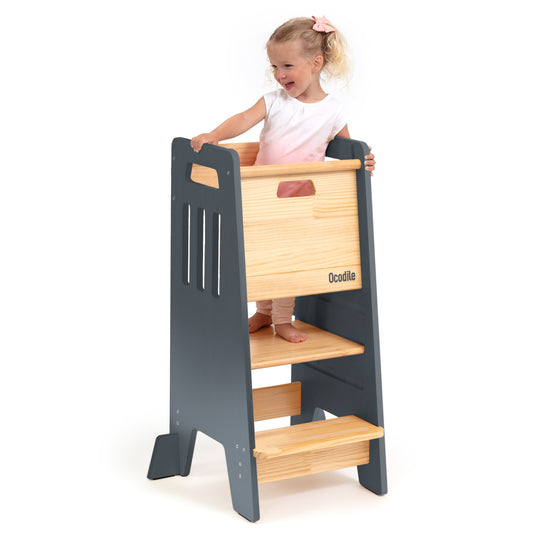
Now, imagine adding an Ocodile standing tower nearby, maybe just outside their play space in the kitchen.
This strategic placement builds a bridge between their independent floor time and joining in on family life. The mat gives them a safe home base for play, while the tower invites them to securely join you right at counter height.
This is the kind of synergy that turns a regular room into a truly child-friendly environment. The play floor mat cushions the inevitable tumbles and encourages exploration on the ground, and thoughtfully designed furniture like a learning tower promotes mobility and inclusion in your daily routines.
Creating a Cohesive and Stylish Space
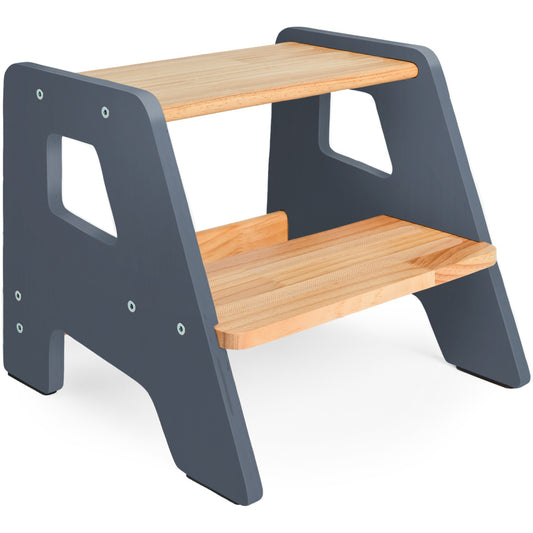
Going for a Montessori-inspired zone doesn't mean you have to give up on style. The trick is to pick items that are not only functional but also blend right in with your home’s look and feel. A neutral-toned play mat paired with natural wood furniture, like Ocodile's products, creates a calm and beautiful space that everyone—kids and adults—can appreciate.
By putting these elements together, you’re doing more than just furnishing a room; you’re building a supportive ecosystem for your child. You can explore a whole range of Montessori materials for home to make this environment even richer. This approach ensures your child's play space is:
- Safe: With a cushioned mat as the foundation.
- Accessible: Thanks to low-profile furniture and open storage.
- Empowering: By encouraging independence and free movement.
- Inclusive: Allowing children to participate in family activities.
This kind of thoughtful design shows that a child-centric space can be incredibly functional for development while still being a stylish part of your home.
Keeping Your Play Mat Clean and Safe for Years
 A clean play mat is a safe play mat, and thankfully, keeping your investment in top shape is easier than you might think. With just a little bit of routine care, your play floor mat will stay hygienic and durable for years of play.
When it comes to everyday messes—the inevitable spills, drool, or spit-up—a quick wipe-down is all it takes. Just grab a soft cloth, some warm water, and a mild, baby-safe soap. Tackling these little accidents right away prevents stains from setting in and keeps the surface ready for action.
Deeper Cleaning and Maintenance
For a more thorough clean, it's a good idea to give the mat a disinfecting wipe-down about once a week. This doesn’t mean you have to break out harsh chemicals that might irritate your little one's sensitive skin.
A simple solution of one part white vinegar to three parts water works perfectly. Just spray it on, let it sit for a minute to do its job, and then wipe it all down with a fresh, damp cloth.
To protect your mat and really get your money's worth, a few maintenance habits can go a long way.
- Avoid Sharp Objects: It’s best to keep pets with claws, high heels, and pointy toys away from the mat. These can cause punctures and scratches that are tough to fix.
- Prevent Sun Damage: Direct sunlight can be harsh, causing the vibrant colors to fade and the material to become brittle over time. Try to place your mat away from windows that get a lot of intense, direct sun.
- Fix Curling Edges: If you have interlocking foam tiles and notice the edges starting to curl up, there’s an easy fix. Just place a heavy, flat object like a stack of books on the edge overnight, and it should flatten right out.
Got Questions About Play Floor Mats? We’ve Got Answers.
Even after you've done your research, a few questions can pop up. It's completely normal. Let's walk through some of the most common things parents ask, so you can feel 100% sure about the mat you choose for your little one.
At What Age Does My Baby Need a Play Mat?
You can start using a play mat right from day one. For a newborn, it’s the perfect spot for that all-important tummy time—a clean, firm surface where they can start building up their neck and shoulder muscles.
As they get bigger, that same mat becomes their little world for rolling, sitting up, and eventually, crawling and taking those first wobbly steps. Before you know it, it's their go-to play zone as a toddler. It's one of those rare baby items that truly grows with your child.
Are Foam Play Mats Safe If My Baby Chews on Everything?
This is a big one, and the answer comes down to the quality and materials of the mat. A good-quality play mat made from proven non-toxic materials, like XPE foam or one with a TPU coating, is designed with curious, teething babies in mind.
The key is to check the labels. Always look for mats that are explicitly marked as non-toxic, BPA-free, and phthalate-free. Certifications like ASTM F963 (USA) or EN-71 (Europe) are your best friends here—they mean the mat has been properly tested for nasty chemicals and choking risks.
Can I Put a Play Mat on Top of My Carpet?
Yes, and you'll be glad you did. Putting a play mat over a carpet gives your baby a much firmer, more stable surface. This makes it way easier for them to push up during tummy time or get the grip they need to start crawling.
Plus, it acts as a waterproof shield for your carpet, saving it from the inevitable spills and spit-up. A quick wipe, and you're done. For plush or thick carpets, a good rule of thumb is to pick a mat that’s at least 1cm thick so it lies flat and doesn't bunch up.
How Do I Use a Mat to Create a Montessori Space?
A play mat is the perfect starting point for a Montessori-friendly room. The trick is to choose a mat with a simple, neutral design. This helps avoid over-stimulating your child and keeps the focus on them and their activities.
From there, you can add low, open shelves so they can easily reach their own toys, and maybe even a floor bed to encourage independence. The whole idea is to build a calm, organized, and accessible space where your child can explore freely on a safe and comfortable foundation.
Ready to transform your home into a haven for growth and exploration? With Ocodile's child-centric furniture, you can build a safe, stylish, and empowering environment that supports every stage of your little one's development. Discover how our thoughtfully designed products can complement your play space.