



Playroom Furniture Ideas: Fun, Safe & Functional Spaces
When you think about the ideal playroom, what comes to mind? It’s probably a mix of fun, safety, and pieces that actually help your child learn and grow. Things like low, open shelving, tables built just for them, and furniture that can adapt as they get older are all part of the magic.
Creating that perfect space is really about building a world that encourages joy and independence.
Designing the Ultimate Playroom From Concept to Creation
Taking an empty room and turning it into a dream playroom can feel like a massive undertaking, but it doesn't have to be. A great playroom is so much more than a toy storage unit; it's a launchpad for your child’s imagination, a safe space to grow, and the backdrop for countless family memories.
Think of it less like decorating and more like building a tiny, wonderful world designed just for your little one. If you focus on a few key ideas from the start, you can create a room that’s both inspiring and completely practical.
The Blueprint for a Child-Centered Space
The very first thing to do is get down on their level—literally. Try to see the room from your child's point of view instead of what looks best to you as an adult. The most successful playrooms are the ones where kids feel capable, confident, and free to explore on their own terms.
A thoughtfully designed playroom acts as a "third teacher," silently guiding a child through play, encouraging curiosity, and building confidence without constant adult intervention.
This mindset changes everything. It influences where you put the shelves, what kind of rug you choose, and how you organize their toys. It's all about creating an environment that clearly says, "This space is for you."
Key Principles of Great Playroom Design
To make this happen, a few guiding principles can serve as your blueprint. They’ll help you make sure every decision has a purpose.
- Foster Independence: Choose furniture your kids can actually use by themselves. Low shelves, easy-to-reach bins, and kid-sized chairs empower them to make their own choices and clean up their own messes (well, sometimes!).
- Prioritize Safety: This is non-negotiable. Look for furniture with rounded corners, non-toxic finishes, and a sturdy build that won't tip over when your little one inevitably tries to climb it.
- Encourage Creativity: The right setup can be a huge boost for their imagination. Simple, open-ended items are golden here. Think of a plain art table that becomes a command center or a play couch that transforms from a fort into a pirate ship.
- Adapt to Growth: Kids grow and change in the blink of an eye, and their playroom needs to keep up. It's smart to invest in adaptable pieces that can be used differently as they move from the toddler years into school age. For more great tips on this, check out our guide on preschool room design ideas.
Zoning Your Playroom for Fun and Function
Ever walked into the playroom and felt instantly overwhelmed? When building blocks are buddies with the art supplies and the books are buried under a mountain of stuffed animals, it's chaos. It’s a lot for us, and it’s a lot for our kids, too.
But what if you thought of the playroom less like a single room and more like a mini-city? This approach is called zoning, and it’s a game-changer. It’s simply about creating dedicated “neighborhoods” for different kinds of play. This one strategy brings order, makes cleanup a breeze, and teaches kids where things go without you having to say a word. Using furniture, rugs, and storage as a sort of "border" creates a room that’s just easier for your little one to explore.
Creating Your Core Play Zones
The best part about zoning is that you can completely tailor it to your child's passions. That said, most great playrooms have a few core zones that serve as a fantastic starting point. I always suggest starting with these three and then adapting as your child gets older and their interests change.
- The Creative Corner: This is ground zero for all things messy and wonderful. An art table and chairs are a must, maybe with a paper roll dispenser or a small easel. Keep the crayons, paint, and play-doh on low, open shelves so your little artist can grab them whenever inspiration strikes.
- The Quiet Cove: Every kid needs a spot to chill out, flip through a book, or just have a moment. A super-soft rug, a pile of comfy pillows, or even a little pop-up tent can create the perfect reading nook. I’m a big fan of forward-facing bookshelves here—they make the book covers so much more inviting.
- The Active Zone: This space is for big movements and even bigger imaginations. It’s where forts are built, block towers reach for the sky, and pretend play takes over. The key is open floor space, usually defined by a durable play mat that can handle some serious fun.
This diagram really nails down the core principles that a well-zoned playroom helps build, like creativity and independence.

It’s a great visual reminder of how intentional design choices can make a real difference in your child's development.
To help you get started, here's a simple guide for planning the distinct activity areas in your playroom.
Playroom Zone Planning Guide
Use this guide to plan distinct activity zones in your playroom, complete with furniture and activity suggestions for each.
| Zone Type | Key Activities | Essential Furniture & Items |
|---|---|---|
| Creative Corner | Drawing, painting, sculpting, crafts | Child-sized table & chairs, easel, art caddy, accessible shelves for supplies |
| Quiet Cove | Reading, puzzles, quiet time | Soft rug, cushions, tent or canopy, forward-facing bookshelf, soft lighting |
| Active Zone | Building, imaginative play, movement | Open floor space, durable play mat, large storage bins for blocks & toys |
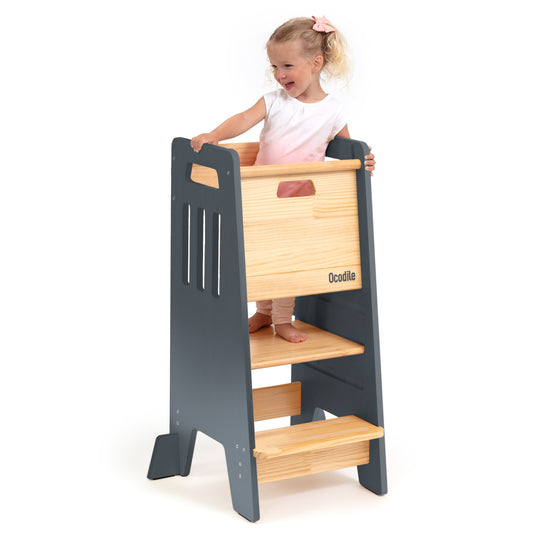
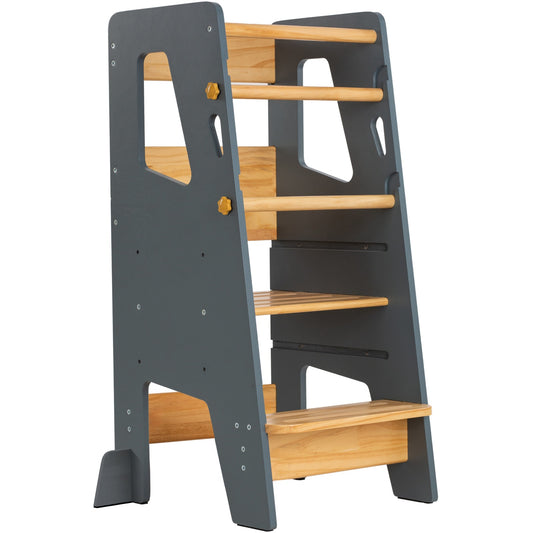
| Participation Station | Helping in the kitchen, supervised tasks | Kitchen helper tower, step stool |
Think of this table as a starting point. Feel free to mix, match, and invent new zones that fit your family perfectly.
Expanding Your Zones With Smart Furniture
Once you have the basics down, you can start getting creative by adding specialized zones. The right piece of furniture can instantly create a new "destination" in your playroom city. A great example of this is the Participation Station.
A Participation Station is all about including your child in what you’re doing. It’s usually set up near the heart of the home, like the kitchen counter or your own desk, so they can be safely involved in daily routines.
A kitchen helper tower is the perfect piece of furniture for this. It brings your toddler up to counter height safely, letting them "help" with dinner prep, wash their hands, or just see what's going on. It’s amazing for their confidence and turns a regular Tuesday night into a shared experience.
In the same way, a simple child-safe step stool can create a mini-zone of independence by the bathroom sink or a low bookshelf. These small additions are fantastic playroom furniture ideas that empower kids to do things for themselves. When you start thinking in zones, your playroom transforms from just a room with toys into a dynamic space that nurtures every part of your child’s growth.
Choosing Furniture for Every Age and Stage
Picking out furniture for a playroom feels a lot like buying clothes for a kid who won't stop growing. What fits them perfectly today might be comically small by next season. The trick is to think in stages, finding pieces that fit their developmental needs right now, but always with an eye toward what’s coming next. The best playroom furniture is safe, adaptable, and ready to support your child as they leap from one milestone to the next.

When you focus on the right items for each phase, you make sure your investment is actually used and loved for years. This smart approach keeps you from buying furniture that becomes useless almost overnight, saving you a lot of hassle and money.
Furniture for Toddlers (1-3 Years)
For toddlers between 1 and 3 years old, the world is just a giant, wonderful obstacle course that’s begging to be explored. Furniture at this stage needs to be all about safety, accessibility, and helping them build those crucial gross motor skills. Everything should be low to the ground, super sturdy, and completely free of sharp corners.
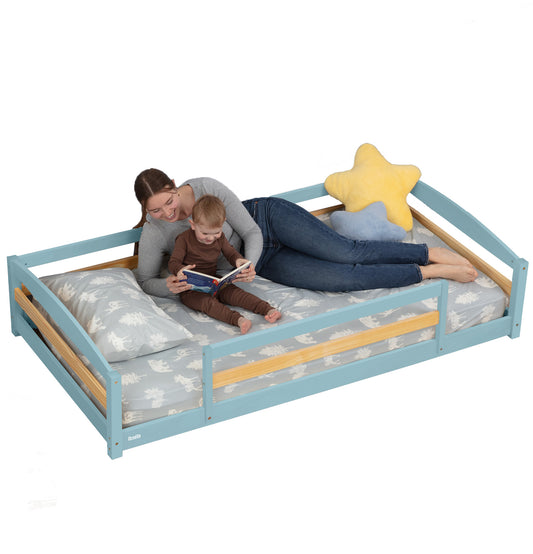
This is the age of "I can do it myself!" A floor bed is a perfect example, letting a toddler climb in and out on their own and giving them a sense of control over their space. In the same way, soft climbers and rockers let them test their physical abilities in a safe, contained way.
A few key pieces are essential here:
- Low, open shelving: This is non-negotiable. When toddlers can see and reach their own toys, it helps them learn to make choices and makes cleanup feel less like a chore.
- A small, sturdy table and chair set: Sized just for them, this gives them a dedicated spot for snacks, puzzles, and their first artistic masterpieces.
- Floor beds: These beds foster independence right from the start. They take away the fear of falling and give kids ownership of their sleep space.
Furniture for Preschoolers (3-5 Years)
Once you hit the preschool years (3-5 years old), your child's imagination is running wild. Now's the time for playroom furniture that can keep up with their creativity and pretend play. Their world gets bigger by the day, and their furniture should encourage storytelling and discovery.
During the preschool stage, furniture transitions from being just functional to being a catalyst for imagination. A simple table becomes a veterinarian's office, and a bookshelf transforms into a grocery store.
You can start bringing in more specialized items that cater to their interests. Versatile pieces that can be used for multiple things are a huge win, since a preschooler's favorite activity can change at a moment's notice.
- Art Easels: A double-sided easel, maybe with a chalkboard on one side and a whiteboard on the other, is an amazing canvas for their creativity and early writing practice.
- Play Kitchens and Workbenches: These are the cornerstones of imaginative play. They let kids act out the adult world and dive into complex role-playing scenarios.
- Costume and Dress-Up Storage: A small clothing rack or a bin just for costumes makes it easy for them to become a pirate, a doctor, or a superhero whenever the mood strikes.
Furniture for School-Aged Kids (6+ Years)
When elementary school starts, the playroom often turns into a do-it-all space for homework, hobbies, and hanging out with friends. The furniture needs to shift too, becoming more organized, adaptable, and able to handle more complex activities.
Your playroom furniture should now help manage school supplies, books, and ever-growing collections. To keep your zones distinct and make cleanup simpler, organizing with the right clear storage bins with lids can be a total game-changer for toy management.
Pieces that can grow with your child are a really smart investment here. An adjustable desk, for example, can be raised as your child gets taller, making sure they always have a comfortable place to work. Likewise, a comfy reading nook with good light encourages a lifelong love of books and gives them a quiet spot for homework or just getting lost in a story.
Prioritizing Safety in Materials and Design
When you're putting together a playroom, safety isn't just a feature—it's everything. It's the peace of mind that lets you take a deep breath while your little one is off exploring, creating, and just being a kid. Choosing safe furniture isn't about limiting the fun; it's about making sure that fun happens in a worry-free space.
This means looking past the cute designs and asking what a piece is really made of and how it’s put together. A beautiful bookshelf is useless if it’s wobbly, and that vibrant paint is a no-go if it’s toxic. Every single choice you make helps build a secure little world for them.
Let's Talk About Materials
The first thing to check is the materials. Since little ones love to explore with their hands and their mouths, making sure everything is non-toxic is a top priority. Not all wood is the same, and not all plastics are either. Knowing what to look for makes all the difference.
Here’s a quick rundown of what to keep an eye out for:
- Solid Wood: Try to find furniture made from solid woods like birch, maple, or beech. They're durable and, with the right finish, a safe and long-lasting choice. It's best to steer clear of cheaper particleboard or MDF, which can contain formaldehyde-based glues.
- Finishes: Always look for non-toxic, water-based paints and finishes. Check for labels that say "zero-VOC" (Volatile Organic Compounds). This ensures the air in your playroom stays clean and isn't full of nasty chemicals. For a deeper look into this, we have a whole guide on selecting non-toxic kids' furniture.
- Plastics: If you go with plastic items, make sure they are clearly labeled as BPA-free, phthalate-free, and PVC-free. These chemicals have been linked to health issues, so it's best to avoid them completely in your child’s space.
A truly safe playroom is one where a child’s natural curiosity isn't met with hidden hazards. The safest furniture is often the simplest, made from honest materials and designed with a child’s perspective in mind.
Smart Design for Hazard-Free Play
Beyond the materials, the actual design of the furniture is key to preventing accidents. Kids are born climbers and explorers who love to test boundaries. Good design sees this coming and builds safety right into the furniture. Of course, this is just one piece of the puzzle. For a bigger picture, you can check out this guide on how to childproof your home.
Think of these design features as a non-negotiable checklist for any furniture you're considering.
Essential Safety Design Checklist
- Rounded Corners and Edges: Sharp corners are a recipe for bumps and tears. Look for furniture with smooth, rounded edges to reduce the risk of injury when your child is running around.
- Wide, Sturdy Bases: Tipping is a huge risk. Find pieces with a low center of gravity and a wide base that are hard for a curious toddler to pull or knock over.
- Anchoring Tall Furniture: This is a big one. Any furniture a child might try to climb, like bookshelves or dressers, must be securely anchored to the wall. According to safety data, a child goes to the ER every hour because of tipping furniture.
- Child-Specific Ergonomics: The furniture should be made for them. For example, a good step stool isn't just about height; it should have anti-slip features and wide steps. This doesn't just help them reach things—it empowers them to safely join in on daily routines all by themselves.
Adopting the Montessori Method in Your Playroom

The Montessori philosophy can seem a bit academic at first, but the idea behind it is actually quite simple. It’s all about creating a “prepared environment” that respects and empowers your child.
Think of it as looking at the playroom through your little one's eyes. The whole point is to design a space where they can explore safely, make their own choices, and learn by doing.
This approach goes way beyond just having a place to dump toys. It’s about using specific furniture to build independence. Instead of a chaotic room that overstimulates and distracts, you’re creating a calm, organized, and accessible space that encourages your child to focus and play with real purpose.
The Foundation of a Prepared Environment
The single most important part of a Montessori playroom is accessibility. It's simple: if a child can't reach their own toys or books, they have to rely on you to start playing.
This is exactly why low, open shelving is the star of the show. A deep toy box just becomes a black hole where toys get jumbled and forgotten. Open shelves, on the other hand, let a child see all their options clearly.
This one change makes a huge difference. It lets them choose what they want to play with and—just as importantly—gives them the ability to put things back where they belong. It’s a natural way to build a sense of order, responsibility, and confidence right from the start.
In a Montessori space, every piece of furniture has a purpose. It's not just about aesthetics; it's about providing the right tools to support a child's developmental journey toward independence and self-discovery.
This idea applies to everything in the room. By choosing and arranging furniture thoughtfully, you create a space that actually works for your child, not against them. Our article on the Montessori play shelf is a great place to dig deeper into this concept.
Key Furniture for Fostering Independence
Beyond the shelves, a few other key pieces really bring the Montessori philosophy to life. Each one is picked to give your child more control over their own little world.
-
Floor Beds: A floor bed is a total game-changer for a toddler’s freedom. It gets rid of the physical barrier of a crib, letting them get in and out of bed on their own schedule. This simple shift respects their natural sleep cycles and gives them a real sense of ownership over their space.
-
A Child-Sized Table and Chair: This is so important. Giving your child a small workspace that actually fits their body provides a dedicated spot for focusing on puzzles, drawing, or other activities without struggling at an adult-sized table.
-
Kitchen Helper Towers: This is Montessori in action. A standing tower safely brings your child right up to counter height. Suddenly, they can participate in real-life activities like stirring pancake batter, washing vegetables, or just watching you cook. It turns everyday chores into amazing learning opportunities.
-
Step Stools: Never underestimate a simple, sturdy step stool. Placed by the sink, it lets a child wash their own hands. By a light switch, it gives them control over the lights. Every little task they master on their own builds their confidence and sense of capability.
When you thoughtfully bring these pieces into your playroom, you’re doing more than just decorating. You're building a nurturing environment that supports your child as they grow into a capable, confident, and curious person.
Frequently Asked Questions About Playroom Furniture
As you start dreaming up the perfect play space, you’re bound to have questions. We get it. We’ve rounded up some of the most common things parents ask about playroom furniture, with practical answers to help you get it right.
How Do I Furnish a Playroom on a Tight Budget?
A fantastic playroom doesn’t need a huge budget. It’s really about being smart with your choices.
Your first move should be to hunt for multi-functional pieces. Think of a sturdy toy chest that can also be used as a bench, or a small table that’s perfect for both art projects and snack time. Getting two uses out of one item is the best way to stretch your dollars.
Next, get friendly with secondhand markets. Online marketplaces and local consignment shops can be absolute goldmines for gently used kids' furniture. Just make sure you give every piece a thorough inspection for stability and any safety issues before you buy.
And don't forget the power of a little DIY. A fresh coat of non-toxic, zero-VOC paint can give an old, tired-looking shelf a whole new life.
To get the best value over time, start with the absolute essentials—storage and a good play surface—and build out from there. It’s also smart to invest in pieces that adapt as your child grows, like an adjustable stool or a convertible bed. That way, your budget goes further for years to come.
What Are the Best Storage Solutions for a Small Playroom?
When you’re short on floor space, the only direction to go is up. Thinking vertically is the key to making a small playroom feel open and organized.
- Go Tall: Use tall, narrow shelving units to draw the eye upward and keep the floor clear. Just be sure to anchor any tall furniture securely to the wall to prevent it from tipping over.
- Use Your Walls: Wall-mounted ledges are perfect for showing off favorite books or treasured little toys without taking up surface space.
- Pick Smart Furniture: Look for pieces that come with their own storage. A bench with cubbies underneath or an ottoman that opens up are both fantastic, sneaky solutions.
- Bring in a Cart: A tiered rolling cart is incredibly flexible. You can wheel it over to the center of the action and then tuck it away in a closet or corner when playtime is done.
No matter what, clear or labeled bins are your best friend. They let kids see exactly what's inside, which encourages them to choose their own activities and—most importantly—helps them learn where everything belongs when it's time to clean up.
How Can I Integrate a Playroom Into Our Living Room?
Creating a play zone in a shared family space is all about blending in. The goal is to make it feel like an intentional part of the room, not a toy explosion.
The trick is to find stylish storage that matches your existing decor. A big wicker basket, a modern credenza repurposed for toys, or a chic storage ottoman can hide all the clutter in plain sight.
Define a specific play corner with a soft, durable rug. This creates a visual boundary that helps keep the toys from migrating all over the living room. Add a small, attractive child-sized table and chairs to create a dedicated spot for activities that doesn't scream "playroom."
When playtime is over, having a designated home for every single toy makes cleanup a breeze and keeps your living room looking like a space for grown-ups, too.
What Is the Single Most Important Piece of Playroom Furniture?
If you can only invest in one thing, make it accessible storage. More than anything else, a low, open-front shelving unit is the true MVP of any playroom.
This kind of storage is the foundation of a functional play space. It empowers your child by letting them see all their options, pick out their own toys, and—this is the important part—put them away all by themselves. This simple setup builds a sense of responsibility and independence right from the start.
Ultimately, good storage is what keeps a playroom from descending into chaos. It makes the room feel calmer and more usable for everyone. Every other piece of furniture, from an art easel to a reading nook, works better when the room is organized. A tidy space sets the stage for more focused, creative play.
At Ocodile, we believe in turning everyday moments into opportunities for growth and connection. Our child-safe standing towers, floor beds, and step stools are designed to empower your little one's independence while blending beautifully into your home. Discover how our thoughtfully crafted furniture can help you create a joyful, safe, and inspiring play environment by visiting us at https://ocodile.com.