



Your Guide to 10 Inch Drawer Slides for Kids Furniture
Finding the perfect hardware is the first real step toward creating furniture that's both safe and easy for your child to use. For compact children's furniture like bedside tables or creative storage units, 10 inch drawer slides are an ideal choice. They provide the right balance of extension and stability for the smaller, shallower drawers you often find in kids' rooms.
Choosing the Right 10 Inch Drawer Slides for Your Project

Picking the right drawer slides is about more than just getting the size right. It's about making a confident choice that puts your child's safety first and helps them become more independent. The world of drawer hardware is surprisingly vast, but once you understand a few key differences, you’ll be able to pick the perfect fit for your project.
It's no surprise that the hardware market is booming. The global drawer slides market was valued at a robust USD 2.60 billion in 2023 and is on track to hit USD 3.51 billion by 2029. Light-duty slides, which often include the 10 inch drawer slides we're talking about for kids' furniture, are a huge part of this growth, with a projected 36% absolute growth rate. This just shows how many people are looking for these exact solutions.
Comparing 10-Inch Drawer Slide Types for Kids' Furniture
When you're building or upgrading furniture for a child, the type of slide you choose directly impacts safety and daily use. I've found that each one has its own strengths, especially when you look at it through the eyes of a parent.
To make it a little easier, here's a quick comparison of the most common types you'll run into.
| Slide Type | Best For | Safety Feature | Durability |
|---|---|---|---|
| Ball-Bearing | Toy drawers, dressers | Full extension prevents rummaging | High |
| Roller | Small art supply drawers | Simple, reliable mechanism | Medium |
| Soft-Close | All kids' furniture | Prevents slammed fingers | High |
This table should give you a good starting point. Ball-bearing and soft-close slides are my top picks for kids' spaces because of the added safety and ease of use, but roller slides can be a solid choice for lighter-duty drawers.
Materials and Durability
The material of your 10 inch drawer slides determines how well they stand up to the high energy of a playroom. Zinc-plated steel is the most common material you'll find, and it offers good corrosion resistance for most indoor spaces.
If you’re looking for inspiration on how to use these slides in stylish storage, checking out accent tables with drawers can spark some great ideas. For a unit going into a bathroom or a humid area, you’ll want to consider stainless steel slides for maximum rust protection.
A key piece of advice: always check the load capacity. A drawer might only hold lightweight clothes today, but it could be filled with heavy books in a few years. I always recommend choosing a slide rated for at least 50-75 pounds to ensure it holds up over time.
From my own experience, investing in quality slides upfront saves you from having to do replacements down the line. But if you ever do need a specific part for one of our products, you can always check the Ocodile replacement parts collection.
How to Get Your Measurements Right the First Time
Let’s talk measurements. Getting this part right is the single biggest difference between a project that flows smoothly and an afternoon filled with frustration. When you're working with the tight fit of 10 inch drawer slides, especially in smaller kids' furniture, precision is everything. It's not just about reading a tape measure; you have to understand what each number actually means for the drawer's final fit and function.
A classic mistake I see all the time is people only measuring the length of the drawer itself. Before you do anything else, you absolutely must measure the cabinet's interior depth. For 10 inch drawer slides to work, your cabinet needs to be at least 10 inches deep inside. Ideally, you want a little wiggle room—something like 10.5 inches is perfect—to make sure the hardware fits without being crammed in.
Key Dimensions to Record
Once you've confirmed the depth, the next step is accounting for the space the slides will take up on the sides. This is where most DIY projects go sideways, leading to drawers that either get stuck or feel wobbly and loose. So, before you start, grab a good quality tape measure and a notepad.
Here are the measurements you can't afford to skip:
- Cabinet Interior Depth: Measure from the inside of the cabinet's front frame all the way to the back wall. This number tells you the longest slide you can possibly install.
- Drawer Box Length: Now, measure the length of the drawer box itself, but don't include the drawer face or front panel. Your 10 inch drawer slides should match this dimension.
- Side Clearance: This is the make-or-break measurement. It's the gap between the side of the drawer box and the inner wall of the cabinet. For the vast majority of side-mount slides, you need exactly 1/2 inch of clearance on each side, for a total of 1 inch.
Here’s a little trick I use: slide the drawer box into the cabinet opening and try to fit a 1/2-inch thick piece of scrap wood between the drawer and the cabinet wall. If it fits snugly on both sides, you're golden. If it's too loose or won't fit at all, you'll need to make some adjustments.
Handling Non-Standard Measurements
What if your clearance is off? Don't panic; it happens a lot, especially if you're working with older or custom-built furniture. If your gap is too wide—say, you have 5/8 of an inch on each side—you can simply add thin strips of wood (called shims) to the inside walls of the cabinet to build them out.
On the other hand, if the gap is too narrow, your choices are a bit more limited. You might have to explore other options like bottom-mount or under-mount slides, which have different clearance needs. Always, always double-check the manufacturer's specs before you buy. Even a tiny deviation of 1/16 inch can lead to a drawer that just won't work right. A few extra minutes measuring now will save you a massive headache down the road.
Installing Drawer Slides for a Perfect Fit
Getting drawer slides installed might feel like a job for a seasoned woodworker, but trust me, it’s something you can absolutely tackle yourself with the right approach. This is where all that careful measuring you did earlier really pays off. It’s the moment you turn a few pieces of wood and metal into a smooth, functional part of your child's furniture. The whole process really just comes down to getting your lines straight and securing the hardware.
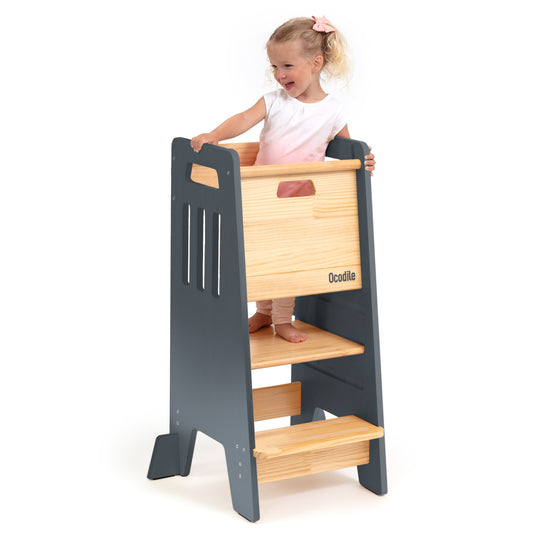
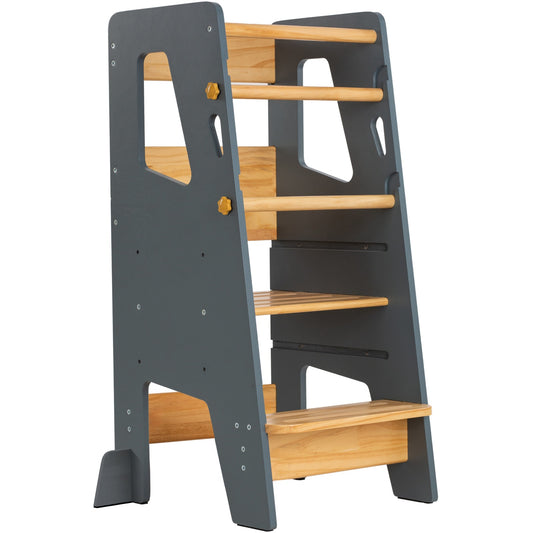
When you’re building furniture for kids, the end goal is always something sturdy and reliable that can stand up to daily life. Imagine installing slides for a shallow drawer in an Ocodile standing tower meant for crayons and paper. You want that drawer to glide out without a hitch, even if your little one yanks it from the side. A drawer that sticks or wobbles isn’t just annoying—it can be a real safety issue.
The infographic below breaks down the simple, three-step process for measuring your cabinet before you even think about picking up a drill. Getting this right from the start is half the battle.

This visual is a great reminder to check your cabinet depth, side clearance, and drawer height—in that order—to sidestep the most common installation headaches.
Getting Ready for Installation
Before you drive a single screw, a little prep work goes a long way. First, get your drawer slides separated. Most side-mount slides come in two parts: the cabinet member (which attaches to the cabinet) and the drawer member (which goes on the drawer box). To separate them, just pull the slide all the way out and press the little release lever you’ll see.
Next, round up your tools. You don’t need a whole workshop, just a few key items:
- A good tape measure
- A pencil for marking
- A combination square to get your lines straight and level
- A spirit level (a 24-inch one works great for this)
- A drill with the right bits for your screws and for pilot holes
Having everything laid out and ready to go makes the whole job feel less chaotic and helps you stay focused.
Marking Your Guidelines
This is the make-or-break part of the install. If your lines aren't perfectly level, the drawer will protest every time you open or close it. Start with the cabinet. Use your level and combination square to draw a crisp, horizontal line on the inside wall where the bottom of the cabinet member will sit.
Now, repeat that process on the drawer box itself. Mark a matching level line where the bottom of the drawer member will be attached.
Here’s a little trick I’ve picked up over the years: use a scrap piece of wood as a spacer. Say you need the slide to be 3 inches up from the bottom of the cabinet opening. Cut a piece of wood to that exact height. You can then rest the slide on this spacer while you mark your screw holes. It’s a foolproof way to get a perfectly level line without measuring over and over.
Securing the Hardware
With your lines marked, it’s time to bring in the drill. Start with the cabinet members. Line up the bottom edge of the slide with your pencil line and mark where the screws will go. I always like to use an awl or a small nail to create a little dimple for my drill bit—it keeps the bit from "walking" and messing up my placement. Drill your pilot holes first.
Go ahead and attach the cabinet members, but don’t crank the screws down tight just yet. Leaving them a little loose gives you some wiggle room for fine-tuning later. Do the exact same thing for the drawer members on the drawer box.
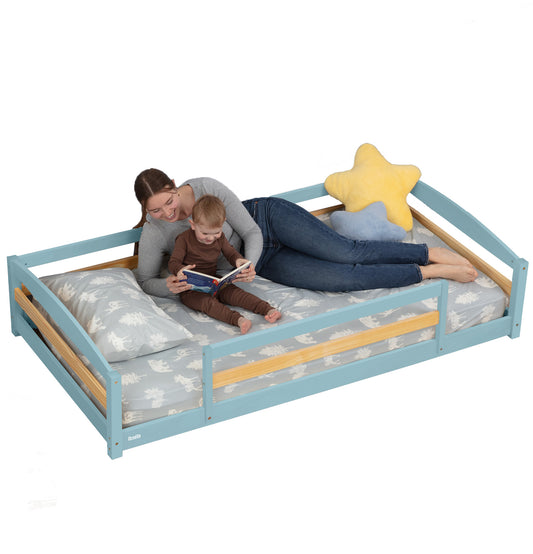
When it comes to creating safe spaces for little ones, 10 inch drawer slides are a staple in Ocodile's standing towers and floor beds. The light-duty models, perfect for kids' drawers holding art supplies or toys, have captured 42% of the global market share. Their low cost and simple installation make them a go-to for busy parents.
Almost done! Now, carefully slide the drawer into the cabinet. The two parts of the slide should engage and glide smoothly. If you feel any resistance or binding, this is where the slightly loose screws come in handy. Nudge the drawer up or down until it moves perfectly. Once you’ve got that buttery-smooth glide, tighten all the screws and give it one last test.
If you run into any specific questions about Ocodile products, our product support page is always there to help.
Making Safety a Priority in Your Design

When you're building furniture for kids, safety isn't just another box to check—it’s the entire foundation of your project. Every choice you make, especially when it comes to hardware, helps create a space where little ones can explore without getting hurt. This is particularly true for something as simple as a drawer, where the right 10 inch drawer slides can make a world of difference.
Try to see it from a child's point of view. A drawer that glides open smoothly is an invitation to be independent. But a drawer that slams shut can easily pinch tiny fingers. That’s why soft-close mechanisms have become a must-have feature in kids' furniture today. They make sure the drawer shuts gently and quietly every single time, no matter how much force is behind the push.
Push-to-open slides offer a similar two-for-one benefit. They give you that clean, handle-free look that’s both modern and practical, getting rid of hardware a running toddler could bump into. More importantly, the technology itself is built with safety in mind.
Key players like Blum Inc. and Hettich have been refining push-to-open technology, which has led to a 30% reduction in pinch hazards in some models. It’s a pretty clear sign of where the industry is heading.
The Essential Safety Checklist
Beyond the slide mechanism itself, a few other things are absolutely critical for a truly safe build. Before you start, during the installation, and after you're done, run through this simple checklist to make sure your project is ready for curious little hands.
- Install Drawer Stops: This one is non-negotiable. A drawer stop keeps the drawer from being pulled all the way out of the cabinet, which could cause it to fall on a child. Most modern 10 inch drawer slides have stops built-in, but you should always double-check.
- Choose Non-Toxic Finishes: Look for slides with finishes like zinc-plating that are free from nasty chemicals. Kids explore with their hands and mouths, so making sure the materials are safe is a top priority.
- Anchor the Furniture: It doesn’t matter how well-built your drawer is if the entire piece of furniture can be tipped over. You must anchor the whole unit securely to a wall. You can find out more about this crucial step in our guide on how to https://ocodile.com/blogs/the-little-space/secure-furniture-to-wall.
For your drawer slides to work perfectly, it’s also important to start with a solid foundation by understanding proper drawer construction.
By making these safety features your priority, you’re not just building a piece of furniture; you're creating a secure part of your child's world. The peace of mind that comes from knowing their space is safe is what allows for more confident and independent play.
Simple Maintenance and Troubleshooting Tips
Once you’ve got your 10 inch drawer slides perfectly installed, a little upkeep will go a long way. It’s the secret to keeping them working smoothly and safely for years to come. Think about it—any moving part can eventually collect dust, lose its lubrication, or get knocked out of alignment.
Catching these little issues early is the key. It stops them from becoming bigger headaches and ensures your child's furniture stays functional and frustration-free.
Routine maintenance is surprisingly simple. Every few months, just give the slide tracks a quick wipe-down with a dry microfiber cloth. This little step is usually all it takes to clear out the dust and debris that cause that gritty, sticking feeling, keeping the ball bearings rolling freely.
Keeping Slides Clean and Lubricated
For a deeper clean—say, after a juice box mishap or if the slides just feel really sticky—you’ll want to pull the drawer all the way out. A vacuum with a brush attachment works wonders for getting stubborn gunk out of the tracks. After that, wipe the slides down with a cloth that’s just lightly dampened with a mild cleaner.
After cleaning, it’s all about lubrication for that silent, effortless glide. A quick heads-up: steer clear of heavy oils or greases like WD-40. They tend to attract even more dust and can gum up the whole mechanism over time.
Instead, here are a few better options:
- Silicone Spray: This is a fantastic choice because it leaves a dry, slick surface that actually repels dust. A light mist is all you need.
- White Lithium Grease: For drawers that get a ton of use, this is a solid pick. Just apply a very thin coat right onto the ball bearings.
- Paraffin Wax: If you want a super simple, no-mess solution, you can just rub a block of paraffin wax along the tracks.
My personal go-to is a quality silicone spray. It's clean, easy to apply, and works like a charm for the side-mount 10 inch drawer slides you typically find on kids' furniture. Just be sure to wipe away any excess to keep things tidy.
Solving Common Drawer Slide Problems
Even with a flawless installation, you might hit a few snags down the road. Don't sweat it. Most common drawer slide problems are surprisingly easy to fix with a few small tweaks.
Problem 1: The Drawer Sticks or Binds A sticking drawer is almost always caused by one of two things: debris in the tracks or a slide that’s gone out of alignment. First, give the slides a good cleaning like we talked about above. If it’s still sticking, take a look inside the drawer. Is it overloaded? Pushing past the weight capacity is a surefire way to cause binding.
Problem 2: The Drawer Won’t Stay Closed If a drawer keeps drifting open on its own, it’s a classic sign that the cabinet itself isn't level. The front is probably sitting just a little lower than the back. Grab a level and check the top of the cabinet. If it's tilted, you can slide thin shims under the front legs or base until the drawer stays put.
Problem 3: The Slides Are Making Noise Hearing squeaking or grinding? That’s your slides telling you they're either dirty or thirsty for lubrication. A thorough cleaning followed by a fresh application of your chosen lubricant should solve it. If the noise just won't quit, it's time to inspect the slides for bent tracks or damaged ball bearings. Those might need to be replaced.
Even after you’ve measured twice and read all the instructions, it’s completely normal for questions to pop up. This is especially true when you're dealing with something as precise as 10 inch drawer slides, particularly for children's furniture where safety is everything.
Let's walk through some of the most common questions we get from fellow parents and DIYers. My hope is these clear, practical answers will help you get unstuck and finish your project with confidence.
Can I Use 10 Inch Slides on a Different Length Drawer?
I get this one a lot, and the straightforward answer is: you really shouldn't. Drawer slides are engineered to match the length of the drawer box perfectly. Trying to fit 10 inch drawer slides onto a 9-inch or 11-inch drawer will just cause headaches.
If your slide is too long, it'll either poke out the back of the cabinet or stop the drawer from closing all the way. If it’s too short, the drawer won't be properly supported. It will feel unstable and become a tipping hazard when pulled out—something you absolutely want to avoid in a kid's room.
My advice? Always buy slides that match your drawer box's exact length. Taking a shortcut here almost always ends in a wobbly, frustrating drawer that you'll just have to fix later.
Full-Extension or 3/4-Extension for a Kid's Room?
Choosing between full-extension and 3/4-extension slides usually comes down to balancing access against cost. But when it comes to a child’s room, full-extension slides are the clear winner. They let the drawer pull all the way out, so your little one can easily see and grab everything inside without digging around in the dark.
- Full-Extension: This gives you complete access to the drawer's contents, which is fantastic for toy bins or messy clothing drawers. It really cuts down on frustration and might even encourage your kids to keep things organized.
- 3/4-Extension: These slides leave about a quarter of the drawer inside the cabinet. They’re often a bit cheaper, but that limited access can be a real pain for little hands trying to find that one specific crayon or Lego piece.
From personal experience, the added convenience of full-extension slides is well worth the small difference in price. It makes a huge difference in drawers that get opened and closed all day long.
How Do I Choose the Right Screws for Installation?
The screws you use are just as critical as the slides themselves. If you use the wrong ones, they can pull out of the wood, leading to a broken drawer. The goal is a secure grip that won’t split the wood or poke through to the other side.
For most projects, here’s a quick guide on what to look for:
| Wood Type | Recommended Screw | Why It Works |
|---|---|---|
| Plywood/MDF | #6 or #8 Pan-Head Screws | The pan-head offers a wide contact area, and the threads grip well in these composite materials. |
| Softwoods (Pine) | #6 Truss-Head Screws | Its wider, lower-profile head distributes pressure to keep it from sinking into the soft wood. |
| Hardwoods (Oak, Maple) | #7 Fine-Thread Screws | Fine threads are designed to cut cleanly into dense wood, which seriously reduces the risk of splitting. |
A friendly piece of advice: always pre-drill pilot holes. Make them just slightly smaller than the screw's diameter. This simple step is a game-changer for preventing wood from splitting, especially when you're working near an edge with hardwood. For most 10 inch drawer slides in a standard 1/2-inch drawer box, a 5/8-inch long screw is usually the perfect fit.
Ready to start your next project with hardware that’s built for safety and style? The team at Ocodile is dedicated to helping families create beautiful, functional spaces for their children. Explore our full range of child-focused furniture solutions.