



Designing Craft Rooms for Kids Your Children Will Adore
A dedicated space for arts and crafts is so much more than a containment zone for glitter explosions and paint splatters. Setting up craft rooms for kids—or even just a special creative corner—is like giving your child a launchpad for their imagination. It helps them become more independent, confident, and surprisingly good at solving problems.

Why A Dedicated Craft Space Matters
Think of it as a workshop where your little one is the head inventor. Whether it’s a full room or just a nook, having an organized art studio sends a powerful message: your ideas are important, your creativity is valued, and this is your space to explore.
When kids have easy access to their materials and a spot where it's okay to make a "creative mess," they’re far more likely to start projects on their own. This kind of autonomy is the very foundation of self-confidence and that "I can do it!" attitude we all want for them.
To really see the benefits, let's break them down. Having a designated craft space isn't just about fun; it's a powerhouse for hitting major developmental milestones.
Here’s a quick look at the core advantages.
Core Benefits of a Kids Craft Space at a Glance
| Benefit Category | Description | Example Activity |
|---|---|---|
| Cognitive Growth | Encourages planning, experimentation, and learning from outcomes. | Figuring out how to build a paper-towel-roll tower that won't fall over. |
| Fine Motor Skills | Strengthens small hand muscles needed for writing and daily tasks. | Snipping with safety scissors, threading beads, or rolling play-doh. |
| Emotional Expression | Provides a healthy outlet for expressing feelings and ideas non-verbally. | Painting a picture that's angry and red, or happy and yellow. |
| Independence | Fosters self-reliance by allowing kids to access and manage their own tools. | Choosing their own supplies and cleaning up their station afterward. |
As you can see, the simple act of creating gives children a safe space to practice skills they'll use for the rest of their lives.
Fostering Critical Skills
A well-stocked craft corner isn't just about keeping supplies from taking over the house; it’s a gym for the brain and hands. Simple, fun activities help your child grow in so many ways:
- Fine Motor Skills: Just holding a crayon, using safety scissors, or pinching small beads builds up the tiny muscles in their hands and fingers, getting them ready for writing.
- Problem-Solving: What happens when a project doesn't go according to plan? Kids learn to adapt. They figure out how to make a glue stick work, what happens when you mix blue and yellow, or how to patch up a tear.
- Decision-Making: With a tray of colorful pom-poms and a few different kinds of paper, children practice making choices. This helps them discover what they like and learn about consequences in a fun, low-stakes way.
A dedicated craft space is less about the perfect, fridge-worthy masterpiece and more about the journey. The real magic happens in the experimenting, the "oops" moments, and the "what if I try this?" questions.
More Than Just a Hobby
This push for creative time isn't just a hunch parents have—it's recognized worldwide as a key part of healthy development. You can see this reflected in the market, too. The global arts and crafts market for children is expected to jump from USD 17.6 billion in 2025 to a massive USD 27.22 billion by 2030.
This huge growth shows just how much parents and educators are realizing that creative skills are a must-have for a solid early education. You can dig deeper into these market trends and what they mean for childhood development if you're curious.
At the end of the day, creating craft rooms for kids is really about laying a foundation for a lifetime of curiosity. You’re carving out a space where your child knows, without a doubt, that they are free to imagine, create, and discover exactly who they are.
Your Blueprint for the Perfect Kids Craft Room
Staring at an empty corner and wondering where on earth to begin? I get it. The idea of creating a dedicated craft room for kids can feel huge, but it's really not about interior design perfection. Think of it more like building a headquarters for your child’s imagination.
Let's break this down into a simple, step-by-step blueprint. We'll turn that overwhelming project into a fun adventure you can tackle together.
Step 1: Find Your Creative Zone
First things first, you need to scout the perfect location. The good news? You don't need a massive, dedicated room. The real goal is to find a consistent, accessible spot where creativity is always welcome.
Keep an eye out for a space with these key features:
- Good Lighting: Natural light is always best. It shows true colors and is easier on the eyes. If a window isn't an option, make sure the area is well-lit with a good overhead light or a sturdy, kid-safe lamp.
- Durable Flooring: Messes are part of the deal. A room with hardwood, laminate, tile, or vinyl flooring will make your life so much easier. If you only have carpet, grab a large, washable splat mat to go under their table and chairs.
- Proximity to You: For younger kids, having a craft corner in a main living area or kitchen is ideal. It lets them work independently while you can still keep a watchful eye on them.
Remember, the 'room' in craft room is just a concept. A cozy nook in the playroom, a repurposed closet, or a well-organized rolling cart can be just as effective as a dedicated room. It’s about creating a defined and reliable home for creative activities.
Step 2: Assess and Sketch a Simple Layout
Once you’ve picked your spot, it’s time to put on your architect hat. Grab a piece of paper and a pencil—no fancy software needed. You're just aiming to create a simple, functional layout that puts your child’s independence first.
Start by measuring the space. How much room do you really have for a table, chairs, and storage? Think about the flow. Can your child move around easily to get their supplies without bumping into furniture?
Your sketch should answer a few basic questions:
- Where will the main workspace be? This is your anchor, usually a table and chair.
- Where will supplies be stored? Low, open shelving is fantastic for encouraging kids to grab what they need on their own.
- Is there room for displaying artwork? A simple corkboard, a string with clothespins, or a magnetic wall gives them a place to feel proud of their creations.
This simple plan stops you from buying furniture that doesn’t fit or creating a space that feels cramped. Often, the centerpiece is the workspace itself. To make the most of a smaller area, you might want to look into an arts and crafts table with storage, which combines the work surface and organization all in one.
Step 3: Involve Your Little Co-Designer
This is the most important—and most fun—step of all. Bring your child into the planning process right from the start. When kids help create their own space, they build a sense of ownership. That means they're far more likely to actually use it and even help keep it tidy.
You can involve them in simple, age-appropriate ways. Show them your rough sketch and ask what they think. Let them help pick the color for a storage bin or decide where their favorite coloring books should live.
This isn’t just about making them happy; it’s a huge teaching moment. You're showing them their opinions matter and that planning is a creative process in itself. By making them your co-designer, you're not just building one of the best craft rooms for kids—you're building their confidence for all the amazing projects ahead.
Designing for Every Creative Stage
A craft space that works for a curious toddler simply won't cut it for a ten-year-old who's discovered a new hobby. Just like they outgrow their clothes and shoes, kids will outgrow their creative spaces. The trick to designing great craft rooms for kids is to build an environment that can evolve right along with them.
Think of it like a playground. Toddlers need soft surfaces and low structures to explore, while older kids are ready for swings and monkey bars. Your craft space has to adapt in the same way, offering the right tools and just enough challenge for each stage of their creative journey.
Before we get into the age-specific details, it helps to have a simple game plan. This three-step approach is the foundation for a successful craft room, no matter how old your little artist is.

Starting with these basics—picking a spot, sketching a rough layout, and getting your child's input—will set you up for success from the get-go.
To make this easier, here’s a quick comparison of how to set up a craft station based on your child's age. It breaks down the key features you’ll want to consider for toddlers, preschoolers, and school-aged kids.
Craft Station Setup by Age Group
| Feature | Toddlers (1-3 Years) | Preschoolers (3-5 Years) | School-Aged Kids (6+ Years) |
|---|---|---|---|
| Furniture | Low, sturdy table & chair, or floor-based setup. | Child-sized table & chairs, art easel. | Full-sized desk, ergonomic chair. |
| Storage | Low, open bins and baskets. | Clear bins with picture labels. | Drawer units, pegboards, dividers. |
| Materials | Chunky crayons, washable finger paints, play-doh. | Safety scissors, glue sticks, pom-poms, beads. | Specialized paints, modeling clay, craft kits. |
| Safety | All items must be non-toxic and not a choking hazard. | Supervised use of "real" tools like scissors. | Safe storage for sharp tools and chemicals. |
| Primary Goal | Sensory exploration (the process, not the product). | Developing fine motor skills and independence. | Fostering hobbies and focused, long-term projects. |
This table gives you a bird's-eye view, but let's dive into the specifics for each stage to really bring these ideas to life.
The Toddler Art Studio (Ages 1-3)
For toddlers, the entire world is one big sensory experiment. Their craft "room" should really be a safe zone for taste-safe, hands-on exploration. The goal isn't to create a masterpiece; it's to experience how paint feels, what colors look like when they mix, and the simple joy of making a mark.
Accessibility and safety are everything here. Think low to the ground. A small, sturdy table and chair set is nice, but honestly, many toddlers are happiest working right on the floor. Use low, open baskets for supplies so they can easily see and grab what they want.
Here's what you'll need for a toddler's creative space:
- Large-Format Materials: Go for chunky, non-toxic crayons, jumbo paint brushes, and huge sheets of paper you can tape to the floor or a low easel.
- Sensory Play: Edible finger paints, homemade play-doh, and a shallow bin for water play are all big hits. Just be sure to use a tray or splat mat to contain the mess!
- Absolute Safety: Every single supply needs to be non-toxic and way too big to be a choking hazard. All furniture, like shelving, must be securely anchored to the wall.
A toddler’s creative space is less of an art studio and more of a sensory lab. The focus is on the process—squishing, smearing, and exploring—not the final product.
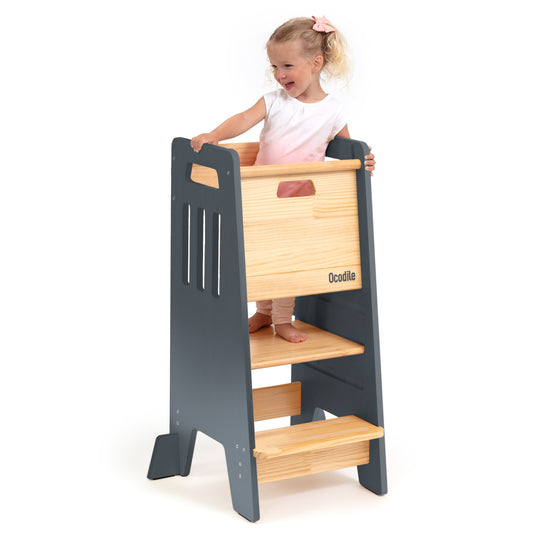
One of the biggest challenges with toddlers is their desire to be right where you are, especially at counter height. A sturdy standing tower can be a total game-changer, allowing them to safely join you at the kitchen island for a messy project. It gives them a sense of independence without you worrying about them climbing on a wobbly chair.
The Preschooler Creation Station (Ages 3-5)
As kids hit the preschool years, you’ll see their fine motor skills and attention spans really start to blossom. They’re suddenly ready for more complex tools and a more organized workspace. Now, the craft area can become more structured, with little zones for different activities.
This is the perfect age to introduce "real" art supplies, as long as you're supervising. Safety scissors, glue sticks, and smaller items like pom-poms and pipe cleaners can now enter the scene. Your role starts to shift from a hands-off facilitator to a co-creator and guide.
This growing interest is a huge trend. The children's segment now makes up about 40% of the entire craft kits market. It’s largely driven by parents who see the incredible educational value in hands-on activities and are looking for screen-time alternatives. You can learn more about this trend in the craft projects market and see how it’s shaping the products available for kids.
Your preschooler’s station should be all about fostering independence. Use clear bins with picture labels so they can not only find their own supplies but also—fingers crossed—put them away. A low table and chairs are still a must, but an art easel becomes a fantastic addition for painting and drawing.
The Big Kid Idea Lab (Ages 6+)
Once kids start elementary school, their creative interests often become much more specific. One day it's friendship bracelets, the next it's building intricate models. Their craft space needs to transform into an "idea lab" that can support these focused hobbies.
For school-aged kids, it's time for an upgrade. Consider these changes:
- Specialized Zones: It helps to have a dedicated spot for "wet" messes like painting and a separate "dry" area for drawing, building, or sewing.
- Advanced Organization: A pegboard is perfect for keeping tools visible and accessible. Drawer units with dividers are amazing for taming all the tiny supplies like beads, threads, or electronic bits.
- A Proper Desk: They’ve outgrown the tiny table. Upgrade to a larger desk and an ergonomic chair that will be comfortable for longer project sessions (and homework!).
At this stage, the craft space truly becomes an extension of their personality. It’s a place where they can dive deep into a passion, experiment with new skills, and proudly display their latest and greatest creations.
Mastering Craft Room Storage and Organization

Let's be honest, the real enemy of creativity isn't a lack of supplies—it's the chaos they create. When finding a simple glue stick requires a full-blown search party, that spark of inspiration fizzles out fast. This is why mastering storage is the single most important step in creating craft rooms for kids that they'll actually use and love.
Our guiding philosophy is simple: a clear, accessible home for everything. The point isn't just to have a tidy room. It's about empowering your child to find what they need and, just as crucially, put it away themselves. Suddenly, organization isn't a chore; it’s just part of the creative process.
And parents are definitely investing in these tools. The arts and crafts market for children is huge—it hit USD 1.2 billion in U.S. retail sales in 2026, with back-to-school season driving a huge chunk of that. This shows just how much we connect creative supplies with learning. A well-organized space simply makes the most of that investment. If you're curious, you can learn more about the children's arts and crafts market to see the trends.
Think Like a Librarian: Accessibility Is Key
Imagine walking into a library where all the books were just dumped in a giant pile on the floor. You'd never find anything! Your child's craft supplies are their books of inspiration, and they need a system that’s just as easy to browse.
This is where low, open shelving becomes your best friend. It transforms a wall from an overwhelming mess into a clear invitation to create. When kids can actually see their options, they are so much more likely to start a project on their own.
A core concept of great craft room organization is to "protect the surface." Your child's main work table should be a clutter-free zone, ready for action at a moment's notice. When supplies have a dedicated home, the table remains an open canvas for imagination.
Another game-changer is the mobile art cart. These rolling wonders bring total flexibility to your space. You can wheel the entire creative station from the kitchen to the patio in seconds. They are perfect for families who don't have a dedicated room but still want a central hub for all things crafty.
Smart Storage Solutions for Every Supply
Different materials need different kinds of homes. Just grouping similar items together is a good start, but using the right containers is what makes a system actually work for a kid. Here are some of our tried-and-true solutions:
- Clear Labeled Bins: These are absolutely non-negotiable. Clear containers let kids see what’s inside at a glance, which stops the classic "dump and search" routine. For pre-readers, simple picture labels work like a charm.
- Vertical Pegboards: Your walls are prime real estate! A pegboard is a brilliant way to hang things like scissors, tape, and little buckets of markers, keeping them off the work surface but still totally visible and within reach.
- Magnetic Strips: This is a fantastic hack. A simple magnetic knife strip from a kitchen store is a genius way to safely store metal items like kid-safe scissors, rulers, and paper clips.
For even more ideas specifically for taming that mountain of supplies, check out our deep dive into art supply storage for kids.
Get Creative with DIY and Upcycled Options
You don't need to spend a fortune at a container store to get organized. Honestly, some of the most effective solutions can come from things you already have, which adds a personal and sustainable touch to the room.
Here are a few budget-friendly ideas to get you started:
- Recycled Jars and Cans: Cleaned-out glass jars and tin cans are perfect for holding crayons, colored pencils, and paint brushes. A little spray paint can make them all look like a matching set.
- Shoe Organizers: A clear, over-the-door shoe organizer is a fantastic, space-saving trick for holding bottles of glue, glitter, and other small odds and ends.
- Upcycled Furniture: An old dresser or a small bookshelf can get a whole new life with a fresh coat of non-toxic paint. If you want a truly unique piece, learning how to upcycle furniture lets you create custom storage that perfectly fits your space and style.
By making organization a visual and interactive part of the craft room, you’re teaching your child that keeping things tidy is part of being creative.
Applying Montessori Principles to Your Creative Space

You can turn a simple craft room into a space that naturally builds focus and independence. That’s the core idea when you bring Montessori principles into your child's creative area. It’s all about creating an environment that works for your child.
The key here is the concept of a "prepared environment." Think of it as setting the stage for your child to discover things on their own. The goal is a space where they can explore and create without constantly asking for help.
The Prepared Environment for Creativity
A Montessori-inspired craft room means everything has a purpose and a place. The room itself becomes a guide, encouraging concentration and self-led activities. It’s an orderly, inviting, and functional space that sees your child as capable.
Fostering independence is the main objective, and it comes down to a few key strategies:
- Child-Sized Everything: The furniture has to fit them. A small table and chair at the right height make it comfortable to sit and work, encouraging them to stay with an activity longer.
- Accessible Materials: Keep supplies on low, open shelves. This lets kids choose what they want to do, get the materials themselves, and—just as importantly—put them away when they’re done.
- Limited, Rotated Choices: Instead of flooding them with every art supply you own, this approach focuses on a smaller, curated set of quality materials. You can swap them out from time to time to keep things interesting and reduce clutter.
When you design the room this way, you're removing the physical roadblocks to creativity. The space sends a clear message: "I trust you to do this on your own."
Freedom Within Limits in the Craft Room
The idea of "freedom within limits" is a big one. It simply means your child is free to choose their activity, but their choices are guided by the environment you've already set up. A great way to see this in action is with activity trays.
Try placing all the items for a single activity—like beading, cutting practice, or watercolors—onto one tray. This little trick creates a defined and portable workspace.
This method teaches organization, contains messes (making cleanup a breeze), and helps a child focus on one task at a time. It’s a simple concept that turns any corner into a real learning station. If you're new to the philosophy, it helps to understand the basics of the Montessori method to see how it all fits together.
By using these ideas, you can make ordinary craft rooms for kids into calm, inspiring workshops. You'll be nurturing not just art skills, but also focus and responsibility. For parents who want to take this approach further, looking into other Montessori materials for home can give you more great ideas for the rest of your space.
Your Guide to Effortless Cleanup and Maintenance
Let's be real: a craft room that's actually being used is going to get messy. But that doesn't mean cleanup has to feel like a chore you're constantly fighting. If you plan for the inevitable glitter explosions and paint splatters from the very beginning, keeping the space tidy becomes surprisingly simple.
Your best bet is to choose surfaces that are forgiving. Think laminate or sealed wood tabletops that wipe clean in a snap. For the floor, materials like vinyl, tile, or hardwood are your friends. If you have carpet, a big, washable splat mat isn't just a good idea—it's an absolute necessity.
The 10-Minute Tidy-Up Routine
The true secret to keeping craft rooms for kids from descending into chaos is a shared, daily routine. We call it the "10-Minute Tidy-Up," and it’s a total game-changer. This isn't a punishment; it's simply how every art session wraps up.
Here’s how you can make it a natural part of your day:
- Set a Timer: Give a friendly heads-up that craft time is ending and it's time for the 10-minute tidy. A fun visual timer can turn it into a race against the clock.
- Assign Simple Jobs: Give each child one specific, doable task. Things like, "Your job is to put all the crayons back in their jar," or "Can you help me find all the paper scraps for the recycling bin?"
- Work Together: This is the most important part. Tidy up right alongside them. When they see you pitching in, it teaches them that taking care of the space is a team effort.
This little habit does more than just clean the room. It builds a sense of responsibility and respect for their creative tools, preventing small messes from becoming an overwhelming project.
The goal of cleanup isn't a spotless room; it's a reset. By making it a quick, predictable part of the process, you remove the friction and keep the creative momentum going day after day.
A Simple System for Tracking Supplies
Nothing stalls a project faster than running out of glue or realizing you have five packs of googly eyes but no construction paper. To prevent this, a simple inventory system is your best friend.
Just stick a small whiteboard or a notepad to the inside of your main supply cabinet. Anytime you or your child uses the last of something, make a quick note of it.
That’s it. You’ve just created a running shopping list that ensures you never overbuy or run out of the essentials again. It's a tiny habit that saves a surprising amount of time and money.
Common Questions About Kids Craft Rooms
Even with a perfect plan sketched out, a few "what if" questions always seem to surface right before you start. Setting up one of the best craft rooms for kids is no different. Let's walk through some of the most common concerns we hear from parents to get you started with total confidence.
What If I Don't Have a Spare Room?
Don't let the term "craft room" fool you—you absolutely don't need four dedicated walls. Think of it more as a "creative zone." You can get really clever with the space you already have.
Some of our favorite small-space solutions include:
- A cozy corner of the playroom or living room
- A repurposed closet (a "cloffice" for crafts is genius!)
- A rolling art cart that can be tucked away or moved where the action is
- A designated low shelf in the main family hub
The real goal is to create a consistent, organized spot where all the supplies live. It’s about making things accessible and functional, not about having a ton of square footage.
How Do I Manage Mess Without Stifling Creativity?
This is the big one for most parents. The secret is to prepare the environment for mess before it happens, so you aren't hovering and stressing.
Start by putting a washable splat mat under the table and chairs. Have your child wear an old t-shirt or a proper art smock to protect their clothes. Using trays for messy activities like painting or play-doh is another game-changer for containing the chaos.
By setting up these simple boundaries beforehand, you give your child the freedom to explore without you worrying about ruined furniture or floors. It’s about enabling creativity, not restricting it.
What Are the Most Essential Craft Supplies?
When you're just getting started, focus on open-ended materials that can be used in a million different ways. Try to avoid the single-use kits and instead stock up on items that truly fuel the imagination.
A great starter kit would include:
- Large sheets of paper
- Washable jumbo crayons and markers
- Washable paint in primary colors
- Chunky paint brushes and play-doh
- Craft sticks, pom-poms, and pipe cleaners
As your child’s fine motor skills get stronger, you can begin to introduce things like safety scissors and glue sticks.
How Can I Make the Craft Room Safe for My Toddler?
Safety always comes first, especially with curious little ones. First, make sure any furniture like shelving units is sturdy and securely anchored to the wall to prevent tipping.
Always choose non-toxic, age-appropriate materials. Look for the "AP" (Approved Product) seal on art supplies, which confirms they are safe for your child to use. Keep tiny items that could be choking hazards—like beads, googly eyes, or regular scissors—stored high up and out of reach until they're older.
Finally, cover any unused electrical outlets. If your toddler wants to work at a counter-height surface, a secure standing tower is the perfect solution. It allows them to participate safely under your supervision, preventing them from climbing on wobbly chairs.
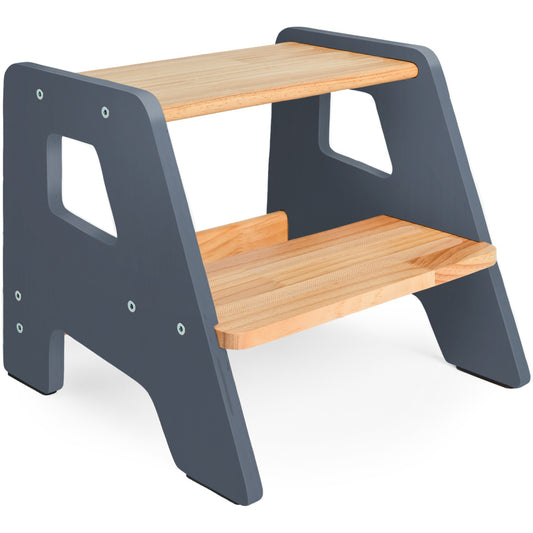
Creating a space where your child can safely explore their creative side is one of the best gifts you can give them. At Ocodile, we design beautiful, practical children's furniture that fosters independence and makes family time more joyful. Discover our range of standing towers and kid-friendly pieces.