



Extended Warranty Options: Children's Furniture Guide
You're standing at checkout after finally choosing the right learning tower or floor bed. You compared sizes, checked the finish, read reviews, measured the corner in the kitchen three times, and maybe even asked yourself whether your child will use it every day.
Then the extra offer appears. Add an extended warranty?
That's the moment a lot of parents pause. Not because they don't care, but because they do. You want furniture that's safe, durable, and worth the money. You also don't want to pay for a protection plan that sounds helpful but won't cover the things that happen in real family life, like spills, scuffs, wobbles, chipped paint, or a toddler using a step stool in ways no product designer intended.
The tricky part is that most advice about extended warranty options talks about cars or electronics. Children's furniture is different. A floor bed, standing tower, or step stool doesn't have an engine. It has joints, finishes, hardware, moving parts, and a short but intense life inside a busy home.
The Checkout Question Every Parent Faces
You finally found one that fits your space.
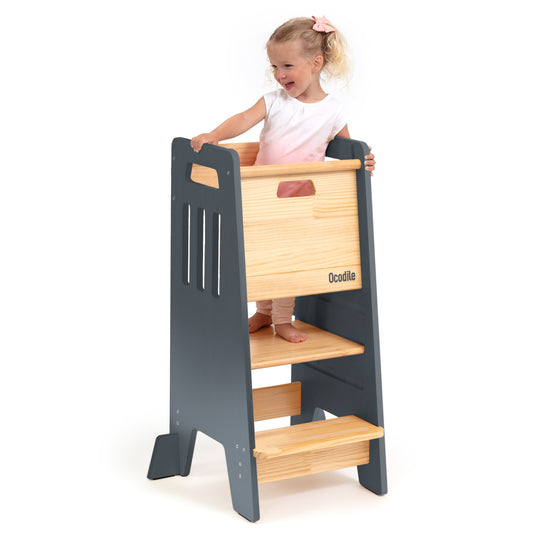
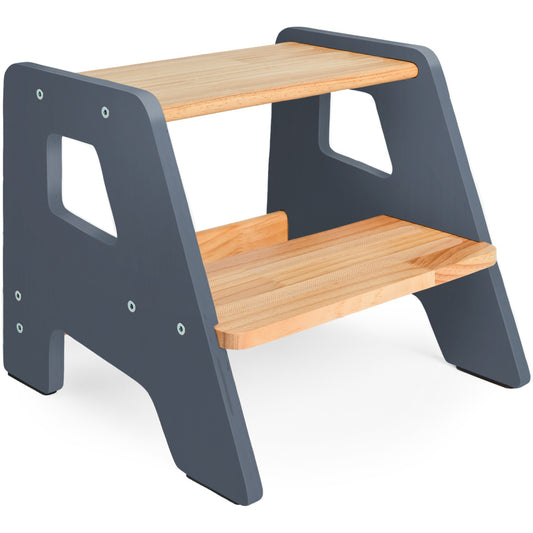
Maybe it's a learning tower that lets your child stand safely at the kitchen counter. Maybe it's a floor bed you chose because you want independence and a room that feels calm. Maybe it's a step stool for handwashing, tooth brushing, and all the tiny routines that make up family life.
You click through checkout feeling relieved. Then a box pops up and asks whether you want a multi-year protection plan.

That question can feel bigger than it looks. You're not just deciding about a fee. You're deciding whether this piece of furniture is likely to fail, whether the seller is warning you about that, and whether saying no means taking a risk with your child's safety or your family budget.
Why this feels so confusing
Parents usually get stuck on a few very reasonable questions:
- What does this even cover. A cracked frame is one thing. A stain, scratch, or loosened screw is another.
- When would it start. Many plans don't begin right away. They start after the manufacturer's warranty ends.
- Is this about safety or sales. Sometimes the language sounds urgent even when the benefit is limited.
- Will my child even use this item long enough. Kids outgrow furniture faster than many checkout offers seem to acknowledge.
The uncertainty makes sense because children's furniture sits in an awkward middle ground. It's not disposable, but it's not a lifelong purchase either. It gets daily use, often rough use, but many common problems are cosmetic or maintenance-related rather than catastrophic failures.
You're not being overly cautious if you stop and think before buying a warranty. You're doing what careful parents do.
The better question
Instead of asking, “Should I always buy the warranty?” ask this:
If something goes wrong with this specific piece of furniture, what problem am I trying to solve?
If the answer is safety, your attention should go first to build quality, proper assembly, and clear manufacturer support. If the answer is budget protection, then the issue is whether the contract would pay for the kinds of problems your home is likely to see.
That's where most checkout prompts are thin on detail. So let's slow it down and make the decision practical.
What Is an Extended Warranty Really
An extended warranty is usually not insurance in the way insurance is typically understood. It's better understood as a service contract. It's an agreement that says, under certain conditions, the provider will cover specified repairs, replacement, or service after the original manufacturer's warranty runs out.
Think of it like a prepaid repair fund with rules attached. You pay now, but you can only use that money for certain problems, on one item, under the provider's process.

What it is not
It helps to separate three things that often get blended together.
| Protection type | What it usually means | Why parents mix it up |
|---|---|---|
| Manufacturer's warranty | Covers defects in materials or workmanship for a stated period | It comes with the product, so it feels like the baseline promise |
| Extended warranty | Adds contract-based coverage after the original warranty period ends | It's sold as “extra peace of mind” |
| Insurance | Covers broader risk categories under insurance rules | The wording can sound similar even when the coverage is much narrower |
For children's furniture, that difference matters. If your floor bed arrives with a manufacturing defect, that's often the manufacturer's warranty issue. If a plan promises future repair or replacement after that initial period, that's the extended contract.
Why stores push these offers so often
This is a very large business. The global extended warranty market was estimated at USD 147.13 billion in 2025 and is projected to reach USD 346.51 billion by 2033, with a projected 11.8% CAGR from 2026 to 2033. The same report says North America held 36.1% of global revenue in 2025, and the standard protection plan segment accounted for 59.3% of the market that year.
Those numbers matter for one simple reason. These plans aren't a rare courtesy add-on. They're a mainstream product category.
Practical rule: If a checkout offer appears polished, fast, and emotionally reassuring, treat it like a financial product. Read it that way.
How this applies to children's furniture
For a learning tower or step stool, the promise might sound broad, but the contract is usually narrower than the marketing line. The seller may describe “protection,” while the actual document may cover only listed failures that happen under listed conditions.
That's why plain-language translation helps:
- You're not buying a general guarantee that your child's furniture will stay perfect.
- You may be buying a limited agreement for specific defects or failures after the standard coverage ends.
- You're almost always buying a contract with exclusions.
For parents, the key shift is this: don't ask whether the warranty sounds comforting. Ask whether it matches the life your furniture will have.
Types of Warranty Plans and What They Cover
Once you get past the sales language, most extended warranty options come down to one simple difference. How broad is the coverage list?
In other industries, plans are often described as stated-component or full-coverage. That same idea works well for children's furniture too. A narrow plan covers named parts or named failures. A broader plan covers more possible issues, but usually with more conditions attached. As CarShield's explanation of warranty structures notes, products often fall into structures like stated-component or full-coverage plans, and broader coverage raises the chance that a repair is reimbursable while also raising cost and adding stricter rules.

A useful way to translate warranty jargon
For kids' furniture, I find it easier to think in three practical categories.
Structural plans
These are the most limited and often the easiest to understand. They usually focus on the core build of the item.
For a learning tower, that might mean the main frame, side rails, or platform support. For a floor bed, it might mean slats, side panels, or the bed base. For a step stool, it might mean the body of the stool rather than the finish on the surface.
These plans may make sense if your main concern is a serious material or workmanship issue after the original warranty expires.
Stated-component plans
This is the “read the list carefully” category.
A stated-component plan only covers the named parts or functions listed in the contract. If the problem affects something outside that list, even if it feels related, the claim may not qualify.
For children's furniture, this could mean:
- Covered hardware only such as hinges, brackets, or locking pieces
- Covered wood components only but not surface finish
- Covered moving mechanisms on foldable items, but not misuse-related damage
Parents often get caught off guard. The product can still be “covered” in a general sense while the actual problem is excluded because it happened to the wrong part.
Comprehensive plans
These are broader. They may include more parts, more failure types, or sometimes accidental damage depending on the contract.
But “extensive” doesn't mean everything. It means more. Not all.
What parents should compare side by side
A short comparison can save a lot of regret.
| Plan style | May be a fit if you worry about | Common weak spot |
|---|---|---|
| Structural | Frame integrity, major breakage, core safety-related failure | Often won't help with finishes, stains, or minor parts |
| Stated-component | One known concern, like hardware or moving parts | Easy to misunderstand because only listed components count |
| Comprehensive | Broader household use and more varied repair scenarios | Higher cost and stricter claim conditions |
Broader coverage can help, but it often comes with more rules about maintenance, approved service, and proof of what happened.
Questions worth asking before you buy
When reviewing extended warranty options for a floor bed or step stool, don't focus on the plan name. Focus on the contract details.
- Does it cover only structural failure, or also hardware and finish issues
- Are cosmetic issues excluded
- Is accidental damage included, or only defects
- Do normal child-use marks count as wear and tear
- Do you need original receipts, assembly records, or photos
- Can you fix the item locally, or do you need approval first
For children's furniture, many real-life frustrations are not dramatic breakages. They're wobble concerns, surface damage, loosened parts, or a parent wondering whether a problem is cosmetic or safety-related. The best plan is the one whose definitions line up with those realities, not the one with the most comforting title.
The Real Cost and Hidden Pitfalls
The biggest mistake parents make with extended warranty options is assuming the purchase price tells the whole story. It doesn't.
A warranty can look affordable and still leave you paying out of pocket when something goes wrong. Independent analysis from CoverageX on hidden fees in extended warranties notes that these plans can include deductible charges, diagnostic fees, labor-rate caps, and exclusions that turn a “covered” repair into a significant consumer expense. That matters just as much for furniture as it does for anything else, because the fine print decides whether the promise holds up.
The hidden frictions that matter
A plan may still cost you money later through rules like these:
- Deductibles: You pay a set amount each time you make a claim.
- Diagnostic or inspection fees: You may need someone to verify the issue before approval.
- Repair limits: The provider may cap what they'll pay.
- Approval requirements: If you repair the item first and ask later, the claim might fail.
- Exclusions: The most important part of the whole contract.
For parents, exclusions are often where the essential answer lives.
A learning tower with worn edges from daily climbing may be described as normal wear. A step stool with finish damage from wet bathroom floors may be treated as environmental damage. A floor bed marked up with crayons may be considered cosmetic. A drawer or hinge issue might be denied if the contract says improper use caused it.
Why “covered” can still mean hassle
Here, the emotional pitch and the lived experience split apart.
You bought the plan because you wanted less stress. But if the claim process requires photos, receipts, serial details, proof of purchase, proof of timing, and pre-approval before any repair, the convenience may be less than you expected.
Before you buy protection, ask how a claim works on a Tuesday evening when your child still needs the product and you just want the issue solved.
There's another practical layer too. Return policies and warranty contracts aren't the same thing. A store may let you return a product within a window, while an extended warranty only helps later and only under contract terms. It's worth reviewing the seller's return and refund policy separately so you know what applies now versus later.
The fine print questions that change the answer
When I read a warranty contract for children's furniture, these are the parts I look for first:
- What is excluded as wear and tear
- Does surface damage count
- What counts as accidental damage
- Who decides whether the item was misused
- Do repairs need prior authorization
- What happens if the same issue returns
If the contract makes those answers hard to find, that's useful information by itself.
A simple plan with clear exclusions is often more honest than a vague plan with broad marketing language. Parents don't need more promises. They need fewer surprises.
Should You Get a Warranty for Childrens Furniture
For many families, the honest answer is sometimes, but often not.
That isn't because children's furniture doesn't matter. It matters a lot. It's because the most common issues parents face with kids' furniture don't always match what extended warranty options are designed to cover.
Edmunds' guidance on extended warranties makes an important point in another context that applies well here: if you plan to keep a product only as long as the original factory warranty lasts, an extended warranty may not be a rational purchase. That matters even more for items with shorter use cycles, which includes many children's products.
Start with the lifespan of the item in your home
A floor bed may stay relevant longer than a toddler tower. A compact step stool might remain useful for years, but a child may also outgrow a specific learning setup faster than expected.
If you think your child will use the item heavily but briefly, the timing matters. A plan that starts after the manufacturer's coverage ends may not protect the period when your household is using the product most intensely.
That's why “three extra years” doesn't automatically equal value. The better question is whether those years overlap with actual use.
Match the warranty to the likely problem
Children's furniture usually faces a specific set of risks:
- Cosmetic damage such as scratches, stains, dents, chipped finish
- Loose hardware from repeated movement or assembly shifts
- Moisture exposure from bathrooms, kitchens, or spills
- Use beyond the intended pattern because kids climb, drag, push, lean, and experiment
- Assembly-related issues if something wasn't installed correctly in the first place
Some of those can affect safety. Many won't qualify under a warranty contract.
That's the gap parents need to see clearly. We often buy a warranty thinking about our real household risks, but the plan may only respond to a narrower category like covered defects or listed component failures.
A simple decision filter
Here's the framework I'd use before saying yes.
The case for skipping it
You might pass on the warranty if most of these are true:
- The item already comes with a clear manufacturer warranty
- You expect your child to outgrow it fairly soon
- The most likely issues are stains, finish wear, or minor scuffs
- You'd rather set aside your own small repair or replacement fund
- The contract language is vague or hard to access before purchase
The case for considering it
A plan may deserve a closer look if:
- The furniture is expensive to replace
- It has moving parts or hardware you're concerned about
- The contract clearly lists what happens in a claim
- The item will stay in use well beyond the original warranty period
- The exclusions are narrow enough that the plan addresses your actual concerns
If your main fear is marker, juice, rough climbing, or normal child wear, check the exclusions before you spend a cent. Those are exactly the situations many plans avoid.
Quality matters more than the add-on
This is the part many checkout offers skip. The smartest protection decision often happens before the warranty question appears.
A sturdy design, clear assembly instructions, safe materials, available replacement parts, and a readable manufacturer warranty all matter more than a vague service contract added at the end. If you're still comparing products, Ocodile has a helpful article on how to choose quality furniture that's worth reading alongside any warranty offer.
For children's furniture, the strongest budget move is often buying carefully once, maintaining it well, and skipping protection plans that mainly cover situations you're unlikely to face or unlikely to claim successfully.
Smarter Alternatives and Your Final Checklist
If an extended warranty doesn't look like a strong fit, that doesn't mean you're unprotected. It just means you need a better plan than a checkout upsell.
In many homes, the smarter move is combining a few basic protections: understand the manufacturer's warranty, register the product, keep your receipts, assemble it carefully, and set aside a little money for the occasional repair or replacement part.

Better options than an automatic yes
The FTC's guidance on service contracts warns buyers to evaluate hidden costs such as deductibles, reimbursement caps, and transfer fees because those terms materially change the value of a contract. That's a good reminder to look beyond the offer itself.
Some practical alternatives:
- Check your card benefits: Some payment cards include purchase protection or added warranty support on eligible items.
- Keep product documents together: Receipt, assembly instructions, and warranty details should live in one folder.
- Register the product: If the brand offers registration, use it. It can make support easier later through Ocodile product registration.
- Maintain the item well: Tighten hardware, wipe spills promptly, and follow weight and use guidance.
- Self-insure small risks: For many families, setting aside a modest household repair buffer is more flexible than a narrow contract.
If you're looking at your whole household budget, not just one purchase, broader money-saving habits help too. A practical example is this guide for Australian homeowners to save, which is useful because it frames protective spending in the bigger context of family finances rather than treating every add-on as automatically worthwhile.
Your parent checklist before clicking buy
Use this quick test any time a retailer offers extended warranty options on children's furniture.
- How long will this item stay in use? If your child may outgrow it before the extended coverage matters, pause.
-
What am I worried about most?
Structural failure, hardware issues, accidental damage, stains, or scratches are not the same risk. -
Does the contract cover that exact problem?
Don't accept broad words like “protection.” Look for the listed failure. -
What would I pay during a claim?
Deductibles, caps, and fees change the value fast. -
What's excluded?
Wear and tear, cosmetic issues, moisture, and misuse language deserve close reading. -
Would I rather keep the money?
If the likely problem is manageable, self-funding may be simpler.
A good warranty is clear before you buy, not comforting until you need it.
For children's furniture, that checklist usually leads parents to a calmer, more rational decision. Not fear-based. Not sales-driven. Just grounded in how families live.
If you're choosing furniture for a young child and want to start with the basics that matter most, take a look at Ocodile. Their focus is children's furniture designed for everyday family use, including standing towers, floor beds, and step stools, which makes them a relevant place to begin when you're comparing product quality, safety-minded design, and warranty details before checkout.