

10 Meaningful Family Engagement Activities at Home for 2026
In our fast-paced world, finding quality time for connection can feel like a constant challenge. The true magic, however, lies not in grand, planned-out gestures but in transforming everyday moments into opportunities for shared experience and learning. This comprehensive guide is designed to help you do just that, offering a curated collection of practical and impactful family engagement activities at home. These are not just ways to pass the time; they are frameworks for building a home environment where children feel capable, valued, and deeply connected.
We will explore ten distinct categories of activities, from Montessori-inspired practical life skills to creative engineering projects with blocks. Each section provides a detailed breakdown, including necessary materials, step-by-step instructions, and crucial safety tips, especially when incorporating child-friendly furniture like standing towers or floor beds. You will learn how simple shifts in your daily routines can turn meal preparation, bedtime rituals, and even household chores into joyful and collaborative learning experiences.
This listicle moves beyond generic advice to provide actionable strategies you can implement immediately. Get ready to rediscover the immense potential for meaningful engagement hidden within your family’s daily life, fostering independence and strengthening your bonds one small, intentional moment at a time.
1. Montessori-Inspired Practical Life Activities
Montessori-inspired practical life skills are some of the most impactful family engagement activities at home, turning everyday chores into powerful learning opportunities. This approach focuses on inviting children to participate in real, purposeful tasks, such as food preparation, cleaning, and personal care. The goal is to foster independence, concentration, and fine motor skills by using child-sized tools and accessible workstations, allowing them to contribute meaningfully to the household.

These activities build a child's confidence and strengthen family connections as you work together. By transforming routine tasks into shared experiences, you create a foundation for lifelong skills and collaborative family dynamics.
How to Implement Practical Life Activities
- Start Simple: Begin with basic activities like wiping up spills with a small sponge, pouring dry ingredients like oats into a bowl, or helping to load the washing machine one item at a time.
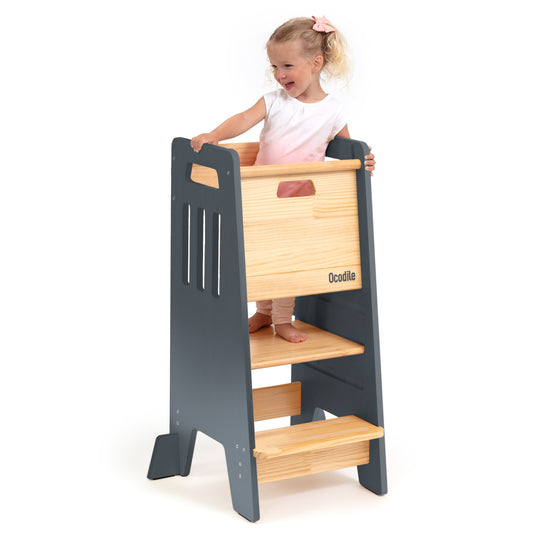
- Create Accessible Stations: Set up a low shelf with a pitcher and cup for pouring practice or place a child-sized broom and dustpan in a designated spot. For kitchen involvement, a secure standing tower allows toddlers to safely work alongside you at the counter.
- Embrace the Process: Focus on the effort and learning, not perfection. Spills and messes are part of the process. Allow extra time so your child can work at their own pace without feeling rushed.
- Use Real Tools: Provide real, child-sized tools instead of toy versions. This shows you trust your child and makes the work more engaging and effective.
To discover more about integrating these principles into your home, you can find a deeper dive into Montessori education at home.
2. Kitchen Helper Activities with Child-Height Access
Inviting children into the kitchen is one of the most rewarding family engagement activities at home, transforming meal preparation into a hands-on learning adventure. This approach involves providing children with safe access to countertops, usually with a standing tower or sturdy stool, so they can participate directly in cooking and food prep. The objective is to foster practical life skills, introduce concepts of nutrition, and create meaningful shared experiences around food.

Working together in the kitchen builds a child's confidence and enhances family bonds. When children help prepare a meal, they are more likely to try new foods and develop a healthy relationship with eating, all while making cherished memories.
How to Implement Kitchen Helper Activities
- Invest in Safe Access: Use a quality standing tower to provide a stable, enclosed platform for toddlers to safely reach the counter. This is safer than a traditional chair or stool.
- Start with Simple Tasks: Begin with age-appropriate, non-heat activities like washing vegetables, tearing lettuce for a salad, stirring cold ingredients, or measuring dry goods.
- Provide Child-Safe Utensils: Equip your child with their own set of safe tools, such as wooden spoons, silicone spatulas, or nylon knives designed for kids. This empowers them to work independently.
- Make it a Ritual: Establish consistency by designating a specific time for kitchen help, like a weekend baking session or nightly dinner prep. This routine builds anticipation and skills over time.
For more ideas on how to safely include your little one in the kitchen, explore the benefits of a toddler tower for kitchen activities.
3. Floor Bed Independence and Morning/Bedtime Routines
Adopting a floor bed is one of the most transformative family engagement activities at home, fostering autonomy and turning daily routines into moments of connection. This Montessori-aligned approach uses a low-to-the-ground mattress, allowing toddlers to get in and out of bed safely and independently. The focus shifts from parent-led transitions to child-led self-regulation, empowering them to listen to their own sleep cues and manage their personal space.
This method strengthens family bonds by creating calm, collaborative, and respectful morning and evening rituals. By involving your child in these routines, you build their confidence and reduce potential power struggles, creating a more harmonious home environment centered on trust and independence.
How to Implement Floor Bed Routines
- Create a Safe Space: Childproof the entire room, ensuring all furniture is anchored and outlets are covered. The room itself becomes the safe boundary, replacing the confines of a crib.
- Establish a Collaborative Bedtime Ritual: Work together on a calming pre-sleep routine. This could include dimming the lights, listening to soft music, reading a book together on the floor bed, or putting away one or two toys.
- Encourage Morning Independence: Set up a quiet activity, like a basket with a few books or a simple puzzle, that your child can access on their own when they wake up. This promotes a gentle and independent start to the day.
- Use Consistent Cues: Use verbal and environmental cues to signal that it's time to wind down. Consistently saying "It's time to get ready for sleep" while turning on a nightlight helps your child understand and anticipate the routine.
To better understand the right timing for this transition, you can explore this guide on when to transition to a floor bed.
4. Bathroom Self-Care Stations at Child Height
Creating a child-height bathroom station is one of the most effective family engagement activities at home for fostering autonomy and responsibility. This approach involves setting up a dedicated space where young children can independently manage personal hygiene tasks like handwashing, tooth brushing, and combing their hair. By making sinks, mirrors, and supplies accessible, you empower your child to take ownership of their self-care routines.
This setup transforms a daily necessity into a moment of pride and accomplishment. As children master these skills, they build confidence and contribute to family routines, reducing morning and evening stress while reinforcing essential life habits.
How to Implement a Self-Care Station
- Provide a Secure Foundation: Use a stable, non-tipping step stool to give your child safe and comfortable access to the sink. This is crucial for preventing accidents and building their confidence.
- Lower Their Perspective: Place a shatterproof mirror at your child’s eye level. This allows them to see what they are doing, improving their tooth-brushing and face-washing techniques.
- Organize Accessible Supplies: Use low drawers, small baskets, or a designated section of the counter for their toothbrush, toothpaste, a small cup, and a comb. Keep only necessary items out to minimize distractions.
- Establish Clear Routines: Guide your child through the steps: wash, dry, and return items to their proper place. Consistent practice helps turn these actions into automatic, positive habits.
Discover how to choose the best equipment for your child's setup by exploring options for a safe and functional step stool.
5. Nature Exploration and Outdoor Sensory Play
Nature-based activities are incredible family engagement activities at home, connecting you with the world right outside your door. This approach encourages children to use their senses to explore the environment by touching tree bark, listening to birds, collecting colorful leaves, and observing seasonal shifts. Getting outdoors strengthens family bonds, promotes physical health, and nurtures a lifelong appreciation for nature.

These experiences are powerful because they require no special equipment, just a sense of curiosity. By stepping into your backyard or a local park, you create shared memories while fostering environmental awareness and reducing screen time.
How to Implement Nature Exploration
- Schedule Nature Time: Make outdoor exploration a regular part of your family routine, whether it's a weekly nature walk, a seasonal scavenger hunt, or daily backyard observation.
- Gather and Create: Bring along bags or baskets to collect interesting natural treasures like stones, pinecones, and sticks. Use these items later for art projects or to create a nature-themed sensory bin.
- Follow Your Child's Lead: Let your child’s interests guide the adventure. If they are fascinated by a trail of ants or a patch of moss, pause and explore it with them instead of rushing to a destination.
- Document Your Discoveries: Encourage older children to keep a nature journal where they can draw what they see or write down their observations. This builds scientific observation skills and a deeper connection to their surroundings.
For more ideas on blending outdoor learning with structured play, explore how to create your own Montessori-inspired nature tray.
6. Creative Arts and Crafts at Child Workstations
Creative arts and crafts are fantastic family engagement activities at home that unlock imagination and improve fine motor skills. This approach involves setting up a dedicated, child-height art station with accessible materials, encouraging independent artistic exploration and collaborative family projects. The goal is to nurture creativity, concentration, and self-expression through open-ended play, turning simple materials into meaningful memories.
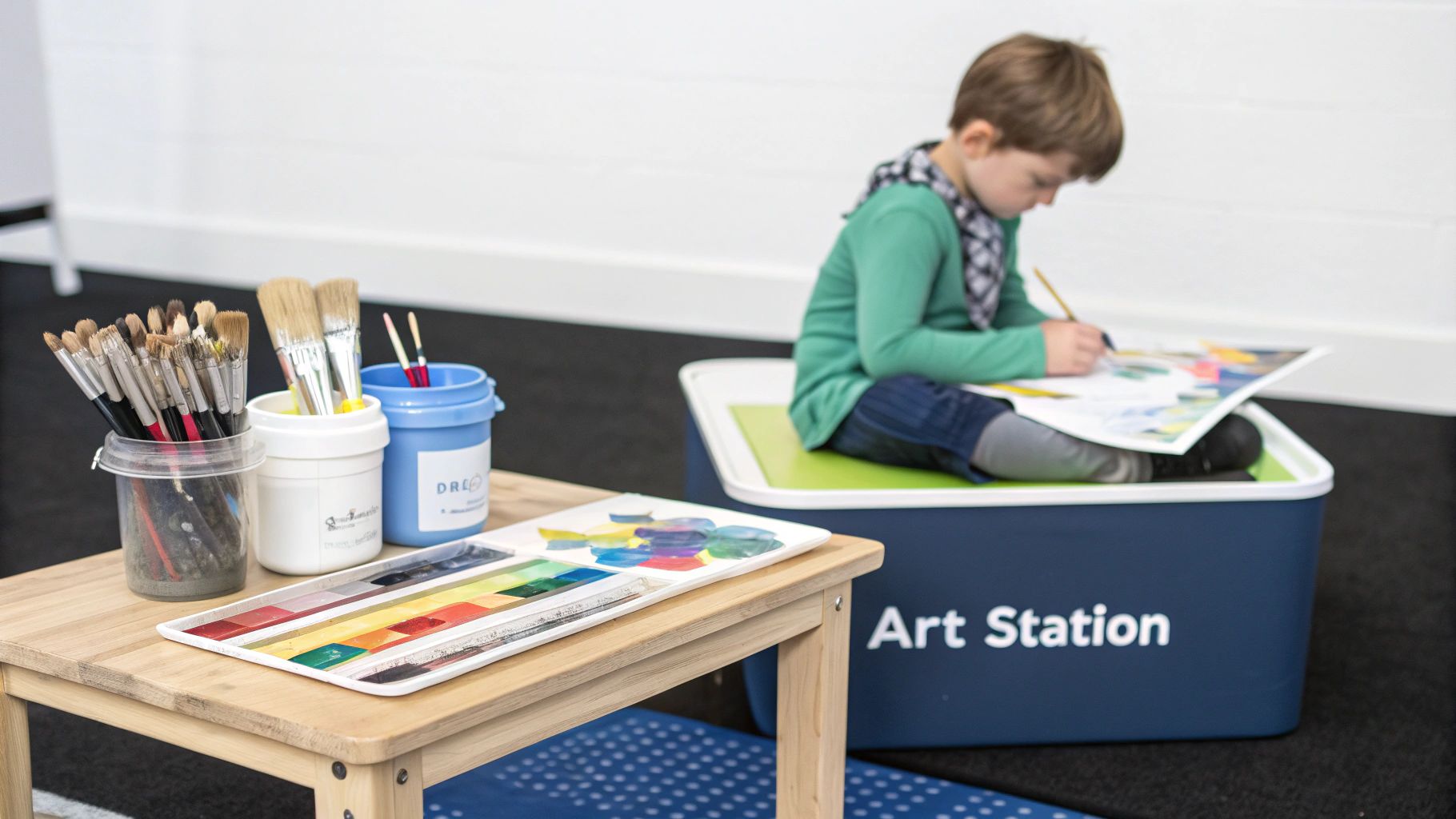
These activities build a child’s confidence and provide a wonderful opportunity for connection, whether you’re creating nature collages or illustrating stories together. By making art a regular and accessible part of your routine, you create a vibrant space for shared expression and tangible keepsakes.
How to Implement Creative Arts and Crafts
- Create a Dedicated Art Station: Set up a small, child-sized table or a low shelf with organized supplies. Ensure everything is within your child's reach to foster independence and ownership of the space.
- Provide Open-Ended Materials: Stock the station with versatile items like paper, crayons, washable paint, clay, and recycled materials rather than single-use kits. This encourages imagination and problem-solving.
- Focus on the Process, Not the Product: Emphasize the joy of creating. Talk about the colors, textures, and feelings involved instead of just the final outcome. The experience is the most important part.
- Make Cleanup Easy: Keep wipes, sponges, and a small bin nearby. Involving your child in tidying up teaches responsibility and makes the activity sustainable for everyone.
7. Story Time and Reading Rituals with Interactive Elements
Establishing a family reading ritual is one of the most enriching family engagement activities at home, fostering literacy, imagination, and a powerful parent-child bond. This goes beyond simply reading words on a page; it involves creating an interactive experience where children choose books, act out scenes, ask questions, and connect stories to their own lives. The goal is to cultivate a deep love for reading and create cherished memories.
These interactive rituals support language development, expand vocabulary, and build critical thinking skills. By making story time a consistent and engaging part of your routine, you create a calm, predictable time for connection that can last a lifetime.
How to Implement Interactive Story Time
- Establish a Consistent Ritual: Choose a specific time each day for reading, such as before bedtime. Consistency makes it a comforting and expected part of the routine.
- Create a Cozy Reading Nook: Designate a special spot for reading with soft pillows, good lighting, and a low shelf for accessible books. A comfortable floor bed can make the space inviting for snuggling up together.
- Encourage Participation: Let your child choose the book from a few pre-selected options. Use expressive voices for different characters and pause to ask questions like, "What do you think will happen next?"
- Extend the Story: Connect the book to real-life experiences. If you read a story about baking, plan a baking activity for the next day. Encourage drawing pictures or acting out favorite scenes to bring the story to life.
8. Responsibility Chores and Contribution to Family Tasks
Integrating age-appropriate chores is one of the most practical family engagement activities at home, teaching children responsibility while fostering a sense of contribution. When children participate in household tasks like dusting, sorting laundry, or feeding a pet, they learn essential life skills and develop a strong work ethic. It transforms the home into a collaborative space where everyone plays a valuable role.
This approach helps children feel capable and invested in their family's well-being. By turning necessary work into a shared experience, you build a foundation of teamwork and mutual respect that strengthens family bonds.
How to Implement Responsibility Chores
- Start Small and Simple: Begin with easy tasks a toddler can manage, like wiping a low table with a cloth or putting their own toys away in a bin. Progress to more complex jobs as they grow.
- Provide Child-Sized Tools: Make tasks accessible with tools they can handle. A secure step stool allows them to help at the sink, while a small broom or duster makes cleaning feel like their own special job.
- Use Visual Aids: For non-readers, a visual chore chart with pictures is an excellent tool. It empowers them to track their responsibilities independently and builds a sense of accomplishment.
- Focus on Effort, Not Perfection: The goal is participation and learning. Praise their hard work and positive attitude rather than critiquing the result. A slightly damp floor is a small price for a lesson in contribution.
To effectively involve children in household duties and foster a sense of contribution, you can explore some effective chore chart ideas for kids.
9. Music, Movement, and Dance Family Sessions
Music, movement, and dance sessions are fantastic family engagement activities at home that encourage physical play, emotional expression, and auditory development. These activities invite the whole family to connect through rhythm, from spontaneous living room dance parties to exploring sounds with simple, homemade instruments. The goal is to create a joyful, judgment-free space where everyone can move their bodies, sing along, and share a creative experience.
These sessions build gross motor skills, coordination, and a strong family bond. By embracing music and movement together, you foster a positive environment for self-expression and create lasting, energetic memories.
How to Implement Music and Movement Sessions
- Create a Diverse Playlist: Curate a playlist with music that spans different genres and generations. Include family favorites, children's action songs, and tunes that simply make you want to move.
- Use Simple Props: You don’t need special equipment. Enhance the experience with scarves, ribbons, or streamers to encourage creative movement. Household items like pots, pans, and wooden spoons make great first percussion instruments.
- Let Your Child Lead: Encourage children to choose the music or lead the dance moves. This builds their confidence and ensures the activity remains engaging for them. Celebrate every style of movement without correction.
- Make Your Own Instruments: Create simple shakers by filling sealed containers with rice or beans. This adds a layer of hands-on creativity to your music-making.
To further encourage musical development and engagement in your family, you might consider exploring external resources like music lessons for kids to build on their budding interest.
10. Block Building and Spatial Play Engineering Projects
Block building and construction projects are fantastic family engagement activities at home that build crucial STEM skills like spatial reasoning and problem-solving. This type of open-ended play invites families to design and construct anything imaginable, from sprawling block cities and intricate cardboard marble runs to imaginative forts. The focus is on collaboration, experimentation, and bringing shared ideas to life.
These engineering challenges foster creativity, patience, and teamwork as family members navigate design flaws and celebrate successes. By transforming simple materials into complex structures, you create a dynamic environment for hands-on learning and collaborative fun that adapts to any age.
How to Implement Block Building Projects
- Dedicate a Building Zone: Designate a corner or area where creations can be left standing for multiple days. This encourages more complex, long-term projects and shows that you value the work.
- Start with Age-Appropriate Materials: For toddlers, begin with large, easy-to-grip blocks. As children develop finer motor control, introduce smaller, more intricate building pieces like LEGOs or magnetic tiles.
- Introduce Fun Challenges: Spark creativity with prompts like, "Can we build a bridge that a toy car can cross?" or "Let's build a house for these figurines." This adds a layer of purpose and problem-solving to the play.
- Incorporate Recycled Materials: Expand your building supplies with cardboard boxes, paper towel tubes, and plastic containers. This teaches resourcefulness and opens up new engineering possibilities.
10-Point Family Engagement Activities Comparison
| Activity | Complexity 🔄 | Resource Needs ⚡ | Expected Outcomes ⭐📊 | Ideal Use Cases 💡 | Key Advantages ⭐ |
|---|---|---|---|---|---|
| Montessori-Inspired Practical Life Activities | Moderate 🔄 — parent setup + progressive skill steps | Low–Moderate ⚡ — child‑sized workspace, real materials, optional standing tower | Independence, fine‑motor control, family bonding ⭐📊 | Daily home routines; mealtime participation | Develops real-life skills and autonomy ⭐ |
| Kitchen Helper Activities with Child-Height Access | Moderate–High 🔄 — constant supervision & safety planning | Moderate ⚡ — standing tower, child‑safe utensils, supervision | Cooking skills, nutrition awareness, early math ⭐📊 | Supervised meal prep, baking rituals | Teaches practical cooking skills; increases food willingness ⭐ |
| Floor Bed Independence & Routines | Moderate 🔄 — mindset shift, room child‑proofing | Moderate ⚡ — low bed, bedroom proofing, quality bedding | Self-directed sleep routines, autonomy, calmer mornings ⭐📊 | Transition from crib; fostering bedroom independence | Promotes safe autonomy and smoother mornings ⭐ |
| Bathroom Self-Care Stations at Child Height | Moderate 🔄 — installation and ongoing safety checks | Moderate ⚡ — step stools, low storage, mirrors, non‑slip mats | Hygiene independence, reduced parental prompts ⭐📊 | Potty training, morning/night hygiene routines | Builds habitual self-care and confidence ⭐ |
| Nature Exploration & Outdoor Sensory Play | Low 🔄 — open‑ended, weather/safety planning | Low ⚡ — minimal gear, collection container, weather‑appropriate clothing | Physical health, sensory regulation, curiosity ⭐📊 | Weekends, nature walks, backyard exploration | Low cost, high engagement; fosters environmental awareness ⭐ |
| Creative Arts & Crafts at Child Workstations | Low–Moderate 🔄 — prep, organization, supervision | Moderate ⚡ — supplies, child‑height table, protective coverings | Fine motor skills, creativity, concentration ⭐📊 | After‑school projects, family art nights | Encourages expression and emotional processing ⭐ |
| Story Time & Reading Rituals with Interactive Elements | Low 🔄 — routine and consistency required | Low ⚡ — books, cozy seating, small library | Literacy, vocabulary growth, secure attachment ⭐📊 | Bedtime or daily quiet routines | Strengthens language development and bonding ⭐ |
| Responsibility Chores & Family Contribution | Moderate 🔄 — training, scaffolding, consistent expectations | Low–Moderate ⚡ — child‑sized tools, visual chore charts | Responsibility, executive function, self‑efficacy ⭐📊 | Daily household routines; age‑appropriate tasks | Teaches work ethic and belonging; reduces parental load ⭐ |
| Music, Movement & Dance Family Sessions | Low 🔄 — minimal prep, space clearing | Low ⚡ — music source, simple instruments, open area | Gross motor skills, auditory processing, mood regulation ⭐📊 | Energy‑release breaks, family dance sessions | High engagement, low cost; boosts mood & coordination ⭐ |
| Block Building & Spatial Play Engineering Projects | Moderate 🔄 — space management, progressive challenges | Moderate ⚡ — blocks/materials, protected floor space, storage | Spatial reasoning, problem‑solving, persistence ⭐📊 | Long‑form play, STEM skill development, collaborative builds | Fosters engineering thinking and creative problem‑solving ⭐ |
Building Your Family's Unique Culture of Engagement
As we've explored, transforming your home into a hub of meaningful connection doesn't require a complete overhaul or an overwhelming schedule. The true power of these family engagement activities at home lies not in their complexity, but in their consistency and the shift in perspective they represent. It's about seeing daily routines, from meal preparation to tidying up, as rich opportunities for collaboration and learning.
The activities detailed in this guide, from Montessori-inspired practical life tasks to creative block-building projects, all share a common thread: they honor your child's innate desire to participate and contribute. By intentionally designing your environment with tools like standing towers, floor beds, and child-height workstations, you are sending a powerful message. You are communicating that your child is a valued, capable member of the family unit, whose contributions matter.
Key Takeaways for Lasting Connection
Remember, the goal is not perfection, but presence. The most impactful takeaway is that engagement is woven into the fabric of everyday life, not just reserved for special occasions.
- Empowerment Through Environment: A thoughtfully prepared environment is your greatest ally. Child-friendly furniture and accessible materials reduce frustration and naturally invite participation, fostering independence and confidence.
- Process Over Product: Focus on the shared experience rather than the finished product. The joy of kneading dough together in the kitchen or the collaboration in building a wobbly tower far outweighs the quest for a perfect result.
- Consistency Builds Security: Simple, repeated rituals create a predictable and secure world for your child. A consistent story time routine or a shared weekly chore builds a rhythm of connection that children can rely on.
Your Actionable Next Steps
Integrating these ideas can feel like a big undertaking, but small, deliberate steps create the most significant and lasting change. Don't try to implement everything at once. Instead, choose one or two activities that genuinely excite you and align with your family’s current rhythm.
Perhaps you start by designating one meal a week where your child helps prepare a simple dish using their kitchen helper. Or maybe you can focus on redesigning the bathroom with a step stool and low mirror to empower their morning self-care routine. Observe what resonates with your child and build from there. The most successful family engagement activities at home are the ones that feel authentic to you.
Ultimately, by embracing these practices, you are not just keeping your children busy. You are building a family culture founded on respect, collaboration, and shared joy. You are equipping them with practical life skills, nurturing their curiosity, and creating a deep and resilient bond that will serve as their foundation for years to come. Every small moment of shared purpose strengthens your family’s unique story, turning your home into the ultimate sanctuary for growth and connection.
Ready to create an environment that fosters independence and makes these activities easier and safer? The thoughtfully designed, child-friendly furniture from Ocodile is crafted to empower your little one's participation in daily life. Explore our collection of standing towers, step stools, and more at Ocodile to find the perfect pieces for your home.