


Guide to Choosing First Walking Shoes for Your Toddler
The number one question we get from parents of new walkers is always, “So, when do we buy the first walking shoes?” The answer is almost always later than you think.
For healthy foot development, barefoot is best. Think of shoes as a tool for outdoor protection, not a magic key to unlocking walking skills.
Decoding The Right Time For First Walking Shoes

It’s a huge myth that shoes help a child learn to walk. In fact, it’s just the opposite. When your toddler is barefoot, their feet act like tiny data collectors, sending a constant stream of information to the brain about texture, pressure, and balance.
This direct connection to the ground is crucial for a few big reasons:
- Muscle Development: Going shoeless strengthens all the little muscles in their feet and ankles. This is what builds stable, healthy arches for the long run.
- Balance and Coordination: Feeling the floor helps them make micro-adjustments to their posture, which means better balance and fewer tumbles.
- Sensory Input: The nerves on the soles of their feet are gathering information that helps them develop proprioception—that amazing internal sense of where their body is in space.
When Protection Is The Priority
So, if barefoot is the gold standard indoors, when do shoes finally enter the picture? The moment your little one’s adventures move outside.
Instead of seeing shoes as a way to teach walking, think of them as your toddler's very first piece of adventure gear. They’re for exploring the park, the playground, or that gravel driveway at Grandma’s house. Shoes are for when their feet need protection from rough, sharp, or unsafe surfaces.
You can learn more about these big leaps in our guide to childhood development milestones.
Developmental Signs Your Toddler Is Ready For Shoes
Your child is probably ready for their first pair of shoes when they’ve graduated from wobbly steps between the couch and the coffee table to walking with real confidence and purpose.
This quick table can help you spot the signs that it's time to start thinking about protective outdoor footwear.
| Milestone | What It Looks Like | Why It Matters for Shoes |
|---|---|---|
| Consistent, Independent Walking | They are up and walking on their own most of the time, not just taking a few experimental steps here and there. | This shows they have the basic motor skills and balance needed to manage walking on uneven outdoor surfaces. |
| Standing Up Unassisted | They can push themselves up to a standing position from the middle of the floor, without pulling up on furniture. | This indicates strong core and leg muscles, which are necessary for stable walking in shoes. |
| Exploring the Great Outdoors | Their curiosity is taking them outside, where surfaces are unpredictable (grass, pavement, dirt, wood chips). | This is the primary trigger. Their feet now need a protective barrier against potential hazards. |
| Shows Frustration on Hot/Cold Surfaces | They hesitate or refuse to walk on hot pavement or cold, damp grass when barefoot. | Comfort is key for encouraging exploration. Shoes provide a necessary buffer from uncomfortable temperatures. |
Once you see these milestones happening, it’s a good sign that your toddler’s adventures are getting bigger, and a good pair of first shoes can help them explore safely.
The focus on natural foot function isn't new; it's a principle that has supported human development for millennia. Studies indicate early walkers using minimal shoes gain 25% better balance by age 3, cutting injury risks by 30%. This history reminds families that safe 'first steps' – whether in ancient caves or modern homes – build confident explorers. Dig deeper into how footwear has evolved by exploring the history of shoes.
Ultimately, holding off on structured shoes gives your child the best possible start. By letting their feet grow and move naturally, you’re setting them up to be a confident, capable walker, ready to take on the world one steady step at a time.
Alright, you've seen the signs, and your toddler is ready to take on the world one wobbly step at a time. Now comes the big question: what shoes do they wear for these first outdoor adventures?
It’s easy to get lost in a sea of tiny, adorable shoes, but what separates a genuinely great first walking shoe from a fashion accessory? Think of the perfect first shoe less like a mini-boot and more like a protective "second skin." Its job isn't to force the foot into a certain shape, but to shield it from sharp rocks and hot pavement while letting it move and feel the ground as naturally as possible.
Let's break down the three most important parts to look at: the sole, the material of the shoe itself, and how it fastens.
The Sole: The Foundation of Foot Freedom
The sole is, without a doubt, the most critical piece of the puzzle. Many of us instinctively reach for sturdy, thick-soled shoes, thinking they offer more protection. For a new walker, though, the opposite is true. Flexibility is everything.
You should be able to take the shoe and bend it in half with very little effort. This isn't just a "nice-to-have"; it's a non-negotiable. A flexible sole allows your toddler’s foot to bend and grip just like it would if they were barefoot. It lets them feel the different textures under their feet—the bump of a root, the softness of the grass—which sends crucial feedback to their brain to help build balance and confidence.
A great sole does two things at once:
- Protection: It’s tough enough to stop sharp objects like rocks or sticks from poking through and hurting your child’s foot.
- Proprioception: It’s also thin and flexible enough for the nerves in the foot to get sensory information from the ground. This "ground-feel" is vital for learning to walk steadily.
Try this when you’re shopping: do the "bend and twist" test. Can you easily bend the toe up toward the heel? Can you twist the shoe from side to side? If so, it passes. A rigid sole that fights you on this is more like a cast, restricting the natural movement their feet need to develop properly.
Upper Materials: Let Their Little Feet Breathe
Toddlers' feet get surprisingly sweaty. This is why the material used for the main body of the shoe is so important. Just like you pick breathable clothes for them, their shoes need to let air flow freely.
Look for shoes made from soft, pliable, and breathable materials. This helps keep their feet cool and dry, preventing the moisture buildup that can lead to blisters and general crankiness. A toddler with uncomfortable, swampy feet is not going to be a happy adventurer.
Excellent Material Choices Include:
- Soft Leather or Suede: These natural materials are fantastic. They are durable, flexible, and will mold to your child's foot over time, all while letting air circulate.
- Mesh or Canvas: These lightweight fabrics are champions of breathability, making them a perfect choice for warmer weather or very active kids.
Try to steer clear of stiff, synthetic materials like hard plastic or non-breathable vinyl. They might be easy to wipe clean, but they trap heat and moisture, creating an uncomfortable environment that works against your child's foot health.
Fastening Systems: Securing the Perfect Fit
Finally, let's talk about how the shoe stays on. A shoe that’s too loose will trip them up, while one that’s too tight restricts movement and can be painful. The goal is a snug, secure fit where the heel doesn't slip out with every step.
Here’s a look at the most common options:
| Fastening Type | Pros | Cons |
|---|---|---|
| Velcro Straps | Super easy for parents to use. Highly adjustable for different foot shapes, from chubby to narrow. Encourages independence as toddlers can eventually learn to do it themselves. | A curious toddler might easily whip them off in the car. The velcro can get clogged with dirt and lose its stickiness over time. |
| Laces | Offers the most precise and secure fit you can get. Great for kids with narrow feet that are hard to fit. | Can be a real pain for parents to tie and untie constantly. If they come undone, they become a serious tripping hazard. |
| Slip-Ons | Quick and easy to put on. | Almost always provide a poor fit. They are either too loose, causing the heel to slip, or too tight with no way to adjust them. |
For most parents and toddlers, Velcro offers the best balance of security, adjustability, and convenience. It’s our top recommendation for a first walking shoe because it gives a reliable fit that can easily adapt to the unique, ever-changing shape of a toddler's foot.
How to Measure and Ensure the Perfect Fit
You’ve found a great style of first walking shoes, and you’re feeling good. But now for the part that makes most parents a little nervous: getting the fit just right. It’s a valid concern. A shoe that’s too tight or too loose can cause real discomfort and even get in the way of your toddler’s natural movement.
Don't worry, you don’t need any special equipment to get this right. A few simple checks are all it takes to feel confident you're choosing the perfect size.
One of the biggest mistakes we see is buying shoes with lots of extra room, hoping they'll "grow into them." While the intention is good, it’s a major safety hazard. Shoes that are too big can make your toddler trip and stumble. Their little foot will slide around inside, which can lead to blisters and an unsteady walk.
Measuring Feet at Home: A Step-by-Step Guide
It feels like toddler feet grow overnight, doesn't it? Before you start shopping, it's always best to get a fresh measurement at home. Pro tip: always measure their feet at the end of the day, when they’re a little more swollen from a full day of play.
- Stand and Trace: Grab a piece of paper and have your toddler stand on it. It’s really important that they’re standing with their full weight down, because feet get longer and wider under pressure.
- Trace Both Feet: With a pen held straight up, trace an outline around each foot. It doesn’t have to be a perfect work of art—you just need the general shape.
- Measure the Length: Now, take a ruler and measure from the back of the heel to the tip of the longest toe on each tracing. It's super common for one foot to be a bit bigger, so always use the measurement of the larger foot.
- Add Growing Room: To that number, add about 1-1.5 cm (or roughly a thumb's width). This gives you the ideal internal shoe length to look for.
With this measurement in hand, you can confidently check a brand's sizing chart and know exactly which size to aim for. The diagram below shows the key parts of the shoe that work together to create that perfect, secure fit.

As you can see, a good fit isn't just about length; it's about how the sole, upper, and fastening system all come together to hold your child's foot comfortably and securely.
The In-Store (or At-Home) Fit Check
Once you have the shoes on your toddler’s feet, it’s time for the final checks. Run through this quick list before you commit to a purchase or snip off the tags.
- The Thumb Test: Have your child stand up tall in the shoes. Gently press your thumb on the front of the shoe, right above their longest toe. You should feel about a thumb's width of space there.
- The Pinky Test: Try to slip your pinky finger between your child’s heel and the back of the shoe. It should be a snug fit. If there’s too much room, the heel will slip. If you can’t get your finger in at all, the shoe is too tight.
- Check the Width: Feel along the sides of the shoe. Their foot shouldn’t look like it’s bulging over the sole, but you also shouldn’t be able to pinch a bunch of extra material.
- Walk It Out: This is the ultimate test. Watch them walk a few steps. Do they look comfortable? Are they walking like they normally do, or are they stomping and clomping around because the shoes feel heavy or stiff?
A correctly fitted shoe should be comfortable from the very first wear. The old idea of "breaking in" shoes does not apply to children's footwear. If a shoe seems stiff or causes immediate discomfort, it's not the right one.
Why Barefoot Time Is a Developmental Superpower

We've spent a lot of time talking about what makes a great first walking shoe, but it’s just as important to know when shoes aren’t needed at all. Believe it or not, the best thing you can do for your toddler's feet is beautifully simple: let them go barefoot as much as possible, especially when they're indoors.
Think of your child’s foot as a high-tech sensor. The soles are packed with nerve endings that are constantly gathering information about texture, pressure, and temperature. When they toddle around barefoot, that data travels straight to the brain, teaching them how to adjust their balance and posture on the fly. This sensory feedback is a developmental superpower.
Going shoeless lets all the small, intricate muscles in the feet and ankles get a real workout. This consistent engagement is what builds strong arches, sharpens their balance, and dials in their sense of body position—a skill we call proprioception.
This freedom of movement is a cornerstone of Montessori philosophy. When you create a safe, prepared indoor space, you’re giving your child the chance to develop their motor skills naturally, without any unnecessary restrictions.
Building Stronger Feet From the Ground Up
The benefits of barefoot time aren't just a theory; you can see the impact on their foot anatomy. When little feet are free to splay, grip, and move, they build the strength they need for a lifetime of healthy walking. If you’re worried about flat feet, maximizing barefoot time is one of the most effective things you can do.
In fact, some studies show that children who spend more time barefoot develop 20-30% stronger foot arches by age 5, which can reduce the risks of flat feet by up to 40%. You can learn more about how shoe design has historically impacted foot health to get the full picture.
Of course, sometimes you might notice specific walking patterns, like toe walking. If you see this, it’s always a good idea to chat with a pediatric physical therapist. They can offer targeted guidance and suggest helpful exercises for toe walkers to encourage a healthy gait.
Practical Alternatives to Being Barefoot
Life happens, and going completely barefoot isn’t always practical or safe. Sometimes you just need a little something for warmth, grip, or light protection without strapping on a full shoe. This is where a few key alternatives come in handy.
These options are the perfect bridge between total barefoot freedom and the structure of a first walking shoe.
-
Gripper Socks: For slippery hardwood or tile floors, socks with non-slip grips on the bottom are a parent's best friend. They keep little feet warm and prevent falls, all while letting the foot flex and feel the ground.
-
Soft-Soled Moccasins or Booties: These are the next best thing to being barefoot. They're usually made from soft leather or suede, offering a thin layer of protection for a quick trip into the backyard or on chilly floors. Most importantly, the soft sole doesn’t get in the way of natural foot movement.
It's helpful to see shoes as just one tool in your developmental toolkit. For most indoor play and learning, barefoot is simply best. As your little one gets more adventurous, you can explore our guide on toddler gross motor activities that pair perfectly with this natural development. By embracing barefoot time, you’re giving your child's feet the best possible start for strong, confident walking.
Supporting Your Child's Growing Independence
Picking out the right first walking shoes is about so much more than just covering up tiny toes. It’s a crucial part of a bigger picture: setting up a home that encourages your child's natural drive to be independent and capable. Every piece of gear you choose, from their first shoes to their furniture, plays a role in building a solid foundation of confidence.
Think about it this way. A flexible, well-fitting shoe gives a toddler the confidence to tackle a bumpy path at the park. In the same way, furniture that’s their size empowers them to safely explore their world at home. These things don't exist in a vacuum; they work together to support your child’s all-around growth.
Connecting Footwear to a Prepared Environment
A new, confident walker doesn’t just go from point A to point B. They start engaging with their world in totally new ways. Suddenly, they can carry a toy from their playmat to the kitchen or follow you on their own two feet. This is where the magic of good shoes and a thoughtfully prepared home really comes together.
When they have the right support, these small, everyday moments become powerful chances to learn.
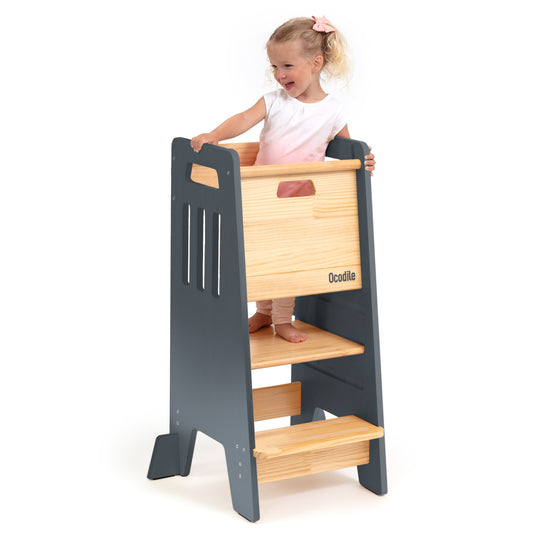
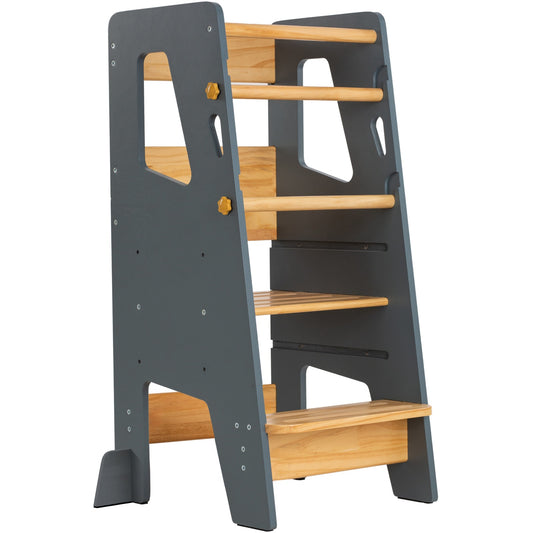
- Building Practical Life Skills: A child who can walk steadily can also stand securely. An Ocodile learning tower, for example, brings them right up to the counter, turning them from a spectator into an active participant. They can suddenly help mix batter or wash veggies right alongside you.
- Fostering Autonomy: When their own space is accessible, they learn they can do things for themselves. A floor bed lets them get in and out of bed on their own schedule, respecting their body’s cues and giving them a sense of ownership over their room.
- Enhancing Motor Skills: The simple act of walking from their bed to their tower while carrying a favorite book is actually a pretty complex task. It takes balance, coordination, and problem-solving—skills that get sharper with every independent attempt in a safe space.
This idea of creating child-centered spaces isn't new. In places like the US and Europe, Montessori-inspired parenting is booming, with over 20,000 Montessori schools now open worldwide. This movement reinforces the long-standing need for both footwear and furniture that support natural, uninhibited movement. If you're curious, you can even take a look at some fascinating history by learning how early humans used footwear.
A Circle of Confidence and Belonging
Every single time your child manages a small task on their own—whether it's fastening their Velcro shoes or climbing into their own bed—they build a little more self-belief. This creates a wonderful positive cycle: the more they believe they can do, the more they will try to do.
It's all about seeing your child as a capable little person from the very start. By providing the right tools, you're not just making your own life easier; you're sending them a powerful message: "You are an important part of this family, and what you do matters."
This growing independence also strengthens their sense of belonging. When a toddler can help set the table using their step stool or grab a snack from a low shelf, they feel seen and valued. Our guide on encouraging independence in toddlers dives deeper into more ways you can foster this spirit.
As your child becomes more mobile, you might also look for opportunities outside the home. Well-run infant and toddler programs can offer new social and developmental experiences that build on the independence you’re nurturing. Ultimately, pairing the right first walking shoes with a thoughtfully arranged home environment turns everyday routines into meaningful steps toward raising a capable, confident, and independent child.
Caring for Your Toddler's Shoes and Feet
You’ve found the perfect pair of first walking shoes, but the job isn't quite done. Just like their other essential gear, those little shoes need a bit of TLC to keep your toddler safe and comfortable on their adventures.
Proper care isn't just about making the shoes last longer; it’s about creating a healthy environment for growing feet.
Keeping shoes clean is really a matter of hygiene. Toddler feet get surprisingly sweaty, and regular cleaning is your best defense against bacteria and funky smells. For most shoes, a damp cloth is all you need to wipe away daily dirt. If you’re dealing with tougher grime on fabric, a soft brush with a little mild soap and water usually does the trick.
The most important step? Making sure the shoes are completely dry before they go back on. Damp shoes are a breeding ground for fungus and can irritate their sensitive skin. You can stuff them with newspaper or just leave them in a spot with good airflow—just keep them away from direct heat.
Keeping Up with Growing Feet
This is the part of shoe care that has nothing to do with cleaning and everything to do with fit. Toddler feet grow at a mind-boggling pace, sometimes seemingly overnight. The shoes that were a perfect fit last month might be uncomfortably snug today.
You should re-check the fit of your toddler's shoes every 6-8 weeks. This frequent check is crucial to prevent tight shoes from restricting natural foot growth and causing discomfort.
Set a recurring reminder on your phone or circle the dates on your calendar. When it’s time for a check-in, just repeat the "thumb test" and "pinky test" you used at the store. If that space is disappearing, it’s time to size up.
Regular Safety Inspections
Before your little one charges out the door, get into the habit of giving their shoes a quick once-over. It takes just a few seconds but can prevent a trip or fall when they’re still mastering their balance. A small problem can become a big hazard for a new walker.
Here’s a simple safety checklist to run through:
- Check the Soles: Look for any spots where the tread has worn smooth, which means less grip. Also, quickly check for anything that might have gotten stuck in the sole, like tiny rocks or thorns.
- Inspect the Seams: Make sure all the stitching is still tight. A loose seam can easily catch on something or cause the shoe to lose its shape.
- Examine the Fastenings: For shoes with Velcro, pull out any lint to make sure it’s still sticky and secure. If they have laces, check for any fraying that could cause them to break.
Finally, don’t forget about their feet! Make sure you’re washing and drying their feet thoroughly every day, paying special attention to the spaces between their toes. Always put them in clean, dry socks with their shoes. These simple habits work together to keep their feet healthy, comfortable, and ready for whatever comes next.
Frequently Asked Questions About First Walking Shoes
Even with all the right information, picking out those first tiny shoes can feel like a big deal. You're not alone! It's normal to have a few last-minute questions. Let's walk through some of the most common ones we hear from parents, so you can feel completely confident about this exciting milestone.
Should I Use Shoes to Help My Baby Walk?
This is a really common myth, but the short answer is a definite no. All the pediatric experts agree: the best thing for a baby learning to walk is to be barefoot. It’s how they truly feel the ground, build up all those tiny muscles in their feet and ankles, and figure out their balance naturally.
It’s better to think of shoes as protection for when you're out and about, not as a training device. Save them for outdoor adventures after your little one is already walking steadily on their own.
How Can I Be Sure the Shoes Are the Right Size?
Getting the fit just right is so important for their comfort and safety. The easiest way to check is to have your child stand up straight once the shoe is on. You should be able to fit your thumb between the end of their longest toe and the tip of the shoe. Aim for about a thumb's width of growing room.
Check the heel, too—it should be snug and not pop out when they take a step. The sides of the shoe shouldn't squeeze their foot or make it look like it's bulging out. But the real test? Just watch them walk. If they seem comfortable and happy, you've likely found a winner.
Are Hand-Me-Down Shoes a Good Idea?
While recycling baby gear is usually a great idea, shoes are the one exception. It might be tempting, but it’s best to skip the hand-me-downs for a new walker. Shoes actually mold to the foot and walking style of the child who first wore them.
Using a pre-worn shoe can interfere with your toddler’s gait and natural foot development. For their very first walking shoes, a new, properly fitting pair is the best investment for their foot health.
What Is the Difference Between Pre-Walkers and First Walking Shoes?
This is a great question, and it's a point of confusion for many parents. They look similar but are designed for completely different stages.
-
Pre-walkers are basically just soft, super-flexible booties. They're made for babies who are crawling or cruising along furniture. They provide a little warmth and light protection but have no real sole, which is perfect for maximizing that barefoot feeling indoors.
-
First walking shoes are for toddlers who are already up and walking independently. They have a more durable sole that’s still very flexible, designed to protect their feet from a whole new world of outdoor surfaces like pavement, little rocks, and grass.
At Ocodile, we believe supporting a child's independence starts from the ground up. The right shoes get them ready to explore the world, and the right environment at home helps them participate in family life. See how our child-focused furniture can help your confident new walker take their next steps at ocodile.com.