



Kids Light Box: Boost Development & Fun Play
You're probably looking for something that holds your child's attention for more than three minutes, doesn't involve a screen, and still feels worth the setup. That's where a kids light box often surprises parents. It looks simple, but once a child starts placing colorful tiles, tracing shapes, or watching shadows and transparent objects glow, the play becomes focused, calm, and hands-on.
I like light boxes because they meet children where they are. A toddler can explore color and texture. A preschooler can build letters, sort shapes, and tell stories. An older child can use the same glowing surface for drawing, tracing, or visual games. The magic isn't in the light alone. It's in how the light invites a child to slow down, notice details, and use their hands with purpose.
Illuminating Play What Is a Kids Light Box
A kids light box is a flat illuminated surface designed for play and learning. Light shines up through a translucent top, which makes transparent and colorful materials stand out. To a child, it feels a bit like a mini art table with a glow built into it.
That glow changes ordinary materials. Acrylic gems, magnetic tiles, tracing sheets, leaves, cellophane, and letter shapes suddenly become more interesting because children can see edges, colors, and patterns more clearly. Many parents first assume a light box is only for tracing, but it can support sensory play, early literacy, creative art, and simple science exploration too.

Why children respond to it so quickly
Children are drawn to things they can control. A light box gives immediate visual feedback. If they move a blue tile, it glows blue. If they layer a yellow shape over a red one, they notice the color change. If they place a hand over the surface, they see shadow and outline.
That cause-and-effect loop is what makes the tool so useful. It keeps play active rather than passive. The child isn't watching something happen. The child is making something happen.
A good light box doesn't need complicated features to be useful. It needs a stable surface, gentle illumination, and room for a child's ideas.
What a kids light box is not
It's not a bedtime lamp. It's not just a toy for art. And it shouldn't be treated like a decoration that children use without thought or supervision.
A proper kids light box is best understood as an interactive learning surface. Think of it as part sensory table, part art station, and part early learning tool. It can be used on a low table, at a family table, or in a learning corner where materials are easy for children to reach and put away.
Common examples of use
Parents often get confused because product photos make light boxes look very specialized. In real life, the most effective uses are often simple:
- Color play: translucent counters, scarves, or magnetic tiles
- Tracing and mark making: paper over a simple shape or line drawing
- Loose parts play: arranging shells, buttons, letters, or nature finds
- Story building: silhouettes, cutouts, and scene-making materials
Once you see it as a glowing work surface, it becomes much easier to imagine how it fits into daily home life.
More Than a Glow The Developmental Benefits
The easiest way to think about a light box is this. It's like an art table and sensory tray combined, with light helping your child notice more. That added visibility can support attention, hand use, and early thinking skills in a gentle way.
Sensory learning that feels organized
Some sensory activities are messy, loud, or overstimulating. A light box often feels more contained. Children can explore color, transparency, texture, and shadow without as much visual clutter around them.
For some children, that clear contrast makes materials easier to understand. A transparent blue circle on a glowing surface is easier to isolate visually than the same circle on a busy rug or patterned tablecloth. If you're also trying to boost child spatial development, activities like rotating shapes, matching outlines, and building simple patterns on a light box can support that kind of visual thinking in a very concrete way.
Fine motor practice with a real purpose
Children strengthen their hands best when the task matters to them. Picking up flat gems, turning magnetic tiles, placing translucent letters, or tracing along a line all ask the fingers to work with more control.
That helps with:
- Pincer grasp: picking up small pieces carefully
- Hand-eye coordination: placing shapes where they intend
- Bilateral coordination: one hand stabilizes while the other moves
- Motor planning: deciding how to turn, slide, or stack materials
These are the same building blocks children use later for drawing, buttoning, using scissors, and writing.
Practical rule: If your child avoids pencil tasks, try the same skill on a light box first. The visual feedback often makes the task feel easier and more inviting.
Early learning without worksheet pressure
A light box can support early math and literacy in a playful format. Children can sort by color, build simple sequences, trace shapes, copy patterns, or place letter forms over printed guides. Because the experience feels exploratory, many children stay engaged longer than they would with a workbook page.
If you like connecting play with a broader view of growth, this guide to childhood development milestones can help you notice how small play moments connect to larger skills over time.
One more point matters here. Light boxes can also support children with specific visual needs. Specialized resources note that they can be used to build visual attention to stories for children with cortical visual impairments, especially when the adult keeps the child actively involved rather than passively watching. That's a good reminder that the best light box activities are interactive, not performative.
How to Choose the Right Kids Light Box
Some light boxes look nearly identical online, but the details matter. The safest and most useful one is usually not the flashiest. It's the one with the right surface, controlled brightness, and child-ready build.

Start with the surface and the light
For visual development uses, the strongest setup is a translucent acrylic surface paired with a diffuse LED panel around 2,500 to 3,000 lumens, which helps create good contrast without glare, as described in this light box product and technical reference. That same reference notes that brightness settings matter because some therapeutic applications use 10,000 lux, while sensitive eyes and everyday play often need lower settings.
If that sounds technical, here's the simple version. You want the surface to glow evenly. You don't want bright hot spots, harsh glare, or a shiny top that reflects the room back into your child's eyes.
Four buying questions worth asking
| What to check | Why it matters |
|---|---|
| Is the light diffused? | Even lighting helps children see materials clearly without squinting. |
| Can brightness be adjusted? | Different children and activities need different light levels. |
| Is the top durable and smooth? | The surface should handle daily play and clean easily. |
| Are edges and construction child-friendly? | Rounded corners and sturdy framing reduce everyday bumps and wear. |
Pay attention to sensory comfort
Some children love bright visual input. Others don't. If your child is sensitive to glare, visual clutter, or harsh overhead lighting, adjustable brightness becomes especially important. Families exploring calmer environments may also find these autism friendly lighting solutions helpful for thinking about the whole room, not just the light box itself.
What to avoid
A few red flags show up often:
- Very reflective tops: these can make the activity harder to see
- No brightness control: limiting for both comfort and flexibility
- Flimsy materials: they often wobble or scratch quickly
- Poor cord design: if the cord placement is awkward, the setup may not be practical in a home with young children
A good kids light box should feel calm, sturdy, and easy to integrate into daily routines. If it seems like something you'll only drag out for special occasions, it probably won't become part of your child's independent play.
Age-Appropriate Light Box Activities
The best activities are simple enough for a child to start quickly, but open-ended enough to keep growing. You don't need a giant bin of specialty materials. A few translucent items, paper, and a clear place to work are plenty.

Toddlers and young twos
A toddler usually wants to place, remove, stack, and carry. That's perfect for a light box. Try translucent scarves, large magnetic tiles, chunky color paddles, or sealed sensory bags with colored gel.
Keep the invitation short and clear. Put out only a few materials, then let your child repeat the same action many times. Repetition is not a sign the activity failed. Repetition is how toddlers learn.
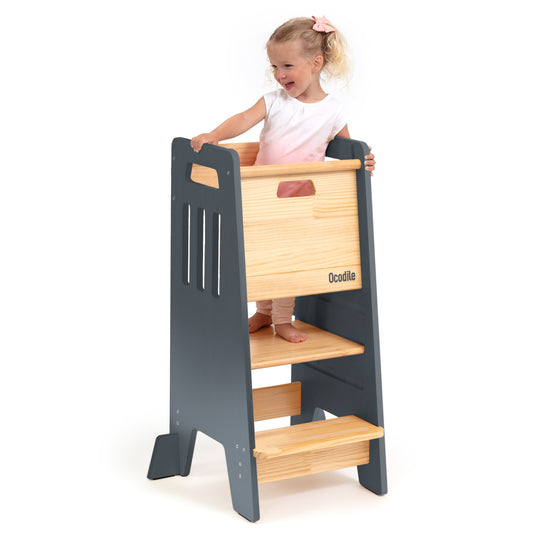
A safe setup matters just as much as the materials. If your child is working at a kitchen counter or family table, a stable learning tower can make access safer and more comfortable than balancing on a chair. If you also enjoy rotating sensory invitations, this guide to a preschool sensory table can give you ideas for organizing materials in a similarly child-led way.
Preschoolers who are ready for stories and symbols
Preschool children often start turning materials into meaning. They may line up gems as letters, sort shapes by color, or invent a whole world from a few cutouts.
Three strong activity ideas:
- Letter building: use translucent gems or small tiles to form familiar letters
- Story scenes: place silhouette animals, trees, or houses on the glowing surface and ask, “What's happening here?”
- Pattern trails: make a short color sequence and let your child copy or extend it
For families who like collecting simple play prompts, Happy Tree Academy's activity ideas can spark seasonal and theme-based variations you can adapt to a light box.
Here's a look at light box play in action:
A careful note on DIY versions
Many parents are tempted to make a homemade version with fairy lights or string lights inside a box. The problem is that many DIY guides skip important safety basics. This light box activity guide highlights a real concern: many DIY instructions fail to address proper ventilation and securing plugs where children can't access them.
If a child can tug the cord, reach the plug, or open the structure, it isn't ready for independent use.
That matters even more in homes where children are encouraged to move freely and choose their own activities. A light box should support independence, not add hidden electrical risks.
Essential Safety Rules and Maintenance Tips
A kids light box can be a wonderful daytime tool. It should not become part of the bedtime routine.
Research on preschool children ages 3 to 5 found that one hour of bright electric light at about 1,000 lux before habitual bedtime almost completely suppressed melatonin, with suppression beginning within 10 minutes and lasting for another hour after the light was turned off, according to the University of Connecticut summary of the study. That same summary notes dose-response effects even at lower light levels and connects circadian disruption to serious long-term health risks.
The rule parents should keep
Use the light box during the day. Keep it out of the evening wind-down.
That rule is simple, and it's worth being firm about. If your child already struggles to settle at night, bright play surfaces close to bedtime can work against the body's natural shift toward sleep. If you're thinking about softer evening lighting instead, this guide to a baby's room night light may help you create a calmer sleep environment.
Non-negotiable: Bright light play belongs in the morning or afternoon, not in the hour before bed.
Everyday safety checks
A light box doesn't need complicated maintenance, but it does need regular attention.
- Wipe the surface gently: use a child-safe cleaner on a soft cloth so the top stays clear
- Check the cord often: look for wear, looseness, or awkward placement
- Keep liquids controlled: if you use water play, use sealed containers or very shallow supervised setups
- Store loose parts separately: small pieces should be sorted and put away after use
- Watch for heat or glare: if the surface seems uncomfortable or visually harsh, stop and reassess
Placement matters more than people expect
Put the light box where your child can work with a straight posture and stable footing. Avoid spots where a cord crosses a walkway or where younger siblings can pull from underneath. Keep the surrounding area uncluttered so the illuminated materials stay visually clear.
A calm setup supports safer choices. Children are more likely to use a tool well when everything around it feels predictable and easy to reach.
Creating an Independent Play and Learning Space
A light box works best when it's part of a larger home setup that respects how children move, choose, and learn. The tool matters, but the environment matters just as much.

Independence starts with access
If the light box is heavy, stored high up, or always tangled in other supplies, it won't become part of everyday play. Children engage more confidently when materials are ready, reachable, and easy to return.
That doesn't mean every child should use it without any adult nearby. It means the environment should reduce unnecessary barriers. A stable work surface, a clear basket of approved materials, and enough room for the child's elbows and hands can make a big difference in how long they stay focused.
The room should support the tool
Think in terms of a small ecosystem:
- The surface: sturdy, easy to clean, visually calm
- The materials: limited, beautiful, and sorted by type
- The child's position: feet supported, body upright, arms relaxed
- The routine: daytime use, simple cleanup, predictable place to return it
Complementary child-sized furniture can be particularly helpful. A well-designed standing tower can give a child secure access to a family counter or table. A low, organized play area can make setup and cleanup more realistic. A cozy floor-level corner can support quiet visual play during the day without turning the light box into an all-day fixture.
Child-led doesn't mean adult-absent
Parents sometimes hear “independent play” and think they should step away completely. That's not the goal. The goal is a space where the child can begin, explore, and persist with less constant intervention.
A strong home learning space lets the child do more alone, while the adult stays available, observant, and calm.
When a kids light box is paired with a thoughtful environment, it becomes more than a novelty. It becomes a reliable invitation to explore color, shape, stories, and hand skills in a way that feels both peaceful and engaging.
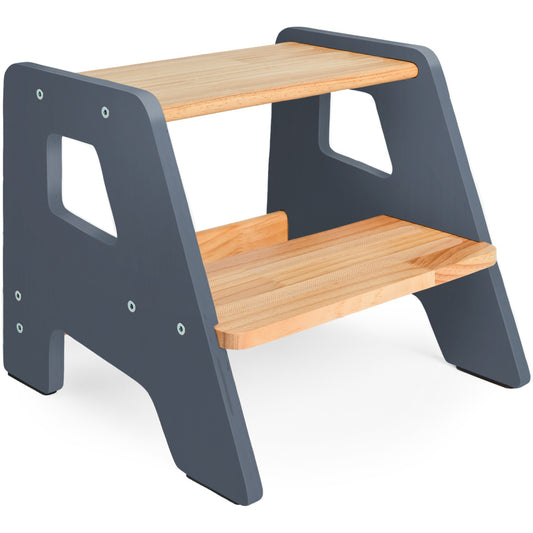
If you're building a home that supports safe independence, Ocodile offers child-focused furniture designed to help children participate in daily family life with confidence. Their standing towers, floor beds, and step stools fit naturally into the kind of calm, accessible play and learning spaces that make tools like a kids light box easier and safer to use every day.