



Montessori Bedroom Furniture That Simplifies Mornings
Rushed mornings often start in your child's bedroom. Your toddler wants the blue shirt, the pajamas are on the floor, you are lifting them out of bed, then lifting them again to reach a drawer. The right montessori bedroom furniture can make those first 20 minutes feel less like a rescue mission and more like a simple routine your child can practice: climb out safely, pick from two outfits, put pajamas in the hamper, grab a book or stuffed animal and walk to breakfast.
The goal is not to create a picture-perfect room. It is to remove the daily friction that makes everyone late. For toddlers and preschoolers, that usually means low, sturdy furniture, fewer choices, clear places for clothes and a bed setup that lets them start the day without calling for help every single time.
How montessori bedroom furniture simplifies the morning routine
A bedroom that works for mornings is arranged around the order your child actually uses it. Wake up, get out of bed, choose clothes, get dressed, put away pajamas, find socks, then leave the room. When each step has a reachable place, your child has fewer reasons to climb on furniture, empty drawers or wait for an adult.
Good montessori bedroom furniture does three practical things. It brings daily items down to your child's level, limits decisions to a manageable number and gives the room a predictable layout. That might look like a low bed with a clear entry point, a small clothing station with two outfit choices and a child-sized bench where your preschooler can sit to pull on socks.
This setup also helps parents. You lift less, repeat fewer directions and spend less time searching for tiny shoes under the bed. The room starts doing some of the work for you.
Start with the morning path, not the furniture catalog
Before buying anything, stand in the doorway and watch the path your child needs to take. Can they get out of bed without squeezing around a dresser? Is the hamper close to where pajamas come off? Are clothes reachable without pulling open heavy drawers? Small obstacles often cause the biggest morning delays.
The most useful montessori bedroom furniture is chosen for a specific job. A low bed is not just cute, it helps a toddler climb in and out with less help. A low shelf is not just decorative, it keeps a small number of items visible so your child can choose without dumping a full toy bin. A bench is not just seating, it gives a steady place to sit while trying socks or shoes.
If the room is small, draw a simple morning route on paper: bed to clothes, clothes to hamper, hamper to door. Anything that blocks that route should move, shrink or serve a clearer purpose.
The core pieces that make mornings easier
You do not need a room full of matching furniture. A few well-chosen pieces can change how the morning feels.
| Furniture piece | Morning problem it solves | Why it helps parents |
|---|---|---|
| Low floor bed | Child needs help getting in or out | Less lifting and fewer calls for help at wake-up |
| Clothing station | Drawers get emptied or outfits take too long | Fewer choices and faster dressing |
| Low shelf or cubby | Toys and books spread everywhere | Easier cleanup before leaving the room |
| Small bench or chair | Socks and shoes become a balancing act | A safer, steadier place to sit |
| Hamper within reach | Pajamas end up on the floor | Clear routine for dirty clothes |
A floor bed for an easier start
For many families, the bed is the first bottleneck. A crib may keep a younger child contained, but once a toddler is ready for a more accessible sleep space, a low bed can make wake-ups smoother. Instead of crying to be lifted out, your child can climb down and begin the routine.
Ocodile's Twin Size Montessori-Inspired Floor Bed with Safety Guardrails for Kids is a relevant option for parents who want a low sleep space with added boundaries. It is crafted with 14 slats to promote airflow and provide a strong platform, and it includes rounded edges on all posts, full guardrails and two easy entries on one long side. Those details matter because young children often move half-awake in the morning, and a more defined entry point can make getting in and out feel more predictable.
If you are still deciding whether this style fits your child, Ocodile's guide to what a Montessori bed is explains the concept in more detail.
A clothing station with fewer choices
Toddlers can participate in getting dressed, but a full dresser can be overwhelming. A simple clothing station works better when it offers two weather-appropriate outfits, one pajama spot and one bin for socks or underwear. Your child still gets a choice, but not twenty choices.
This is where montessori bedroom furniture should feel practical, not precious. Use low drawers, open bins or a small wardrobe at your child's height. Add picture labels if your child does well with visual cues. Keep special outfits, off-season clothes and extra backups higher up so the morning station stays easy to use.
A good test is whether your child can complete one small job without help. For example, they may not get fully dressed alone yet, but they can choose a shirt and put yesterday's pajamas in the hamper. That is a real morning win.
Add furniture that reduces climbing and searching
A toddler who cannot reach what they need will find another way. That may mean standing on a toy bin, pulling dresser handles like a ladder or dragging a chair across the room. The safer option is to make the right things reachable and keep tempting, unsafe items out of reach.
Low shelves are especially helpful because they show your child what is available. Instead of one deep bin filled with books, animals and puzzle pieces, try a shelf with a few morning-friendly choices: one book, one stuffed animal and maybe a small basket for hair ties or socks. Rotate items when needed, but keep the daily setup boring in the best way. Boring is predictable, and predictable saves time.

A small bench for socks, shoes and slow moments
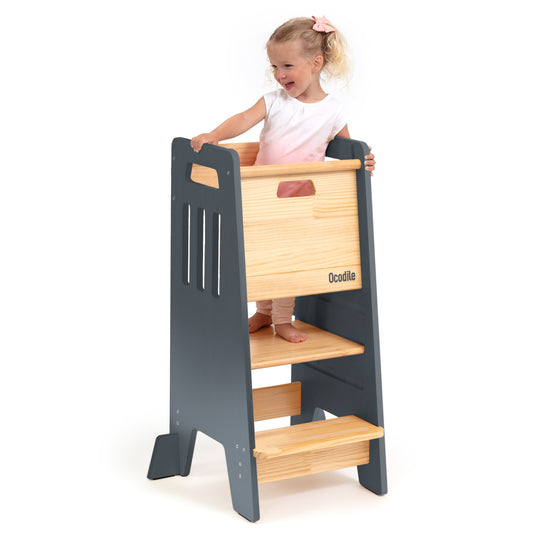
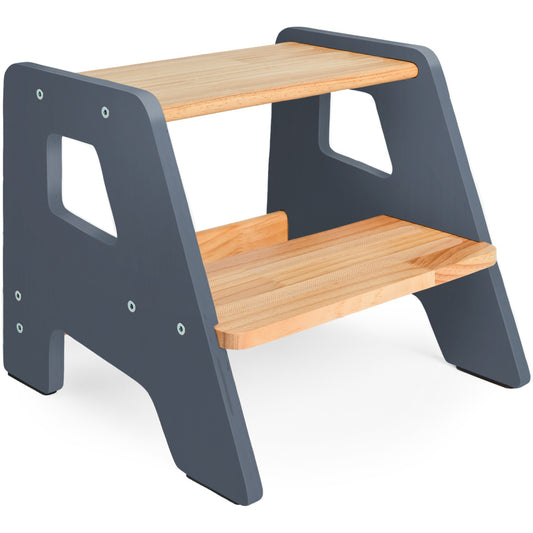
Children often want to do things on their own long before they have the balance to do them standing up. A small bench or sturdy chair gives them a defined spot to sit while trying socks, shoes or pants. It also gives you a natural place to pause beside them without turning the whole room into a scramble.
Place the bench near the clothing station, not across the room. If shoes are kept by the front door, the bedroom bench can still help with pants, socks or a morning book while you get ready.
Safety checks before you rearrange the room
Any bedroom designed for more child access needs a safety review. More independence should come with clearer boundaries, not a room where everything is suddenly available.
When choosing montessori bedroom furniture, look at stability first. Solid, sturdy pieces matter because toddlers lean, pull and shift their weight quickly. Tall furniture should be secured according to the manufacturer's instructions. Avoid placing climbable furniture near windows, cords or shelves with heavy objects.
For beds, check the mattress fit, the bed's entry points and the space around the frame. Guardrails can add a helpful boundary, but the full room still needs to be childproofed. Keep small choking hazards, loose cords and unstable decor out of the sleep area. If you want a deeper checklist, this guide on how to choose a Montessori floor bed frame safely walks through practical details parents often compare.
Also think about traction. A soft rug can make the room feel cozy, but it should lie flat and stay in place. Morning routines often happen when everyone is tired, so anything that slides, catches toes or blocks the bed entry can become a problem.
Measure first so the room still works
It is easy to fall in love with a bed frame or shelf online, then realize it makes the bedroom harder to move through. Measure the mattress area, dresser clearance, door swing and walking path before ordering. Leave enough open floor space for your child to turn around, sit down and carry clothes without bumping into corners.
Fit-first thinking matters in many online purchases. For example, an online wheel and rim marketplace has to organize products around compatibility because style alone is not enough. The same mindset helps in a child's room: size, clearance and safe movement come before color or theme.
Well-chosen montessori bedroom furniture should fit your home as it is, not require a total redesign. In a shared room, that may mean one low personal shelf per child. In a small apartment, it may mean using the bottom drawer of an existing dresser instead of adding a new wardrobe.
Build a simple morning routine around the furniture
Furniture helps most when the routine is clear. The room should quietly answer the same questions every morning: Where do I get out? What can I wear? Where do pajamas go? What do I do when I am done?
Try a short reset at night. Put two outfits in the clothing area, clear the floor near the bed and place the hamper where your child will use it. If your child is old enough for visual reminders, use a three-step card: clothes, hamper, door. Keep it simple enough that you can repeat it calmly when everyone is still waking up.
The best montessori bedroom furniture choices are the ones your child can use repeatedly without a new explanation each day. A low hook in the same spot teaches, "My sweater goes here." A small bin beside the bed teaches, "My bedtime book goes here." Over time, those tiny routines reduce the number of things you have to manage before breakfast.
Common mistakes that make mornings harder
Many well-intended bedroom setups create more work because they offer too much access too quickly. A toddler does not need every toy, every shirt and every book available at 7 a.m.
Watch for these common issues:
- Too many clothing choices, which can lead to outfit battles or emptied drawers
- Deep toy bins, which make it hard to find one item without dumping everything
- Adult-height storage for daily items, which keeps your child dependent on help
- Furniture placed in the walking path from bed to door
- Pretty baskets that are too heavy, slippery or hard for small hands to use
A morning-friendly room is usually simpler than a playroom. Keep the exciting toys somewhere else if they distract your child from getting dressed. Save the bedroom for sleep, dressing and a few calm choices.
What to look for when buying new pieces
If you are ready to add or replace furniture, focus on how each piece will behave during real toddler use. Ask whether it feels sturdy, whether the finish is easy to wipe, whether corners and edges are child-friendly and whether your child can use it without turning it into a climbing challenge.
Parents often describe good children's furniture with words like solid, stable, well made, secure, easy to use and worth the money. Those words are useful because they connect directly to daily life. A stable bed means fewer wobbly moments. A reachable shelf means less lifting. A simple clothing station means fewer decisions before daycare or preschool.
Also consider policies that reduce buying stress. Ocodile offers free US shipping, 60-day returns and a 5-year warranty, which can matter when you are choosing pieces your child may use through multiple stages.
Frequently Asked Questions
What is the most useful montessori bedroom furniture for mornings? A low bed, reachable clothing storage, a small bench and an easy-access hamper are usually the most useful pieces. They support the steps your child repeats every morning: getting out of bed, choosing clothes, sitting to dress and putting pajamas away.
Does a Montessori-style bedroom mean everything should be within reach? No. Only safe, useful and age-appropriate items should be within reach. Daily clothes, a few books and a hamper may be accessible, while extra supplies, cords, heavy decor and off-season clothing should stay out of reach.
Can a small bedroom still use this approach? Yes. Small rooms often benefit the most because clutter slows mornings down. Use the bottom drawer of a dresser, a low bin for two outfits, one wall hook and a compact bench instead of adding too many new pieces.
When is a child ready for a floor bed? Readiness depends on your child's age, mobility, sleep habits and room safety. Many parents consider a floor bed during the transition out of a crib, but the room must be childproofed and the bed should fit the child's stage.
How do I keep my toddler from emptying every drawer? Limit access. Put only a few approved choices in low storage and keep the rest higher up or in a closed area. Two outfit options are often enough to give choice without turning the morning into a mess.
A calmer room makes a calmer morning
The right bedroom setup will not make every morning perfect, but it can remove the most predictable struggles. When your child can climb out of bed safely, find a shirt, sit to dress and put pajamas in the hamper, the day starts with more practice for them and less rushing for you.
If you are choosing montessori bedroom furniture for a toddler or preschooler, start with the routine you want to make easier. Then choose solid, safe and simple pieces that help your child do one real task at a time.