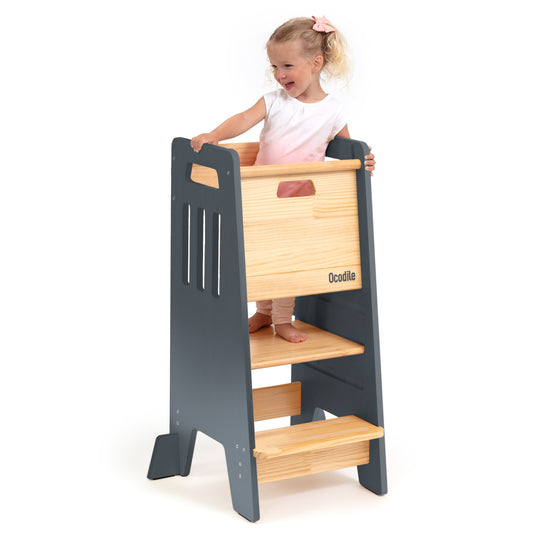


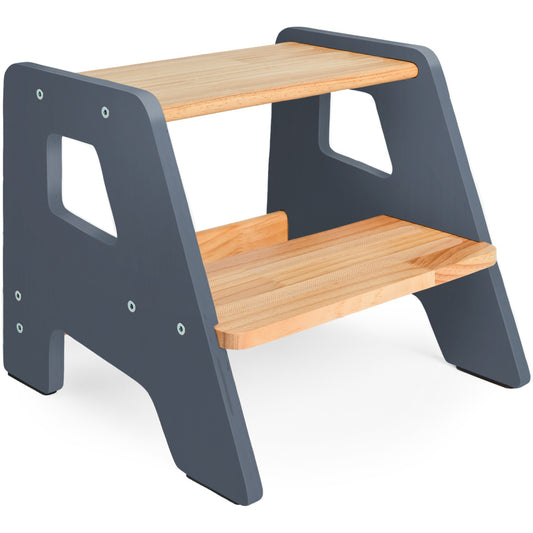


What Is a Montessori Bed and Why Do Parents Love It
At first glance, a Montessori bed looks surprisingly simple. It’s a floor-level sleep space designed to give your child freedom and independence. The core idea is a complete flip from a traditional crib, which is built to contain a child. A Montessori bed, on the other hand, allows them to safely get in and out all on their own.
From Containment to Freedom
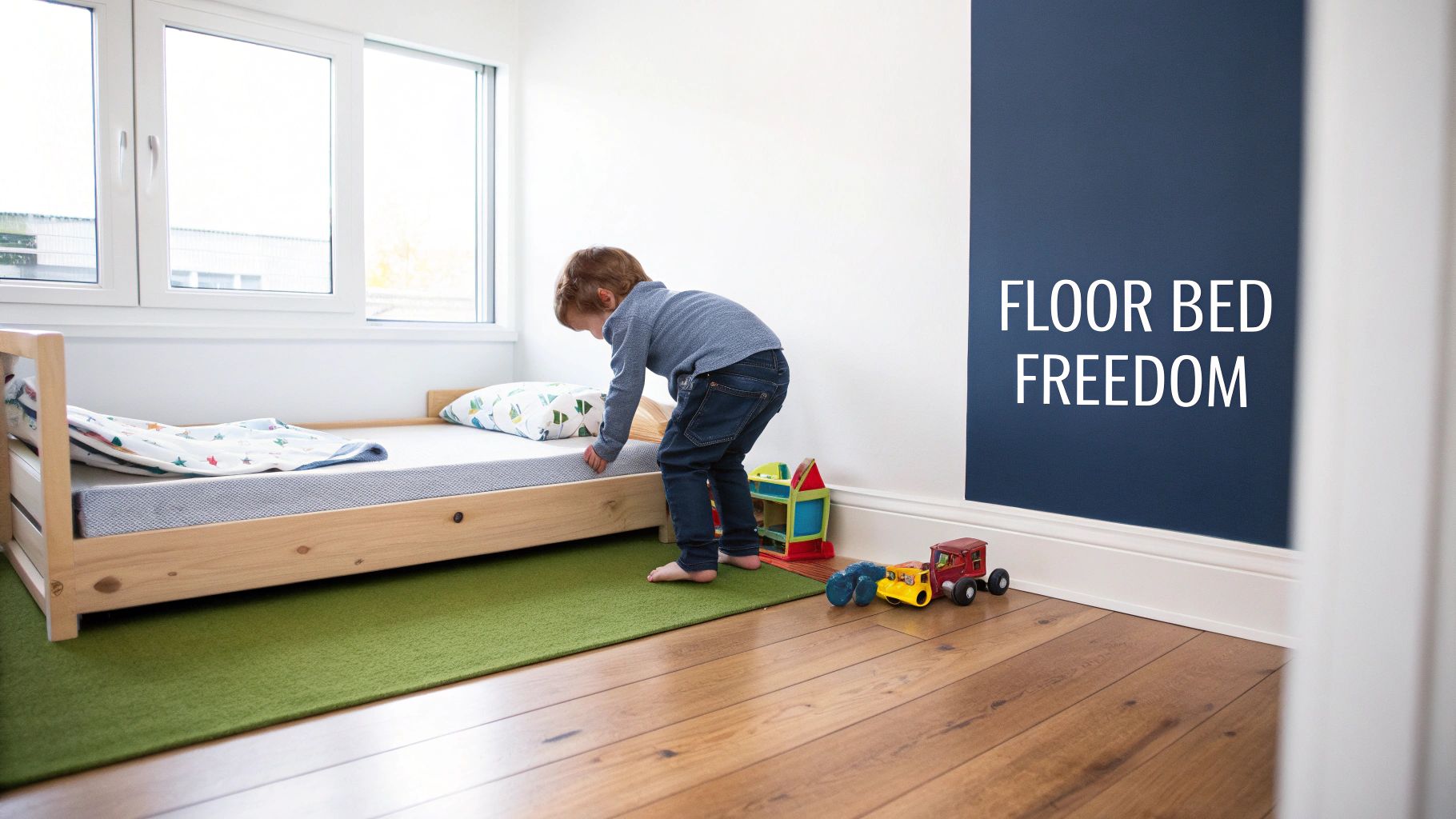
This shift in thinking is really the heart of the Montessori method. It’s about redefining a child's bedroom from a place of confinement to a space for gentle exploration and self-led rest. Think of a crib as a playpen—it’s designed to keep a baby in one spot. A Montessori bed views the entire childproofed room as the safe space, with the bed being just one welcoming home base within it.
This approach comes from a deep respect for a child’s natural desire for autonomy. Instead of crying and waiting for an adult, a toddler can wake up, get out of bed, and quietly find a book or toy. It’s all about fostering self-reliance from a very young age and empowering children to listen to their bodies and navigate their environment safely.
The goal is to create a "prepared environment" where a child can thrive without constant adult intervention. The bed becomes just one accessible element in their personal space, much like low shelves or a small table.
Modern parenting translates this idea into a low or floor-level bed that lets a child move without needing help. The transition usually happens around 12 months or older, which lines up perfectly with when children start moving independently and can really enjoy their newfound mobility. You can dive deeper into the history and philosophy behind this concept over at montessoribed.com.
So, how does this stack up against the crib we’re all used to? Let's break it down.
Montessori Bed vs Traditional Crib At a Glance
The differences are pretty stark when you see them side-by-side. One is about restriction, the other about freedom.
| Feature | Montessori Bed | Traditional Crib |
|---|---|---|
| Accessibility | Open and low to the ground, allowing free movement. | High walls with slats, designed to keep a child inside. |
| Independence | Promotes autonomy; child decides when to sleep and wake. | Fosters dependence; child must wait for an adult to get them out. |
| Design Philosophy | Views the entire room as the safe space for exploration. | Views the crib itself as the safe space, confining the child to it. |
| Longevity | Can be used from toddlerhood into early childhood. | Has a limited lifespan; must be replaced once a child can climb out. |
| Safety Focus | Relies on a fully childproofed room to ensure safety. | Relies on the crib's structure (slat width, height) to ensure safety. |
Ultimately, the choice comes down to your parenting philosophy. A crib offers a contained, traditional approach, while a Montessori bed is a tool for encouraging independence from day one.
The Philosophy Behind the Floor Bed
A Montessori bed is so much more than a piece of furniture; it’s a powerful tool for your child's development, and it’s all rooted in a deep respect for the child. The whole idea comes from Dr. Maria Montessori's educational philosophy, which is built around creating a "prepared environment."
This is simply a space designed to support a child's natural desire to learn and grow on their own terms. Instead of an adult-sized world where kids are often helpless, the prepared environment is scaled to them. This one shift empowers them to interact with their world confidently, building motivation and a strong sense of self. The floor bed is just the natural next step, bringing this idea into their most personal space—the bedroom.
Fostering Independence from the Start
At its heart, the Montessori method sees children as capable people who deserve freedom within safe boundaries. A traditional crib, with its high bars, basically tells a child, "You have to wait for an adult." It's designed to create dependence. A floor bed sends the complete opposite message: "This is your space. You are in control of your own body."
This idea isn't new; it goes all the way back to Dr. Montessori's groundbreaking work in the early 1900s. When she opened the first Casa dei Bambini in Rome on January 6, 1907, she created a world just for children, with low shelves, tiny chairs, and materials they could actually reach. Low beds were a logical part of that, letting toddlers get in and out by themselves and honoring their growing autonomy. You can read more about this history over at the American Montessori Society.
“The greatest sign of success for a teacher... is to be able to say, ‘The children are now working as if I did not exist.’” - Dr. Maria Montessori
This quote really gets to the heart of it. A Montessori bed helps a child learn to listen to their body's own cues for rest and play, which builds a healthy relationship with sleep right from the start.
When a child can get out of bed when they wake up to quietly look at a book or play with a safe toy, they're learning how to self-regulate. This freedom doesn't lead to chaos. In a safe, prepared room, it actually fosters responsibility, confidence, and a peaceful feeling of ownership over their little world. It’s one of the first big steps in raising a self-reliant, curious person.
Here are the biggest perks you'll see when you bring a Montessori bed into your home. It’s not just about a new piece of furniture; it’s about a real, noticeable shift in your family’s day-to-day rhythm.
The most immediate change is the surge in your child’s independence. When they can get in and out of bed all by themselves, you’re sending a powerful message. You’re telling them you trust them and respect their growing capabilities.
This simple freedom helps them tune into their own body’s cues for when they’re tired and when they’re ready to start the day. Instead of a bed being a cage they need to be rescued from, it becomes their own cozy, safe spot. This little tweak can make bedtime and mornings feel so much more peaceful and cooperative.
Promoting Safety and Building Trust
Safety is at the top of every parent's list, and this is where a floor bed really shines. We all know that moment of panic when a toddler starts trying to climb out of their crib. It’s a serious fall risk. A Montessori bed gets rid of that danger completely by being right on the ground.
With the risk of falling gone, parents can breathe a little easier. The focus changes from "containing" your child to creating a completely safe room for them to explore. The "prepared environment," as Montessori called it, becomes the real safety net, empowering your child to move around their space without you having to worry.
By removing the physical barriers of a crib, you’re not just preventing falls; you’re fostering an environment built on trust. You’re trusting your child to navigate their space, and they, in turn, learn to trust their own abilities and decisions.
This idea isn't new, but it's certainly become more popular. What started in Dr. Montessori’s first schools way back in the early 20th century has grown into a global movement. You can now find beds and accessories all over the world that stick to her original vision of fostering independence. If you're curious about her story, the Association Montessori Internationale has a great biography.
How to Know When Your Child Is Ready
Figuring out the right time to switch to a Montessori bed is less about hitting a certain age and more about reading your child's developmental cues. There’s no magic number here. Most parents find the sweet spot is right when their little one starts showing a real desire for independence and is becoming much more mobile.
One of the biggest tells? When they start pulling themselves up to a stand in their crib. That milestone is often a very short step away from trying to climb out, which suddenly turns the crib’s high walls into a major fall risk. This is the perfect moment to think about a safer, ground-level bed—before a scary escape attempt happens.
Confident crawling is another huge indicator. Once your child can get around their room on their own, a floor bed empowers them to do it safely. They can wake up and head over to a play corner without needing you to "rescue" them from bed, which is a fantastic step toward building autonomy.
Key Readiness Milestones
Watching for these signals is way more reliable than just picking a date on the calendar. You’ll want to look for a combination of these behaviors:
- Confident Mobility: Your child is crawling, scooting, or cruising around furniture with pretty good stability.
- Climbing Attempts: You catch them actively trying to hoist a leg over the crib rail. It’s happening!
- Crib Protests: They start fighting the crib, crying when you put them in or immediately demanding to be let out.
This little decision tree can help you visualize if it’s time to make the move, based on where your child is at physically.
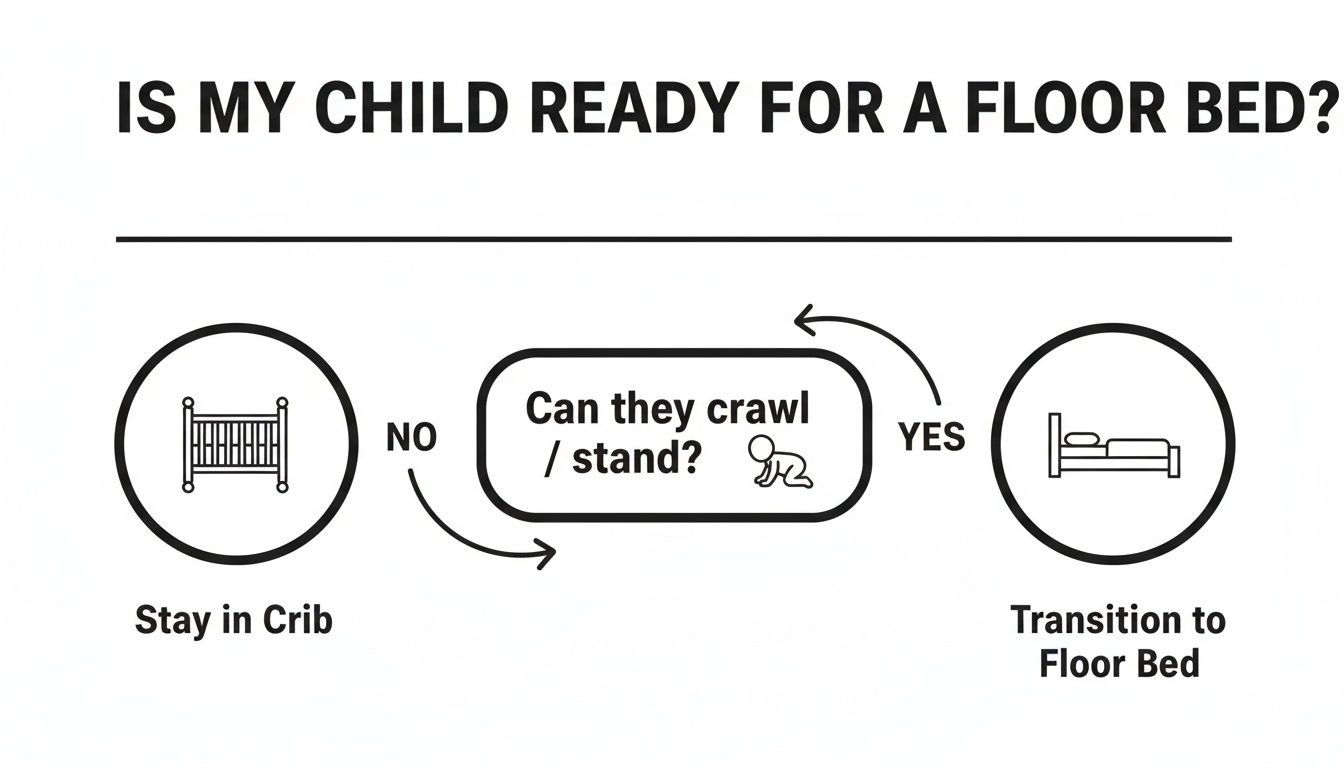
The main takeaway is this: once a child can stand or crawl with confidence, they have the physical skills to really benefit from a floor bed. If you want to dive deeper, you might like our guide on when to transition to a floor bed. Trust your child’s signals over the calendar—they’ll show you when they’re ready for a little more freedom.
Creating a Safe Montessori Bedroom
When you decide to bring a Montessori bed into your home, you're not just swapping out a piece of furniture. You're fundamentally changing how you think about your child's sleep space. The entire bedroom now becomes the safe zone, not just the bed.
Think of it like this: a traditional crib has four walls that act as a safety barrier. With a floor bed, that safety barrier expands to include all four walls of the room itself. This is the key to having peace of mind while giving your child the freedom to safely explore their own little world.
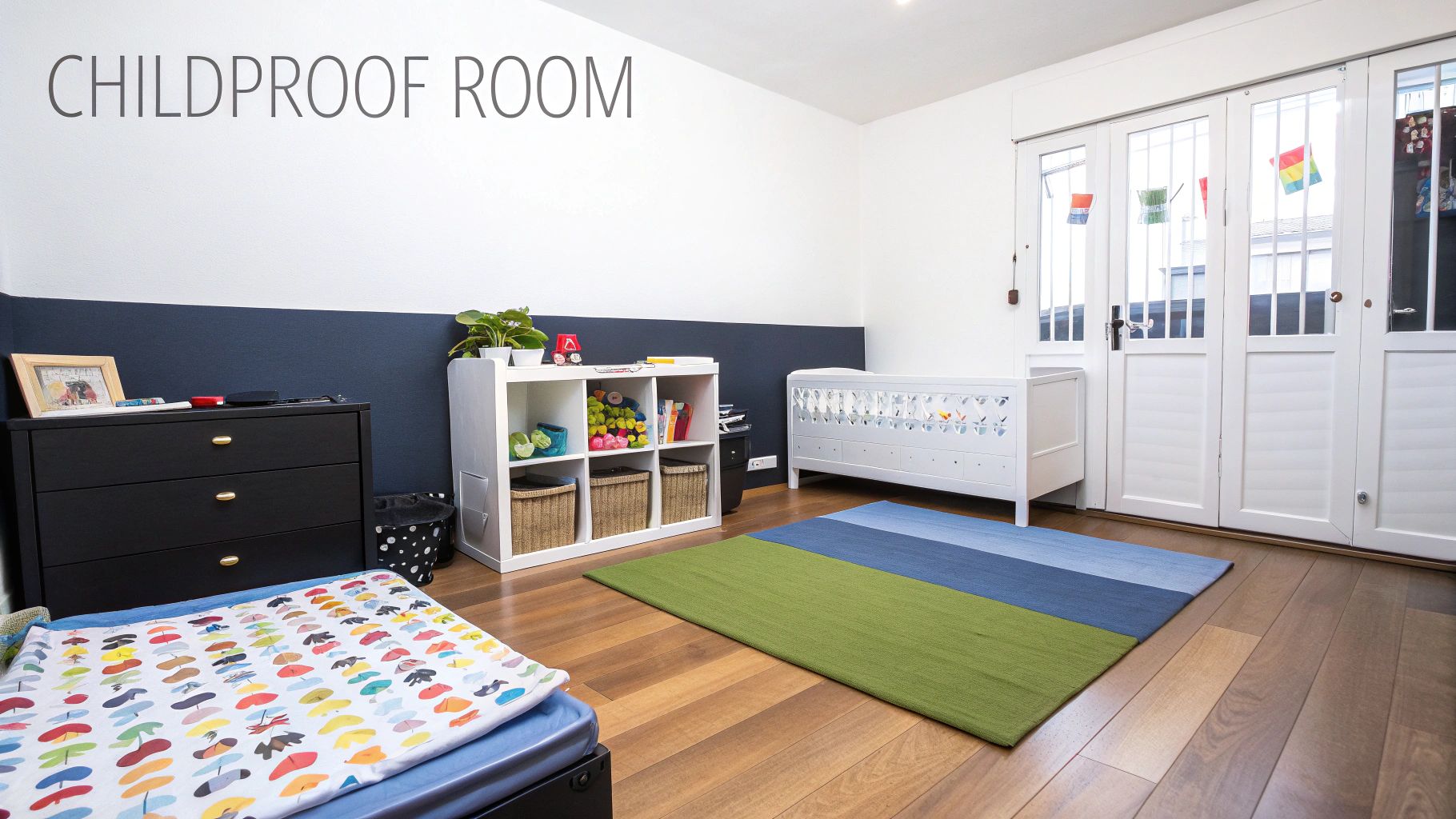
This shift in perspective means you need to get down on your hands and knees and see the room from their level. The goal is to create a "yes space"—a place where your child is free to touch, move, and investigate without you having to say "no" to every other thing.
The Childproofing Checklist
Let’s be clear: a completely childproofed room is non-negotiable for a Montessori bed setup. Before you even think about making the transition, you need to systematically go through the room and neutralize any potential danger. Your main goal should be to make the environment just as secure as a crib.
Here’s a practical checklist to get you started:
- Anchor All Furniture: This is the big one. Heavy items like dressers, bookshelves, and changing tables absolutely must be secured to the wall with anti-tip straps. This is the most critical step you can take to prevent a serious accident.
- Cover Electrical Outlets: Little fingers are naturally curious. Use safety plugs or, even better, sliding outlet covers on every single accessible outlet.
- Manage Cords: Tuck away, secure, and hide all electrical cords. This includes the ones for your baby monitor, lamps, and sound machines. Cords for blinds are a major hazard—make sure they are tied up high and completely out of reach.
- Remove Hazards: Scan the room for anything small enough to be a choking hazard. Also, double-check that there are no heavy picture frames or mirrors hanging over the bed area.
For a deeper dive into all the safety details, our guide to Montessori floor bed safety breaks it all down with even more tips.
Remember, the freedom a Montessori bed provides is only beneficial when the environment is completely secure. A thoroughly childproofed room is the foundation of this entire approach.
When you're setting up the room, you're also thinking about durability and safety in your furniture choices. This guide on choosing kid-friendly furniture has some really helpful advice on that front.
One final tip: make sure the bed itself isn't pushed right up against a wall or too close to a radiator. You want to leave a little space to prevent any risk of entrapment or burns, creating a true little haven for both rest and play.
Choosing the Right Bed and Materials
So, you've decided a Montessori bed is the way to go for your family. Great! Now for the fun part: picking one out. The good news is that the core idea is incredibly simple—the mattress just needs to be accessible from the floor. This opens up a world of options, from a mattress placed directly on the floor to all sorts of creative frames.
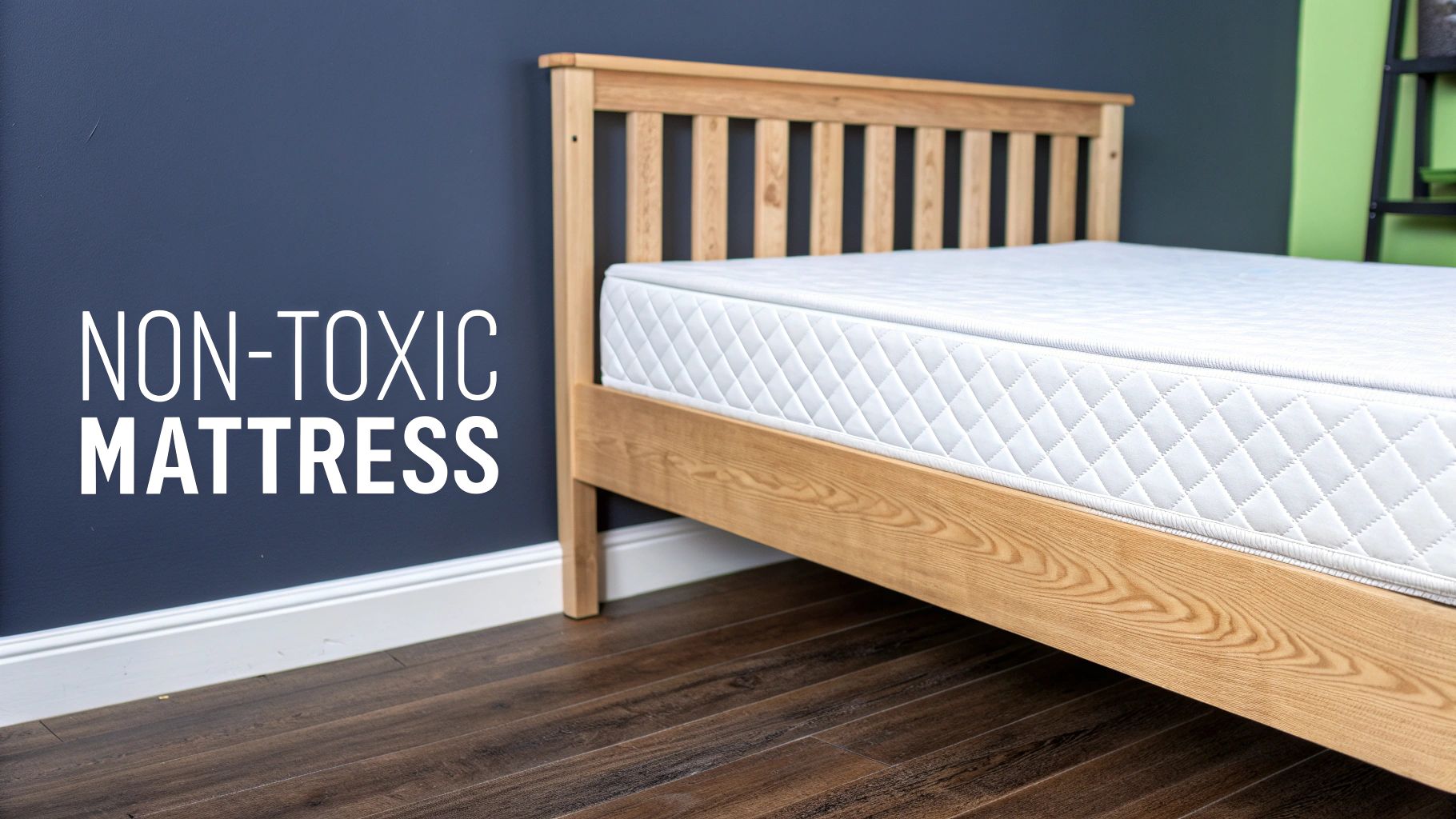
A lot of parents gravitate toward a simple wooden frame. It neatly defines the sleeping area and, just as importantly, allows air to circulate under the mattress to prevent any mildew buildup. Natural, unfinished woods like pine or poplar are fantastic choices because they’re sturdy and you don't have to worry about harsh chemical finishes.
Selecting the Perfect Mattress
Honestly, the mattress might be the most critical piece of the puzzle. For toddlers and young kids, a firm, breathable mattress is non-negotiable for safety. You’ll want to steer clear of anything too soft or plush, as those can be a suffocation hazard.
Keep an eye out for certifications like Greenguard Gold, which is a good indicator that the product has low chemical emissions. The mattress choice is a huge topic, and if you want to do a deep dive, this expert guide on how to choose a mattress is a great resource.
The foundation of a safe Montessori bed setup is a firm sleep surface. Your child’s safety and comfort depend on choosing a mattress that supports their growing body without being too soft.
Getting the right fit for your specific setup is key. For more tailored advice, we’ve put together our own guide on the best mattress for a floor bed.
Got Questions About Montessori Beds?
Let's get into the questions that pop into every parent's head before making the switch. Deciding to bring a Montessori bed into your home usually comes with a few totally valid concerns, especially around sleep and safety.
One of the biggest worries I hear is, "Won't my child just play all night?" It's a fair question! While there might be a short novelty period at first, this newfound freedom is actually a powerful tool for teaching self-regulation. Once you establish a consistent, calming bedtime routine, your child quickly learns that their bed is a place for rest, and that initial urge to play starts to fade.
When Is the Right Age to Start?
There's no magic number here. Instead of focusing on a specific age, it's much better to watch for your child's developmental cues. When you see them crawling confidently or, the big one, trying to climb out of their crib, they are physically showing you they're ready for more independence. That's your sign that a safer, ground-level sleep space is a good idea.
Another common question is about style—specifically, are those popular house-frame beds truly Montessori? The core principle isn't about the decorative frame; it's all about the low, accessible mattress that empowers your child. Whether you go for a simple platform or a more playful design, the real focus is on fostering their autonomy. The look is just a bonus.
At Ocodile, we design beautiful, safe, and practical furniture that supports your child’s independence. Explore our collection of child-friendly floor beds and more at https://ocodile.com.