



A Parent's Guide to Montessori Books for Toddlers
Share
Montessori Books for Toddlers Focus on Real Life
Montessori books for toddlers center on reality-based content—simple narratives, real photographs or lifelike illustrations, and sturdy materials small hands can manage on their own. These books connect children to the real world instead of fantasy, supporting natural development and curiosity from birth through age three.
Building a Foundation Through Reality-Based Learning
Your toddler's mind works like a sponge, soaking up everything about the world. During these early years, children are intensely focused on understanding how life actually works—what animals really look like, how people interact, what objects do.
Dr. Maria Montessori noticed that young children have what she called "sensitive periods" for absorbing specific types of learning. From birth to age three, toddlers are laser-focused on ordering and making sense of their immediate environment.
Why Reality Matters for Young Minds
Montessori books stick to reality because fantasy actually confuses toddlers who haven't yet built a solid understanding of the real world. Picture trying to decorate a room before the walls are built—that's what happens when you introduce talking animals or magical scenarios to a developing mind.
When you choose books with real photographs of dogs instead of cartoon dogs wearing clothes, you're helping your child build accurate mental categories. This foundation becomes the framework for all future learning and imagination.
The Core Features of Montessori Books
Quality over quantity defines the Montessori approach to children's literature. A carefully chosen collection of five to eight reality-based books that you rotate regularly beats an overwhelming shelf of options any day.
These books share several features:
- Simple, clear images showing one concept or object at a time
- Minimal text that encourages observation rather than passive listening
- Realistic illustrations or photographs depicting real-world objects, animals, and people
- Durable construction designed for independent handling by small hands
- Focus on everyday experiences like getting dressed, eating meals, or observing nature
Building Independence Through Book Design
The physical design of Montessori-aligned books matters just as much as their content. Board books with thick pages let toddlers turn pages themselves, building fine motor skills and confidence.
Books with real photographs of familiar objects help toddlers make connections between pictures and their daily lives. When your child sees a photo of a banana in a book and connects it to the banana on their plate, something clicks—they're building vocabulary and cognitive pathways at the same time.
The goal isn't pushing letters or words—it's cultivating a genuine, lifelong passion for learning while respecting your child's natural pace and developmental stage.
This approach works beautifully in your home environment. When paired with child-sized furniture like floor beds and step stools, Montessori books become tools for building complete independence—from choosing their own book to reading in their own special space.
For a deeper understanding of how these principles work together, learn more about the Montessori method of teaching and how it shapes early childhood development.
The beauty of this philosophy lies in its simplicity and respect for your child's capabilities. You're not pushing academic achievement—you're simply providing beautiful, real materials that invite natural curiosity and joyful discovery.
How to Choose the Right Montessori Books for Your Toddler
Walking into a bookstore can feel a bit overwhelming, can't it? With shelves packed with every kind of book imaginable, it's tough to know where to start when you're looking for something that truly aligns with the Montessori philosophy. This guide will help you confidently pick out books that build your toddler's sense of observation, independence, and connection to the world around them.
Key Features to Look For
Montessori-friendly books have a few distinct traits that really support a young child's ability to learn and focus. Here’s what you should keep an eye out for:
- Reality-Based Images: Look for real photos or incredibly lifelike illustrations. This is huge for toddlers, as it helps them connect the pictures in their book to the actual world they see every day.
- Focused Narratives: The best books explore just one concept at a time—like colors, animals, or vehicles. This approach prevents cognitive overload and lets your little one really absorb the information.
- Minimal Text: A few words per page are all you need. This encourages your toddler to be an active participant, pointing to pictures and sparking conversation rather than just passively listening.
- Sturdy Construction: Little hands are not always gentle! Board pages and solid bindings are a must, as they’re built to withstand lots of love and exploration.
"Montessori books build a bridge between a child’s mind and the real world by emphasizing simplicity and authenticity.”
This simple, authentic approach is what sets the stage for deep concentration and a genuine joy in discovery.
Montessori Books vs Traditional Toddler Books
It's helpful to see a direct comparison. While all books have value, Montessori-aligned books are designed with very specific developmental goals in mind. Traditional books often focus more on fantasy and entertainment, which can sometimes be confusing for a toddler who is just starting to make sense of their environment.
| Feature | Montessori-Aligned Book | Traditional Toddler Book |
|---|---|---|
| Images | Real photographs or realistic illustrations | Cartoon-style or fantasy images |
| Text | Very simple, concept-focused | Longer narratives, multiple themes |
| Material | Durable board pages and cloth touches | Paper pages with thin bindings |
| Learning Outcome | Supports concentration and real-world understanding | Sparks imagination but may confuse early learners |
As you can see, the goal with a Montessori book isn't just to tell a story but to give your child a tool for understanding their world.
Practical Selection Checklist
Ready to go shopping? Keep this simple checklist in mind, whether you're browsing online or at your local library.
- First, inspect the cover and pages. Are the materials durable enough to survive being dropped, chewed on, and read a hundred times?
- Flip through the book. Do the images look like things your toddler actually sees in their day-to-day life?
- Read a page or two out loud. Is the text brief and simple? Does it invite your child to point and name what they see?
- Take your time. Compare a few options to avoid making an impulse buy you might regret later.
- Once you have a collection, try rotating just 5–8 books at a time. This keeps things fresh and encourages your child to engage more deeply with each one.
It’s no surprise that parents are gravitating towards this style of learning. The global Montessori Learning Toys market, which includes books like these, was valued at USD 3.5 billion in 2023 and is expected to hit USD 6.8 billion by 2032. This trend is largely driven by working parents—with over 70% in urban areas investing in products that support their child's cognitive development in the crucial 0–3 age window.
Additional Resources and Next Steps
For a deeper dive into what makes a book sturdy enough for a toddler, this guide to picking the perfect board book is a fantastic resource.
And don't forget the environment! You can create an incredibly inviting reading nook by pairing your books with child-friendly furniture. Think about:
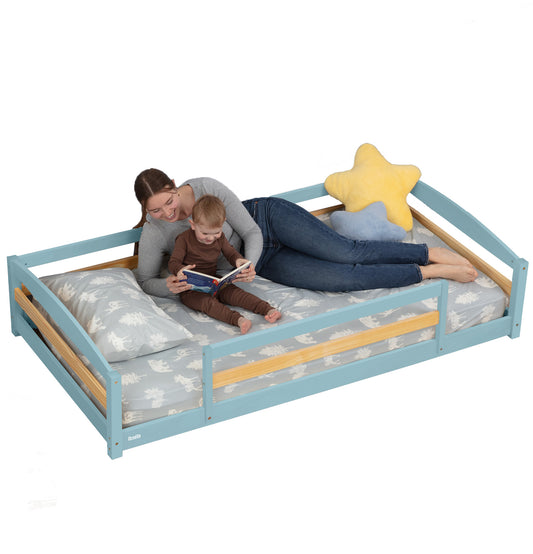
- Floor beds that put books at your child's height for easy access.
- Step stools so they can safely reach books on forward-facing shelves.
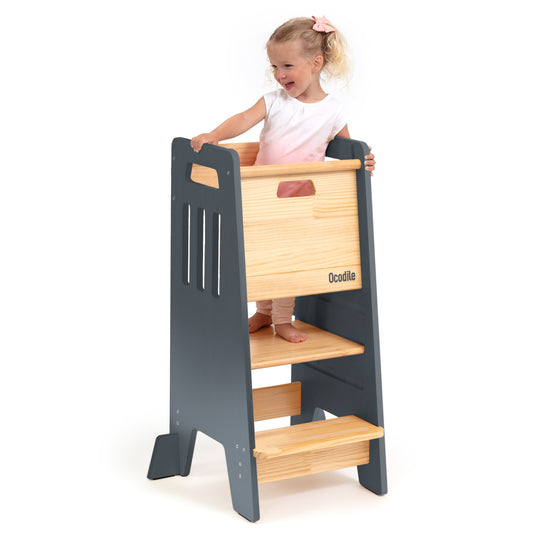
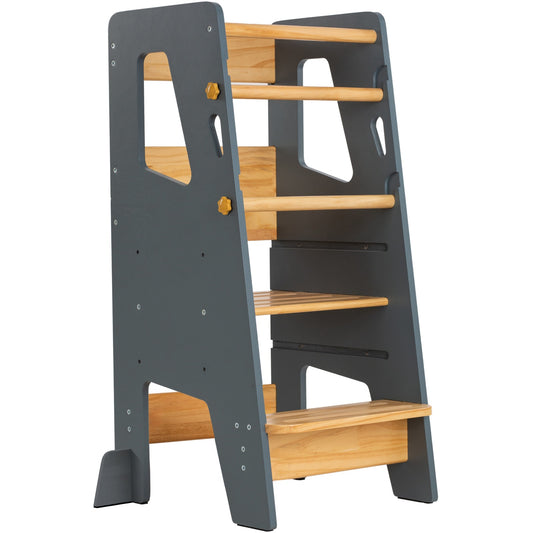
- Standing towers that let your toddler explore books at eye level right alongside you.
This kind of setup turns reading time into a holistic Montessori learning experience. By following these tips, you can confidently choose books that will nurture your toddler's concentration, build real-world connections, and watch their independence blossom.
Simple Usage Scenarios
Try weaving books into your everyday routines to make learning feel natural and fun.
- During snack time, pull out a wordless book about food and ask your toddler to find the banana or the apple.
- Make storytime on their floor bed a part of your morning routine to build a sense of independence.
- Keep a tactile book with different textures handy during quiet moments to engage their senses.
Essential Types of Montessori-Friendly Toddler Books
Building a Montessori library for your toddler isn't about hunting down one "perfect" book. It’s more like curating a small, thoughtful collection that supports all the different ways they’re growing. Just like a balanced meal has different food groups, a great home library should have a few key types of montessori books for toddlers.
Each kind of book serves its own special purpose, from sparking those first words to helping them tell their own little stories. Let’s walk through the four essential types that will create a well-rounded and truly engaging collection for your child.
Wordless Picture Books
Wordless books are a cornerstone of a Montessori bookshelf because they put your child in the narrator’s seat. With no text to follow, your toddler gets to be the storyteller, using their own words to explain what they see on the page. This is such a powerful way to build language, keen observation skills, and pure creativity.
A simple book showing a seed sprouting or a child getting dressed can be interpreted in a dozen different ways. One day, your toddler might just point and say, "dirt." The next, they might spin a whole tale about a "tiny plant sleeping." This freedom builds confidence and turns reading into a fun, interactive game you play together.
Books with Real Photos
For a toddler, the world is a giant puzzle they’re busily piecing together. Books filled with crisp, clear, real-life photos are like giving them the corner pieces. Seeing a photograph of a real apple helps them connect the picture in the book to the fruit in their snack bowl, making that connection in their brain just a little bit stronger.
These books are fantastic vocabulary builders. Look for simple layouts with one big, clear image per page—a single cat, a shiny red ball, a yellow banana. That clarity helps them focus without getting overwhelmed, making it so much easier to learn the names of all the things in their world.
The core principle here is connection. When a book reflects a child's tangible reality, it becomes more than just a story; it becomes a tool for understanding their own world.
Tactile and Sensory Books
Montessori education is all about sensory exploration—the idea that children learn best by doing and feeling. Tactile books, with all their different textures and interactive bits, fit this hands-on approach perfectly. They invite your toddler to touch a sheep's "woolly" coat, feel a "bumpy" lizard's skin, or lift a flap to see who’s hiding underneath.
This multi-sensory experience strengthens neural pathways and makes learning stick. It’s no surprise the interactive children's book market hit USD 2.48 billion in 2024 and is expected to reach USD 5 billion by 2035. This just shows how much parents value books that help develop fine motor skills and turn learning into a physical experience. You can find more details on the growth of interactive books on wiseguyreports.com.
Simple, Realistic Story Books
Once your toddler has a good handle on single-concept books, you can start bringing in simple stories with realistic plots. These stories should mirror everyday things they can actually relate to, like visiting a grandparent, helping out in the garden, or getting a new pair of shoes.
These narratives help toddlers make sense of social situations, daily routines, and how events happen in order. A great option to explore are personalized story books for toddlers, which can really capture their attention by putting them right in the middle of these familiar scenarios. The key is to keep the stories simple and grounded in reality, helping them put the puzzle of their own lives together.
Creating an Inviting Montessori Reading Nook
The right environment can turn reading from a simple activity into a cherished ritual. In the Montessori world, we call this the “prepared environment”—a space thoughtfully designed to foster independence, concentration, and a love of learning. Creating a dedicated reading nook is like giving your toddler their very own library, a calm and accessible retreat where they are in charge.
The goal is to design a space that says, "This is for you." It should be cozy, well-lit, and, most importantly, completely within their reach. When a child can physically access their own books and choose what to read, they develop a powerful sense of ownership and autonomy. This simple setup transforms storytime from a passive event into an active, child-led exploration.
The Heart of the Nook: A Forward-Facing Bookshelf
If you do one thing, make it this: get a low, forward-facing bookshelf. This is the single most important element of a Montessori reading nook. Unlike traditional spines-out shelving, this design allows your toddler to see the covers of their books, making it so much easier for them to spot their favorites.
Think about it from their perspective. To a pre-reader, book spines are just a bunch of colored lines. But the covers? Those are vibrant invitations filled with familiar characters and intriguing pictures. A forward-facing shelf empowers them to make a real choice, a huge step toward independence. When they can see all their options at a glance, they're far more likely to grab a book and get lost in a story. You can learn more about picking the right one in our detailed guide to kids' book holders.
"A prepared environment is one in which the child is able to become independent of the adult. It is a place of beauty and order where the child can have the freedom to work, to choose, and to concentrate."
A well-organized reading space brings this principle to life. It’s not just about storage; it's about showing respect for your child's ability to choose for themselves.
Essentials for a Peaceful Reading Space
Beyond the bookshelf, a few simple additions can make the space truly special. Comfort is key. Think a soft rug, a few plush floor cushions, or even a child-sized armchair. The furniture should be at their level, reinforcing that this space belongs to them and no one else.
Good lighting is also a must. If you can, position the nook near a window to take advantage of soft, natural light. Otherwise, add a small, warm lamp that your toddler can safely turn on and off themselves. This small detail adds to that feeling of independence and creates a cozy ambiance perfect for quiet moments with their montessori books for toddlers.
Finally, let's talk about book rotation. An overflowing shelf can feel overwhelming and lead to decision fatigue, even for us adults! A better approach is to keep just 5 to 8 books out at a time and store the rest away. Every couple of weeks, swap them out. This keeps the selection fresh and exciting, encouraging your little one to engage deeply with each story before a new set appears.
How to Read with Your Toddler the Montessori Way
Okay, so you’ve picked out the perfect book. That's a great start, but the real magic is in how you share it. Reading with your toddler the Montessori way isn't about putting on a show or getting through the story. It’s all about connection, observation, and letting your little one lead the way. This shifts storytime from just listening to a genuine, interactive experience that builds their confidence and a real love for books.
The core idea is simple: follow the child. Let them set the pace. If they want to spend five minutes staring at a picture of a squirrel, let them! This is how they build concentration and make those important connections in their brain. Try to resist the urge to flip the page or rush to the end. Their curiosity is your guide.
Use Observation Instead of Questions
It’s a natural habit to quiz our toddlers. "What's that?" "What color is the car?" We mean well, but it can feel like a test and add pressure to what should be a fun activity. The Montessori approach flips this around by using gentle, observational language instead.
Rather than asking what they see, just describe it with them.
-
Instead of: "What animal is that?"
-
Try: "I see a brown dog with floppy ears."
-
Instead of: "Can you find the ball?"
-
Try: "You found the red ball! It’s right next to the green grass."
This simple change validates what they're seeing, grows their vocabulary without any stress, and keeps the whole experience joyful. You're not testing them; you're sharing a moment of discovery together. This is a huge part of encouraging independence in toddlers.
Connect the Story to Real Life
One of the best ways to make learning stick is to link what’s in the montessori books for toddlers to their own world. This builds a solid bridge between the pictures on the page and their real-life experiences, turning abstract ideas into something they can really grasp.
When you see a picture of a bus, you could say, "That looks just like the big yellow bus we saw on our walk this morning!" If the book shows a child putting on shoes, you can point out, "You have blue shoes, just like the boy in the book."
This practice of connecting stories to real-world experiences helps a toddler organize their understanding of the world. It reinforces that books are not just for entertainment but are valuable tools for making sense of their environment.
This method is also a fantastic boost for their cognitive development. There's a reason the market for physical books for this age group is thriving—projected to hit US$ 817.63 million by 2034. Parents see the value. Studies even show that toddlers engaged with Montessori-style books have a 22% improvement in their concentration spans, a vital skill for learning on their own.
For families using Ocodile furniture, this approach works beautifully. A full 75% of families with our floor beds report an increase in shared reading time, turning bedtime routines into rich learning moments. By making these simple connections, you deepen their engagement and make every storytime count.
(Discover more insights about the children's book market on factmr.com)
Common Questions About Montessori Books for Toddlers
Stepping into the world of Montessori often brings up a few questions. As you start building a little library of montessori books for toddlers, it's totally normal to wonder if you're getting it right. This section is here to give you clear, straightforward answers to the most common concerns, so you can feel confident in your choices.
Remember, the goal isn't about being perfect. It's about giving your child beautiful, reality-based tools that spark their natural curiosity. Let's clear up some of those questions you might have.
Are Cartoon and Fantasy Books Bad for My Toddler?
They aren't "bad," but there's a good reason the Montessori approach focuses on reality-based books for kids under three. At this age, a toddler's most important job is simply to figure out the world around them. Realistic books give them a solid, clear foundation for that critical work.
Think of it like building the frame of a house before you start decorating the rooms. Once your child has a firm grasp on reality, fantasy and imaginative stories become amazing tools for creativity. For now, though, grounding them in what’s real helps them make sense of their environment without any confusion.
How Many Montessori Books Should a Toddler Have?
This is definitely a case of quality over quantity. A small, thoughtfully chosen collection of 5 to 8 books that you rotate every few weeks is much more effective than a shelf overflowing with options. This simple practice encourages your child to really engage with each book, which helps build their concentration and appreciation.
Rotating the books keeps their little library feeling fresh and exciting without overwhelming them. When you display them on a forward-facing bookshelf, maybe next to a cozy floor bed, it makes it easy for them to see their choices and pick their favorites—another little step toward independence.
The heart of a Montessori library isn’t its size, but how thoughtfully it’s been put together. Each book is a carefully chosen window to the real world, inviting deep focus rather than just a quick glance.
When Is the Right Age to Introduce Montessori Books?
You can start right from the very beginning! The secret is to match the book's complexity to where your child is at developmentally.
- For newborns (0-6 months): High-contrast, black-and-white image cards or board books showing a single, real object are perfect. They’re fantastic for their developing eyesight.
- For older infants (6-18 months): Now you can bring in tactile books they can touch and feel, along with simple board books that have clear photos of animals, family members, and everyday things.
The principles simply adapt as your child grows. The focus always stays on giving them clear, realistic, and age-appropriate materials that support their natural journey of discovery from day one.
Where Can I Find Affordable Montessori-Style Books?
You absolutely don't need to hunt for expensive books with a special "Montessori" label. Once you get the hang of the core principles—realistic images, simple stories, and durable materials—you’ll start seeing great options everywhere.
Your local library is an incredible free resource for rotating books and keeping your collection fresh. Secondhand stores, garage sales, and online marketplaces are also fantastic spots to find affordable gems that are a perfect fit. The philosophy is about the type of book, not the price tag.
At Ocodile, we believe in creating home environments that support your child’s natural desire to learn and explore. Our child-safe furniture, from floor beds to standing towers, is designed to make books and learning accessible, fostering independence and a lifelong love of reading.
Discover how Ocodile furniture can help create the perfect Montessori-inspired space in your home.