



What age to start montessori: A practical guide for parents
When you're trying to figure out what age to start Montessori, the short answer is: anytime is a good time. The philosophy is designed to meet children where they are. But if you're looking for the sweet spot, the most impactful years are definitely during infancy (0–3) and the primary years (3–6). This is when a child's brain is developing at an incredible pace.
Ultimately, the "perfect" time really comes down to your child's personality and what works for your family.
The Best Age to Start Montessori: A Quick Guide
While you can technically start Montessori at any age, there’s a window that many experts and parents agree is just right. The sweet spot for starting is often between 18 months and 3 years. During this time, kids are like little sponges, soaking up everything, and they're incredibly open to the structured freedom that a Montessori classroom offers.
Think of it like planting a garden. This period is the perfect time to plant the seeds of independence, curiosity, and a love for learning. Starting during these toddler years helps them absorb the core principles of Montessori right from the get-go. If you're curious about how this looks across different age groups, GlobalMontessori.com has a great breakdown of their school grade levels.
Key Entry Points and Their Focus
Montessori education is broken down into a few main entry points, and each one is carefully designed to match a child's natural development.
- Infant (0-18 months): Here, the goal is to create a safe, warm, and nurturing space. It’s all about supporting freedom of movement and letting them explore the world through their senses.
- Toddler (18-36 months): This stage is all about that budding independence. The curriculum focuses on language skills, coordination, and practical life activities—think pouring, scooping, and dressing themselves.
- Primary/Preschool (3-6 years): This is what many people picture when they think of Montessori. It’s often called the "Children's House," and it's where the foundations for math, language, and cultural studies are laid using those amazing hands-on materials.
Each stage flows right into the next, creating a really smooth and continuous learning journey.
Montessori Starting Ages at a Glance
To make it a bit easier to see the differences, here’s a quick comparison of the main Montessori programs and what they offer at each stage. This should help you get a clearer picture of where your child might fit in best.
| Age Group | Program Name | Primary Developmental Focus | Key Benefits of Starting Here |
|---|---|---|---|
| 0-18 Months | Infant / Nido | Sensory development, trust, and freedom of movement | Fosters a strong sense of security and early motor skills. |
| 18-36 Months | Toddler Community | Independence, language explosion, and toilet learning | Capitalizes on the "I can do it myself" stage and builds confidence. |
| 3-6 Years | Primary / Children's House | Social skills, abstract thinking, and love of learning | Introduces foundational academic concepts in a concrete, hands-on way. |
Seeing it laid out like this really highlights how each program builds on the last. Whether you start from day one or join at age three, your child is stepping into a path designed just for their stage of growth.
Understanding Montessori's Planes of Development
To really pinpoint what age to start Montessori, it helps to first understand how the philosophy sees child development. Dr. Maria Montessori noticed that children grow through very distinct, predictable stages. She called these the Four Planes of Development.
Think of it like building a house. The first six years of your child's life are the foundation. Everything that comes later is built right on top of it. If that foundation isn't solid, the rest of the structure will be a little shaky. Montessori puts a huge focus on making these first years as strong as they can be.
This first "plane," from birth to age six, is the most powerful time for learning. During this period, children have what Montessori called the absorbent mind. Like a little sponge, they soak up everything around them—language, culture, social cues, information—effortlessly and without even trying.
The First Plane From Birth to Six
This critical first stage is broken down into two smaller, unique phases. Each one has its own characteristics and needs, which helps explain why different Montessori activities are introduced at very specific times.
- The Unconscious Absorbent Mind (0–3 years): In these first few years, a child is taking everything in from their surroundings unconsciously. They are literally building their sense of self by internalizing the world around them. This is why having a calm, orderly, and rich environment is so important.
- The Conscious Absorbent Mind (3–6 years): Around age three, there's a shift. The child now starts to consciously seek out experiences to help organize all the information they've soaked up. You'll see them start to refine their skills, show a ton of curiosity, and use their hands to figure out complex ideas.
This visual guide shows you how these key developmental stages are laid out in a Montessori setting.
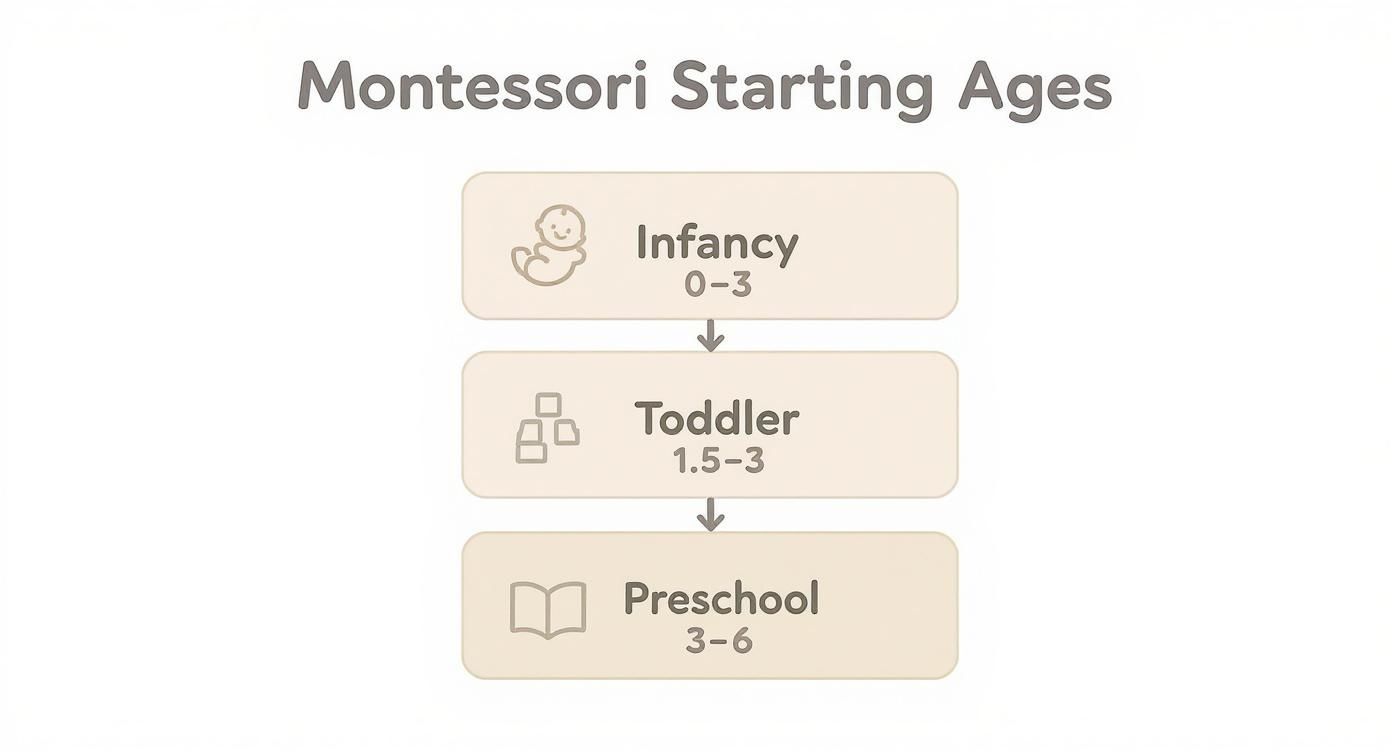
The diagram gives a clear picture of the progression from infancy through preschool, pointing out the ideal entry points that line up perfectly with these developmental windows.
Why This Framework Matters for Parents
Knowing about these developmental planes is empowering. Instead of seeing random behaviors, you can start to identify which developmental need your child is trying to meet. For example, a toddler who suddenly wants to "help" with everything is moving into that conscious phase, eager to put their knowledge into practice.
This framework isn't about pushing academics early. It's about respecting the natural way a child’s potential unfolds. It matches activities with brain development, making learning feel joyful and natural instead of forced.
When you understand these stages, you can better prepare their environment at home and spot the key signs of readiness we’ll get into later. You can also explore our detailed guide to better understand the specific childhood development milestones your little one will reach. Knowing this "why" behind it all makes choosing the right time to start a much clearer, more confident decision.
Starting Montessori From Birth to Age 3
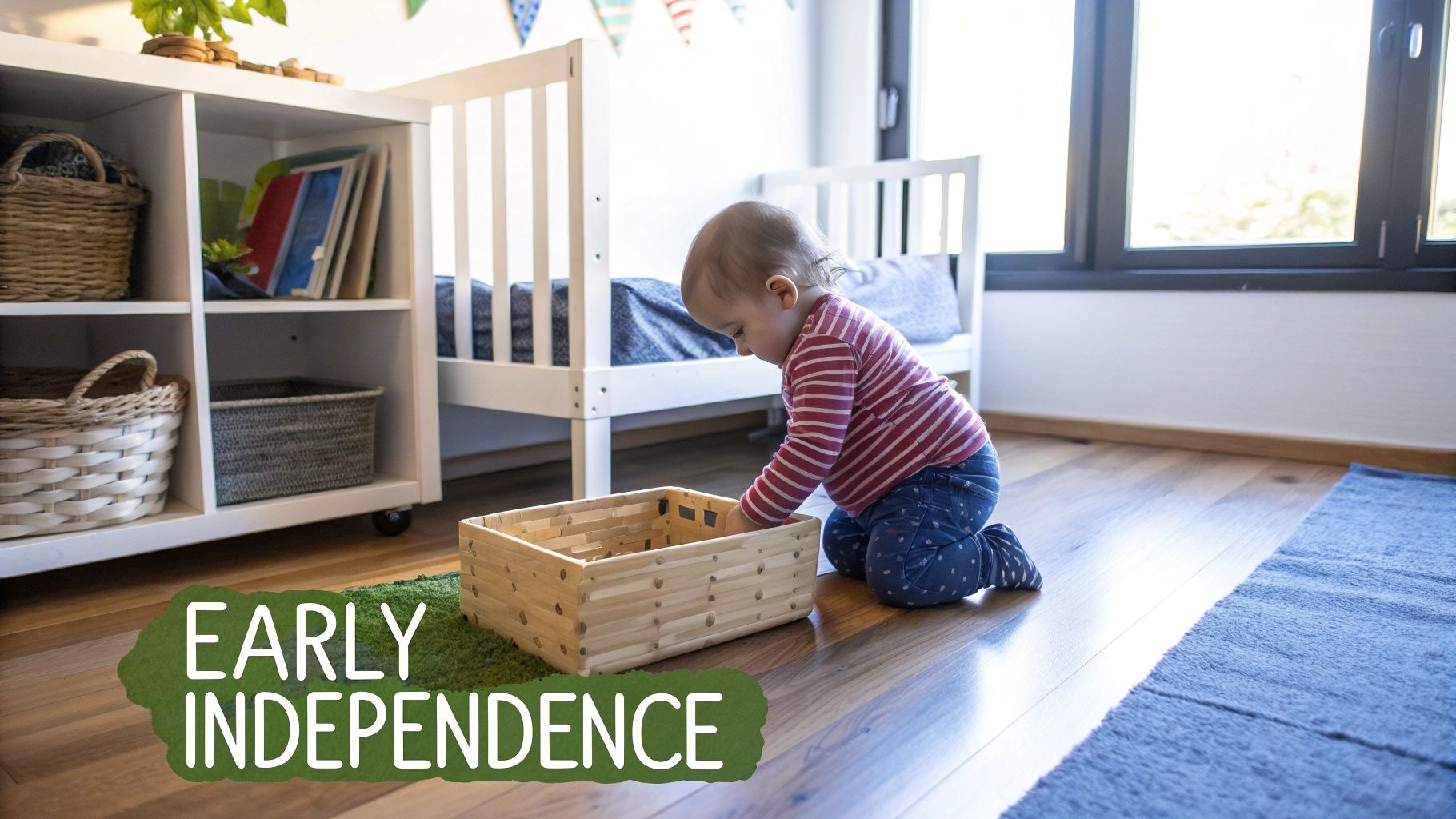
Bringing Montessori into your home right from birth isn't about flashcards or academic pressure. It's about honoring the incredible, almost magical, developmental journey that unfolds in those first three years. This period is the peak of the absorbent mind, where your child effortlessly soaks up everything about the world around them.
Think of their brain as the most fertile soil, ready to absorb every sight, sound, and experience without any conscious effort.
Our job during this time is simply to create a nurturing, respectful environment that supports their natural drive to learn and grow. It’s less about teaching specific lessons and more about preparing their surroundings to meet their needs for movement, independence, and sensory exploration. Honestly, it’s all about trust—trusting your child to explore and trusting the process.
The Infant Environment: Birth to 18 Months
For the tiniest infants, the focus is all on simplicity and freedom. A Montessori nursery often looks quite different from a traditional one. Instead of a restrictive crib, you're more likely to see a low bed on the floor. This one simple change gives a baby the freedom to explore their room safely as soon as they can scoot or crawl.
Here are a few key elements you'll find in an infant space:
- Freedom of Movement: A soft mat on the floor becomes a safe home base for wiggling, rolling, and eventually crawling. It's a "yes" space, free from the confines of a playpen.
- Simple, Natural Toys: Think wooden rattles, soft fabric balls, and simple grasping toys. These are kept on low, open shelves so your baby can see and choose what interests them.
- A Mirror: A low, securely mounted mirror is a classic. It allows your baby to observe their own movements, which helps build body awareness and concentration.
This kind of environment respects the baby as a capable little person, allowing them to engage with their world at their own unique pace.
The core idea for this age is observation and respect. It's about providing just enough support for the child to discover things for themselves, fostering a deep sense of security and competence from the very beginning.
To create a space that encourages this freedom, many parents look into safe, accessible sleeping areas. As your child grows, you can learn more about how a Montessori floor bed for toddlers can support this philosophy.
The Toddler Environment: 18 to 36 Months
Once your baby becomes a toddler, their world expands dramatically. They are now driven by that powerful urge to do things "by myself!" A Montessori environment for toddlers is specifically designed to empower this budding independence in a safe and constructive way.
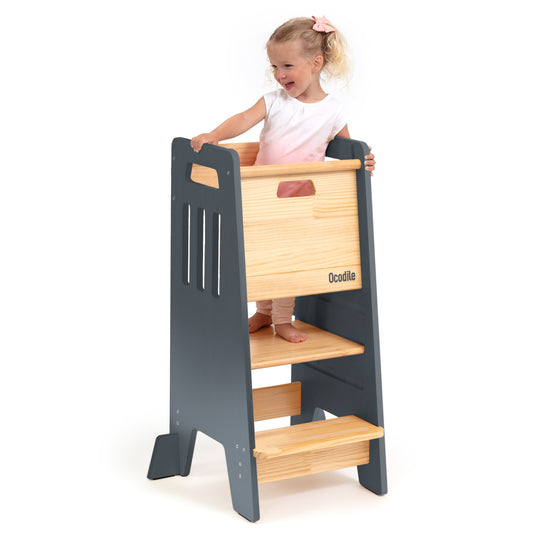
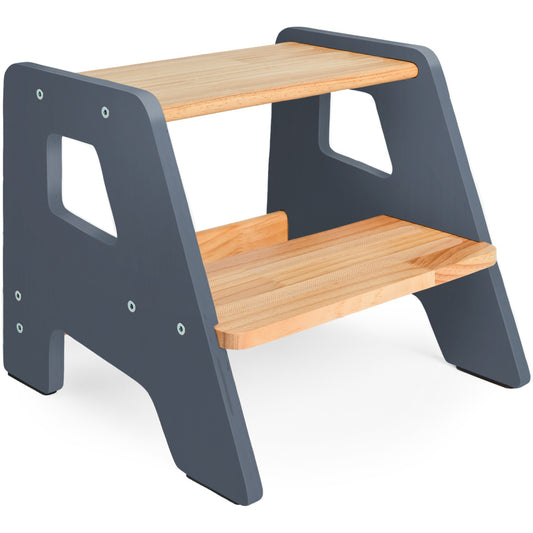
The focus shifts toward practical life skills and refining motor control. This is where you'll see tiny tables and chairs for self-feeding, small pitchers for pouring water, and low hooks so they can hang up their own coats. A learning tower in the kitchen is a game-changer, allowing them to participate in real family life, like washing vegetables or stirring batter.
Every activity has a purpose, helping toddlers develop concentration, coordination, and a real sense of confidence. For families looking to weave their specific cultural or religious values into this framework, resources like the Montessori Muslim approach for a 0-3 year old home environment offer a beautiful, complementary perspective.
Ultimately, this stage isn’t about pressure. It’s about providing purposeful activities that turn their natural curiosity into joyful, hands-on learning.
Starting Montessori from Age 3 to 6
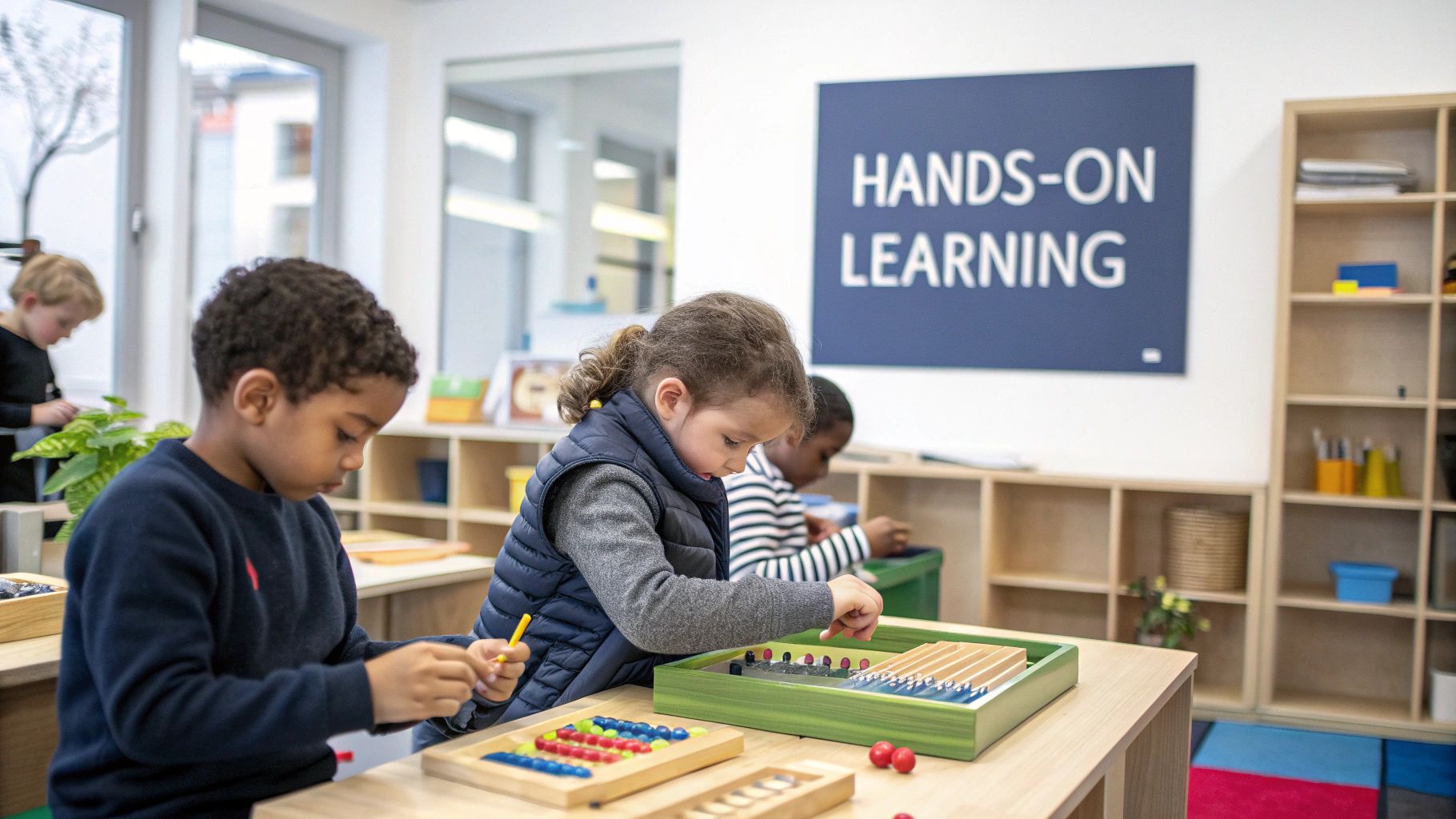
Many parents and educators will tell you that the years between three and six are the golden window for starting Montessori. While the first three years are all about soaking everything in like a little sponge, this next stage is where the conscious mind really kicks into gear. Their curiosity just explodes, and they start actively trying to make sense of the world around them.
This is the most popular time for families to join a Montessori program, and for very good reason. The curriculum is perfectly synced up with a child’s natural urge to organize, classify, and understand the "why" behind absolutely everything. They aren't just passively absorbing their environment anymore; they are now deliberately using their hands and minds to figure it all out.
Inside the Children’s House Classroom
The classroom for this age group is called the Children’s House, and it’s a vibrant, thoughtfully arranged space. One of its most important features is the mixed-age group, where three, four, and five-year-olds all learn side-by-side in one big community. This isn't just a happy accident—it’s a core part of the entire philosophy.
What you get is this beautiful, miniature society. The younger kids learn so much just by watching their older peers, and the older ones step into leadership and mentorship roles by helping the little ones. It builds a powerful sense of community and collaboration that’s really hard to find in a traditional, single-age classroom.
This unique social dynamic is a huge reason why the answer to what age to start Montessori so often points to this period. All around the world, most Montessori schools offer programs starting at age three, making the Children’s House the most common classroom setup you'll find. In fact, Montessori education is now active in 154 countries, with places like the United States, China, and Germany leading the way. You can dig deeper into its global footprint in the 2022 Global Montessori Census.
The Four Core Learning Areas
The Children’s House curriculum is built around four key areas that all tie together, each designed to meet very specific developmental needs. The materials themselves are hands-on, self-correcting, and just plain irresistible to a young child.
- Practical Life: These are the simple, everyday activities—things like pouring water, spooning beans, buttoning a shirt, or scrubbing a table. They might seem basic, but they are incredibly powerful. These tasks help build concentration, fine motor skills, and a real sense of independence, which creates the foundation for all future academic work.
- Sensorial: Dr. Montessori created some truly beautiful materials to help children sharpen their senses. Through this work, kids learn to tell the difference between sizes, weights, colors, textures, and sounds. This helps them build mental order and gives them a solid base for understanding more abstract concepts in math and language later on.
The hand is the instrument of the mind. In Montessori, children don't just hear about abstract ideas; they touch, feel, and manipulate them. A child who has physically held and stacked the Pink Tower understands the concept of dimension in a deep, concrete way that a worksheet could never teach.
- Language: Language skills absolutely take off during this time. The curriculum starts by enriching their vocabulary and then moves on to understanding letter sounds with Sandpaper Letters, building words with the Moveable Alphabet, and, before you know it, reading and writing.
- Mathematics: The Montessori math materials are legendary. Children use tangible items like number rods and golden beads to physically grasp concepts like quantity, place value, and the four main operations (addition, subtraction, multiplication, and division). They don't just learn to count; they learn what numbers actually mean.
Starting Montessori between three and six puts a child right in the middle of an environment that's perfectly timed to meet their developmental surge in logic, social skills, and academic curiosity. It’s a time when their love for learning can truly take root and blossom for a lifetime.
How to Choose the Right Montessori Program
So, you’ve landed on the right age to start your child on their Montessori journey. The next big step is finding a program that truly lives and breathes the philosophy. This can be trickier than it sounds.
Because the name "Montessori" isn't trademarked, the quality and authenticity of schools can be all over the map. It’s crucial to look past the name on the door and get a real feel for what’s happening inside the classroom.
A great starting point is to check for accreditation. Look for affiliations with established organizations like the Association Montessori Internationale (AMI) or the American Montessori Society (AMS). These credentials are a good sign that the school holds itself to high standards for teacher training, classroom materials, and educational principles.
What to Observe During a School Tour
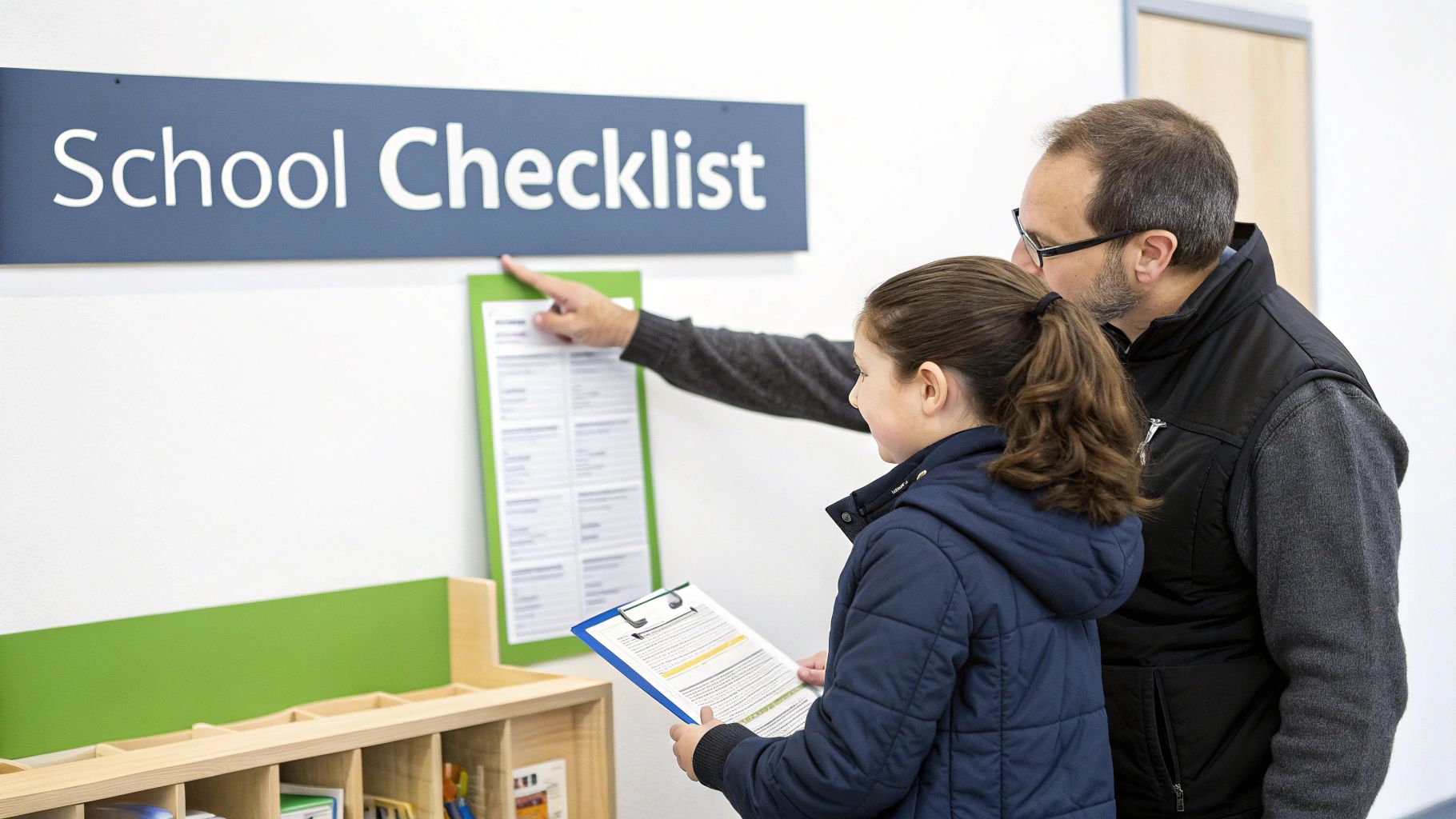
Honestly, visiting a potential school is the most important part of your research. A classroom tour is your chance to see the environment your child will experience firsthand. Go in with a curious mind and just observe. Pay attention to the overall vibe and the interactions happening around you.
Here’s a practical checklist of what to keep an eye out for:
- A Prepared Environment: Does the classroom feel calm, orderly, and inviting? Are the learning materials displayed on low, accessible shelves, encouraging children to choose their own "work"?
- Child-Led Activity: Look at the kids. Are they busy with a variety of activities, working alone or in small groups? You’re looking for a calm, purposeful hum—not chaos.
- Role of the Guide: Watch the teacher, who is called a "guide" in Montessori. Are they leading a lecture at the front of the room, or are they moving quietly, giving individual lessons and observing the children?
- Freedom Within Limits: Children should be free to move and choose their work, but there should also be clear ground rules for respectful behavior. You might even hear a child kindly say, "Here is a warning, you are encroaching on my personal space," which is a great sign of learned self-advocacy!
The most authentic Montessori classrooms are spaces where children are deeply respected as individuals. The guide acts as a facilitator, not an instructor, trusting each child's intrinsic motivation to learn and explore.
For families wanting to create a similar feel at home, our guide on Montessori education at home has a ton of practical tips.
Important Questions for the School Director
After your observation, you'll probably get to chat with the school's director. This is your chance to dig a little deeper and ask questions that get to the heart of the school's values and how they operate day-to-day.
Here are a few essential questions to get the conversation started:
- What kind of Montessori training and certification do your lead guides have?
- How do you handle discipline and help children resolve conflicts?
- What is the teacher-to-student ratio in the classroom?
- How does the school keep parents involved and informed?
- What is your approach to helping older children transition into the program?
Beyond the curriculum, try to find a program that also focuses on character development and a positive attitude toward learning, like cultivating a growth mindset in children. Finding a school that really aligns with your family’s values is the true key to a great partnership.
A Few Common Questions About Getting Started
It's totally normal to have a few lingering "what if" scenarios playing out in your head. Choosing an educational path for your child is a big decision, and it’s smart to consider all the angles. To help clear up any final uncertainties, we’ve put together some of the questions we hear most often from parents.
Our goal is to give you that last bit of confidence you need to make the best choice for your family. Let's get into it.
Is It Too Late to Start Montessori If My Child Is Older Than 4?
Not at all. While starting young aligns perfectly with what Montessori called the "absorbent mind," kids are incredibly resilient and adaptable. An older child stepping into a Montessori classroom for the first time will still get so much out of the experience.
A good Montessori guide is an expert at observing each child as an individual. They’ll meet your child exactly where they are, introducing materials and ideas that fit their developmental level, not just their age. The mixed-age classroom is a huge help here; older kids model the routines, and your child gets the chance to be a leader to the younger ones.
How Will My Child Transition From Montessori to a Traditional School?
This is probably the most common worry we hear, but rest assured, Montessori kids are usually very well-prepared for this change. The entire method is built to foster skills that are invaluable in any school setting.
Just think about the skills they’re building every day:
- Independence and Self-Motivation: They know how to manage their time and follow their own curiosity.
- Strong Problem-Solving Abilities: All that hands-on work teaches them to think critically and figure things out for themselves.
- A Genuine Love of Learning: They see learning as an exciting adventure, not a chore.
The biggest adjustment is usually the shift to a more structured, teacher-led classroom. You can make this transition smoother by simply talking with your child about the new school’s routines ahead of time. Both anecdotal evidence and formal studies show that Montessori alumni adapt well and often thrive in traditional schools.
At its core, Montessori education is about developing the whole child. The confidence, adaptability, and collaborative spirit they build are assets that will serve them their entire lives, no matter where they go next.
My Child Is Very Active and Social. Is Montessori a Good Fit?
Yes, it can be a fantastic environment for them. The whole philosophy of "freedom within limits" is practically designed for kids who need to move. A traditional classroom often expects children to sit still for long periods, but a Montessori classroom encourages purposeful movement.
Kids are free to walk around the room, choose their work, and engage with materials that genuinely interest them, channeling all that energy constructively. Social interaction is also a huge part of the experience. They work together on projects, teach each other, and practice "grace and courtesy" in their daily interactions.
Can I Use Montessori Principles at Home If I Cannot Afford a School?
Absolutely! Montessori is so much more than a school—it's a way of looking at child development that you can easily bring into your home. The main idea is to create a "prepared environment" that encourages independence.
This doesn't have to be complicated or expensive. It can be as simple as:
- Setting up a low shelf with a few well-chosen toys.
- Getting a small, child-sized table and chair for snacks and activities.
- Using a learning tower so your child can safely "help" you in the kitchen.
You empower them every time you let them try to dress themselves, give them a real role in household chores, or let them make simple choices. The key is to respect their desire to do things for themselves and support their natural drive to be part of the family's world.
At Ocodile, we believe in creating spaces that empower children to learn and grow with confidence. Our thoughtfully designed furniture, from sturdy standing towers to accessible floor beds, helps you build a safe and inspiring Montessori-inspired environment right at home. Explore our collection to find the perfect pieces to support your child's journey toward independence at https://ocodile.com.