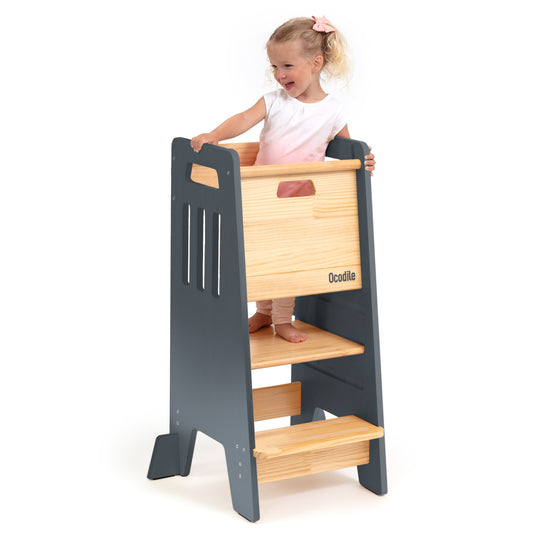


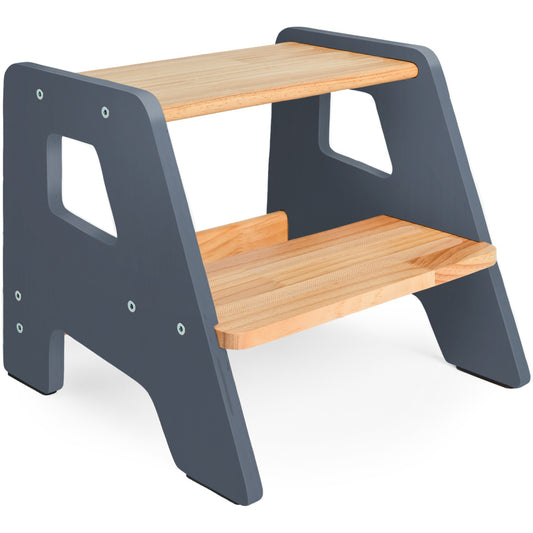


What Is a Montessori Bedroom and How Does It Empower Your Child
Think about the typical nursery. It’s often designed more for the parent's convenience and aesthetic than for the baby living in it. A Montessori bedroom flips that script entirely. It’s a space built from the ground up, all from your child’s perspective.
Defining the Montessori Bedroom An Environment Built for Your Child
The goal is to create a calm, empowering, and safe environment—a "yes space"—where your little one can explore their world freely. This isn't about a specific color palette or a brand of furniture; it's a philosophy that puts your child's natural development front and center.
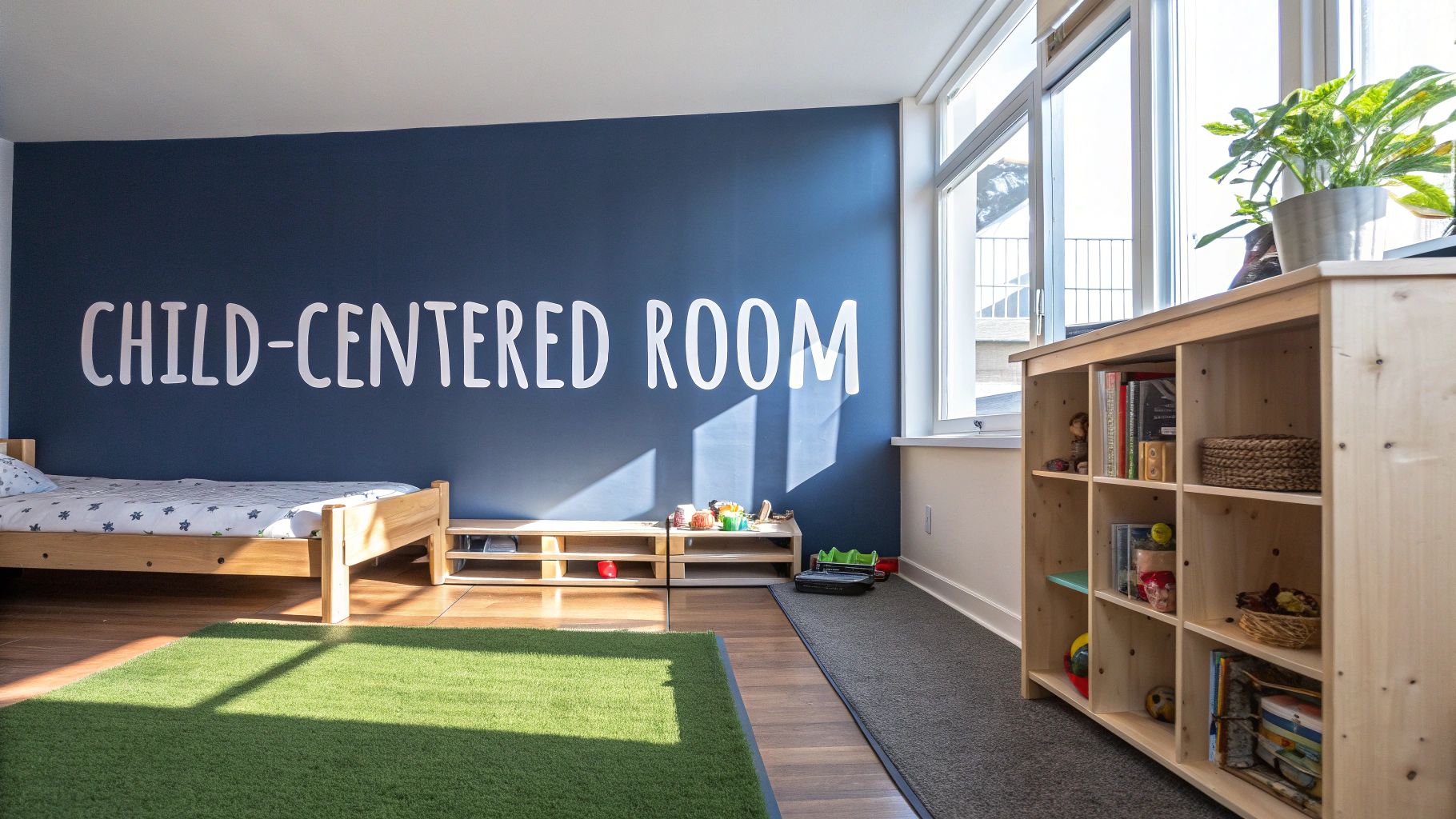
Everything in the room is intentionally placed within your child's reach and sized for their small hands and bodies. It all boils down to three simple, yet powerful, ideas:
- Freedom of Movement: Instead of being confined to a crib, children sleep on a floor bed. This simple switch honors their natural urge to move, allowing them to get in and out of bed on their own terms.
- Accessibility: Toys, books, and even clothes are stored on low, open shelves or in child-sized wardrobes. This empowers them to make their own choices, play independently, and even help with tidying up.
- Purposeful Order: The room is kept simple and uncluttered. Everything has a designated home, which creates a predictable and calming atmosphere. This external order helps children develop focus and an internal sense of organization.
It’s an approach that’s catching on fast. As more parents see the benefits, the global market for Montessori floor beds is expected to hit an incredible $550 million by the end of 2025. It marks a real shift towards empowering toddlers as young as 6 months old with furniture that fosters confidence. You can discover more insights about this growing market trend.
Key Differences from a Traditional Nursery
So, what really separates a Montessori room from a standard nursery? The core difference lies in who the room is designed for. A traditional nursery often caters to the adult, while a Montessori room is all about empowering the child.
To make this clearer, let's break down the main differences side-by-side.
Traditional Nursery vs. Montessori Bedroom A Quick Comparison
| Feature | Traditional Nursery | Montessori Bedroom |
|---|---|---|
| Primary Goal | Convenience for the parent; designed from an adult's perspective. | Independence for the child; designed from a child's perspective. |
| Bed | Crib with high rails, restricting movement. | Floor bed, allowing freedom of movement and autonomy. |
| Furniture | Adult-sized (tall dressers, changing tables, rocking chairs). | Child-sized (low shelves, small tables, accessible wardrobes). |
| Toy Storage | Large toy box where items are mixed together. | Low, open shelves with a limited selection of toys on display. |
| Overall Vibe | Often heavily decorated and stimulating, sometimes cluttered. | Minimalist, calm, and orderly to promote focus and peace. |
At the end of the day, the contrast is stark. A crib keeps a child contained until a parent decides it's time to get up. A floor bed respects the child's own sleep and wake rhythms. A tall, heavy dresser is an obstacle, but low, open shelves are an invitation to learn and explore.
It’s this fundamental change in perspective that transforms a simple bedroom into a space that works with your child’s development, not against it.
The Philosophy Behind a Montessori Environment
To really get what makes a Montessori bedroom so special, you have to look past the cute furniture and tap into the core philosophy shaping the space. This isn't about following the latest decorating trend; it’s about a deep, genuine respect for the child as a capable, independent person right from day one. That perspective, pioneered by Dr. Maria Montessori, is the real foundation for every choice you make in the room.
At its heart, the whole idea rests on the belief that children are naturally wired to learn and grow. Our job as adults isn’t to direct that growth, but to carefully prepare an environment that makes it possible. This is where the concept of the "prepared environment" comes in. Think of it as setting the stage for discovery.
Just like a gardener doesn't force a seed to sprout but gives it the right soil, water, and sun, a parent prepares the bedroom to meet their child’s developmental needs. This means every object has a purpose and a designated spot, which creates a sense of order and calm that helps a child focus and feel secure.
Respecting the Child's Inner Drive
One of the most important principles is "respect for the child." This goes way beyond just being kind; it’s about trusting in their innate abilities and their unique developmental timeline. Take a traditional crib, for example. It physically contains a child until an adult decides it's time for them to get out.
The Montessori approach flips this on its head. It asks: "Why should a child's freedom of movement be limited?" By offering a floor bed, we trust them to listen to their own bodies—to get up when they are truly awake and go back to rest when they are tired.
This simple act of trust is incredibly empowering. It sends a powerful message that their needs and instincts are valid. And this principle doesn't stop with the bed; it touches every single element in the room.
- Accessible Shelving: Low, open shelves respect their ability to make their own choices and start playing without needing you to hand them a toy.
- Child-Sized Furniture: A tiny table and chair honor their physical size, letting them sit and engage in activities comfortably and without help.
- Simple Wardrobes: A low-hanging rail with just a few clothing options respects their budding desire to dress themselves, turning a daily routine into a lesson in autonomy.
Each of these choices is a practical way to show a deep-seated respect for your child's journey. You can learn more about bringing these ideas into your daily life by exploring the principles of Montessori education at home. Once you understand the philosophy, the Montessori bedroom stops being just a collection of items and becomes a dynamic space that nurtures a confident, curious, and independent little human.
Core Elements of a Montessori Bedroom
So, how do you take this beautiful philosophy and turn it into a real-life room? It really comes down to a few thoughtful pieces of furniture and design choices. Each one is picked not for how it looks, but for what it does for your child—how it empowers them.
Think of these core pieces as the building blocks for creating a world of independence, respect, and calm.
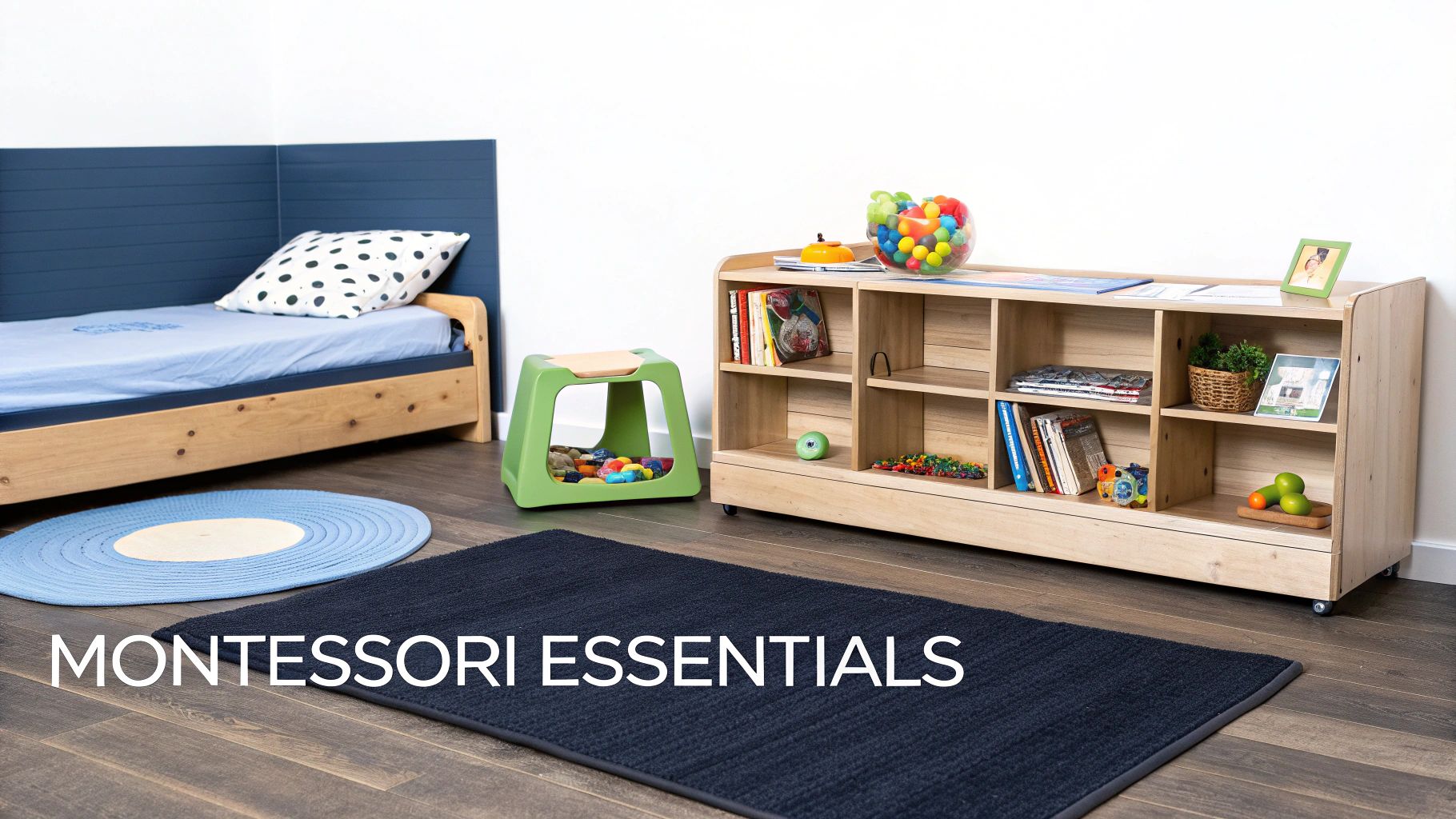
The most recognizable feature, by far, is the floor bed. Instead of a high, confining crib, a simple mattress on a low frame—or even right on the floor—gives your child total freedom to get in and out of bed on their own. This simple change respects their natural sleep cycles and builds autonomy right from the start.
And this isn't just a niche trend anymore. The Montessori furniture market is booming, expected to jump from $1.5 billion in 2024 to $2.7 billion by 2033. It’s driven by parents who want to bring that accessible, child-led environment home. A 2024 survey found that 62% of parents are looking to do exactly that.
Accessible Storage for Independent Play
Another game-changer is low, open shelving. We’ve all seen the giant toy box—a chaotic pit where favorite things get lost and forgotten. Open shelves are the complete opposite. They present a small, carefully chosen selection of toys and books in a neat, orderly way.
This simple setup does two huge things for your child:
- It encourages choice: They can clearly see all their options and pick what they want to play with. This is a mini-lesson in decision-making, repeated every day.
- It teaches order: When everything has a designated spot, kids naturally learn to put things back where they belong. It’s the first step toward building responsibility and a sense of organization.
Child-Sized Furniture for Everyday Tasks
To truly make a space feel like theirs, the furniture needs to fit their little bodies. This is why a Montessori room is filled with child-sized pieces. We’re talking about a small wardrobe with a low-hanging rod so they can choose their own clothes and practice getting dressed.
A small table and chair create a dedicated 'work' space. This isn't about homework; it's a spot for focused fun like drawing, puzzles, or exploring sensory toys. Having a space that’s just their size sends a powerful message of respect and makes it much easier for them to concentrate.
This thinking goes into every detail. A low mirror helps them see themselves and develop self-awareness. A cozy reading nook with forward-facing bookshelves makes stories impossible to resist.
By making their whole environment accessible, you’re not just decorating a room; you’re removing the obstacles that get in the way of their natural curiosity. If you're looking for more ideas, check out our complete guide to Montessori bedroom furniture. Each piece works together to create a space that supports your child’s growth, every single day.
Creating a Safe Space for Independent Exploration
The incredible freedom a Montessori bedroom gives your child is its biggest benefit, but that freedom only works hand-in-hand with top-notch safety. Since everything is within reach, your job is to turn the entire room into a safe bubble for their curiosity to flourish. This is what we call creating a “yes space.”
Think of it as an environment where your child can touch, open, and explore anything they can get their hands on without you ever having to say “no.” It’s a game-changer. Instead of constantly redirecting your little one away from danger, you’re creating a space where their natural drive to explore is not just allowed but actively protected. This builds a powerful sense of trust and confidence in them, teaching them their environment is a reliable and safe place to be.
The Foundation of a Safe "Yes Space"
Childproofing a Montessori room is so much more than just popping in a few outlet covers. You have to get down on your hands and knees and see the world from their perspective. What looks tempting to pull on? What seems climbable? The goal is to spot and neutralize any potential hazard before it becomes a problem, making sure their independent play is always secure.
A huge part of this is making sure every item is both safe and accessible. You can learn more about how to choose kid-friendly furniture that fits this philosophy.
Here are the safety steps that are absolutely non-negotiable:
- Anchor All Furniture: Even low shelves and small wardrobes can be a tipping hazard if a determined toddler decides to climb them. Always, always secure every single piece of furniture to the wall with anti-tip kits.
- Manage Cords and Outlets: Every electrical outlet needs a childproof plate or a sliding cover. Make sure there are no dangling blind cords or loose wires from lamps or baby monitors anywhere they can reach.
- Choose Non-Toxic Materials: Stick with furniture, toys, and paint that have low or zero volatile organic compounds (VOCs). Babies and toddlers explore with their mouths, so everything in their space needs to be made from safe, non-toxic materials.
- Eliminate Hidden Hazards: Take down any heavy wall art from above the bed, do a sweep for any small items that could be a choking risk, and make sure any toy chests are either lid-free or have modern safety hinges that prevent slamming.
The core idea is simple: if your child can reach it, it must be safe. A properly prepared "yes space" eliminates the need for constant supervision and correction, allowing your child to develop independence in a truly secure setting.
To help you get started, we've put together a checklist to guide you through the process of securing your child's room.
Your Montessori Bedroom Safety Checklist
This checklist breaks down the most critical safety areas to address. Work through it step-by-step to make sure no stone is left unturned in creating a truly safe environment for independent exploration.
| Safety Area | Action Item | Why It's Important |
|---|---|---|
| Furniture & Heavy Items | Secure all dressers, shelves, and wardrobes to the wall with anti-tip kits. | Prevents furniture from toppling over if a child climbs or pulls on it. |
| Electrical Safety | Cover all unused electrical outlets with sliding covers or safety plates. | Protects curious fingers from electrical shock. |
| Cord Management | Tie up and secure all blind cords and electrical wires out of reach. | Eliminates strangulation and tripping hazards. |
| Material Safety | Choose furniture and toys made from non-toxic, child-safe materials (e.g., low-VOC paint). | Babies and toddlers often explore by mouth; this prevents ingestion of harmful chemicals. |
| Sleep Area | Ensure the floor bed is away from walls and furniture; no heavy blankets or pillows. | Reduces suffocation risks and prevents entrapment. |
| Choking Hazards | Remove all small toys, loose parts, and objects smaller than a choke tube from the room. | Prevents accidental choking on small items. |
| Windows & Doors | Install window guards or stops; use doorknob covers if unsupervised access is a concern. | Prevents falls from windows and keeps children from wandering out of the room. |
By meticulously preparing the room, you create more than just a bedroom—you create a sanctuary for learning and growth.
For a deeper dive into the sleep area specifically, check out our complete guide on ensuring Montessori floor bed safety.
Adapting the Room as Your Child Grows
A Montessori bedroom isn't a "set it and forget it" project. Think of it more like a living space that grows and changes right alongside your child. What works for a curious infant who can barely roll over is completely different from what a capable, confident preschooler needs.
The real magic is in making small, thoughtful adjustments over time. This keeps the room a supportive “yes space” through every new milestone, from their first wobbly attempts to sit up to their first steps toward real independence.
From Infant Simplicity to Toddler Exploration
For an infant (0-12 months), the focus is all about safety, sensory calm, and the freedom to move. The room should feel simple and uncluttered. A floor bed is perfect because it lets them see the world from their own level, and a simple, high-contrast mobile offers just enough visual stimulation without being overwhelming. It’s their calm little sanctuary.
Once your baby becomes a toddler (1-3 years), their world just explodes. They’re mobile, they’re curious, and they want to touch everything. Now’s the time to bring in low, open shelving with a small, carefully chosen selection of toys. A great trick is to start a toy rotation—swapping out 6-8 items every week or so. This keeps things fresh and interesting without creating the kind of clutter that overwhelms them. You can also introduce simple practical life items, like a small basket with a brush and dustpan, to satisfy their natural desire to copy what you do.
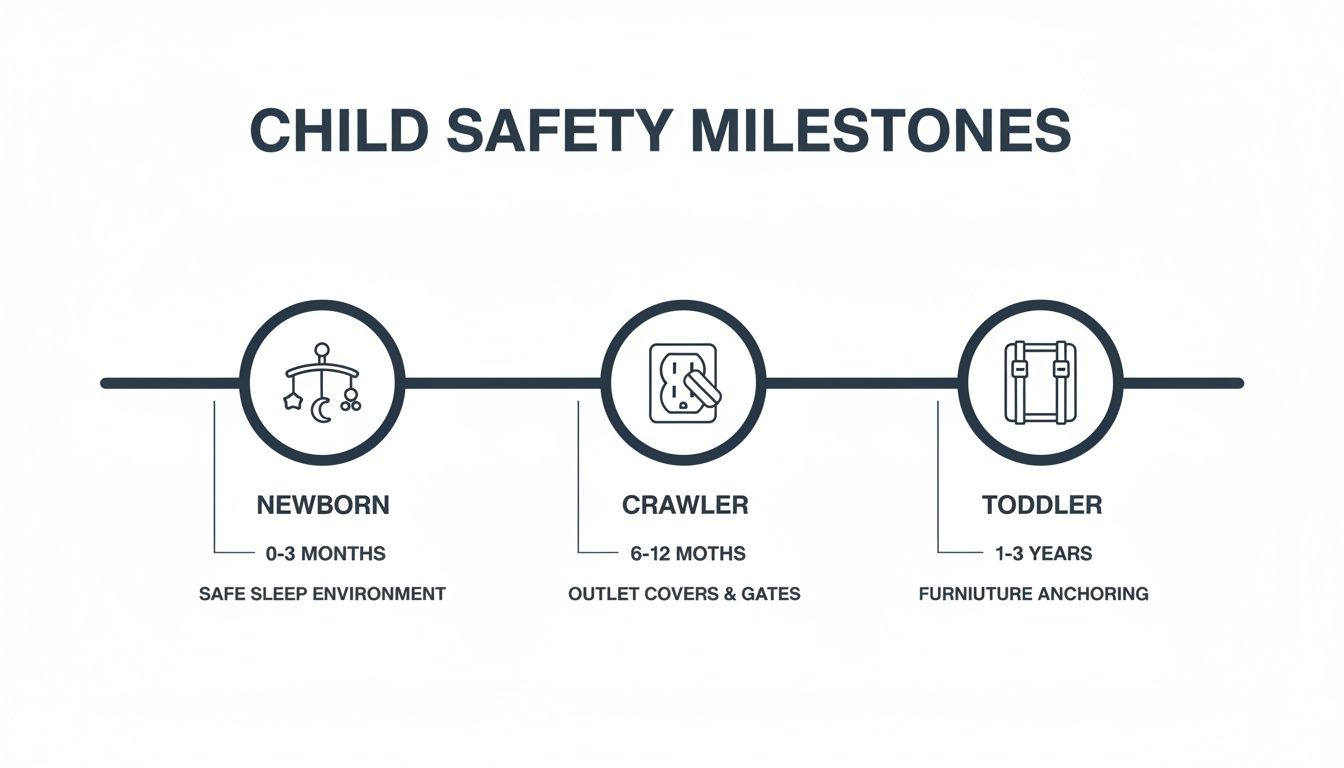
As your child’s physical skills grow, your room-proofing has to expand right along with them to keep the space safe for their new adventures.
Nurturing the Capable Preschooler
By the preschool years (3-5 years), your little one is ready for more responsibility and more complex activities. Their bedroom can now support their budding creativity and sense of order. This is the perfect stage to add a child-sized table and chair, creating a dedicated “work” space for puzzles, drawing, or crafts.
Their wardrobe can get an upgrade, too. With a few accessible outfits laid out, they can start picking out their own clothes—a huge step toward self-care. It's also worth thinking about the smaller details. Considering allergy-friendly bedding options can make a big difference, creating a healthier sleep environment and reducing potential allergens as your child spends more time independently in their room.
The beauty of the Montessori approach is its flexibility. The environment is never 'finished'; it is a dynamic reflection of your child's growth, continuously adapted to support their next developmental leap.
By making these intentional shifts, you’re not just redecorating. You’re ensuring the bedroom remains a perfectly prepared environment that respects how far they’ve come while getting ready for all the amazing things they're about to do.
Common Missteps to Avoid in Your Setup
Setting up a Montessori bedroom is an exciting project, but it's easy to get sidetracked. A few common mistakes can pop up that actually work against your goal. By knowing what they are, you can create a space that genuinely supports your child’s growth.
One of the biggest traps is over-cluttering. It almost always comes from a place of love—we want to give our children everything! But a room packed with toys can be overwhelming for a little one. Instead of encouraging deep, focused play, it just creates visual noise and makes it hard for them to concentrate on any single activity.
Choosing Form Over Function
Another easy mistake is picking furniture that looks Montessori without actually being functional for a child. A shelf might be low to the ground, but if a toddler can't easily grab a toy from it or put it back, it's missing the entire point. The goal isn't just to copy a look from a catalog; it's to give your child real, practical access to their own things.
The core principle is empowerment, not expense. An effective Montessori bedroom is defined by its thoughtful design and respect for the child’s independence, not by the price tags on its furniture.
Finally, don't fall for the idea that this has to be an expensive undertaking. You absolutely do not need fancy, designer-brand furniture to bring Montessori principles to life. Some of the most effective solutions are the simplest and most budget-friendly, like a floor mattress and some low, repurposed shelves. What a Montessori bedroom is truly about is fostering autonomy and respect—and that's something you can achieve on any budget.
Frequently Asked Questions
Thinking about setting up a Montessori bedroom often brings up a few key questions. We get it. Here are some straightforward answers to the things parents most often ask, hopefully giving you the clarity you need to get started.
When Is the Right Age to Start a Montessori Bedroom?
Honestly, you can start from day one. Many parents introduce a floor bed after the bassinet stage, usually around 5-6 months old or right when their little one starts to become mobile.
The most important thing is to make sure the room is completely baby-proofed before you make the switch. The core ideas—accessibility, independence, and a sense of order—can be adapted for any age, from the earliest infant days right through the preschool years.
Will My Toddler Constantly Get Out of a Floor Bed?
This is the big one, isn't it? Yes, there might be a short adjustment period where your toddler tests out their newfound freedom. But think of it as a natural learning moment, not a forever problem.
Most kids, with a consistent and calming bedtime routine, quickly learn that their bed is a peaceful place for rest. The freedom to get up and move around often reduces those classic bedtime power struggles you see with cribs because they no longer feel "trapped."
The goal is to build trust in their natural rhythms. When a child feels respected and has autonomy over their own body, they are more likely to cooperate with sleep routines rather than resist them.
How Do I Keep the Room Tidy and Uncluttered?
Toy rotation and "a place for everything" are your two best friends here. It’s simpler than it sounds.
Use low, open shelves and only put out a small selection of toys—maybe 6-8 items at a time. Keep the rest stored away and swap them out every week or two. This keeps their interest high without overwhelming them (or you!).
Getting your toddler involved in tidying up from an early age is also a game-changer. It helps them build a natural sense of order that will stick with them for years to come.
At Ocodile, we design beautiful, child-safe furniture that brings these principles to life. Explore our collection of floor beds and other essentials to create a supportive and empowering space for your little one at https://ocodile.com.