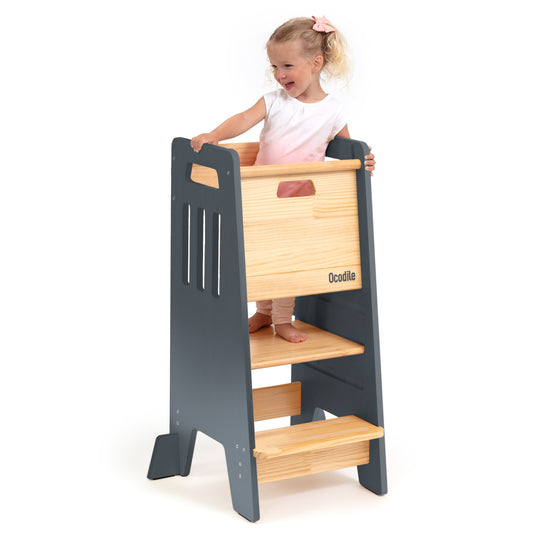


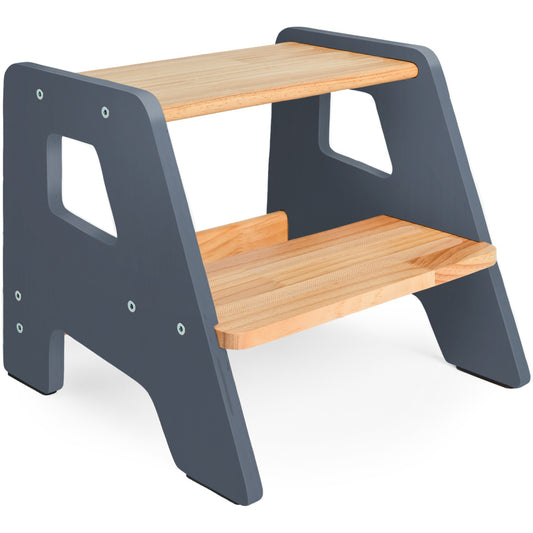


The Ultimate Guide to a Kids Table with Bench
A kids table with bench isn't just a shrunken-down version of your dining set. It's your child's very first personal headquarters—a dedicated launchpad for creativity, independence, and making memories.
Your Guide to the Perfect Kids Table with Bench

Think of a kids table with a bench as a world built just for them. It’s a space perfectly scaled for their size, where they can confidently tackle puzzles, create crayon masterpieces, or just have a snack without needing a booster seat. This fosters a powerful sense of self-reliance right from the start.
This dedicated zone is a game-changer for parents, too. It’s a fantastic way to contain the creative chaos, keeping paint, play-doh, and glitter off the grown-up furniture. Plus, the bench seating neatly tucks away, a clever space-saving solution for busy homes where every square foot matters.
Why Choose a Bench?
When you're creating a nurturing space for your child, every piece of furniture counts. A kids table with a bench brings some unique advantages that go far beyond looks, making it a smart investment in their development and your home’s flow.
Here’s a quick look at the core benefits.
Key Benefits of a Kids Table with Bench at a Glance
This table summarizes the core advantages of choosing a kids table with bench seating for your child's space.
| Benefit | Description |
|---|---|
| Fosters Social Skills | The shared seating of a bench naturally encourages collaboration, teaching kids to share space during playdates and sibling activities. |
| Promotes Independence | A child-sized table empowers them to sit, stand, and work on activities without needing adult help, building confidence. |
| Saves Valuable Space | Benches tuck neatly under the table, making it an ideal choice for smaller rooms, apartments, or multi-use play areas. |
| Offers Seating Flexibility | A bench can comfortably accommodate more children than individual chairs, making it perfect for hosting friends or growing families. |
Ultimately, a bench encourages little ones to learn how to navigate a shared space, a skill they’ll use forever.
A Growing Market Focused on What Matters
It’s no surprise that the demand for thoughtful children's furniture is on the rise. The global kids' furniture market was valued at USD 31.19 billion in 2025 and is expected to climb to USD 94.68 billion by 2034.
This growth isn't just about trends; it's driven by parents who are prioritizing safety and developmental benefits. In fact, a staggering 70% of parents say safety is their number one concern when buying furniture for their kids. You can dive deeper into these market trends at Fortune Business Insights.
This shift explains why a well-designed kids table with a bench is becoming a staple. While benches are fantastic for collaborative play, it's always good to explore all your options. For some activities, a durable set like a circular table and chairs can offer wonderful versatility.
If you're curious about different setups, you might find our guide on choosing a kids table and chairs set helpful.
Why Bench Seating Is a Game Changer for Kids

When you’re setting up a creative space for your kids, you probably picture a table with a few little chairs. But swapping those separate chairs for a simple bench can completely change the way your children play and connect. It’s like the difference between sitting on individual stools versus sharing a cozy couch—the bench naturally brings everyone together.
This simple shift makes a kids table with bench a fantastic tool for social growth. It creates a little world where working together isn't just an option; it's the natural way to do things.
Encouraging Social Skills and Cooperation
A bench gives kids a safe, low-stakes environment to practice essential social skills. When siblings team up on a puzzle or friends gather for craft time, they have to figure out how to share their personal space. It’s a very real, hands-on lesson in cooperation and spatial awareness.
Unlike individual chairs that create personal bubbles, a bench builds a sense of togetherness. Children learn to scoot over to make room for a friend, share their art supplies, and speak up about their needs. It effortlessly turns what could be a solo activity into a shared one.
A bench is more than just a place to sit; it’s a tool for teaching teamwork. By sharing a physical space, children naturally develop empathy and cooperation, laying the groundwork for positive social interactions throughout their lives.
There’s a reason this style of seating is gaining so much traction. The market for kids' bench seating hit around USD 2.5 billion in 2023 and is expected to almost double. This boom is fueled by a growing understanding of its developmental upsides, as studies show group play can boost social skills by up to 25%. You can dive deeper into these kids bench seating market trends.
The Practical Perks for Parents
While the developmental wins for kids are huge, a kids table with bench is also a major plus for parents. The clean, simple design brings a lot of practical benefits that make your day-to-day life a bit easier and your home a lot tidier.
Here’s a look at the key advantages for your household:
- Effortless Cleaning: With way fewer legs to work around, cleaning up crumbs and glitter is so much faster. You can sweep or vacuum the whole area in one go without having to move a bunch of tiny chairs.
- Space-Saving Design: When playtime is over, the bench tucks completely under the table. This frees up a surprising amount of floor space, making it perfect for smaller homes, apartments, or rooms that pull double duty.
- Flexible Seating: A bench is wonderfully forgiving. It can easily squeeze in an extra friend who pops over for a playdate or accommodate siblings as they grow, all without you needing to buy more furniture.
This blend of social-emotional support for your child and real-world practicality for you is what makes bench seating such a smart choice. It’s furniture that genuinely works for everyone in the family, supporting your child’s growth while keeping your home functional and harmonious.
Choosing Materials for Safety and Durability
Picking the right material for your kids table with bench is a big decision. It’s not just about looks; it’s about your child’s safety, how long the furniture will last, and frankly, how easy it is for you to clean up after messy art projects.
Parents are definitely prioritizing this more and more. Recent insights show that 85% of parents are looking for furniture that helps their kids play independently, and 55% lean towards wood for its sturdiness and eco-friendly vibe. Safety is king, with 90% of top-rated kids' furniture having rounded edges and non-toxic finishes to give parents peace of mind. You can see more of these kids' furniture market insights at GMI.
So, let's get into the most common materials to help you figure out what’s best for your family.
Understanding Your Material Options
Every material has its own personality. Solid wood is the timeless classic, engineered wood is a smooth canvas for color, and plastic is the lightweight, easy-peasy option. Knowing the good and the bad of each will point you in the right direction.
-
Solid Wood (like Pine, Birch, or Beech): This is often seen as the gold standard, and for good reason. It's incredibly strong, you can sand down and repair scratches, and it holds its value. On the flip side, it’s heavier and usually costs more. Softer woods like pine can also show dings and dents from enthusiastic play.
-
Engineered Wood (MDF & Plywood): Medium-Density Fiberboard (MDF) is super popular because it's wallet-friendly and gives you a perfectly smooth surface for painting. High-quality plywood is also a fantastic choice, known for being surprisingly strong and stable. The most important thing here is to make sure it’s made with low- or zero-VOC (Volatile Organic Compounds) binders.
-
Plastic: You can't beat plastic for being lightweight, budget-friendly, and available in a rainbow of bright, fun colors. It’s also a dream to wipe clean. The trade-off is that it can be less stable than wood and might not have the same staying power or classic look.
Thinking about materials also means thinking about how they're finished. This is a huge piece of the safety puzzle. If you want to dive deeper, we have a complete guide on what to look for in non-toxic kids' furniture.
Decoding Finishes and Safety Features
The wood or plastic is just one part of the story. The finish—the paint or sealant—is what your child will actually be touching, so it matters just as much. A "non-toxic" label should be your first checkpoint.
Always look for finishes that are water-based and free from VOCs. These are chemicals that can be released into the air from paints, and in a child’s room, less is always more.
A truly safe piece of furniture thinks about every little detail. It’s not just about strong legs; it’s about the smooth, rounded corners that prevent bumps and the non-toxic sealant that keeps your child safe when their snack inevitably lands on the table.
Here’s a quick checklist of what to look for when you’re shopping:
- Rounded Edges and Corners: This is a non-negotiable. Sharp corners are just asking for bumps and bruises, so seek out smooth, curved designs.
- Splinter-Free Surfaces: Run your hand over the tabletop and bench. It should feel completely smooth. No one wants playtime interrupted by a nasty splinter.
- Sturdy Construction: Give it a little wiggle. The table and bench should feel solid, with no wobbling. Strong joints are a sign of good craftsmanship that’s built to last through years of wiggles, leans, and creative chaos.
Material Comparison for Your Kids Table and Bench
To make it even simpler, here’s a quick comparison of the common materials you'll find for a kids table and bench, focusing on safety, durability, upkeep, and cost.
| Material | Pros | Cons | Best For |
|---|---|---|---|
| Solid Wood | Extremely durable, eco-friendly, can be refinished, holds value. | More expensive, can be heavy, softwoods can dent. | Families looking for a long-lasting, heirloom-quality piece. |
| Engineered Wood (MDF/Plywood) | Cost-effective, very smooth surface for painting, stable. | Can be damaged by water, quality varies, check for VOCs. | Creative spaces where a painted finish is desired and budget is a key factor. |
| Plastic | Lightweight, easy to clean, budget-friendly, available in many colors. | Less durable, can be less stable, may not be as eco-friendly. | Toddlers, outdoor use, or as a secondary activity table that’s easy to move. |
By taking a close look at the material, finish, and safety details, you can find a kids table with bench that’s not just a fun new spot in your home, but a safe and sturdy investment in your child's creativity.
Finding the Right Size for Every Age and Stage
We’ve all seen a kid fumbling around in shoes that are either too big or too small. The same principle applies to their furniture. A poorly sized activity table can lead to bad posture and a whole lot of frustration, turning playtime into a struggle.
The goal is to find that ergonomic sweet spot. You want your child sitting with their feet flat on the floor and their elbows resting comfortably on the tabletop at about a 90-degree angle. Getting this right prevents slouching, supports healthy development, and transforms their little corner into a proper headquarters for creativity.
Sizing Guidelines for Toddlers and Preschoolers
For your youngest, stability is everything. Toddlers are still figuring out their coordination, so a low, sturdy table and bench are non-negotiable for safe, independent use.
- Age Group: 18 months to 3 years
- Ideal Table Height: Around 18-20 inches (45-51 cm). This lets them reach across the surface without straining.
- Ideal Bench Height: Approximately 10-12 inches (25-30 cm). At this height, a toddler’s feet can plant firmly on the ground, giving them the stability to sit down and get up all by themselves.
A set in this range is perfect for floor-level fun like stacking blocks, working on simple puzzles, and making their first scribbles. It’s built to meet them exactly where they are.
Sizing for Preschool and Early School-Age Kids
As kids get bigger, their furniture needs to keep up. For preschoolers and early elementary kids, the table becomes a hub for more focused activities like drawing, practicing letters, and even starting homework.
This age group needs slightly taller dimensions to accommodate longer legs and growing torsos.
- Age Group: 4 to 7 years
- Ideal Table Height: Roughly 21-24 inches (53-61 cm). This provides plenty of legroom while keeping the work surface at a comfortable height.
- Ideal Bench Height: About 12-14 inches (30-36 cm). This ensures their feet stay grounded, which is key for maintaining good posture and focus during longer sit-down sessions.
A table at the 24-inch mark is a pretty common standard for this age, giving you a versatile piece that will last through several years of projects and growth spurts.
The Smart Investment of Adjustable Furniture
Let’s be honest, kids grow at an astonishing rate, and buying new furniture every couple of years just isn't practical. This is where adjustable-height tables and benches really shine. They adapt right alongside your child, ensuring a perfect ergonomic fit for years.
An adjustable kids table with a bench is like buying a pair of shoes that grows with your child. It's a single, sustainable investment that provides a safe and comfortable fit from their toddler scribbles to their elementary school homework.
This lifecycle visual shows exactly what we mean when we talk about investing in long-lasting furniture.

Choosing a durable, adaptable set extends its usability, which means less waste and fewer replacements. An adjustable set is a perfect example of this—it’s a smart choice for your wallet and the planet. It’s all about buying better, not more often, and making sure the furniture you choose can be a beloved part of your home for a long, long time.
Integrating Your Kids Table into Your Home Decor

Giving your kids their own activity space doesn't mean you have to surrender your home's style. With a little bit of planning, a kids table with bench can become a genuinely beautiful part of your home, not a chaotic eyesore.
The trick is to stop thinking of it as "kids' furniture" and start seeing it as another integrated piece of your living space. When you pick a piece that complements what you already have, it feels like it belongs—just like an accent chair or a piece of art.
Find the Perfect Spot
Where you put the table makes all the difference in how well it blends in. You don't need a massive, dedicated playroom to make it work. In fact, bringing it into the heart of your home often means it gets used more, encouraging family connection.
Here are a few placement ideas that really work:
- The Living Room Corner: Carve out a little nook in your main living area. A table with clean lines and a neutral color palette (think natural wood, white, or grey) that echoes your existing furniture creates a perfect "mini-me" version of your own space.
- The Kitchen Nook: This is a classic for a reason. Pop the table near the kitchen, and your kids can draw, snack, or do homework while you cook. It turns meal prep into family time and keeps them safely in sight.
- A Wide Hallway or Landing: Don't overlook those wide hallways or landings. These underused spots can become the perfect, self-contained creative zone. Add a fun, child-friendly rug to define the area visually.
No matter the location, the aim is to create a spot that feels both harmonious and functional. You can find more inspiration in our guide to playroom furniture ideas.
Stylish Storage Solutions
Let's be honest, the biggest hurdle to a stylish kids' area is the clutter. Art supplies, half-finished projects, and books can take over fast. This is where smart, attractive storage becomes your best friend.
A bench with built-in storage is a fantastic two-in-one solution, keeping everything tucked away. For everything else, look for storage that feels like real furniture, not just a stack of plastic bins.
Your storage choices are just as important as the table itself. Opting for woven baskets, minimalist floating shelves, or a small, stylish cabinet elevates the space from a simple play area to a thoughtfully designed corner of your home.
This simple shift keeps things tidy while reinforcing that integrated, intentional look.
Matching Your Home's Vibe
To make the kids' table feel like it was always meant to be there, take a moment to match it to your specific decor style.
Three Style Examples:
- For the Minimalist Home: Go for a kids table with bench in a light wood finish like birch or ash. Look for clean, simple lines with no extra fuss.
- For the Modern Farmhouse: A classic white or cream-painted table with a sturdy, simple frame fits in beautifully. You can add a cozy touch with some plaid or gingham cushions for the bench.
- For the Playful and Colorful Space: Lean into it! A table with fun, colorful legs or a brightly painted bench can look amazing, especially if your home already has bold design elements.
By consciously choosing a table that fits your style and pairing it with smart storage, you can create a beautiful, kid-friendly space that the whole family will actually love and use every single day.
Frequently Asked Questions About Kids Tables with Benches
Choosing the right furniture for your child brings up a lot of questions. Is it safe? Will it last? Is it actually practical for our family? When it comes to a kids table with bench, we've found that parents often circle back to the same handful of concerns.
We've gathered those common questions here to give you clear, straightforward answers. Think of this as the final checklist to help you feel confident you're picking a set that will become a much-loved part of your child’s world.
At What Age Should I Get a Kids Table for My Child?
The sweet spot for introducing a child-sized table and bench is usually between 18 months and 2 years old. You'll know they're ready when they're walking confidently and showing that fierce "I can do it myself!" independence. Suddenly, having their own space for drawing, stacking blocks, or eating a snack becomes a game-changer.
When you're looking, seek out a set that's low to the ground. This lets toddlers climb on and off the bench all by themselves, which is a huge boost for their confidence. The most important detail is making sure their feet can rest flat on the floor while seated—this is key for building good posture right from the start.
Are Benches a Safe Option for Toddlers?
Absolutely. Benches are surprisingly safe for toddlers, as long as they are designed with little bodies in mind. A well-made kids table with bench will have a low, wide bench that's incredibly stable and much harder to tip than a typical lightweight chair.
Benches also have a secret developmental superpower: sitting without a backrest helps kids build their core strength, balance, and body awareness. If you're concerned about a very young toddler, you can always just place the bench against a wall for extra security. Just double-check that the furniture has rounded corners and a smooth, splinter-free finish for a completely safe play zone.
How Do I Clean and Maintain a Wooden Kids Table and Bench?
Keeping a wooden kids' activity table in good shape is much easier than it seems. For most daily messes, all you need is a quick wipe with a soft, damp cloth.
For tougher jobs like crayon masterpieces or dried-on snacks, a bit of gentle soap and water will do the an trick. Just be sure to steer clear of harsh chemical cleaners. They can damage the wood’s finish and aren't something you want around your little one.
A simple routine is the secret to making it last. A quick wipe-down after messy play and a hardware check every few months will keep their favorite spot safe and looking great for years.
It's also a good habit to periodically check that all the screws and bolts are tight. With all the wiggles and movement, hardware can loosen over time. A quick tighten now and then keeps the table and bench sturdy for all the play sessions to come.
How Does This Furniture Support Montessori Principles?
A kids table with bench fits beautifully into a Montessori-inspired home. At its heart, the Montessori philosophy is about creating a child-sized world that encourages independence, freedom, and respect for a child's own abilities.
This kind of furniture does exactly that. It provides a dedicated, accessible workspace where a child is free to choose their own activities, whether that's a puzzle, helping prepare a snack, or diving into an art project. The open, backless design of a bench promotes freedom of movement, letting them easily get up and down as their focus shifts.
By giving them functional furniture that is truly theirs, you empower your child to develop a sense of ownership and responsibility for their space. This naturally builds concentration and self-discipline—two cornerstones of the Montessori method. It's a way of showing your child you see them as a capable person, giving them the right tools to explore their world on their own terms.
At Ocodile, we design every piece of furniture with these principles in mind. Our products are crafted to be safe, functional, and beautiful, creating spaces where children can thrive independently. We believe in turning everyday moments into opportunities for connection and growth.
Discover how our thoughtful designs can support your child's journey by exploring our collection at Ocodile.