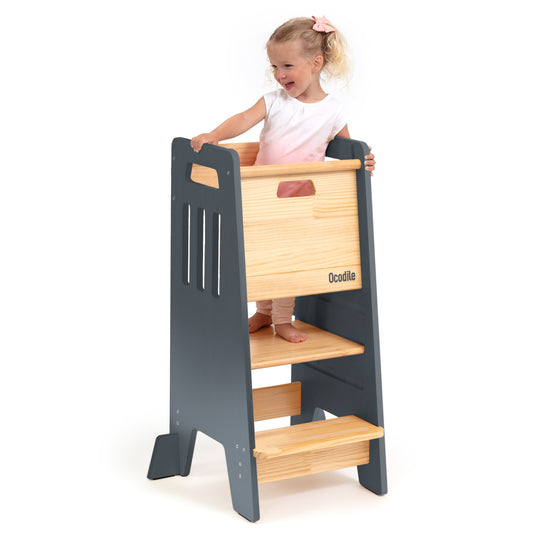


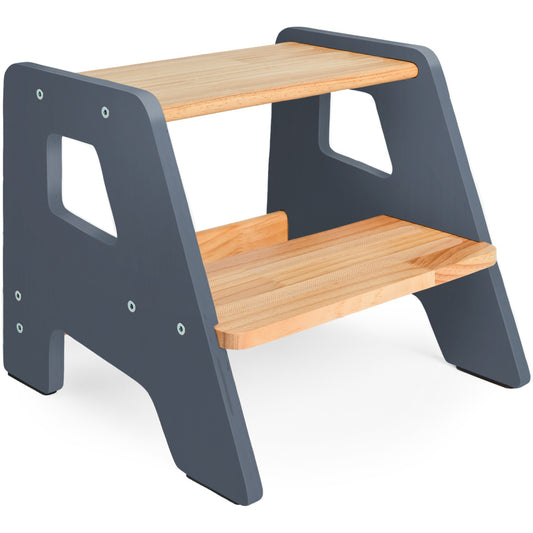


The Ultimate Guide to Choosing a Little Kids Desk
A little kids desk is so much more than a piece of furniture. Think of it as a launchpad for imagination, a dedicated spot for learning, and a big step toward independence. It's their own personal headquarters for crayon masterpieces, epic block towers, and diving into their very first storybooks.
Creating Your Child's First Creative Workspace
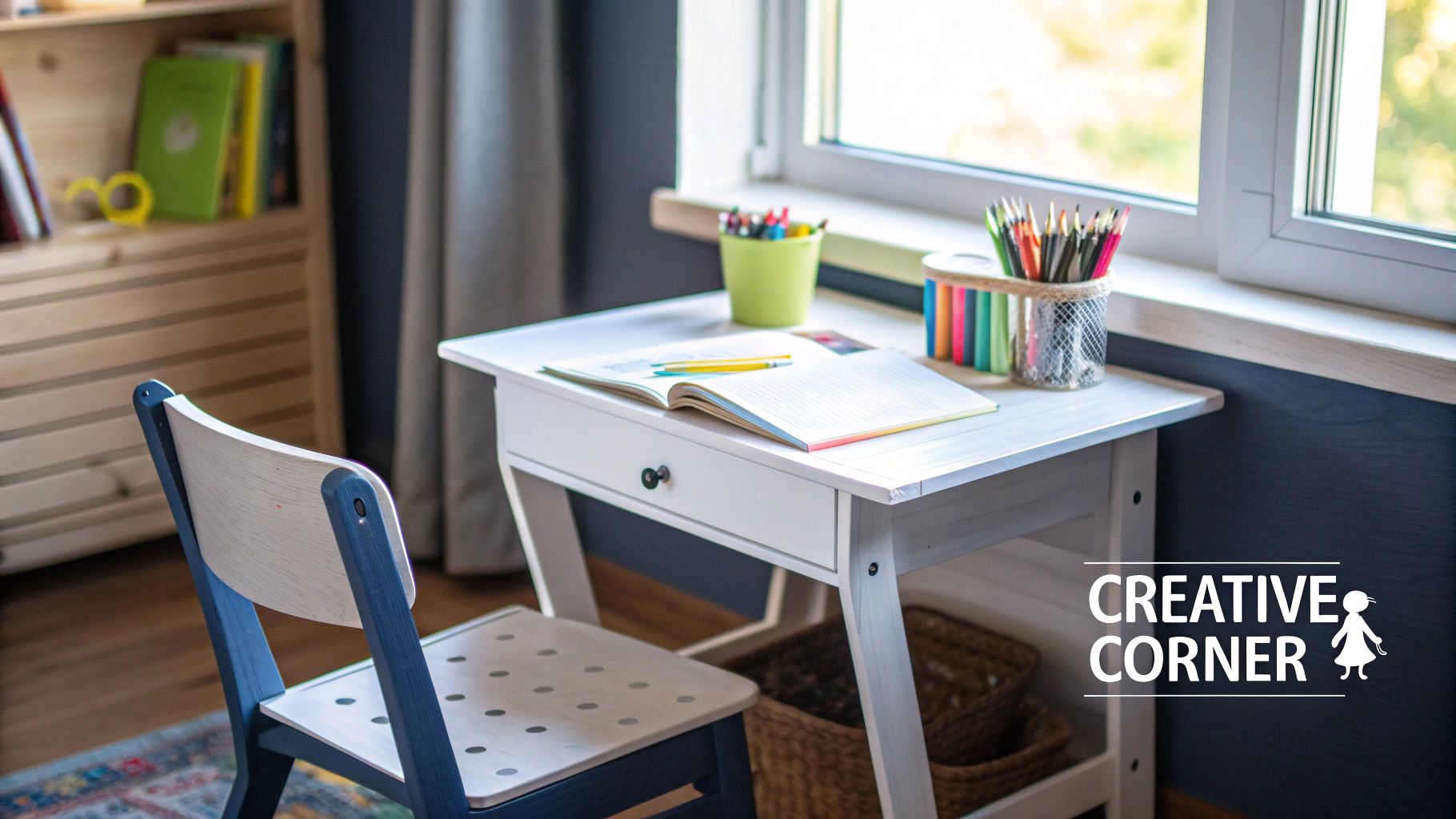
Giving a child their first desk can completely transform a simple corner of a room into a hub for creativity and discovery. It's a foundational piece that helps them build focus, confidence, and positive habits right from the start. When you give a child their own workspace, you're sending a powerful message: their ideas and activities are important.
This special spot serves as a gentle introduction to structure and organization. Unlike the family dining table that gets cleared for dinner, this space is always theirs and perfectly sized for them. It signals that it’s time to create, learn, or simply enjoy a quiet activity.
A Space to Call Their Own
Think of it as their very first piece of real estate—a spot that belongs entirely to them. This sense of ownership is a huge deal for early development, nurturing a feeling of responsibility and independence. A well-designed kids desk supports this growth by getting a few key things right:
- Safety and Durability: It needs to be built with non-toxic materials and a sturdy construction that can handle enthusiastic play.
- Practical Functionality: The size has to be just right to encourage good posture and make it easy for them to grab their own supplies.
- Engaging Design: It should look inviting, sparking curiosity and making learning feel like play.
As you consider their new workspace, it can be fun to explore fresh ways to reimagine your kids room and find a style that makes their new desk feel right at home.
A child's environment is a significant teacher. By providing a well-designed, accessible space for learning and creativity, we empower them to explore their potential and build confidence in their abilities from an early age.
This idea is catching on with parents everywhere. The market for children's home study desks was valued at $2.5 billion in 2022 and is expected to keep growing as more families see the value in creating these dedicated learning zones. It shows a collective understanding that the right furniture is a real investment in a child’s developmental journey.
How a Dedicated Desk Boosts Your Child's Development
A little kids desk is so much more than just a shrunken-down version of your own workspace; it’s a launchpad for their development. When you give a child their own dedicated spot, you’re laying the foundation for skills they’ll use their entire lives. Think of it as their personal studio—a zone where creativity gets the green light to flourish.
This special area helps cut down on the distractions that inevitably pop up at the family dining table. It sends a clear message to your child that this space is theirs alone, a place to focus, learn, and make things. This one small environmental shift can make a huge difference in their ability to stick with an activity.
Fostering Independence and Responsibility
One of the first things you’ll notice is the powerful sense of ownership a personal desk creates. When a child knows a space is truly theirs, they’re far more likely to take pride in it. This pride is the first step toward learning responsibility for their area and their supplies.
Suddenly, keeping their crayons organized or wiping down the surface after a painting session becomes their job. These might seem like small tasks, but they are giant leaps in building self-reliance. It’s a gentle introduction to caring for their belongings and their environment, building habits that go way beyond their little creative corner.
A personal desk also empowers kids to make their own choices. They get to decide which project to tackle and which supplies to use, all within a space designed just for them. This kind of autonomy is absolutely crucial for building confidence and a strong sense of self.
Boosting Cognitive Skills and Focus
A structured, personal workspace can do wonders for a child’s ability to concentrate. When they sit down at their desk, it cues their brain that it’s time for a focused activity, much like an adult sitting down at their office desk. This simple routine helps train their attention span over time.
A child’s ability to concentrate isn’t just about willpower; it’s about creating an environment that supports focus. A dedicated desk removes external distractions, allowing them to direct all their cognitive energy toward the task at hand.
This organized environment also lays the groundwork for important organizational skills. Having a specific place for paper, pencils, and art supplies teaches them the basics of sorting and categorizing. This is a foundational cognitive skill that helps with problem-solving and logical thinking down the road.
To give this development an extra boost, try adding a few simple things:
- Accessible Bins: Small, open bins for crayons, markers, and blocks make cleanup easy and intuitive. No complicated lids!
- A Paper Tray: A simple tray teaches them where paper belongs, stopping the clutter before it starts.
- A "Finished Work" Spot: Set up a special folder or a spot on a nearby shelf for completed drawings. This gives their efforts a sense of accomplishment and shows them their work is valued.
Finding the Perfect Fit with Ergonomics
Choosing a little kids desk feels a lot like picking out their first pair of shoes—the right fit is everything. "Ergonomics" might sound like a big, technical word, but it really just means making sure the desk and chair are perfectly sized for your child's body. This supports healthy posture and keeps them comfortable. It's about more than just avoiding a sore back; it's about setting them up with good habits that will stick with them for life.
When a desk is too high or a chair is too low, kids will naturally slouch, slump, or crane their necks to make it work. Over time, these awkward positions can lead to real physical strain. But a workspace that fits them just right encourages a natural, upright posture, making it so much easier for them to get lost in their creative projects without fidgeting or feeling uncomfortable.
The good news is, you don't need a degree in physiology to get this right. The main idea is actually pretty straightforward.
Understanding the 90-90-90 Rule
The gold standard for getting a child's seating right is the 90-90-90 rule. It’s a super simple visual guide to check if your child is sitting correctly. Just picture your little one at their new desk:
- Ankles: Their feet should be resting flat on the floor, making a 90-degree angle at their ankles. No dangling legs!
- Knees: Their knees should also be bent at about a 90-degree angle, with a little bit of space between the back of their knees and the edge of the chair.
- Hips: Finally, their hips should be bent at a 90-degree angle, with their back resting comfortably against the chair’s backrest.
This simple setup keeps their whole body aligned and stable, which takes a lot of stress off their growing spine and muscles. It’s the foundation for comfortable sitting and helps them focus, turning their little desk into a space they genuinely love to use. You can learn more about this in our detailed guide to choosing the right chair height.
This infographic breaks down how a properly sized desk really supports a child's overall growth and development.
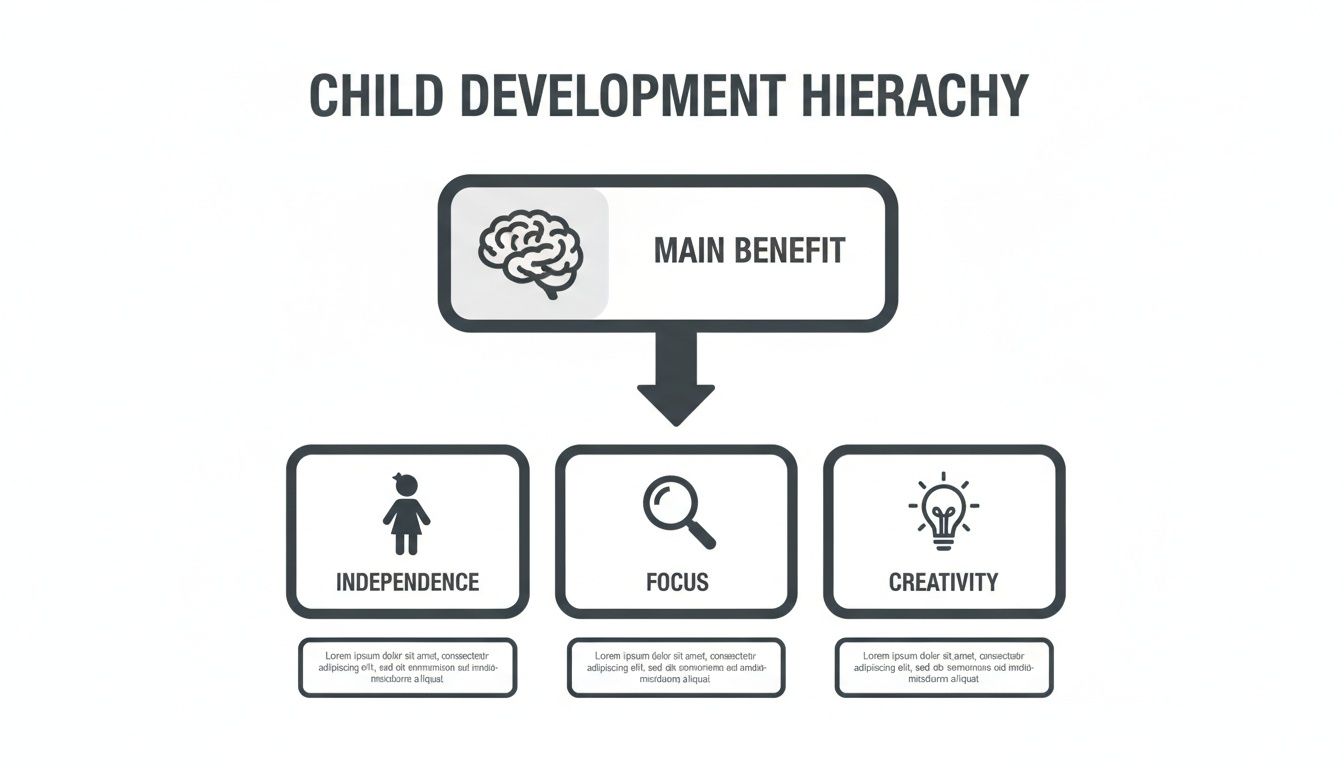
As you can see, a great setup is about more than just good posture. It supports their cognitive development, which is what really unlocks independence, focus, and creativity.
Matching Desk Size to Your Child
To nail that 90-90-90 posture, the desk and chair have to be the correct height for your child. The kids' furniture market, which was valued at $31.19 billion in 2025 and is expected to hit $71.84 billion by 2032, is thankfully paying more attention to this. It's a big deal—ergonomic designs have been shown to reduce posture problems in young children by 30-40%.
The ideal desk height allows a child's elbows to rest comfortably on the surface at a 90-degree angle when their shoulders are relaxed. This prevents them from hunching over or reaching up too high.
Here is a quick reference guide to help you find the perfect match.
Child Height to Desk and Chair Size Guide
Use this quick reference guide to match your child's height with the ideal desk and chair dimensions for optimal ergonomic support.
| Child's Height (Inches/CM) | Recommended Desk Height (Inches/CM) | Recommended Chair Seat Height (Inches/CM) |
|---|---|---|
| 36–42 in (91–107 cm) | 18–20 in (46–51 cm) | 10–12 in (25–30 cm) |
| 43–48 in (109–122 cm) | 20–22 in (51–56 cm) | 12–14 in (30–36 cm) |
| 49–54 in (124–137 cm) | 22–25 in (56–64 cm) | 14–16 in (36–41 cm) |
Remember, these are great starting points. Every child is different, so it’s always best to measure your own child and use these numbers as a guide to find that "just right" fit.
What to Look for in Safe Materials and Design
When you're picking out a little kids desk, safety isn't just a box to check—it's everything. You want their creative corner to be a completely secure space where they can draw, build, and learn without you having to worry about hidden dangers. It’s about looking past the cute colors and shapes to really inspect the bones of the desk: what it’s made of and how it’s put together.
It's a lot like childproofing a room. You’re already on the lookout for sharp table corners and wobbly bookshelves. Apply that same eagle eye here. A great desk is designed for how kids actually move, built to handle their wiggles and boundless energy so their little workspace is a truly worry-free zone.
Stability is Non-Negotiable
First things first: a kids desk has to be rock-solid. Toddlers and preschoolers are not exactly famous for sitting still. They’re going to lean, wiggle, and probably try to climb on it at some point. A desk that's top-heavy or has a flimsy frame is just an accident waiting to happen.
Look for a design with a wide, sturdy base that keeps the weight spread out evenly. The legs should be solid and well-built, making sure the desk won’t tip or rock if your child puts all their weight on one side. A stable desk gives you peace of mind, knowing it can handle the reality of daily play.
The Importance of Kid-Friendly Design
Beyond just being stable, the actual shape and design of the desk are key to preventing bumps and bruises. Little kids are still figuring out their coordination, so their furniture needs to be a bit more forgiving.
Here are a few essential design features to keep an eye out for:
- Rounded Corners and Edges: Sharp, 90-degree corners are a magnet for bumps and scrapes. A quality kids desk will have every edge and corner sanded down to a smooth, rounded finish.
- No Pinch Points: Check for any spots where tiny fingers could get trapped, like complicated hinges or poorly fitted drawers. When it comes to kids' furniture, simpler is almost always safer.
- Smooth, Splinter-Free Surfaces: Run your hand over every surface. It should be perfectly smooth, with zero risk of splinters—this is especially important for wooden desks.
Choosing Non-Toxic and Sustainable Materials
What a desk is made of matters just as much as how it’s built. Kids are way more sensitive to chemicals, and since they’ll be touching, leaning on, and maybe even chewing on their desk, the materials have to be completely safe. This is why solid wood and high-quality, formaldehyde-free plywood are such fantastic choices.
Parents are definitely paying attention to materials. In the kids' furniture market, wood is the top choice, making up 44.9% of the market share in 2024. This preference is all about its durability and reputation as a natural, safe option. You can discover more insights about the kids' furniture market on Fortunebusinessinsights.com.
Make sure the desk is finished with non-toxic, water-based paints or sealants. These are free from nasty volatile organic compounds (VOCs), which can pollute your indoor air. If you'd like to get into the nitty-gritty of this, you can learn more about selecting non-toxic kids' furniture in our guide.
A safe little kids desk is one where every material has been considered. It's not just about avoiding immediate injury but also about creating a healthy indoor environment where your child can breathe easy and thrive.
When you prioritize a stable build, thoughtful design, and non-toxic materials, you’re not just buying a piece of furniture—you’re creating a creative workspace that is truly safe from the ground up.
Integrating the Desk into Your Home and Life
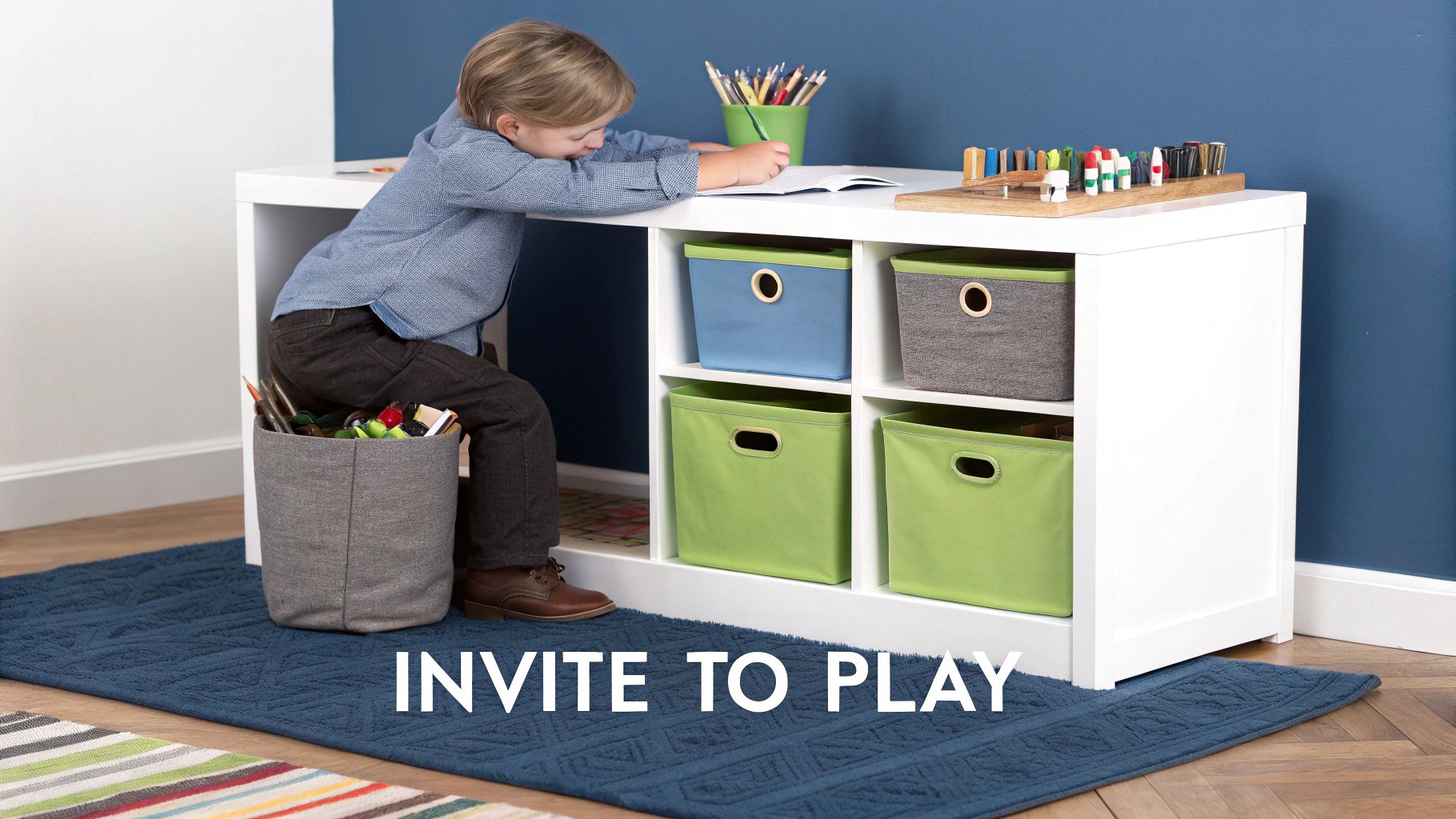
A truly great little kids desk does more than just fit your child; it fits seamlessly into the rhythm of your home and family life. Where you decide to put it can be the difference between a piece of furniture that collects dust and one that becomes an irresistible "invitation to play."
The right placement can naturally draw your child in, and its location plays a huge role in how often it gets used.
Bedroom vs. Shared Space
So, where should it go? A quiet corner in the bedroom, or right in the middle of the action in a shared space like the living room? Both have their perks, and each spot nurtures different habits.
Putting the desk in your child's bedroom carves out a personal sanctuary. It’s a space where they can get away from the hustle and bustle of family life, which is perfect for focused tasks. This kind of setup is fantastic for teaching them to enjoy independent play and concentration in their very own headquarters.
On the other hand, a desk in a shared family area keeps them connected to the daily flow of the household. They can create and play while still feeling like part of the action, making it easy for you to pop over, offer a hand, or just share in their excitement. This is often a wonderful choice for younger kids who thrive on being close to you.
Think about your child’s personality and your family’s routine. Does your little one need quiet to focus, or do they feel more inspired when they can see you nearby? There’s no right answer—only what works best for your family.
Making It an Invitation to Play
The real secret to making a desk a beloved spot? Making sure everything they need is accessible and organized in a way that makes sense to them. A few simple ideas, borrowed from Montessori principles, can make all the difference here. The goal is to empower them to be self-sufficient.
By preparing the environment with accessible, organized materials, we remove obstacles to creativity. A child who can easily reach their own paper and crayons is a child who is empowered to act on a creative impulse without needing to ask for help.
This really just means thinking about storage from their perspective. Low, open shelving and clear bins are your best friends because they let kids see their options and grab what they need all on their own.
- Open Bins for Supplies: Use small, lid-free bins for crayons, markers, and chalk. This makes grabbing supplies and—crucially—cleaning them up a simple, one-step process.
- Visible Paper Storage: A simple vertical file holder or a low tray keeps paper neat and always within reach. This encourages them to draw or write whenever inspiration strikes, not just when you suggest it.
- A "Work in Progress" Area: Set aside a small spot on the desk or a nearby shelf for unfinished projects. This respects their creative process and shows them their work is valued, even if it's not "done" yet.
When you set up their little desk this way, you're doing so much more than just organizing supplies. You're building a foundation for independence, responsibility, and a lifelong love of learning. To dive deeper into creating these empowering spaces, check out our ideas for smart craft furniture and storage.
Got Questions? We’ve Got Answers.
Choosing the right little kids desk feels like a big decision. After all, you’re not just buying a piece of furniture; you’re creating a little launchpad for your child’s creativity and growth. Let's walk through some of the most common questions we hear from parents just like you.
My hope is that these insights clear up any doubts and help you feel great about your choice. The goal is to find a desk that both you and your little one will absolutely love for years.
When Is the Right Time for My Child's First Desk?
This is probably the number one question parents ask: when is the right age for a first desk? While there isn't a magic number, most kids are ready somewhere between the ages of 2 and 4.
Forget the calendar, though. The real clue is their developmental readiness. Have you noticed them getting really into drawing, flipping through picture books, or piecing together puzzles? When you see them trying to carve out a little workspace on the living room floor or commandeering the coffee table, that’s your sign. They’re ready for a space of their own.
Bringing a desk into their world this early helps them see it as a fun, personal zone for exploration, not a stuffy place for "work." It’s a wonderful way to build a positive, lifelong relationship with learning.
Is an Adjustable Desk Really a Good Investment?
Absolutely. An adjustable desk and chair set is one of the smartest long-term investments you can make for your child. Kids in the preschool and early elementary years seem to sprout up overnight, and furniture that fit them last month is suddenly too small. An adjustable set grows right alongside them.
This adaptability means their little workspace always provides proper ergonomic support, which is huge for promoting healthy posture as their bodies change. Instead of buying a new desk every couple of years, a good adjustable one can see them through from their first toddler scribbles to their first real homework.
What Are the Most Important Features to Look For?
It's easy to get lost in all the options out there. Once you've nailed down the size, there are really three non-negotiable features you should look for in a little kids desk.
- Safety First, Always: Look for rounded corners and silky-smooth edges to prevent bumps and scrapes. The design should be simple, with no tricky pinch points where little fingers could get caught.
- Rock-Solid Stability: A kid's desk needs a wide, sturdy base. It shouldn't wobble or tip, even when your child is leaning into their latest masterpiece with gusto. A stable desk is a safe desk.
- Non-Toxic, Kid-Friendly Materials: Your child is going to be spending a lot of time at their desk. Make sure it’s made from safe materials like solid wood or high-quality plywood and finished with a water-based, child-safe paint or varnish.
It's interesting to see how the residential sector is now the main driver of the kids' furniture market. Families want pieces that fit beautifully into their homes, not just a playroom. This has really boosted the popularity of styles like Montessori-inspired furniture, which is designed to nurture independence in that 2–6 age range. You can discover more insights about kids furniture trends on Fortunebusinessinsights.com.
At Ocodile, we build our designs on these very principles: safety, adaptability, and child-led independence. We make furniture that not only looks great in your home but also supports your child’s natural development every step of the way. Come explore our collection to find the perfect creative corner for your little one at https://ocodile.com.