



Top 10 Motor Skills Activities for Preschoolers to Try in 2026
Welcome to our guide on practical and engaging motor skills activities for preschoolers. As your child grows, their ability to run, jump, grasp a crayon, and carefully pour a drink is more than just play. These actions are the physical foundation for future learning, problem-solving, and independence. Developing both large (gross motor) and small (fine motor) muscle control is crucial for everything from writing their name to safely navigating a playground.
This article provides a curated collection of activities designed to build these essential skills in a fun, supportive way. Inside, you will find:
- Step-by-step instructions for over 20 unique activities.
- Clear explanations of the developmental benefits for each task.
- Safety tips to ensure a secure play environment.
- Ideas for integrating child-friendly furniture, like standing towers and step stools, to foster autonomy.
We've focused on creating actionable, straightforward ideas that you can implement immediately. These activities are crafted not just to build physical strength and coordination but also to boost your child’s confidence and encourage a love for active exploration. Let’s dive into fun, practical ways to support your preschooler's incredible developmental journey.
1. Climbing and Balancing Activities
Climbing and balancing are fundamental gross motor skills activities for preschoolers that build core strength, spatial awareness, and confidence. These exercises involve safely navigating different heights and surfaces, which is essential for physical development. By providing controlled opportunities to climb and balance, you empower children to understand their body's capabilities and limits in a secure environment.
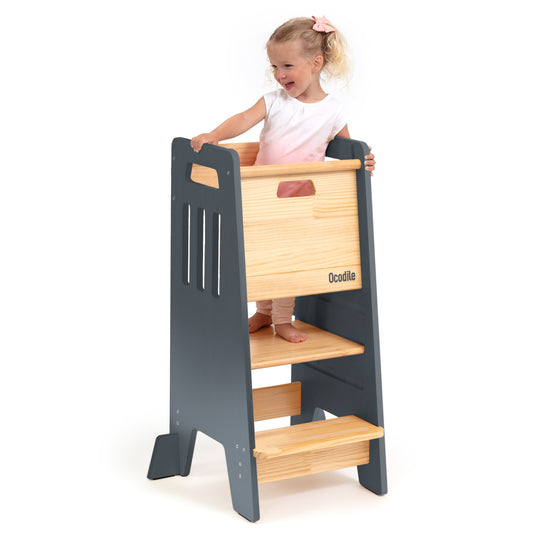
This approach focuses on using child-safe structures like standing towers, step stools, and low platforms. For example, an Ocodile standing tower allows a toddler to safely reach a countertop and participate in kitchen activities, turning a daily routine into a motor skills lesson. This simple act involves climbing up, balancing while standing, and climbing down, engaging multiple muscle groups.
How to Implement Safely
Successful implementation hinges on creating a safe and encouraging space. Start with low, stable surfaces and gradually introduce more complex challenges as your child's coordination improves.
- Stable Foundations: Ensure all furniture, like the Ocodile standing tower, is stable, has anti-slip feet, and is placed on a level surface.
- Soft Landings: Place a soft mat or rug underneath climbing areas to cushion any potential tumbles.
- Constant Supervision: Always stay within arm's reach, especially when a child is learning a new climbing skill.
- Start Low: Begin with simple step stools or low benches before moving to taller structures.
- Encourage Proper Technique: Guide them to use their hands and feet effectively, maintaining three points of contact when possible.
2. Walking and Marching Activities
Walking and marching are classic gross motor skills activities for preschoolers that strengthen balance, coordination, and rhythm. These simple movement patterns teach children to control their bodies while navigating space, which is a key part of physical development. By turning a basic action into a playful, guided exercise, you can help your child improve leg strength, spatial orientation, and body awareness in an accessible way.
This approach uses rhythm, music, and designated pathways to make movement intentional. For instance, you can use tape on the floor to create lines for your child to follow or use furniture like an Ocodile floor bed as a safe boundary for a marching lane. The goal is to encourage different types of movement, such as walking forward, backward, sideways, or marching with high knees, turning a simple activity into a focused developmental exercise.
How to Implement Safely
Creating a successful marching activity depends on providing a clear, hazard-free space and making it fun. Start with simple walking patterns and add complexity as your child becomes more confident and coordinated.
- Clear the Area: Ensure the walking and marching space is open and free of toys, rugs, or other tripping hazards.
- Use Music: Play music with a distinct beat to help your child find and maintain a rhythm. Vary the tempo to challenge their listening skills and coordination.
- Create Pathways: Use masking tape on the floor or arrange furniture like floor beds to create safe, defined paths for walking or marching.
- Vary the Movement: Encourage different styles of walking, such as tiptoeing like a mouse, stomping like an elephant, or taking giant steps.
- Add Imaginative Themes: Pretend to be soldiers, animals in a parade, or explorers on a trail to keep the activity engaging and creative.
3. Throwing and Catching Games
Throwing and catching games are excellent motor skills activities for preschoolers that develop hand-eye coordination, upper body strength, and spatial awareness. These playful exercises involve tossing soft objects like balls or bean bags toward a target or a partner, teaching children to control force, direction, and trajectory. This process helps integrate both fine and gross motor skills in a way that is highly engaging and social.

This type of play can be easily set up at home or in a classroom. For example, you can place several colorful buckets or baskets on the floor and encourage your child to toss soft bean bags into them. Another great option is a parachute game with multiple children, which fosters teamwork while building arm strength and coordination. These activities turn simple playtime into a valuable developmental opportunity.
How to Implement Safely
The key to success is creating a safe, encouraging environment that builds confidence rather than frustration. Start with simple actions and gradually increase the difficulty as your child's abilities grow.
- Start with Soft Objects: Use lightweight, soft items like bean bags, plush toys, or foam balls to prevent injury and reduce fear of catching.
- Use Large Targets: Begin with large laundry baskets or hula hoops as targets to make success easier and more frequent, building your child's confidence.
- Ensure Open Space: Play in an open area, preferably with soft flooring or on grass, to provide plenty of room for movement and cushion any falls.
- Focus on Tossing First: Concentrate on underhand tossing before introducing catching, as it is a less complex motor skill.
- Game-Based Learning: Frame the activity as a fun game with simple rules to maintain engagement and motivation.
4. Dancing and Rhythmic Movement
Dancing and rhythmic movement combine creative expression with gross motor skill development, making them excellent motor skills activities for preschoolers. This activity encourages children to move their bodies in response to music, which builds coordination, rhythm, and body awareness. It provides a joyful and non-judgmental outlet for physical energy and emotional expression, supporting both physical and social-emotional growth.
This approach is highly adaptable and can be as simple as putting on music and encouraging free movement. You might guide children through story-based dances, asking them to move like different animals or mimic the weather. Traditional movement songs and circle dances, often found in programs like Kindermusik, also provide structured ways to practice following directions while moving. The key is creating an environment where movement is celebrated.
How to Implement Safely
To ensure a positive experience, focus on creating an open and encouraging atmosphere where children feel free to explore movement without fear of judgment.
- Create a Safe Space: Designate a clear, open area for dancing, free from furniture or tripping hazards. Spaces near floor-level setups, like an Ocodile floor bed, often provide ample room.
- Diverse Music: Introduce a wide variety of musical genres, tempos, and rhythms to keep children engaged and expose them to different movement styles.
- Incorporate Props: Use lightweight props like colorful scarves, ribbons, or beanbags to add a sensory dimension and guide new movements.
- Demonstrate, Don't Dictate: Show movements yourself to inspire ideas, but always validate a child’s unique interpretation and effort.
- Storytelling and Themes: Connect movement to stories or themes. For example, pretend to be growing seeds, waddling penguins, or floating leaves to make the activity more engaging.
5. Fine Motor Manipulation Activities (Threading, Stacking, Sorting)
Fine motor manipulation activities are essential motor skills activities for preschoolers that strengthen hand muscles, refine finger dexterity, and improve hand-eye coordination. These focused tasks involve controlled movements like threading beads, stacking blocks, or sorting small objects, which build the foundational skills needed for future writing, buttoning, and tying shoes. They also promote concentration, problem-solving, and patience.
This approach involves providing simple, engaging materials that invite children to use the small muscles in their hands and fingers. For instance, threading large wooden beads onto a string requires a child to use a precise pincer grasp, coordinate both hands, and focus their vision. Similarly, stacking blocks challenges them to control placement and pressure, learning about balance and cause-and-effect.

How to Implement Safely
Success with these activities depends on creating an organized, frustration-free environment with age-appropriate materials. To get started, you can explore a wide variety of fine motor skills development activities for more ideas.
- Choose Appropriate Materials: Start with large, chunky items like big beads or stacking rings and gradually introduce smaller pieces as dexterity improves.
- Create a Dedicated Space: Use a low table or a specific mat to define the activity area. An Ocodile standing tower can also bring a toddler to a comfortable height at a standard table, ensuring proper posture.
- Model First: Gently demonstrate how to thread a bead or place a block without pressure. Let your child observe and then try on their own.
- Rotate Activities: Keep a few different manipulation activities available and rotate them weekly to maintain interest and challenge different muscle groups.
- Constant Supervision: Always supervise closely when small objects are involved to prevent any choking hazards.
6. Running and Obstacle Course Activities
Running and obstacle course activities are dynamic gross motor skills activities for preschoolers that develop speed, agility, and spatial awareness. These playful exercises challenge children to navigate simple courses, learning to start, stop, and change direction safely. Creating structured pathways with obstacles helps build cardiovascular endurance, problem-solving skills, and body control in a fun and engaging manner.
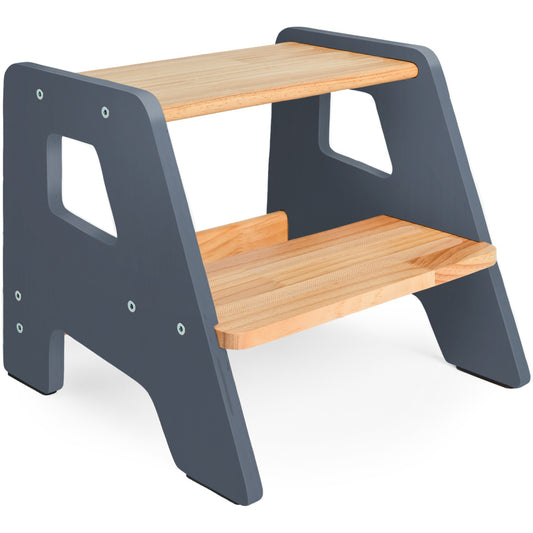
This approach involves setting up a simple path with various challenges that encourage different types of movement. For instance, a course might include weaving around cones, crawling through a tunnel made from chairs, and jumping over a row of cushions. An Ocodile step stool can be a versatile addition, serving as a low barrier to step over or a platform to step onto and off of, easily adjusting the difficulty as your child's confidence grows. For more ideas, explore our guide on setting up an indoor obstacle course for toddlers.
How to Implement Safely
The key to a successful obstacle course is ensuring it is both challenging and completely safe. Start with a simple layout and gradually add more complex elements as your preschooler masters the basics.
- Use Soft Obstacles: Begin with soft, low items like pillows, blankets, or foam blocks to minimize any risk of injury from falls.
- Clear and Simple Paths: Design a course with a clear beginning, middle, and end. Use tape or markers on the floor to guide the child.
- Gradual Progression: Introduce one or two obstacles at first. As coordination improves, add more varied challenges like tunnels or balance beams.
- Supervise Actively: Always watch your child navigate the course to offer encouragement and ensure they are moving safely.
- Ensure Safe Landings: Place soft mats or rugs around any obstacles that require jumping or balancing to cushion potential tumbles.
7. Jumping and Hopping Activities
Jumping and hopping are energetic gross motor skills activities for preschoolers that build leg strength, balance, coordination, and explosive power. These actions are vital for developing fundamental movement patterns and spatial awareness. By engaging in controlled jumping games, children learn to manage their body’s momentum and land safely, which is a key milestone in their physical development.
This approach involves practicing jumping on two feet, hopping on one, and clearing small obstacles. For instance, children can play hopscotch, do simple jumping jacks, or leap over a line of colorful tape on the floor. These simple, fun exercises engage major muscle groups and teach preschoolers how to coordinate their upper and lower bodies effectively.

How to Implement Safely
Creating a secure and motivating environment is essential for successful implementation. Start with simple, stationary jumps before introducing more dynamic challenges that involve movement or obstacles.
- Padded Surfaces: Always conduct jumping activities on a soft surface like a rug, play mat, or grassy area to absorb impact.
- Clear the Area: Ensure there is plenty of open space, free from furniture, walls, or sharp corners.
- Use Visual Cues: Place clear markers like tape, chalk lines, or small cushions on the floor to guide their jumps. An Ocodile step stool can be a great, low-profile object to practice jumping over.
- Model Proper Form: Demonstrate how to bend the knees when landing to protect their joints.
- Progress Gradually: Introduce one-legged hopping only after your child has mastered jumping confidently on two feet.
- Incorporate Music: Use songs or rhythmic beats to create fun jumping patterns and sequences.
8. Pedaling and Wheeled Toy Activities
Pedaling and wheeled toy activities are excellent gross motor skills activities for preschoolers that teach leg coordination, dynamic balance, and spatial reasoning. These exercises involve propelling toys like tricycles, balance bikes, or scooters, helping children understand cause and effect as they learn to steer and control their speed. Engaging with wheeled toys builds confidence in independent mobility and lays the foundation for future skills like riding a bicycle.
This approach focuses on a progression from simpler to more complex wheeled toys. A balance bike, for instance, allows a child to focus solely on steering and balancing without the added complexity of pedaling. This isolates the core skills needed for two-wheeled motion. Once they master gliding and balancing, transitioning to a tricycle or a bike with pedals becomes a much more manageable step, turning a potentially frustrating process into an exciting achievement.
How to Implement Safely
Safe implementation requires a combination of the right equipment, a suitable environment, and close supervision. The goal is to create a positive experience that encourages practice and builds skill.
- Proper Gear is Non-Negotiable: Always ensure your child wears a properly fitting helmet. The helmet should be snug, level on their head, and not rock back and forth.
- Start with Balance: Introduce a balance bike before a tricycle or pedal bike. This helps children develop the crucial skill of balancing on two wheels first.
- Choose a Safe Space: Practice in a flat, open area free from obstacles, traffic, and steep slopes. Driveways, empty parks, or playgrounds are ideal.
- Constant Supervision: An adult should always be present and attentive when a child is using a wheeled toy.
- Set Clear Boundaries: Use cones or even child-friendly furniture like Ocodile floor chairs to create a visible, designated riding area.
9. Ball and Rolling Activities
Ball and rolling activities are excellent motor skills activities for preschoolers that develop coordination, spatial awareness, and control. These actions involve pushing, rolling, and kicking balls of various sizes, which teaches children to manage force and direction. Engaging with spherical objects builds foundational hand-eye and foot-eye coordination, supporting both fine and gross motor development.
This approach uses simple, open-ended play to teach complex physical concepts. For example, rolling a soft ball back and forth with a partner teaches turn-taking and controlled arm movements. Kicking a lightweight ball toward a makeshift goal, like the space under an Ocodile standing tower, introduces concepts of aim and force. These games turn basic play into targeted skill-building.
How to Implement Safely
Creating a safe and engaging environment is key to making ball activities successful. Clear space and appropriate equipment ensure children can play freely without unnecessary risks.
- Choose Soft Balls: Start with soft, lightweight balls to prevent injuries, especially indoors.
- Go Big First: Introduce large, easy-to-handle balls before moving on to smaller ones that require more precise control.
- Clear the Area: Designate a play space free from furniture with sharp corners or breakable items.
- Model the Motion: Demonstrate how to roll, push, or gently kick the ball before asking your child to try.
- Set Clear Goals: Use cones, boxes, or even Ocodile furniture to create visible targets or goals.
- Add Structure: Beyond just free play, structured activities can also be incredibly beneficial. For instance, you can explore engaging fun soccer drills designed for 5-year-olds that help improve coordination and fundamental movement skills.
10. Reaching, Grasping, and Lifting Activities (Kitchen/Everyday Helper Tasks)
Reaching, grasping, and lifting are fundamental motor skills that preschoolers can develop through meaningful participation in daily household chores. These "practical life" activities, championed by Maria Montessori, turn routine tasks into powerful learning opportunities. By involving children in simple jobs like setting the table or helping with food prep, you support their physical development while also fostering a sense of competence and belonging.
This approach transforms the home into a natural learning environment. For instance, using an Ocodile standing tower, a child can safely reach the kitchen counter to help wash vegetables or stir ingredients. This simple act combines reaching for the faucet, grasping a soft brush, and using coordinated movements to clean food, making it an excellent motor skills activity for preschoolers. Learn more about creating a child's kitchen helper station to safely include your little one.
How to Implement Safely
Success with these activities depends on creating a prepared and patient environment where children can contribute safely and effectively.
- Provide Safe Access: Use an Ocodile standing tower to give children a stable, secure boost to countertop height, eliminating the risks associated with wobbly chairs.
- Use Child-Sized Tools: Offer lightweight, manageable tools like small pitchers, tongs, and scrub brushes that fit comfortably in small hands.
- Start with Simple Tasks: Begin with single-step jobs like carrying their own cup to the sink before moving on to multi-step tasks like setting the table.
- Model First: Clearly and slowly demonstrate the activity yourself without speaking, allowing your child to focus entirely on your physical movements.
- Focus on Effort, Not Perfection: Praise their participation and effort rather than correcting small mistakes. The goal is skill development, not a perfectly set table.
- Constant Supervision: Always supervise activities, especially those involving water, breakable items, or food preparation.
10-Item Comparison: Preschool Motor-Skill Activities
| Activity | Implementation Complexity (🔄) | Resource Requirements (⚡) | Expected Outcomes (⭐📊) | Ideal Use Cases (💡) | Key Advantages (⭐) |
|---|---|---|---|---|---|
| Climbing and Balancing Activities | 🔄 Medium — stable structures & ongoing supervision | ⚡ Medium — low sturdy furniture, mats, safe space | ⭐⭐⭐ Core strength, balance, proprioception, confidence | 💡 Indoor exploration, Montessori stations, reaching countertops | ⭐ Builds strength and independence; scalable challenges |
| Walking and Marching Activities | 🔄 Low — simple instructions and cues | ⚡ Low — open floor space, optional music | ⭐⭐ Sustained gait patterns, balance, rhythm | 💡 Transitions, circle time, music-and-movement sessions | ⭐ Very accessible; low risk and easy to adapt |
| Throwing and Catching Games | 🔄 Low–Medium — partner/target set-up and supervision | ⚡ Low — soft balls/beanbags, clear space | ⭐⭐⭐ Hand-eye coordination, upper-body control, spatial awareness | 💡 Target games, PE centers, social play | ⭐ Promotes social turn-taking; progressive difficulty |
| Dancing and Rhythmic Movement | 🔄 Low — music source and facilitation | ⚡ Low — music player, optional props, open area | ⭐⭐ Rhythm, full-body coordination, emotional expression | 💡 Group music classes, calming or expressive breaks | ⭐ Highly motivating and inclusive; minimal gear |
| Fine Motor Manipulation (Threading, Stacking, Sorting) | 🔄 Medium — prepared materials and close supervision | ⚡ Low — beads, blocks, puzzles, tables | ⭐⭐⭐ Finger dexterity, pincer grasp, pre-writing skills, concentration | 💡 Table stations, focused skill work, occupational therapy | ⭐ Foundational for writing and self-care; low cost |
| Running and Obstacle Course Activities | 🔄 Medium–High — design, rotation, strict supervision | ⚡ Medium — obstacles, clear large area, mats | ⭐⭐⭐ Agility, speed, planning, cardiovascular fitness | 💡 PE sessions, energetic breaks, gross-motor challenges | ⭐ Highly engaging; adaptable for varied abilities |
| Jumping and Hopping Activities | 🔄 Low–Medium — safe landings and demonstrations | ⚡ Low — padded surfaces, clear space | ⭐⭐⭐ Leg power, balance, coordination, explosive movement | 💡 Outdoor play, rhythm games, hopscotch | ⭐ Fun and motivating; builds powerful leg muscles |
| Pedaling and Wheeled Toy Activities | 🔄 Medium — equipment fit and safety training | ⚡ Medium — bikes/trikes, helmets, open pathways | ⭐⭐⭐ Balance, pedaling mechanics, spatial awareness, independence | 💡 Outdoor play areas, balance-bike lessons, playgrounds | ⭐ Promotes independence and transferable biking skills |
| Ball and Rolling Activities | 🔄 Low — basic setup and supervision | ⚡ Low — varied balls, open area | ⭐⭐ Control of force/direction, hand/foot-eye coordination | 💡 Target practice, kicking/rolling games, group play | ⭐ Engaging, scalable difficulty, low cost |
| Reaching, Grasping & Lifting (Kitchen/Everyday Helper) | 🔄 Medium — task adaptation and safety checks | ⚡ Medium — child-sized tools, standing towers, supervision | ⭐⭐⭐ Functional strength, coordination, independence, life skills | 💡 Practical life tasks, family routines, Montessori activities | ⭐ Meaningful skill transfer; integrates motor and daily living skills |
Empowering Your Child's Journey Through Play
The journey through early childhood is a dynamic dance of discovery, and the motor skills activities for preschoolers we've explored are the foundational steps. From the boisterous energy of an obstacle course to the focused precision of threading beads, each activity serves a purpose far beyond simple entertainment. They are the essential building blocks for physical literacy, cognitive development, and emotional regulation. By weaving these varied experiences into your child's daily rhythm, you are not just teaching them to climb, catch, or cut; you are teaching them to problem-solve, persevere, and trust their own growing capabilities.
Key Principles for Success
Remember, the goal is progress, not perfection. The most impactful approach involves observing your child's unique developmental pace and adapting activities to their current interests and abilities.
- Follow the Child: If they are fascinated by pouring and scooping, lean into kitchen helper tasks using a standing tower. If they can’t stop moving, create a simple jumping game with chalk on the sidewalk. Their curiosity is your best guide.
- Create a "Yes" Environment: Thoughtfully designed spaces invite exploration. Integrating child-friendly furniture, like floor-level shelving for toys and accessible step stools, communicates to your child that this is their space to learn and grow independently. This sense of ownership is a powerful motivator.
- Celebrate the Effort: Focus on the process rather than the outcome. A wobbly tower of blocks that took immense concentration is a greater victory than a perfect one built with assistance. Your encouragement of their effort builds a resilient mindset that will serve them for years to come.
From Play to Lifelong Skills
The connection between a toddler confidently navigating a climbing triangle and a school-aged child holding a pencil correctly is direct and undeniable. Gross motor skills like balancing and coordinating movements create the core strength and body awareness needed for fine motor control. These seemingly simple games lay the groundwork for everything from writing their name to participating in team sports. For those looking to introduce structured movement early on, exploring concepts from this guide to 7 fun 3-year-old sports activities can provide even more ideas for building coordination and a love for physical activity.
Ultimately, fostering robust motor skills is about empowering your child with the confidence to interact with their world. Every successful grasp, steady step, and coordinated jump sends a powerful message: "I can do it." This belief is the true gift of playful learning, creating a foundation of self-assurance that will support them through every stage of life. Embrace these moments of playful work, for they are shaping a capable, curious, and confident human being.
Ready to create an environment that supports your child's independence and motor skill development? Explore the thoughtfully designed, safe, and beautiful child-friendly furniture from Ocodile. Our standing towers and activity centers are crafted to bring your little one to the center of the action, empowering them to learn and play with confidence.