



Eight Essential practical life montessori activities for Independent Toddlers
Imagine a home where your toddler confidently helps prepare a snack, dresses themselves, and tidies their play space, not because they are told to, but because they are capable and find joy in the work. This is the core of Montessori's practical life philosophy, which serves as the foundation for a child's development. These purposeful tasks transform everyday routines into powerful learning opportunities that build independence, concentration, motor skills, and a genuine love for learning.
Practical life is about providing children with the tools and respect they need to participate meaningfully in their world. By engaging in real-world tasks, they develop self-esteem and a sense of belonging within the family. This comprehensive guide moves beyond theory to offer concrete, actionable steps for implementation. We will explore a curated collection of foundational practical life Montessori activities, broken down by category. You will find specific instructions, lists of necessary materials, and practical tips for adapting these exercises for your home environment. This listicle is designed to empower you to integrate this transformative approach into your daily life, helping your child grow into a confident, capable, and self-reliant individual.
1. Practical Life with Standing Towers (Toddler Towers)
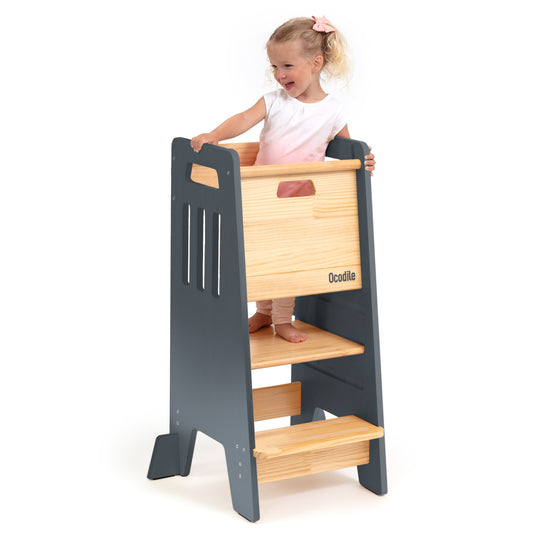
A standing tower, often called a learning tower or kitchen helper, is a foundational piece of furniture for implementing practical life Montessori activities at home. This child-safe stool features a secure, railed platform that elevates your child to counter height, transforming them from a passive observer into an active participant. Instead of being underfoot or needing to be held, your toddler can safely stand alongside you, fully engaged in meaningful household tasks.

This tool bridges the gap between a child's desire to help and their physical limitations, directly supporting the Montessori principle of fostering independence. By providing access to the "real work" of the home, a standing tower unlocks countless opportunities for skill development.
How to Use a Standing Tower for Practical Life
Integrating a standing tower is about inviting your child into your daily routines. Position it at the kitchen counter or sink where they can see and contribute.
- Food Preparation: A child can wash vegetables, stir ingredients in a bowl, knead dough, or spread butter on toast. These simple tasks build fine motor skills and introduce basic cooking concepts.
- Dishwashing: Let your toddler help wash non-breakable dishes or scrub vegetables in the sink. This develops coordination and a sense of responsibility.
- Sensory Exploration: The sink becomes a controlled sensory station for water play, a key component of early childhood development.
Tips for Success
To maximize safety and learning, start with simple, supervised tasks and gradually introduce more complex ones as your child's confidence grows.
- Safety First: Ensure the tower is on a level, non-slip surface and positioned away from stoves, knives, and other hazards.
- Encourage Independence: Allow your child to climb in and out of the tower on their own, fostering autonomy while you remain nearby.
- Choose Wisely: Opt for an adjustable model made from non-toxic materials, like the premium European designs from Ocodile. This ensures the tower grows with your child and remains a safe part of your home. You can learn more about how a Montessori learning tower fosters independence on ocodile.com.
2. Floor Beds and Independent Sleep Spaces
A floor bed is a cornerstone of the Montessori approach to creating a child-centric home environment. This simple, low-profile bed, often just a firm mattress on the floor, removes the physical barrier of a crib, empowering a child to get in and out of bed on their own. This freedom of movement is a fundamental component of practical life Montessori activities, as it fosters autonomy, body awareness, and a sense of ownership over their personal space from a very young age.
This setup respects the child as a capable individual and integrates seamlessly into their world. Instead of being confined, a child can wake up and safely explore their room or choose to rest when they feel tired. A floor bed supports the development of self-regulation and independence, transforming the bedroom into a prepared environment for both sleep and gentle exploration.
How to Use a Floor Bed for Practical Life
Implementing a floor bed is about creating a safe and accessible sleep sanctuary. The goal is to give your child control over their own rest cycles while ensuring their environment supports this independence securely.
- Promoting Autonomy: A toddler can choose to look at a book from a low shelf before climbing into bed or get up to find a toy upon waking, all without needing to call for a parent.
- Developing Self-Regulation: By allowing a child to listen to their body's cues for rest, a floor bed helps them develop an internal understanding of their own needs for sleep and quiet time.
- Simplifying Routines: Bedtime and morning routines become more collaborative. Your child can actively participate in pulling up their blanket or choosing a book to read.
Tips for Success
A successful transition to a floor bed hinges on creating a completely safe space. The entire room, not just the bed, becomes the child's environment.
- Safety First: Child-proof the entire room by covering outlets, securing furniture to walls, and removing any potential hazards like cords or small objects.
- Encourage Independence: Establish a consistent and peaceful bedtime routine, but allow your child the freedom to settle themselves into sleep in their own time.
- Choose Wisely: Opt for a firm, high-quality mattress suitable for your child's age. For an elegant and secure option, consider a structured floor bed frame like those from Ocodile, which defines the sleep space while maintaining accessibility. You can discover more about how a Montessori floor bed for toddlers nurtures independence on ocodile.com.
3. Practical Life Care of Self Activities (Dressing, Grooming, and Personal Hygiene)
Care of self activities are foundational practical life Montessori activities that empower children to manage their own personal needs. These routines, which include dressing, grooming, and hygiene, are taught through intentional, step-by-step processes that build confidence and self-sufficiency. By mastering these tasks, a child develops fine motor skills, body awareness, and a strong sense of personal responsibility.
This area of practical life is not just about cleanliness; it's about respecting one's body and building the executive function skills needed for more complex learning. When a child learns to care for themselves, they gain a powerful sense of accomplishment that fuels their desire to learn and grow.
How to Implement Care of Self Activities
The goal is to break down self-care routines into manageable steps and provide the right tools for independence. Create a supportive environment where your child can practice without pressure.
- Dressing: Use a small wardrobe or low drawers where a child can reach their own clothes. Offer limited choices, such as two different shirts, to foster decision-making without overwhelm.
- Grooming: A low mirror and a basket with a hairbrush and toothbrush make grooming accessible. A child can practice brushing their hair or, with guidance, their teeth.
- Hygiene: Place a sturdy step stool at the sink for handwashing and face washing. Teach the sequence: turn on water, use soap, scrub, rinse, and dry hands on a low-hanging towel.
Tips for Success
Patience and preparation are key to helping your child succeed. Focus on the process and celebrate effort, not just perfection.
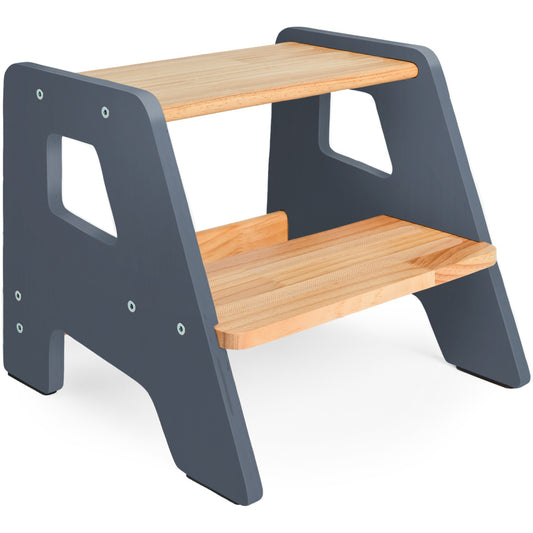
- Provide Access: Use a safe, stable step stool, like those from Ocodile, to give your child access to sinks and mirrors. This simple tool is essential for them to participate fully in hygiene routines.
- Model and Guide: Demonstrate each activity slowly and precisely. Use minimal words so your child can focus on your actions.
- Allow Time: Rushing undermines learning. Build extra time into your morning and evening routines so your child can practice dressing or brushing their teeth at their own pace.
4. Practical Life Care of Environment Activities (Cleaning and Organizing)
Care of the environment is a cornerstone of practical life Montessori activities, teaching children to take pride and responsibility for their surroundings. These activities involve real, purposeful work like sweeping, dusting, and organizing, which helps children develop a deep respect for their home and classroom. By engaging in these tasks, a child internalizes a sense of order, builds motor skills, and learns to be a contributing member of their community.
This practice moves beyond simple chores; it is about fostering an awareness of one's impact on a shared space. When a child learns to clean up a spill or put their toys away, they are developing concentration, sequence, and coordination. These are foundational skills that support all other areas of learning.
How to Implement Care of Environment Activities
Integrating these activities means providing the right tools and opportunities for your child to participate meaningfully in household upkeep.
- Cleaning Tasks: Provide a child-sized broom and dustpan for sweeping up crumbs after a meal. A small spray bottle with water and a cloth is perfect for wiping low tables or windowsills.
- Organizing Belongings: Create designated, accessible places for toys, books, and clothes. A crucial aspect of practical life is teaching children how to care for their own belongings, and a realistic guide on how to organize kids' clothes in a closet can be immensely helpful.
- Plant and Pet Care: Simple responsibilities like watering a plant or helping to fill a pet’s food bowl teach empathy and care for living things.
Tips for Success
To foster a genuine love for caring for the environment, approach these activities with patience and encouragement.
- Provide Real Tools: Invest in child-sized, functional tools. A toy broom that doesn't actually sweep will only cause frustration.
- Model with Joy: Perform your own cleaning and organizing tasks with a positive attitude. Your child will mirror your respect for the work.
- Break Down Tasks: Show your child each step of a task, such as how to hold the dustpan or fold a cloth, before expecting them to do it independently.
- Focus on Process, Not Perfection: The goal is the development of skills and a sense of responsibility, not a spotlessly clean house. Praise their effort and participation.
5. Grace and Courtesy Lessons and Social Practical Life Skills
Grace and courtesy lessons are a cornerstone of practical life Montessori activities, focusing on developing social skills through modeled demonstrations and guided practice. This goes beyond simply teaching manners; it involves showing children how to interact with others respectfully, kindly, and thoughtfully. The activities include greeting others, using polite language like "please" and "thank you," waiting for a turn, and offering help to a friend.
These lessons are presented as beautiful and practical ways to live harmoniously within a community. By internalizing these behaviors, children develop empathy, self-respect, and social competence, building a strong foundation for positive relationships throughout their lives.
How to Implement Grace and Courtesy Lessons
Integrating these lessons involves modeling desired behaviors and creating opportunities for your child to practice them in real-world scenarios.
- Greeting and Welcoming: Practice how to greet a visitor at the door. Show your child how to make eye contact, smile, and say, "Hello, welcome to our home."
- Polite Interruptions: Demonstrate how to gently place a hand on someone's arm and wait for a pause in the conversation before speaking, rather than shouting to get attention.
- Offering Help: Model offering assistance to others. For example, if you see a younger sibling struggling to carry a toy, you can say, "It looks like your hands are full. May I help you with that?"
- Conflict Resolution: Role-play simple scenarios where two children want the same toy, guiding them through using "I feel" statements and finding a compromise.
Tips for Success
Success with grace and courtesy comes from consistent, patient modeling rather than correction. The goal is to inspire kindness, not to enforce rules.
- Demonstrate, Don't Preach: Show, don't just tell. Children learn best by observing your actions. Let them see you being polite to the cashier, your partner, and them.
- Use Role-Playing: Practice new skills in a fun, low-pressure way. Use dolls or stuffed animals to act out social situations before they happen.
- Acknowledge Effort: Notice and praise specific kind behaviors. Saying, "I saw how you waited patiently for your turn; that was very respectful," is more effective than a generic "good job."
6. Practical Life Food Preparation and Cooking Activities
Food preparation and cooking activities involve children in selecting, preparing, cooking, and serving food. These Montessori practical life activities develop fine and gross motor skills, sequencing, sensory awareness, and real-world math and science understanding.

From spreading soft foods on toast to measuring ingredients, each step promotes independence and confidence. Using an Ocodile standing tower ensures your child can safely reach counter and stove height, turning daily meals into multi-sensory lessons.
Implementing Food Prep in Your Home
Offer age-appropriate tasks that align with developmental skills:
- Two-year-olds: Spread soft foods like butter or hummus with child-safe knives
- Three-year-olds: Wash vegetables, tear lettuce, and arrange salad components
- Preschoolers: Measure dry ingredients, mix batters, and decorate simple recipes
- Family involvement: Plan weekly meals together to reinforce sequencing and planning
Tips for Success
Integrate these Montessori principles to maximize learning:
- Safety and Access: Position an adjustable Ocodile step stool or standing tower on a non-slip surface
- Simple Recipes: Choose recipes with 3-5 steps and easy-to-handle ingredients
- Process Over Product: Encourage exploration and tasting to build sensory awareness
- Child-Sized Tools: To foster independence in the kitchen, consider choosing a perfect mini cookware set
- Hygiene and Cleanup: Teach proper hand washing and involve children in washing dishes
- Guided Dialogue: Narrate each step to develop vocabulary and sequencing skills
These practical life montessori activities transform routine cooking into meaningful lessons. By embedding real-world tasks into everyday life, children gain confidence, responsibility, and joy in learning.
7. Practical Life Fine Motor Skill Development (Pouring, Transferring, and Hand Strength Activities)
Fine motor skill activities are a cornerstone of practical life Montessori activities, designed to strengthen the small muscles in a child's hands and fingers. These purposeful exercises, such as pouring, transferring objects with tweezers, and fastening clothes, are crucial for developing hand-eye coordination, precision, and control. More than just play, these tasks prepare the hand for writing while building deep concentration and patience.
This area of practical life provides immediate sensory feedback and a clear purpose, allowing a child to achieve mastery through repetition. By engaging in these self-correcting activities, children gain confidence and a tangible sense of accomplishment, which fuels their independence and love for learning.
How to Implement Fine Motor Activities
The key is to create inviting, accessible "trays" or stations with specific tasks that a child can choose and complete independently. Place these on low shelves they can reach on their own.
- Pouring & Transferring: Start with dry goods like beans or rice, letting your child pour them between small pitchers. Progress to transferring items like pom-poms or beads between bowls using spoons, tongs, or tweezers.
- Threading & Fastening: Provide large beads and a shoelace for threading practice. A "dressing frame" with large buttons, zippers, or snaps allows a child to master skills needed for getting dressed.
- Hand Strength: Squeezing sponges to transfer water from one bowl to another or using a spray bottle to water plants are excellent activities for building hand and finger strength.
Tips for Success
To foster genuine skill development, present these activities with minimal instruction and allow for uninterrupted focus.
- Start Simple: Begin with larger objects (like pasta) and tools (like scoops) before introducing smaller items (beads) and more precise tools (tweezers).
- Contain the Mess: Always place pouring or water-based activities on a tray to define the workspace and make cleanup part of the activity.
- Observe Patiently: Allow your child to problem-solve and repeat the activity as many times as they wish. Avoid correcting them; the materials are designed to be self-correcting.
- Rotate Activities: Keep your child engaged by regularly rotating the tasks on their shelf. For a deeper dive into these exercises, you can find a comprehensive guide to fine motor skills development activities on ocodile.com.
8. Practical Life Care of Others and Community Contribution
Beyond individual independence, practical life Montessori activities extend to nurturing a child’s sense of community and empathy. Care of others activities shift the focus from self-care to caregiving, teaching children how their actions can positively impact their family, friends, and the wider community. This fosters a deep sense of responsibility, social awareness, and belonging.
These tasks are not chores but meaningful contributions that build character and social-emotional intelligence. By engaging in real, helpful work for others, a child learns that they are a valuable and capable member of a group. This understanding is foundational to developing empathy, leadership skills, and an intrinsic desire to contribute.
How to Implement Care of Others Activities
Integrating these activities involves identifying genuine opportunities for your child to help within their natural environment, from the home to the neighborhood.
- Family Contributions: Involve your child in preparing a snack for a sibling, helping set the table for a family meal, or sorting laundry for everyone. These tasks demonstrate how individual efforts benefit the whole family.
- Caring for Others: Encourage making a get-well card for a sick relative, helping to bake cookies for a neighbor, or watering a community garden plot.
- Mentoring Younger Children: An older sibling can read a story to a younger one or help them put on their shoes. This builds leadership skills and strengthens sibling bonds.
Tips for Success
The goal is to foster a genuine spirit of helpfulness, not to assign chores. Frame these tasks as opportunities rather than obligations.
- Model Empathy: Consistently demonstrate caring and helpful behaviors yourself. Children learn best by observing the adults in their lives.
- Acknowledge the Impact: Instead of a generic "good job," be specific. Say, "Thank you for helping me water the plants. Now they have the water they need to grow strong."
- Keep it Voluntary: Invite your child to help rather than demanding it. Forced helpfulness undermines the development of intrinsic motivation and kindness.
- Start Small: Begin with simple tasks within the immediate family and gradually expand to include friends, neighbors, and the community as your child’s capacity grows.
8-Item Comparison: Practical Life Montessori Activities
| Activity | Complexity 🔄 | Resources ⚡ | Expected outcomes 📊 | Ideal use cases 💡 | Key advantages ⭐ |
|---|---|---|---|---|---|
| Practical Life with Standing Towers (Learning Towers) | Moderate — assembly, stable placement and supervision required | Moderate — purchase of tower + counter/sink access | High — increased participation, motor skills, independence | Kitchen tasks, sink work, family cooking routines | Safe counter access; fosters independence & family engagement |
| Floor Beds and Independent Sleep Spaces | Low–Moderate — room proofing and gradual transition | Low — mattress/frame, childproofing, bedding | High — autonomy, self-regulation, smoother crib-to-bed transitions | Toddlers transitioning from cribs; Montessori bedrooms | Encourages independence; safe, accessible sleep environment |
| Care of Self (Dressing, Grooming, Hygiene) | Moderate — environment adaptations and repeated teaching | Moderate — low sinks, stools, child-sized tools, visual guides | High — self-reliance, fine motor skills, executive function | Daily hygiene routines, dressing practice, potty training | Builds lifelong self-care, confidence; reduces parental workload |
| Care of Environment (Cleaning & Organizing) | Low–Moderate — tool setup and routine coaching | Low — child-sized cleaning tools, low storage, safe cleaners | Medium–High — responsibility, order, motor coordination | Toy tidy, sweeping, table setting/clearing at home or class | Teaches stewardship, responsibility, and collaborative skills |
| Grace and Courtesy (Social Practical Life Skills) | Moderate — consistent adult modeling and real practice | Minimal — time, modeled interactions, role-play opportunities | High — empathy, social competence, reduced conflict | Mealtimes, playdates, classroom transitions and greetings | Builds emotional intelligence, respectful behavior, social ease |
| Food Preparation & Cooking Activities | High — safety planning, close supervision, recipe prep | Moderate–High — utensils, ingredients, child-safe tools, tower | High — sequencing, motor skills, sensory learning, nutrition awareness | Family cooking, meal prep, sensory/math-integrated lessons | Teaches real-world cooking skills; promotes bonding & confidence |
| Fine Motor Skill Development (Pouring, Transferring) | Low–Moderate — material prep, rotation and oversight | Low — manipulatives, trays, tweezers, storage | High — hand strength, concentration, pre-writing readiness | Focused table work, quiet activity periods, preschool stations | Directly prepares for writing; builds precision and focus |
| Care of Others & Community Contribution | Moderate — select age-appropriate tasks and model consent | Low — real tasks within family/community; minimal materials | High — empathy, leadership, sense of belonging | Helping siblings, meal delivery, classroom pet care, service projects | Fosters altruism, responsibility, and meaningful contribution |
Building a Foundation for Life, One Small Task at a Time
Integrating the rich world of practical life Montessori activities into your daily routine is far more than just adding new items to a to-do list. As we've explored, this philosophy is about fundamentally shifting your perspective. It’s about recognizing and honoring the profound capability, determination, and innate desire to contribute that resides within every child. From the focused effort of a toddler pouring water to the pride of a preschooler setting the table, these tasks are the building blocks of a competent and confident human being.
The activities detailed, from dressing and grooming to cleaning, organizing, and food preparation, are not chores assigned to keep children busy. They are carefully chosen opportunities for growth. Each successful attempt, and even each mistake, builds a stronger foundation of independence, concentration, and self-esteem. You are not just teaching a skill; you are nurturing a mindset that says, "I can do it myself," "I am helpful," and "My contributions matter."
Key Takeaways for Your Montessori Journey
Recalling the core principles from this guide will help you create a supportive home environment where your child can thrive. Remember these essential points as you begin to implement more practical life Montessori activities:
- Prepare the Environment: Success begins with a prepared space. This means having child-sized tools, accessible materials, and supportive furniture like Ocodile standing towers that bring your child safely to counter height. An ordered, beautiful environment invites engagement.
- Observe and Follow the Child: Your child is your best guide. Pay close attention to their interests and sensitive periods. If they are fascinated by water, offer more pouring and washing activities. If they want to be near you in the kitchen, invite them to participate.
- Isolate the Difficulty: Break down complex tasks into simple, manageable steps. Focus on teaching one skill at a time, such as mastering a pouring motion before asking them to pour ingredients for a recipe.
- Embrace the Process, Not Perfection: The goal is not a perfectly sliced banana or a spotless window. The true value lies in the effort, the concentration, the repetition, and the joy of participation. Spills and messes are simply part of the learning curve.
Your Actionable Next Steps
Feeling inspired? The best way to start is to start small. You do not need to overhaul your home overnight.
- Choose One Area: Select one category of practical life that aligns with your child’s current interests. Is it self-care? Start by setting up a low hook for their coat and a small stool by the sink. Is it food prep? Invite them to wash a single carrot.
- Gather Simple Materials: Look around your home. You likely already have most of what you need: small pitchers, bowls, sponges, and child-safe utensils.
- Model with Purpose: When you present an activity, do so slowly and with minimal words. Let your deliberate, graceful movements be the instruction.
By weaving these practical life Montessori activities into the fabric of your family life, you are giving your child an invaluable gift. You are fostering a love for learning, a sense of responsibility, and a deep-seated confidence that will empower them long after they have outgrown their first small pitcher. The result is not just a more independent child, but a joyful, capable, and integral member of the family unit, ready to take on the world one small, meaningful task at a time.
Ready to create an environment where your child can safely and independently participate in daily life? The Ocodile standing tower is designed to bring your child to the right height, transforming your kitchen counter into a world of learning and connection. Explore our collection of thoughtfully crafted Montessori-inspired furniture at Ocodile and empower your child's practical life journey today.