



Choosing the Best Craft Table Wood for Creative Kids
Picking the right craft table wood really comes down to finding a material that can handle some serious creative chaos while being safe for your little one. You're basically trying to find that sweet spot between durability and price, with choices from tough solid hardwoods like oak to more budget-friendly engineered woods like MDF. The right wood provides a solid, dependable surface for all the painting, building, and learning to come.
The Foundation of a Creative Space
Just imagine having a dedicated spot in your home where your child’s imagination can truly take off. A place for splattering paint, building block towers, and getting lost in a project. That’s what a good wooden craft table gives you. It's not just another piece of furniture; it’s the centerpiece of a little creative world that encourages curiosity.
This special zone, built around a sturdy table, is what some child development experts call a "yes space." It's a corner of the world where your child can explore materials and ideas freely, without hearing "no" all the time.
Fostering Key Developmental Skills
A solid craft table is the perfect stage for activities that build some pretty important skills. When kids are gripping a crayon, squishing clay, or carefully lining up beads, they're sharpening their fine motor skills. This kind of hands-on play is exactly what they need to develop the dexterity for writing and other daily tasks.
On top of that, having their own workspace gives them a real sense of independence. When children can grab their own supplies and work at a table that’s just their size, they start learning how to kick off projects and manage their own creative flow.
Of course, a big part of keeping that creative space inviting is knowing how to organize craft supplies. When everything has a place, it’s much easier for kids to jump right into their next masterpiece without a big search party.
By establishing an accessible 'yes space' centered around a sturdy table, you're not just organizing art supplies; you're building a foundation for lifelong curiosity and hands-on learning.
Creating Lasting Family Memories
Beyond just building skills, a craft table is where you connect. It's the spot where you can sit side-by-side, working on a weekend project or just doodling together. These shared moments are what build those family memories you'll look back on for years.
All the paint splatters and marker scribbles that will inevitably cover the table aren't just a mess. They're little reminders of the laughter, learning, and beautiful chaos of childhood. A durable wooden table quietly holds on to that history, becoming part of your family’s story.
Understanding Different Types of Craft Table Wood
Picking the right wood for your child's craft table can feel a bit overwhelming. You’ll see terms like solid wood, engineered wood, pine, and MDF, and it’s not always clear what the best choice is. It’s about more than just the price tag; it’s an investment in a piece of furniture that needs to stand up to a whole lot of creativity (and chaos!).
Let’s break down the common wood types you’ll run into. Think of it like this: each one has its own personality, with different strengths and weaknesses.
This simple diagram shows just how central a craft table is. It’s not just a piece of furniture, but the foundation for building skills, independence, and wonderful family memories.

Your choice of material directly supports your child’s development, so it's worth getting it right.
Solid Woods: The Durable Classics
When you hear "solid wood," it usually falls into one of two camps: hardwood or softwood. The names don't really describe how they feel to the touch, but rather their density and how they grow.
Hardwoods (Oak, Maple, Birch) Think of hardwoods as the cast-iron skillets of the furniture world. They're heavy, incredibly tough, and can be passed down through generations.
They easily resist dents, scratches, and just about any other mayhem your little artist can dream up. The trade-off? That durability comes with a higher price tag and some extra weight, which makes them very stable but a pain to move.
Softwoods (Pine, Fir, Cedar) Softwoods are more like your favorite everyday pan—lightweight, affordable, and perfect for daily use, even if they show a bit of wear over time.
Pine is a super common choice for kids' furniture for a reason. It's easy on the wallet, light enough to reposition, and takes paint or stain beautifully if you’re looking for a fun DIY project. The downside is that it’s, well, soft. It will definitely collect dings and dents from dropped toys or enthusiastic scribbling.
Engineered Woods: The Practical Hybrids
Engineered woods are created by combining wood fibers, veneers, or particles with adhesives. This process creates materials that are often more stable and budget-friendly than solid wood.
-
Plywood: Made from thin sheets of wood veneer glued together in alternating directions, plywood is a real workhorse. It’s strong, resists warping, and strikes a great balance between cost and performance.
-
Medium-Density Fiberboard (MDF): MDF is made from very fine, recycled wood fibers pressed together with resin. Its surface is perfectly smooth with no wood grain, making it an ideal canvas for a painted finish. While it’s usually the most affordable option, its big weakness is water—it can swell and get damaged if not sealed properly.
Comparing Common Woods for Your Child's Craft Table
To make things a little easier, here’s a quick comparison of the most popular wood types for children's furniture. This table should help you weigh the pros and cons of each based on what matters most to your family.
| Wood Type | Durability & Hardness | Typical Cost | Best For | Maintenance Needs |
|---|---|---|---|---|
| Hardwood (Oak, Maple) | Very high. Resists dents and scratches exceptionally well. | High | Families wanting a long-lasting, heirloom-quality piece that can take abuse. | Minimal; occasional cleaning. Can be refinished if needed. |
| Softwood (Pine) | Low to medium. Prone to dents, dings, and scratches. | Low | Budget-conscious families or those who enjoy customizing with paint or stain. | May require touch-ups or refinishing to hide wear over time. |
| Plywood | High. Very strong and resistant to warping and cracking. | Medium | A durable, mid-range option that offers stability without the high cost of hardwood. | Requires sealed edges to prevent moisture damage. |
| MDF | Low. Scratches easily and is very susceptible to water damage. | Very Low | The most budget-friendly choice, especially for items you plan to paint. | Must be fully sealed with paint or varnish to protect from spills. |
Ultimately, the "best" wood really depends on your budget and how much wear and tear you expect the table to endure. Hardwoods are a buy-it-once investment, while options like pine and MDF offer practicality at a lower price point.
The trend toward sturdy, long-lasting furniture is clear. Parents are increasingly looking for pieces that are both beautiful and functional, which is why the wood furniture market is projected to grow from USD 252.42 billion in 2025 to USD 331.06 billion by 2032. You can dig into the full wood furniture market analysis to see how premium hardwoods and affordable MDF are both driving this growth.
Key Safety Features for Your Child's Craft Table
When you're picking out a craft table wood is a fantastic choice for its looks and durability, but nothing is more important than safety. A truly safe table is one where the potential for bumps, tumbles, and other ouchies has been carefully designed out. This creates a worry-free zone where your child can create and you can breathe easy.
Let’s break down the essential safety features to keep on your checklist.

Think of a craft table as your child’s very first workspace. Just like you'd want a desk that's ergonomic and secure, your little one needs a setup that supports their growing body and keeps them safe from common household hazards.
Non-Toxic and Air-Friendly Finishes
One of the most overlooked parts of furniture safety is the air your child breathes. Many paints, stains, and glues release something called Volatile Organic Compounds (VOCs). These chemicals can be harmful, especially for young children whose bodies are still developing.
Always look for tables that are specifically labeled with non-toxic, low-VOC, or zero-VOC finishes. This is a big deal if you're looking at an MDF or painted wood table, since the sealant is what protects the material and your child. If a brand is proud of its safe finishes, they'll say so. We dive deeper into the importance of non-toxic kids' furniture in our other guide.
Structural Stability and Smart Design
A wobbly table is just an accident waiting to happen. The best way to stop a table from tipping over is to choose one with a smart, stable design. A few simple features make a world of difference when it comes to withstanding the pushing, leaning, and general chaos of a busy toddler.
Here are the top design details to look for:
- Rounded Corners: Sharp, 90-degree corners are like magnets for bumps and bruises. Soft, rounded edges are one of the simplest and most effective safety features for any piece of kids' furniture.
- Splayed Legs: Look for legs that angle outward from the tabletop. This creates a much wider and more stable base, making it significantly harder for the table to tip if a child leans on it.
- Proper Height: The table should be the right size for its user. An ideal craft table lets your child sit with their feet flat on the floor, which encourages good posture and makes them less likely to try climbing or standing on their chair.
A safe craft table isn't just about avoiding injuries; it’s about creating a space where a child feels secure enough to explore their creativity without hesitation. It removes physical barriers to play.
Of course, the table is just one piece of the puzzle. The entire art area needs to be safe for your little artist. Learning how to childproof your home can give you a complete roadmap for making the whole space secure. That kind of preparation gives everyone peace of mind.
Design That Sparks Creativity and Reduces Clutter
A fantastic craft table is the heart of a creative space, but the real magic happens when you build an organized, inspiring world around it. The aim is to create a corner that practically begs for creativity, while making cleanup a simple part of the fun, not a dreaded chore.

You can think of this little area as your child's very first studio. When it's both functional and inviting, you’ll find it naturally encourages more screen-free time and helps them learn about tidiness and responsibility from the get-go.
Building a Montessori-Inspired Zone
The Montessori approach is big on creating environments where children can do things for themselves. For a craft area, this simply means everything has its own spot and is easy for your child to reach. A sturdy craft table wood surface is the perfect hub for this kind of self-guided play.
This setup really helps build their independence. Your child doesn't need to ask you for help to get started—they can see the paper, grab their own crayons, and dive into their project all on their own.
An accessible and organized craft station empowers children to take ownership of their creative process. It sends the message that their ideas are important and their materials are ready whenever inspiration strikes.
This way of organizing does more than just cut down on clutter; it also reduces a lot of potential frustration. When kids know exactly where everything goes, they’re far more likely to put things back, turning cleanup into a quick and satisfying task.
Smart Storage for Seamless Creativity
The very best designs build storage right into the table or the space immediately around it. This keeps the main work surface clear for big projects while making sure supplies are just an arm's reach away. A few clever features can make a huge difference in how the space is used every day.
Look for these key storage solutions:
- Integrated Paper Roll Holders: A built-in holder for a big paper roll is a game-changer. It provides a seemingly endless canvas for grand ideas and makes setup a breeze. Just unroll, create, and tear off.
- Recessed Cup Holders: These are a lifesaver. Built-in holders keep wobbly cups of paint water or markers from tipping over, saving you from one cleanup headache after another.
- Attachable Bins and Hooks: Bins that hang on the side are perfect for bulkier items like modeling clay or yarn. Hooks can keep scissors and smocks off the table but still totally accessible.
By pairing a solid wooden table with some smart organization, you create a powerful invitation to play. You can find even more ideas for combining a table with organization in our guide to the best arts and crafts table with storage.
Should You Buy or DIY Your Craft Table
It’s the big question every family asks when setting up a creative corner: should we buy a craft table or just build one ourselves? There’s no right or wrong answer here. It really comes down to your budget, how much free time you have, and whether you're friends with a saw and some sandpaper.
Going with a store-bought table is the most direct route to an instant art station. These tables give you peace of mind right out of the box. They’re built to meet safety standards, have professional finishes, and are ready for action as soon as you put them together.
The Case for Buying a Pre-Made Table
For most busy families, buying a table is all about convenience. You don't have to worry about the little details because the manufacturer already has. Things like rounded corners and certified non-toxic finishes are already taken care of. That's a huge plus, as finding and applying a child-safe sealant can be a tricky part of any DIY job.
The time you save is another massive win. Instead of losing a weekend to measuring, cutting, and assembling, you can have a beautiful, sturdy, and safe table ready for your little artist in less than an hour. The creativity can kick off immediately.
The Rewards and Realities of a DIY Project
Now, building your own craft table wood project can be an incredibly satisfying experience. It gives you total control. You can design it to the perfect height for your child, add clever storage nooks, and pick a wood and finish that perfectly matches your home.
But, you have to be realistic about what it takes. A DIY project requires the right tools, a dedicated space to work, and the skill to pull it off safely.
Building a craft table yourself is about more than saving money; it's about creating a custom piece infused with love. But it demands a commitment to sourcing safe materials and mastering the techniques needed for a durable, child-friendly result.
If you’re leaning toward a DIY build, think carefully about these points:
- Tool & Skill Requirements: Do you own or have access to a saw, drill, and sander? More importantly, are you confident you can make straight cuts and build joints that will hold up to a toddler?
- Material Sourcing: You’ll need to find good quality wood and—this is critical—a non-toxic, low-VOC finish that is certified as safe for children's toys and furniture.
- Time Commitment: A well-made table isn’t a one-afternoon job. It can take several days or even a couple of weekends from the first sketch to the final coat of finish.
Whether you buy or build, the end goal is a wonderful, dedicated space for your child's imagination to run wild. If you're looking for more ideas on pulling the whole art area together, our guide to craft furniture and storage has plenty of inspiration.
Why Wood Is Still the Gold Standard
In a world overflowing with plastic toys and furniture that doesn't last, wood really stands on its own. When you’re picking out something that will see as much action as a kid's craft table, the material you choose makes all the difference. A quality craft table wood isn’t just a surface—it's a choice for something durable, beautiful, and real.
Unlike plastic that can crack under pressure or metal that feels cold and clinical, wood brings a natural warmth into a room. It has this incredible knack for taking a beating—from spilled paint to overenthusiastic hammering—and somehow looking even better for it. Every little ding and colorful stain just adds to its character, telling the story of your child's creative journey.
More Than Just a Table: An Investment in Quality
Let's be honest, choosing wood is a deliberate move away from the throwaway stuff. This isn't a piece you expect to be carting to the curb in a year or two. A well-made wooden table is sturdy enough to transition into a homework desk and, who knows, maybe even become a treasured hand-me-down for the next generation. It’s a tangible link to childhood.
And it’s not just us who feel this way. The global wooden furniture market is expected to hit a staggering USD 989.8 billion by 2034. It's also projected that wood will make up 57% of the entire furniture market by 2025. If you're curious, you can dig into the full report on the growing wooden furniture market to see why so many families are leaning into its lasting appeal.
A wooden craft table isn't just another purchase. Think of it as a foundation—an investment in quality, a commitment to safety, and the start of a future heirloom that will hold a generation of creative memories.
When you bring a wooden table into your home, you're doing more than just buying furniture. You're consciously choosing a safe, non-toxic, and dependable spot for your child to create and grow. It’s about creating a space that’s as beautiful as it is functional, filled with natural materials you can feel good about.
Your Craft Table Questions, Answered
You’ve decided on a wooden craft table—that’s fantastic! But picking out the perfect piece of furniture often brings up a few practical questions. Let's get you some clear answers so you can feel completely confident in your choice.
Here are some of the most common things parents ask about their craft table wood.
How Do I Clean a Wooden Craft Table?
Once your little artist starts creating, you'll quickly realize how important easy cleaning is. The best method really depends on the table's finish, but some general rules will always serve you well. For daily messes like dust and crumbs on a sealed surface, a damp cloth with a tiny bit of mild soap is all you need.
The golden rule? Wipe up spills—paint, juice, you name it—as fast as you can. This stops the mess from seeping into the wood grain and becoming a permanent part of the decor.
For those more stubborn stains, don't panic. You can try a gentle approach:
- Marker Stains: Mix up a paste with baking soda and a little water. Rub it gently onto the stain with a soft cloth, and then wipe it all away with a clean, damp cloth.
- Sticky Residue: For that leftover sticker goo or dried glitter glue, a bit of vegetable oil on a cloth can work wonders, breaking down the stickiness without harming the wood's finish.
A friendly piece of advice: always test a new cleaning method on a hidden spot first, like the underside of the table. This is a simple way to make sure you won't accidentally discolor the finish.
What’s the Best Height for a Kids Craft Table?
Getting the height right is all about comfort and good posture. You want your child to be able to sit with their feet flat on the floor and their knees at a nice, 90-degree angle. This simple ergonomic setup prevents them from getting fidgety and encourages them to stay lost in their creative world for longer.
Here’s a quick guide to help you out:
- For toddlers (ages 2-4): A table that's around 18-20 inches high is usually the sweet spot.
- For preschoolers (ages 4-6): Aim for something in the 20-22 inch high range.
If you want a table that will last for years, an adjustable-height model is a really smart investment. It can grow right alongside your child through all their creative phases.
How Can I Make an Existing Table Safer?
It’s easy to give an existing wooden table a safety upgrade with just a few tweaks. The quickest win is adding soft, silicone corner protectors to any sharp edges—this simple fix can prevent a surprising number of bumps and bruises.
Give the table a good shake to check for wobbles and tighten any loose screws. If it still feels a little unsteady, furniture anchors are a great way to secure it to the wall for total peace of mind.
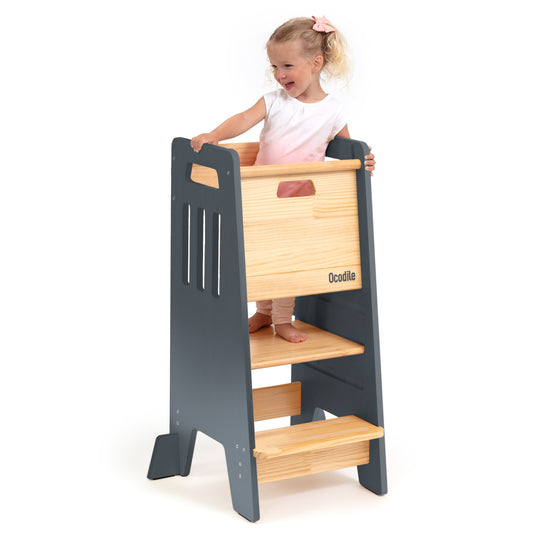
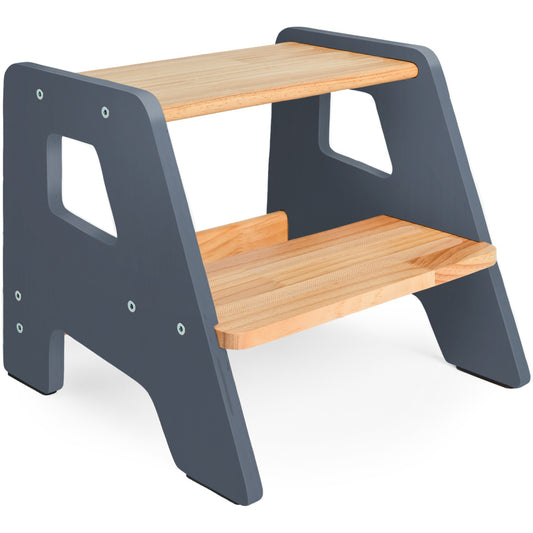
At Ocodile, we believe in creating spaces where children can thrive safely. Our thoughtfully designed furniture is built to give your child the independence they crave and the security you need. Explore our collection to find the perfect piece for your family's creative corner.