

 - Monica
 - Lindsay

Outdoor Kid Table and Chairs: A Parent's 2026 Guide
Your child has probably already told you what they need.
Maybe it was a plastic cup balanced on the patio step for a pretend tea party. Maybe it was crayons spread across the outdoor rug, or a snack plate placed on an upside-down bucket because they wanted “their own table” next to yours. Children ask for a place of their own long before they can explain why. They want somewhere they can sit, work, pour, stir, draw, sort, and rest without always needing an adult setup.
That's why choosing an outdoor kid table and chairs matters more than many parents expect. It isn't just backyard furniture. It can become a steady little base for independence, safer play, and the kind of family routines that feel simple while they're happening and precious later on.
More Than Just Furniture A Space for Outdoor Discovery
A child-sized table outside changes how a space gets used. A balcony corner becomes a painting studio. A patch of lawn becomes a picnic spot. A shaded patio becomes the place where your child peels clementines, lines up leaves, pours water between cups, or proudly announces that lunch is “served.”

Parents often start by looking for something practical. They want a place for snacks, crafts, and less mess inside the house. Then they notice something deeper. When the furniture fits the child, the child uses it differently. They climb in more confidently, stay engaged longer, and begin treating the setup as their own work and play area.
Why families are paying attention
This isn't a niche purchase anymore. The global market for kids' outdoor play furniture was valued at $2.8 billion in 2024 and is projected to reach $4.1 billion by 2030, fueled by a 28% rise in demand since 2020 as parents seek durable, safe outdoor solutions, according to Pottery Barn Kids outdoor furniture market context.
That growth makes sense when you look at everyday family life. Parents want fewer flimsy pieces that wobble or crack after one season. They also want outdoor spaces that invite children to stay present, use their hands, and join family life without always being perched awkwardly at adult furniture.
Big idea: A good outdoor setup gives a child a clear message. “You belong here too.”
What a table can teach without feeling like teaching
An outdoor kid table and chairs supports skills that don't need flashcards or formal lessons.
- Ownership of space: Children learn where their cup goes, where crayons belong, and how to reset their area after using it.
- Body confidence: Sitting with feet grounded and surfaces within reach helps children move with less strain and less frustration.
- Real participation: They can shell peas while you garden, have a snack beside a sibling, or wash toy animals in a basin while you clean up nearby.
That's why I encourage parents to think beyond color or style first. Start with three questions. Is it safe? Does it fit your child's body? Will it support the way your family spends time outside?
When those answers are yes, the table stops being just another object in the yard. It becomes a place where a child's world gets a little bigger.
The Foundation of Safe Outdoor Play
Safety has to come first, especially outdoors where surfaces are uneven, children move fast, and furniture gets dragged, climbed on, and used in ways adults didn't plan for.

A cute set isn't enough. A lightweight chair that skids on stone, a narrow table that tips when leaned on, or a rough edge at forehead height can turn a pleasant afternoon into an urgent one. The design details matter because children don't use furniture gently. They twist, push, stand, kneel, and shift their weight quickly.
What makes a set safer
The biggest priority is stability. The U.S. Consumer Product Safety Commission reports that unstable tables or chairs tipping over account for roughly 22,500 emergency room visits annually for children, as noted in this kid-friendly outdoor furniture safety overview. That tells us something important. Tipping isn't a minor annoyance; it's a real hazard.
Look closely for these features when you shop:
- A broad, steady base: Chairs should feel planted when your child sits down quickly or leans sideways.
- Rounded corners and smoothed edges: Outdoor play includes running, turning, and bumping into furniture while distracted.
- Solid joinery or secure hardware: If a table wobbles in the showroom or after basic assembly, it won't improve with use.
- Grippy foot contact: This matters on patios, decks, and slightly slick surfaces.
Safety isn't only about the furniture
The setup around the furniture matters too. Shade reduces glare and heat on surfaces. Clear walking space lowers trip risk. If your family eats or crafts outside often, screened coverage can also make the experience calmer. If bugs regularly drive everyone indoors, this guide to innovative insect protection for outdoor venues offers useful ideas for creating a more usable outdoor area for children.
Choose the spot before you choose the set. Even excellent furniture performs poorly on a sloped, crowded, or slippery surface.
A quick product video can also help you notice construction details that product photos hide.
Red flags parents often miss
Parents naturally focus on whether a set looks sturdy. I'd go one step further and test how it behaves.
- Push from the side: If the chair shifts too easily, your child can tip it while climbing in.
- Check edge height: The most dangerous corners are often right at cheek or eye level.
- Notice seat friction: Very smooth seats can encourage sliding, especially with shorts or wet clothing.
- Run your hand underneath: Hidden rough spots and exposed fasteners often sit below the tabletop.
Practical rule: If you'd feel the need to constantly say “be careful around that,” it's probably the wrong set.
Children should be free to move naturally around their furniture. Good design reduces the number of warnings a parent has to give. That's one of the clearest signs that a piece is supporting play instead of interrupting it.
Choosing the Right Size and Materials
Many parents assume any small table will do. In practice, fit changes everything. A set that's too big turns snack time into climbing. A set that's too cramped makes children slouch, perch, or abandon it altogether.

Start with body fit, not age labels
Age ranges on product listings can help, but they don't tell the full story. Children vary a lot in height, leg length, confidence, and how they use a table. A better test is simple. Can your child climb in and out without strain? Can they rest their arms on the table without lifting their shoulders? Can they sit with a stable base instead of dangling awkwardly?
Biomechanical studies cited by National Outdoor Furniture's children's tables guide note that child-sized picnic tables with low bench heights of 10 to 12 inches and rounded edges can reduce the severity of fall-related head injuries by up to 70% compared to drops from adult-scale furniture. That's one reason child-scale furniture is more than a convenience. It matches how children move.
A few practical signs of good fit:
- Your child can sit down independently without climbing onto a high seat first.
- Knees bend comfortably instead of pressing up under the tabletop.
- The table surface is reachable for drawing, pouring, or snack setup without leaning across it.
- There's enough elbow room if siblings or friends sit together.
For more ideas on planning a child-friendly outdoor area, this article on toddler outdoor furniture ideas is a helpful companion.
Material affects daily life more than parents expect
Material determines how the set feels, how often you maintain it, and how well it handles your weather. It also changes the look of your outdoor space. Some families want something natural and warm. Others need something they can hose off after every muddy afternoon.
If your child loves scooping, pouring, and sensory play, it can help to think of the table as part of a bigger activity zone. These AS 4685 compliant sand tables are a useful example of how outdoor play furniture can be chosen with both safety and messy exploration in mind.
Outdoor Furniture Material Comparison
| Material | Pros | Cons | Best For |
|---|---|---|---|
| Wood | Warm, natural look. Often blends well with gardens and calm outdoor spaces. Can feel more substantial than lightweight plastic. | Usually needs more care, especially in wet or very sunny conditions. Surface changes over time. | Families who value aesthetics, natural materials, and don't mind seasonal upkeep |
| Recycled plastic or poly-style materials | Easy to wipe clean. Handles spills and damp conditions well. Often practical for frequent everyday use. | Style can feel more utilitarian depending on the design. Some lightweight versions feel less grounded. | Busy households, patios, childcare settings, snack and craft use |
| Metal | Strong and durable. Often works well in fixed setups. | Can get hot in direct sun. Weight can make rearranging harder. Needs rust-resistant finishing for outdoor use. | Permanent garden corners, shared spaces, older children with more structured use |
The best material is the one your family will actually maintain and enjoy using, not the one that sounds ideal on paper.
A simple way to decide
If you want low effort, start with easy-clean materials. If you care most about a soft, natural look, wood may feel more inviting. If the set will stay outside year-round, think hard about exposure, storage, and how much maintenance you'll realistically do.
Parents often overestimate how much upkeep they'll tolerate in the first month and underestimate how often the table will be used for wet crafts, sticky fruit, garden dirt, and bare feet. Choose for real life. That's usually the choice you'll stay happy with.
A Space for Independence and Growth
The most thoughtful outdoor kid table and chairs do something subtle. They reduce how often a child has to ask for help.
That matters in a Montessori-minded home because independence isn't about leaving children alone. It's about preparing the environment so they can do more for themselves, safely and successfully. A child-sized table outdoors can support that beautifully. The child can carry a cup to the table, sit down without being lifted, wipe a spill, place a bowl for birdseed, or start a drawing project from beginning to end.
What independence looks like in everyday use
It usually doesn't look dramatic. It looks ordinary.
A child slices soft strawberries with a safe utensil while you water plants. They brush dirt from a shell collection into a tray. They wash toy cars in a basin and then place them in the sun to dry. These are small actions, but they build a deep sense of competence.
A survey referenced in Polywood's outdoor kids furniture collection context found that 68% of Montessori-following parents actively seek outdoor furniture that enables independent access for their children, yet very few products explicitly cater to that demand. Parents feel this gap because many products focus on color, theme, or weather resistance, while ignoring how the child approaches and uses the furniture alone.
Why scale matters emotionally too
Furniture that fits a child tells them, “This space was prepared for you.” That feeling can lower frustration. Children are less likely to throw materials, abandon an activity, or constantly call for adult rescue when the environment works with their bodies.
You may notice changes like these:
- Longer attention spans outdoors because the child can remain comfortable and organized.
- More self-starting behavior such as bringing out paper, setting down a snack, or gathering leaves.
- Greater care for belongings because the space feels manageable rather than oversized and chaotic.
A well-sized table can turn “Can you do it for me?” into “I can do it myself.”
That's the developmental value many product listings miss. An outdoor set can support joy and family time, yes. It can also support autonomy, decision-making, and calm participation in daily life. For young children, those outcomes are never small.
Inspiring Activities for Your Outdoor Setup
Once the table is in place, parents sometimes use it only for snacks. That's a good start, but it can do much more. A well-placed outdoor kid table and chairs can become the most flexible learning spot in your home.

Five setups children return to again and again
-
The nature table
Put out a tray, a small bowl of water, a magnifying glass, and a cloth. Children can bring leaves, feathers, pebbles, seed pods, or flower petals to examine. The table gives them a clear workspace instead of turning every discovery into a handful of treasures carried through the house. -
A simple garden station
Add child-safe scoops, a watering can, and a few pots. Children can fill containers with soil, plant herbs, and wipe the table afterward. If you want ideas for designing the whole area around this kind of play, this MyGardenGPT guide for kid-friendly gardens offers practical inspiration. -
Washable art outside
Tape paper down, bring out chunky crayons, brushes, or washable paint, and let the mess stay outdoors. A nearby bucket of water and sponge helps children clean as they go.
Activities that support family rhythms
Some of the best uses are the least elaborate.
- Snack preparation: Sliced fruit, crackers, a child pitcher of water, and napkins let children practice serving.
- Toy washing: A shallow basin, soap, and a towel can hold attention for a long time.
- Outdoor lunch beside adults: Children often linger more happily when they have their own properly sized place.
If your child enjoys imaginative cooking and practical life play, you might also like these ideas for an outdoor kids kitchen setup.
Keep the setup easy to reset
The best activity area is one you can restore in a minute or two.
Try this simple routine:
- Use a tray for materials so the child can carry everything out at once.
- Keep one cleaning cloth nearby so wiping the table becomes part of finishing the activity.
- Limit the number of items on the table to avoid visual clutter and distraction.
- Rotate invitations based on weather, season, and your child's current interests.
Leave just enough out to invite action. Too many materials can make children restless instead of focused.
When a child knows what this little table is for, and can help set it up and put it back in order, the furniture starts doing quiet educational work every day.
Weatherproofing and Long-Term Care
Outdoor furniture always looks easiest on the day it arrives. The true test comes after sun, rain, pollen, muddy shoes, spilled smoothies, and long afternoons in full light.
The main job is preserving both safety and surface integrity. A chair that becomes brittle, rough, or loose over time doesn't just look worn. It becomes less pleasant and less dependable for a child to use.
Why sun protection matters
Sunlight breaks down many materials slowly. That's why some plastics fade, chalk, or crack after repeated exposure. According to the manufacturing and materials explanation in this HDPE UV protection overview, high-density polyethylene with UV inhibitors shows less than 5% color fade in accelerated weather testing, whereas untreated plastics can degrade by 20 to 30%, leading to brittleness and structural weakness.
That doesn't mean every family needs heavy-duty technical testing reports. It does mean you should pay attention to whether the product is intended for true outdoor use and how it handles constant sun.
Material-specific care that actually helps
- For wood: Wipe off dirt regularly, dry standing water, and follow the maker's guidance for sealing or refinishing. Covered storage during harsh weather helps preserve the finish.
- For plastic or HDPE-style materials: Wash with mild soap and water. Skip abrasive scrubbers that can roughen the surface.
- For metal: Check for chips in the finish and signs of rust, especially around joints and fasteners.
A steady cleaning routine matters more than intense occasional scrubbing. This practical guide to cleaning child furniture materials and keeping them stable offers useful habits that apply well to everyday family furniture care.
Simple seasonal habits
Store cushions or fabric accessories dry. Tighten hardware from time to time. Move the set into shade or cover it during long stretches of harsh weather if you can. Before each season starts, run your hand over edges, check for wobble, and look at the feet or base contact points.
Furniture lasts longer when maintenance is small and frequent, not delayed until something feels broken.
A few quiet checks each month usually do more than one big cleanup at the end of summer.
Investing in a Childhood of Outdoor Memories
The best outdoor kid table and chairs earns its place slowly. Not through one dramatic moment, but through hundreds of ordinary ones. Morning berries on a plate. Wet paint under small hands. A bowl of garden tomatoes. A sibling conversation you overhear while folding laundry nearby.
When parents choose well, they usually choose according to three things. Safety comes first, because children need furniture that stays steady and forgiving. Fit comes next, because a child-sized setup supports comfort, confidence, and easier movement. Then comes purpose, which is really the biggest question of all. Will this piece help your child participate more fully in daily life?
A good outdoor set can do exactly that. It can support practical skills, independent play, creative work, calmer meals, and more shared family time outside. It can also make your space feel more welcoming to the smallest person in it.
That's why I wouldn't think of this purchase as just filling a patio corner. I'd think of it as preparing an environment. When a child has a place that fits their body and welcomes their effort, they tend to rise to it. They stay longer. They try more. They begin to do things on their own that yesterday required your hands.
Those are the moments that build both capability and memory.
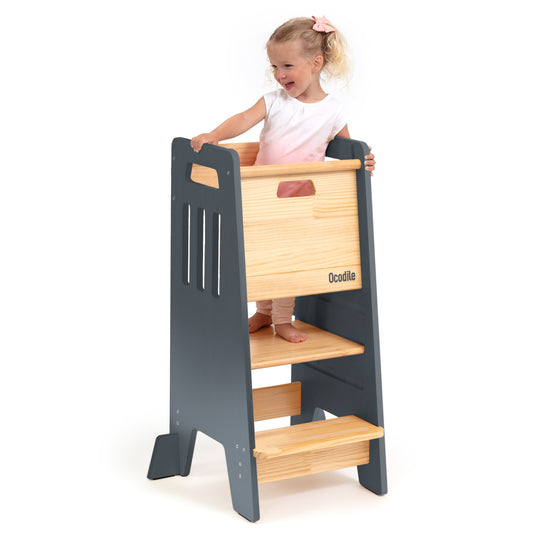
If you're looking for child-centered furniture that supports safety, independence, and everyday family connection, explore Ocodile. Their approach to practical, beautifully designed pieces for young children reflects what matters most at home, furniture that helps kids participate with confidence and gives families more good moments together.