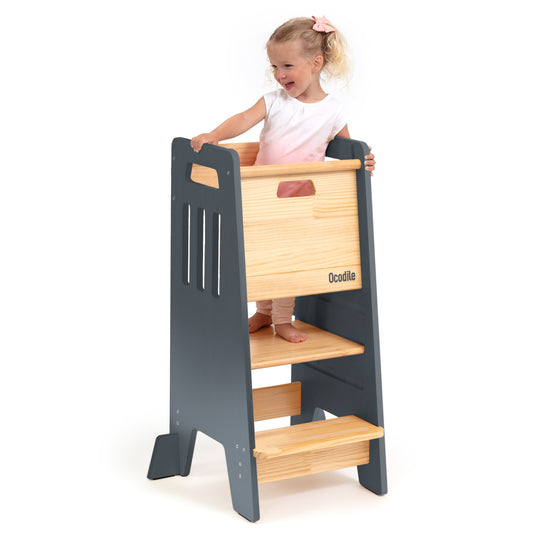


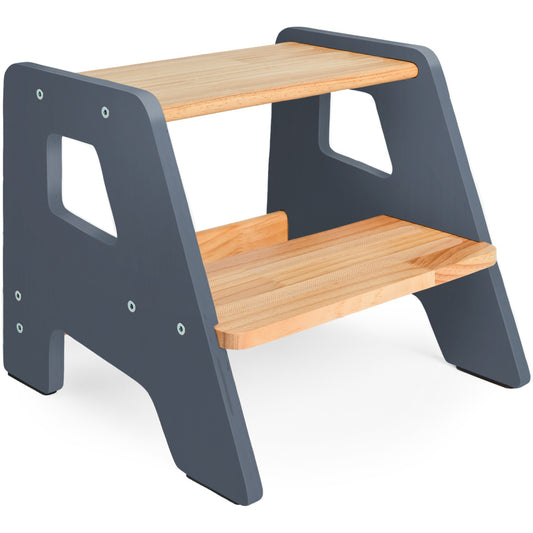


Your Guide to the Best Wood Convertible High Chair
Imagine buying one piece of furniture that starts with your baby's first spoonfuls of purée, weathers the storm of messy toddler meals, and even sticks around for homework sessions years later. That’s the simple genius of a wood convertible high chair—a single, smart piece that literally grows with your family. It masterfully transforms from a secure infant seat to a toddler booster and, finally, a functional youth chair they can use for years.
Why a Wood Convertible High Chair is a Smart Investment
A wood convertible high chair is so much more than just a spot for your baby to eat. Think of it as long-term furniture designed from day one to be adaptable. Unlike the typical high chair that gets relegated to the basement after a year or two, this one is built to handle your child's changing needs from infancy right into their school years. This multi-stage design saves you money and, let's be honest, saves your home from being overrun with outgrown baby gear.

This isn't just a niche trend; it’s a global shift in how parents think about baby gear. Convertible high chairs, especially wooden ones, are taking over. Market analysis actually shows these adaptable chairs make up a whopping 40% of the global highchair market, which is on track to hit $1.2 billion by 2026. That kind of growth shows a real demand for furniture that does more. You can dive deeper into the growing highchair market on IntelMarketResearch.com.
Beyond the First Year: Value and Sustainability
Let’s face it, the first thing that catches your eye with a wood convertible high chair is its good looks and solid feel. More and more parents are choosing wood for its durability and because it’s an eco-friendly choice. In fact, a recent survey found that 70% of parents in the U.S. and Europe pick wood over plastic simply because it’s sturdier and more sustainable.
This move toward quality and longevity pays off in a few key ways:
- It’s Cost-Effective: Buying one chair that handles multiple stages is way more budget-friendly than purchasing a separate infant high chair, then a booster seat, and later a youth chair.
- It Blends In: A well-designed wooden high chair looks like a deliberate piece of furniture. It fits right into your dining room or kitchen instead of screaming "temporary baby item."
- It Fosters Independence: As the chair changes, it empowers your child. Moving up to a booster at the family table helps them build social skills, and the final youth chair gives them a great sense of autonomy.
Think of it like this: you're investing in a single, timeless piece of furniture that supports your child’s development at every stage. It’s a sustainable choice that grows right alongside them.
This adaptable design philosophy is a perfect match for brands like Ocodile, which are all about creating furniture that encourages independence and looks beautiful in the home. When you choose a wood convertible high chair, you’re not just buying another product—you’re getting a practical, stylish, and safe solution that will serve your family for the long haul.
So, What Makes a Great High Chair?
What really sets a good high chair apart from a great one? When you're looking at a wood convertible high chair, you have to look past the pretty pictures and understand what’s going on under the hood. Think of it like building a safe little treehouse for your kid—every piece matters, from the wood itself down to the smallest buckle.
This isn't just about matching your dining room decor; it's about knowing you’ve made a solid choice for your child’s safety and comfort. The best chairs are built on a foundation of smart design, strong materials, and strict safety standards. Let's break down what that actually means.
Strong and Safe Materials: The Foundation
The first thing to check on any quality wood convertible high chair is the material. You’ll want to see models made from solid hardwoods like beech or birch. These woods aren't picked randomly; they're dense, tough, and can handle years of use (and the occasional drumming session with a spoon) without warping or splintering.
Just as important is the finish. A top-tier chair will always use non-toxic, lead-free paints and finishes. Babies and toddlers love to explore with their mouths, so a safe finish is an absolute must. It means that even if your little one decides the chair's edge is a great new teether, you don't have to worry about them ingesting nasty chemicals.
A well-built wooden chair is an investment in peace of mind. Its weight provides a natural stability that lighter plastic models often lack, making it significantly harder to tip over.
This blend of durability and safety is why wood is still a top choice for premium baby gear. Across the globe, wood makes up 28% of the materials used in this market, mostly because of its non-toxic finishes and impressive strength—some can hold up to 50kg! As more families focus on home safety, it makes sense that 68% of dual-income households now spend over $150 on multi-use chairs that promise to last. If you're interested in the market trends, you can dig deeper in this detailed report on Credence Research.
The Safety Features That Are Non-Negotiable
A sturdy wood frame is the starting point, but it’s the safety hardware that truly creates a secure spot for your child. These are the features that should be at the very top of your checklist before you even think about color or style.
To get started, here's a quick checklist to keep handy when you're comparing models.
Essential Safety Features Checklist
| Safety Feature | What to Look For | Why It's Important |
|---|---|---|
| Harness System | A 5-point harness with shoulder, waist, and crotch straps. | The gold standard. It keeps your child securely in place, preventing them from wiggling out or trying to stand up. |
| Wide, Stable Base | Splayed legs that create a low center of gravity. | This makes the chair extremely difficult to tip, even if your child pushes against the dinner table. |
| Passive Crotch Post | A fixed bar between the leg openings. | This simple but crucial feature stops a child from sliding out from under the tray, even before the harness is buckled. |
| Smooth Surfaces | Rounded edges and a completely smooth finish. | Run your hand over every part of the chair—there should be no rough spots or potential for splinters. |
Let's talk a bit more about the harness. A 5-point harness is what you want. It secures your child at the shoulders, hips, and between the legs, making it virtually escape-proof. A simpler 3-point harness (which only has waist and crotch straps) just doesn't offer the same level of upper-body support for a wiggly baby.
Don't forget these other key elements:
- A Wide Base: The legs of the chair should spread out to create a wide footprint. This lowers the center of gravity and makes the chair rock-solid.
- A Passive Crotch Post: This is a fixed post built into the seat. It’s a brilliant safety backup, preventing your child from sliding out from under the tray while you’re getting them settled.
- Splinter-Free Surfaces: A well-made chair will have perfectly smooth, rounded edges. A quick run of your hand over the frame and tray will tell you everything you need to know.
Many of these features fit right in with Montessori ideas, which focus on creating a safe, child-led environment. If you want to learn more about how a high chair can support that journey, check out our guide on the Montessori high chair.
By keeping these core features in mind, you’ll be able to confidently pick a chair that’s built for a lifetime of safe and happy meals.
From Infant Seat to Youth Chair: The Transformation Journey
The real magic of a wood convertible high chair is how it grows with your child. It’s not just one chair you'll use for a year; it’s a single piece of furniture that cleverly adapts to each new stage, from those first messy meals all the way to homework at the big table.
Think of it as a smart, long-term investment that supports your child’s growing independence. Each conversion isn't just a practical change—it’s a milestone, marking their journey from a baby needing support to an active member of the family. Let's walk through how this one chair evolves.
Stage 1: The Secure Infant High Chair
This is where it all begins, usually around 6 to 12 months old, when your little one is ready to start exploring solid foods. The chair is set up in its full high chair mode, giving your baby a safe and secure perch.
At this stage, safety is everything. The chair is equipped with a 5-point harness and its own tray, creating a little self-contained space for them to discover tastes and textures. You can relax, knowing they're safely buckled in and can't wiggle their way out.
The most important features here are:
- A Secure Harness: The 5-point system is non-negotiable. Babies at this age don't have the core strength to sit up straight for an entire meal, and the harness keeps them safely in place.
- The Food Tray: It's the perfect-sized surface for their first adventures with food, whether you're spoon-feeding or trying baby-led weaning with soft finger foods.
- Proper Posture Support: A good high chair keeps your baby sitting upright, which is critical for safe swallowing and healthy digestion.
By giving them a comfortable and secure spot, you're helping create a positive relationship with food right from the very first bite.

This timeline really drives home how modern chairs have evolved. They blend the classic durability of solid wood with the advanced safety features and high weight limits we expect today, creating a product built to last.
Stage 2: The Toddler Booster at the Family Table
Sometime between one and three years old, your child will be itching to join everyone at the "big table." This is the perfect time for the chair's next transformation. Simply remove the tray, adjust the seat and footrest, and the high chair becomes a toddler booster.
This is a huge step for their social development. Sitting at the same height as the rest of the family makes them feel included and important. They're no longer off to the side in a "baby zone" but are right in the middle of the action, learning table manners and conversation skills just by watching you.
This transition is more than just a physical change to the chair; it’s a psychological boost for your toddler. It tells them, "You are big enough to sit with us," which is a powerful message that builds confidence.
Stage 3: The Independent Youth Chair
The final conversion happens when your child no longer needs a harness, typically from three years old and up. The chair now becomes a sturdy, height-adjustable youth chair that can be used for years to come.
This stage is all about independence. Your child can now climb in and out of their own chair, which gives them a wonderful sense of autonomy. Because it’s still perfectly sized for them, it encourages good posture whether they're eating, drawing, or doing homework at the dining table.
The journey from a high-security infant seat to an adjustable children's chair is a brilliant example of thoughtful design. If you're curious about the ergonomics, our guide on the adjustable children's chair dives deeper into the benefits. A wood convertible high chair doesn’t just get your child through a few messy meals—it supports them through key developmental milestones, adapting to their needs and empowering them every step of the way.
Choosing Your Material: Wood vs. Plastic vs. Metal
One of the first big decisions you'll make when picking a high chair is the material. You’ll find that most chairs fall into one of three camps: wood, plastic, or metal. Each one brings something different to the table, and thinking about how it will fit into your daily routine—from messy mealtimes to your home’s overall style—is the key to finding the right fit.
Let’s break down what makes each material stand out and see how they compare.
The Case for a Wood Convertible High Chair
A wood convertible high chair is what many of us picture when we think of a classic, premium high chair, and there are good reasons for that. Its biggest strength is its incredible durability and rock-solid stability. These chairs, often built from hardwoods like beech or birch, are heavy and sturdy. That weight means they are extremely difficult for a wiggly toddler to tip over.
Then there’s the look. A beautifully designed wooden high chair doesn’t scream "baby gear." Instead, it looks like a genuine piece of furniture that blends right into your dining room, creating a cohesive, grown-up space.
- Pros: Fantastic sturdiness, a timeless look, built to last, and often made from sustainable, natural materials.
- Cons: They can be heavier and harder to move around. Cleaning is a simple wipe-down, but you can’t just hose them off, and you might need to pay a little extra attention to nooks and crannies.
Wood just has a warmth and permanence that other materials can’t quite replicate. It feels less like a temporary baby item and more like an investment that will see you through multiple kids and countless family meals.
The Practicality of Plastic
Plastic high chairs are all about convenience and features. Their main selling point is just how easy they are to clean. You can wipe away most spills in a second, and many models come with trays you can pop right into the dishwasher—a total game-changer for busy parents.
These chairs are also lightweight. Many are designed to fold up neatly for storage, which is a huge plus if you’re working with a smaller kitchen or dining area. They also tend to come loaded with features like multiple recline settings, height adjustments, and wheels to roll them around easily.
The trade-off, however, often comes down to longevity and looks. Plastic can stain over time and might not feel as durable as a solid wood chair. And while they are super functional, they definitely look like baby equipment rather than a permanent piece of your home.
The Modern Look of Metal
Metal high chairs, usually made from aluminum or steel, offer a very sleek, modern, and sometimes industrial vibe. They are incredibly strong and stable, much like wood, but often in a more minimalist design. The frames are a breeze to wipe down, giving you a great combination of strength and low-maintenance cleaning.
On the flip side, metal can sometimes feel a bit cold or clinical compared to wood. These chairs often use plastic for the seat and tray, so you’re really getting a hybrid of materials. Their main appeal is for parents who love that contemporary style and want something truly robust.
So, how do you choose? Here’s a quick look at how the materials stack up side-by-side.
A Head-to-Head Comparison of High Chair Materials
This table breaks down the key differences between wood, plastic, and metal to help you decide what matters most for your family.
| Feature | Wood | Plastic | Metal |
|---|---|---|---|
| Durability | Excellent; can last for generations | Fair to Good; can become brittle or stained | Excellent; very strong and resistant to wear |
| Stability | Excellent; heavy base prevents tipping | Good; lighter weight can be less stable | Very Good; often a good balance of weight and stability |
| Aesthetics | Timeless, furniture-like appearance | Functional, often colorful; looks like baby gear | Modern, sleek, and minimalist |
| Cleaning | Easy to wipe, but requires more care | Very Easy; wipeable and often has dishwasher-safe parts | Easy; frame wipes clean easily, seat may vary |
| Portability | Low; typically heavy and not foldable | High; lightweight and often foldable for storage | Medium; lighter than wood but not always foldable |
| Longevity | High; often convertible to grow with the child | Low to Medium; may not last through multiple children | High; frame is very durable, plastic parts may wear |
While every material has its place, it's clear why wood holds its own as a premium choice. It's a perfect blend of form and function.
While plastic chairs have a huge share of the market, wood has carved out a solid niche in the premium segment. Industry data shows that wood is the preferred material for 25-30% of parents, particularly those who put a premium on stability and natural warmth in their home. This trend is especially strong in Europe, where families often lean towards wooden designs that meet rigorous safety standards. This focus on durability makes sense when you consider that 62% of parents buy convertible models specifically to get more long-term value from their purchase. You can read more about these trends over at Markets and Data.
For parents who are mindful about the materials they bring into their homes, it's also worth checking out our guide on choosing non-toxic children's furniture to help create the safest space for your little one.
Ultimately, the best material really comes down to your priorities. If you’re looking for a piece that offers longevity, timeless style, and unmatched stability, a wood convertible high chair is a fantastic choice.
How to Pick the Perfect Chair for Your Home
Choosing a wood convertible high chair is more than just an aesthetic decision. It’s about finding a piece of furniture that genuinely fits into your home, your routine, and your life for years to come.
Let's walk through a few practical steps to make sure you bring home a chair that’s the right fit for your family, not just a pretty object in the corner.
Measure Twice, Buy Once
Before you get your heart set on a specific model, it’s time to pull out the tape measure. A chair that’s too large can quickly cramp your dining space, while one that’s not the right height simply won't work at your table.
Focus on these three simple measurements:
- Dining Table Height: Measure from the floor to the underside of your table. This is the most important measurement for when you convert the chair to a booster seat and want your toddler to join you at the family table. You need to make sure their legs will have enough room.
- Available Floor Space: Figure out the footprint where the high chair will live most of the time. Pay close attention to the chair's base. Models with wider, splayed legs are incredibly stable but also command more floor real estate.
- Storage Space: Do you plan on tucking the chair away? Measure that closet or corner. Most wooden chairs don't fold, but knowing your spatial limits from the start will save you a headache later.
A few minutes of measuring can prevent the major letdown of unboxing a chair that just doesn't work in your space.
Check How Easy It Is to Convert
The "convertible" feature is the main event, but the process can range from delightfully simple to downright frustrating. Some chairs are engineered for quick, tool-free changes, while others will have you searching for an Allen key.
Be honest with yourself about your patience for this kind of thing. Do you need a chair you can switch up in seconds, or are you okay with a more involved adjustment that you’ll only tackle once a year?
A great wood convertible high chair should feel intuitive. The switch from an infant high chair to a toddler booster to a youth chair shouldn't be a 50-step puzzle. Reading reviews to see what other parents say about the conversion process is a great way to gauge this.
Balance Your Budget with Long-Term Value
You’ll find wooden high chairs at a variety of price points. While it's tempting to grab the cheapest option, it helps to see this as a long-term furniture investment rather than a temporary baby item. A higher price often means better wood, sturdier construction, and a more thoughtful design.
Here’s a general idea of what you can expect:
- Entry-Level: These might use softer woods and have more basic adjustment systems.
- Mid-Range: You'll often find solid hardwoods like beech, more robust hardware, and smoother, more durable finishes.
- Premium: These chairs typically use the best materials, offer superior ergonomics, feature tool-free adjustments, and come with longer warranties.
Putting a little more into a well-made wood convertible high chair upfront often pays off. You're getting a durable piece of furniture that can last through several kids and still look fantastic, giving you much more value over its lifetime.
Keeping Your High Chair Looking New for a Lifetime of Meals
A wood convertible high chair is more than just a piece of furniture; it’s an investment in your child's mealtime journey, designed to last for years. And just like any quality wood piece in your home, a little TLC goes a long way in keeping it beautiful and, most importantly, safe.

The secret isn’t some complicated routine. It's all about simple daily habits and a quick check-up every now and then. Getting into a good cleaning rhythm prevents that sticky, caked-on mess, while a regular inspection ensures the chair stays structurally sound through all the wiggles and wobbles of a growing child.
Simple Daily Cleaning Habits
Let’s be real—mealtimes with little ones are messy. But cleaning your wood high chair doesn't have to be a major project. The real trick is to wipe up spills and splatters right after they happen. Most modern wood chairs have a durable, sealed finish that makes cleanup surprisingly easy if you catch it quickly.
For those daily wipe-downs, you really only need a few things:
- A Soft, Damp Cloth: Just use a cloth with warm water to handle most crumbs and spills. The key is to avoid soaking the wood, as too much moisture can wear down the finish over time.
- A Touch of Mild Soap: For those extra-sticky situations like dried oatmeal or fruit puree, a single drop of mild dish soap in your water will do the trick.
- A Dry Cloth: This is a crucial last step! Always wipe the chair completely dry with a clean, soft cloth to prevent water spots and protect the wood.
Sometimes, life throws a real curveball, like a pet having an accident on the chair. For tough organic stains or smells, you might need a more specific approach. In those cases, looking into a guide on how to get cat pee out of wood can offer solutions that are safe for the material.
Friendly Advice: Stay far away from abrasive scrubbers, steel wool, or harsh chemical cleaners. They can easily scratch the surface and strip off the protective finish, leaving the wood exposed and vulnerable to damage.
Periodic Safety and Maintenance Checks
Beyond the daily wipe-downs, a quick monthly inspection is the best way to keep your wood convertible high chair sturdy and safe. Think of it as a quick "health check" that gives you total peace of mind.
Just set a reminder on your phone to check these key areas once a month:
- Check All the Hardware: Go over every single screw, bolt, and fastener on the chair. Give them a gentle wiggle to see if anything has loosened up from daily use and tighten them with a screwdriver or Allen key.
- Inspect the Harness: Take a close look at the harness straps for any signs of fraying or wear and tear. Make sure the buckles click securely into place and release without a struggle.
- Feel the Structure: Run your hands along the chair’s frame, legs, and seat. You're feeling for any new splinters, cracks, or rough spots that might have shown up.
This simple routine only takes a few minutes, but it's the best way to make sure your chair is just as safe and reliable as the day you first put it together. It’s how you guarantee your chair is always ready for the next meal, the next stage, or even the next child.
Answering Your Top Questions
Choosing the right high chair can feel like a massive decision, and it’s completely normal to have a few lingering questions before you commit. To help you feel confident in your choice, we’ve put together answers to some of the most common questions we hear from parents about the wood convertible high chair.
When Can My Baby Start Using a Wood Convertible High Chair?
Most babies are ready for a high chair around the 6-month mark, but it's really their physical development—not their age—that gives the green light. The real milestone is when your baby can sit up on their own with good, steady head and neck control. This is the sign they have the core strength to sit upright safely for a meal.
For this early infant stage, you'll want to use the chair in its full setup. That means securing your little one with the 5-point harness and using the included tray. Always double-check the specific guidelines from the manufacturer, since their advice is tailored perfectly to that chair's design.
Are Wood High Chairs Harder to Clean Than Plastic?
This is a common myth, but the truth is that modern wood high chairs are surprisingly simple to clean. They’re built with smooth, sealed finishes that let you wipe away most messes with just a damp cloth, especially if you get to them right after meals.
While you can’t toss the whole chair in the dishwasher like you can with some plastic parts, the day-to-day cleanup is quick and painless. Many high-quality models also come with removable plastic tray covers that are dishwasher-safe, giving you the best of both worlds: the solid feel of wood and the easy-clean convenience of plastic.
The key is consistency. A quick wipe-down after each meal prevents food from drying on and sticking, keeping your chair looking great without any need for deep scrubbing.
How Does This Chair Support Montessori Principles?
A wood convertible high chair is a natural fit for the Montessori philosophy, which is all about fostering independence and including children in everyday family life. As it converts to a toddler booster, it lets your child pull right up to the main dining table with everyone else. This simple act builds a sense of belonging and helps them pick up social skills just by watching.
Later on, when it becomes a youth chair, it provides a sturdy, child-sized seat they can get in and out of all by themselves. This empowers them to take ownership of their space and builds the kind of self-reliance that sits at the very heart of the Montessori method.
Is a Wood Convertible High Chair a Safe Choice?
Absolutely. A well-made wood convertible high chair is an incredibly safe option—often even more so than lighter plastic alternatives. Their natural weight and wide, stable base make them very difficult to tip over, even with a wiggling, active toddler.
To guarantee safety, always look for a chair from a trusted brand that meets current safety certifications, like ASTM F404. Make sure it has those non-negotiable features we've talked about, including a 5-point harness and a passive crotch post to prevent any slipping.
The Ocodile high chair was designed with all these principles in mind, blending safety, adaptability, and timeless style. See how it can support your child’s journey from baby to big kid by visiting Ocodile.