



1 Inch Foam Padding: A Parent's Complete Safety Guide
You’re probably here because you’re looking at a play corner, a step stool, a floor bed, or a climbing setup and thinking the same thing many parents think. The wood looks solid. The design looks beautiful. But what happens when a child slips, bumps a hip, or leans hard into an edge?
That’s where the quiet details matter.
A lot of child safety talk focuses on locks, gates, and rounded corners. Those things matter. But so do the soft materials that sit between your child and a hard surface. 1 inch foam padding is one of those hidden materials that can make furniture feel gentler, safer, and more comfortable without turning your home into a padded gym.
Used well, it can soften rails, wrap hard surfaces, cushion headboards, and add a forgiving layer where children climb, sit, kneel, or wobble. Used badly, it can flatten too fast, feel unstable, or introduce materials you wouldn’t want near a child’s breathing space.
Parents don’t need to become foam engineers to make smart choices. You just need to know what the main terms mean, where 1 inch foam works well, and where it doesn’t. Once those pieces click, shopping gets much easier.
The Hidden Comfort and Safety in Your Home
A toddler learning to move through the house rarely does it carefully.
They climb onto a stool sideways. They lean back farther than you expect. They turn a bed frame into a tunnel, a bench into a mountain, and a low shelf into a place to steady themselves with one hand while reaching with the other. Most of the time, they’re fine. Sometimes they misjudge.
That’s why soft protection matters in places adults might overlook.
A hard wood frame can still be beautifully made and appropriate for children. The difference often comes from what covers, wraps, or cushions the contact points. A padded rail feels different from a bare rail. A softly wrapped side panel changes a bump into a brief surprise instead of a hard knock.
Where parents usually notice it first
Parents often start paying attention to foam after one of these moments:
- A small tumble from standing height that wasn’t serious, but made you rethink a nearby edge
- A child leaning into furniture during play and pressing their face or shoulder against a hard surface
- A reading nook or floor bed setup that looks cozy but feels firmer than expected
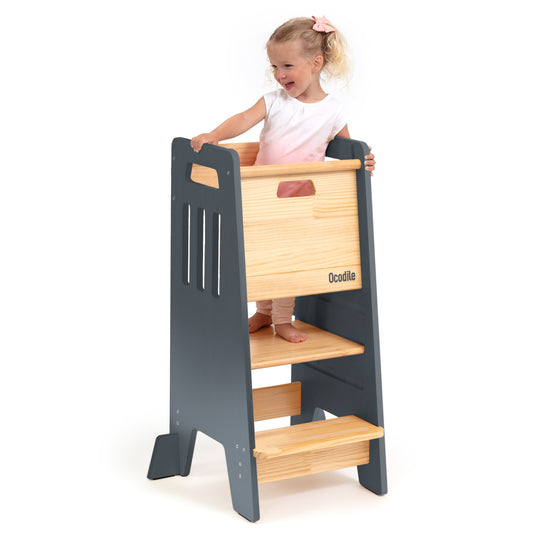
- A step stool or helper tower where grip and cushioning both matter
The good news is that not every safety improvement has to be dramatic. Sometimes the safest homes are the ones shaped by quiet choices. A softer edge. A better wrap. A material that keeps its shape instead of collapsing after a short time.
Children don’t use furniture the way adults do. They climb it, test it, and trust it with their whole bodies.
That’s one reason material choice matters so much in Montessori-style spaces. Independence only works when the environment supports safe exploration. Foam isn’t the star of the room, but it often helps the room work the way you hoped it would.
Understanding the Language of Foam
A product label can make a simple decision feel harder than it is. Parents see terms like density, ILD, high-density, and resilience, then wonder which ones affect a child bumping into a padded rail or resting against a headboard.
The first helpful point is simple. 1 inch foam padding describes thickness, not performance. Two pieces can both be 1 inch thick and behave very differently once they are wrapped around wood, used under fabric, or pressed on day after day.

Density tells you how much foam is actually there
Density refers to how much material is packed into the foam. In practical terms, denser foam usually holds its shape longer, while lower-density foam tends to flatten and wear out sooner.
That matters in children’s spaces because padding often gets used in repeated, uneven ways. A child may press a knee into the same spot, lean their shoulder against a side panel, or grip the same edge every day. Good foam should recover after that kind of use instead of staying crushed.
Foam suppliers such as The Foam Factory explain upholstery foam density and firmness in a way that matches what parents notice at home. Higher density generally supports longer use, but density alone does not tell you whether a foam will feel soft or firm.
ILD tells you how firm the foam feels
ILD stands for Indentation Load Deflection. The name sounds technical, but the idea is straightforward. It measures how much force it takes to compress the foam.
Here is the plain-English version:
- Lower ILD usually feels softer
- Higher ILD usually feels firmer
- A good match between density and ILD matters more than chasing one label
This is often where confusion starts. A foam can be dense enough to last well and still feel too firm for a contact surface. Or it can feel pleasantly soft at first and lose shape too quickly. For Montessori-style furniture, that balance matters because children do not interact with furniture in one predictable way. They sit, climb, rest, turn, and bump into it from odd angles.
Resilience and recovery matter in real family use
Resilience describes how well foam springs back after pressure. You can think of it as the difference between a cushion that recovers after a child hops off and one that keeps a dent.
For a child-safe setup, recovery matters because thin foam is often used as a protective layer rather than a deep cushion. If that thin layer stays compressed, the furniture can start feeling harder than you intended. Parents comparing edge padding, side panels, or floor-level backrests may also find it helpful to look at infant foam floor mats for play areas, since those products raise many of the same questions about surface feel, compression, and daily wear.
Thickness and support are different choices
A lot of parents understandably assume thicker always means safer or more comfortable. With foam, the job matters just as much as the measurement.
One inch foam often works well for wrapping contact points, softening rails, adding a light upholstered layer, or reducing the harsh feel of a firm surface. It is usually less suitable as the only cushion under full body weight for longer sitting. That is why Ocodile-style furniture choices benefit from looking at the full picture. Thickness, density, firmness, and placement all work together.
Common foam types you’ll see
You do not need to memorize material science terms, but these broad categories help:
| Foam type | What it’s usually like | Where parents often see it |
|---|---|---|
| Polyurethane foam | Common, flexible, available in many firmness options | Upholstery, wraps, cushions |
| Memory foam | Slower response, more contouring | Mattress toppers and comfort layers |
| Latex foam | Springier feel, often chosen by families exploring alternative materials | Specialty bedding and cushions |
If foam and batting have ever sounded like the same thing, that mix-up is completely normal. Batting is a separate layer used to soften and smooth upholstery, not the main cushioning core. This guide on what quilt batting is explains the difference clearly.
Practical rule: For child-focused furniture, check the foam in this order. Density first, firmness second, thickness third. That sequence usually leads to safer, more realistic choices.
Common Uses for 1 Inch Foam Padding
Before thinking only about child furniture, it helps to see where 1 inch foam padding shows up in everyday life. That context makes its strengths easier to understand.
It’s used in upholstery because it gives a neat, finished layer without adding too much bulk. It’s also used in protection because it softens contact points and helps absorb pressure in lighter-duty situations.
Everyday places you’ll see it
- Dining chair seats and accent pieces. It can add comfort without making a seat look overstuffed.
- Headboards and wall panels. A thin padded layer is often enough to soften impact and improve feel.
- Packaging and protective wraps. Foam helps shield surfaces and corners during storage or transport.
- Crafting and costume work. Denser foam is also used for shaped padding and creative builds.
For home seating, some families compare standard upholstery foam with comfort-focused options used in memory foam sofa beds. That kind of comparison is useful because it shows how different foams serve different goals. Some are built for contouring comfort, while others are better for structure and shape.
Why that matters for children’s spaces
When you see 1 inch foam used across different settings, a pattern shows up. It works best when you want a thin protective layer, not a deep sink-in cushion.
That makes it a practical fit for things like wrapped rails, padded edges, side panels, and lightweight comfort layers in a child’s environment. If you’re comparing it with softer play surfaces, Ocodile’s article on infant foam floor mats is a helpful reference because floor mats and upholstery foam solve related but different problems.
A floor mat is about a larger landing area. A 1 inch upholstery foam layer is more often about shaping, wrapping, and softening a specific furniture surface.
Safety First What Makes Foam Safe for Children
Your child rests their cheek against a padded rail, climbs past a wrapped side panel, or leans into a headboard while turning pages. In those everyday moments, foam sits close to skin, breathing space, and constant touch. For Montessori-style furniture, that means safety starts with the material itself, not just the cushion it creates.

Start with what your child experiences every day
A safe foam choice does three jobs at once. It stays stable with repeated use, it gives off fewer concerning emissions, and it keeps its shape instead of crumbling or flattening too quickly.
That matters more with 1 inch foam than many parents expect.
A thin foam layer has less room to “hide” wear. If it breaks down early, the surface can go from gently protective to hard and uneven faster than a thicker cushion would. On child furniture, that changes how a rail feels against a forehead, how a panel softens a bump, or how comfortable a child feels using the piece independently.
What to look for on the label
Start with clear product information from the seller or manufacturer. If the listing is vague, treat that as a warning sign.
A short parent checklist helps:
- CertiPUR-US® certification. This tells you the foam has been screened for certain harmful chemicals and tested for low VOC emissions.
- Foam density listed in the specs. Density helps you judge whether the foam is likely to hold up under regular family use.
- Intended use clearly stated. Upholstery foam for contact surfaces is different from packaging foam or craft foam.
- A removable, washable cover. Clean foam stays safer when the outer layer protects it from spills, moisture, and damage.
If you want a broader look at safer soft surfaces in children’s spaces, Ocodile’s guide to choosing a non-toxic foam play mat for children’s rooms and play areas is a helpful companion.
Why certification matters in a child’s room
Parents sometimes judge foam the way they judge a pillow in a store. Press it. Feel it. Decide if it seems comfortable.
That only tells you part of the story.
Foam works like the inside of a winter coat. You notice the outer fabric first, but what is inside affects warmth, safety, and how well it performs over time. In the same way, a pretty cover or soft first impression cannot tell you much about emissions or material screening. Certifications help fill that gap.
The CertiPUR-US® program explains what its certification covers, including testing for content, emissions, and durability standards used for flexible polyurethane foam (CertiPUR-US certified foam program standards). For parents choosing foam for child-height furniture, that is much more useful than a generic claim like “premium” or “high quality.”
Safe for children also means practical for children
Children do not use furniture gently or predictably. They kneel on it, lean sideways, rub the same corners, and come back to the same spot day after day. A foam that loses shape quickly can leave contact points less comfortable and less protective.
So the safer choice is usually the one that stays consistent.
For Ocodile-style pieces, 1 inch foam padding is often best used as a modest buffer on rails, panels, or other light-contact areas where you want softness without changing the furniture’s shape too much. Parents are not trying to create a deep cushion here. They are trying to soften everyday contact in a way that still supports independence, movement, and stability.
A simple rule parents can use
If a foam product does not clearly tell you what it is made for, how it is certified, and how it should be covered and cared for, skip it.
That one rule eliminates a lot of questionable options.
Here’s a quick visual overview for parents who want a simple explanation before shopping:
Foam safety is usually less about finding the softest option and more about choosing a material you can trust in the places your child touches every day.
Choosing the Right Foam for Ocodile-Style Furniture
The right foam depends on where it’s going.
For child-centered furniture, 1 inch foam padding usually works best when it protects contact points, adds comfort to light-use surfaces, or wraps structural parts without making the piece feel bulky or unstable.
Match the foam to the job
The foam’s density strongly affects how long it will hold up in family life. A 1.5 lb/ft³ foam may last 3 to 5 years with occasional use, a 1.8 lb/ft³ foam offers a 5 to 7 year lifespan under daily use, and a 2.5 lb/ft³ option can last up to 10 years. The same source warns that choosing below 1.6 lb/ft³ risks premature failure and loss of support in active family settings (Foam by Mail density guide).
That gives parents a practical baseline. For child furniture, don’t shop by thickness alone.
Selection guide for children’s furniture
| Furniture Piece | Recommended Density | Recommended Firmness (ILD) | Primary Goal |
|---|---|---|---|
| Standing tower rails or side contact areas | 1.8 lb/ft³ or higher | Firm to semi-firm | Soften bumps without adding too much bulk |
| Floor bed headboard or side panel wrap | 1.8 lb/ft³ or higher | Semi-firm | Gentle contact comfort and shape retention |
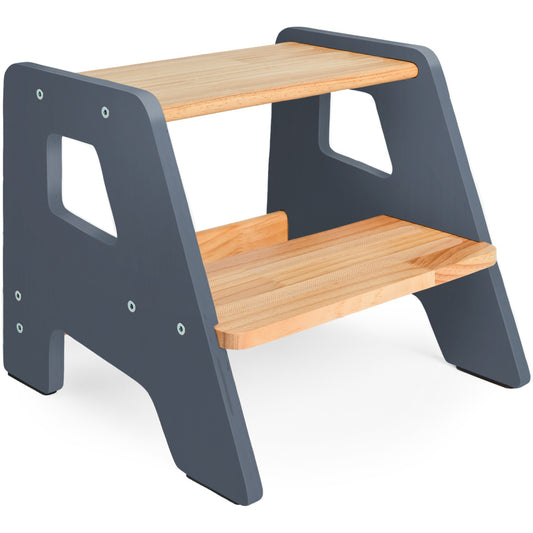
| Step stool top padding or edge wrap | 1.8 lb/ft³ or higher | Firm | Stable feel with surface protection |
| Bench backrest or light-use padded panel | 1.8 lb/ft³ or higher | Semi-firm | Light comfort and impact softening |
The exact ILD will vary by product line, but the use case tells you a lot. A child standing on a stool needs stability. A child leaning against a side panel needs softness without sagging.
Real-world choices parents can make
Here’s the simple version.
For protective rails, choose denser foam with a firmer feel. You want the surface to absorb contact without collapsing flat.
For a headboard wrap or padded side panel, a semi-firm option often feels more welcoming. It still needs structure, but the contact is different. It’s less about standing support and more about resting, rolling, or bumping gently.
For a step stool, avoid anything that feels squishy underfoot. Soft compression can make a surface feel less predictable.
A child’s furniture should feel forgiving at the edges and steady at the points of support.
If you’re shopping for low-sleep surfaces or comparing how thin padding behaves in floor-level setups, this article on a thin mattress for floor can help you think through comfort versus support in a practical way.
One brand example in this category is Ocodile, which offers child-focused furniture such as standing towers, floor beds, and step stools designed around safe independent use. In those kinds of pieces, 1 inch foam padding makes the most sense as a carefully chosen protective or comfort layer rather than a thick seating base.
A quick parent checklist
- For edges and rails. Prioritize firmness plus good density.
- For resting surfaces. Think semi-firm, not mushy.
- For anything weight-bearing. Don’t rely on 1 inch foam as the main support layer.
- For active kids. Skip low-density foam that will lose shape too soon.
Installation and Care Tips for Longevity
A good foam choice can still disappoint if the fit is sloppy or the cleaning routine is too aggressive.
That matters even more on child-safe furniture. In Montessori-style pieces, padding is often there to soften contact on rails, side panels, and edges, so it needs to stay smooth, stable, and fully covered through everyday use.
Start with a clean, snug fit
Foam works a bit like a fitted sheet. If it is too loose, it shifts, wrinkles, and leaves some areas less protected than others. If it is cut with care, the surface stays neater and the padding keeps doing its job.
Many upholstery guides recommend cutting foam slightly larger than the panel so it fills the cover firmly instead of sliding around. Sailrite’s upholstery instructions describe this snug-fit approach as part of getting a smoother finished result (Sailrite upholstery foam guide).
For parents, the practical takeaway is simple. Slightly snug is usually better than slightly loose.

Setup habits that help foam last longer
A few careful choices during installation can prevent early wear.
- Measure the panel, not just the cover. Covers can stretch or bunch, but the furniture base tells you the true size.
- Cut evenly with a sharp tool. Jagged edges can show through thin fabric and create weak spots at corners.
- Add a wrap layer if the design needs softer edges. Polyester wrap can round out corners and help the cover sit more smoothly.
- Keep the cover taut. A loose cover lets foam creep out of position after lots of climbing, leaning, and bumping.
- Choose the outer fabric for real family use. In snack, craft, or play areas, a wipeable cover is often the safer long-term choice.
Clean gently and dry fully
It is tempting to soak foam after a spill, especially in a child’s room. That usually creates a second problem. Moisture trapped inside foam can linger longer than the surface looks wet.
Blot spills first. Use a mild cleaner on the cover or the affected spot, not a heavy soaking treatment. If the foam does get damp, let it dry all the way before putting it back inside the cover.
Gentle care is usually enough.
Know when care is no longer enough
Foam does not usually fail all at once. It wears down in small, easy-to-miss ways.
Watch for these signs:
- The foam stays flattened after pressure
- You feel the wood or hard base underneath too quickly
- Edges start crumbling, splitting, or shedding
- The insert slides around inside the cover
- The surface looks uneven after the cover is zipped closed
If you notice those changes on a child’s rail pad, side cushion, or headboard panel, replacement is often the better choice. The goal is not just comfort. It is steady, predictable protection during everyday movement.
When to Choose an Alternative to 1 Inch Foam
A parent sets up a cozy reading bench, adds a neat 1 inch foam pad, and expects it to feel soft enough. Then a child climbs up, sits down, and quickly feels the hard surface below. That is the moment where thickness matters.
One inch foam works well for contact protection, edge wrapping, and lightly padded panels. It is much less suited to surfaces that have to hold body weight for any length of time. For seating, lounging, or sleeping, the foam has a bigger job to do.
Situations where thicker foam makes more sense
Direct seating is the clearest example.
If a child is sitting still on a bench, using a floor cushion for story time, or climbing in and out of a little lounge chair, a single inch often compresses too easily. In simple terms, there is not enough material to absorb pressure before the body meets the firmer base underneath. For Montessori-style furniture, that matters because children use pieces actively, not just carefully. They perch, wiggle, lean sideways, and hop on and off.
In those cases, a thicker cushion usually gives better comfort and more consistent support. Guidance from upholstery suppliers commonly recommends deeper foam for seat cushions rather than a 1 inch layer alone, especially for repeated use. For example, The Foam Factory's upholstery foam guide explains that seat foam choices depend heavily on both thickness and firmness.
Better alternatives for some families
A better option depends on how the furniture will be used.
- Thicker upholstery foam makes more sense for benches, seat pads, and other spots where a child will sit regularly.
- Layered foam systems can work well when you want a firmer base with a softer top feel.
- Memory foam may suit back cushions or occasional lounging surfaces, though it is usually less responsive for active play furniture.
- Latex foam appeals to some families who want a different feel and a material with more spring.
- Natural fill systems, including coir-based builds, may be worth exploring if you are trying to avoid standard polyurethane foam entirely.
A simple way to judge it is this. If the foam’s job is to soften a bump, 1 inch may be enough. If its job is to support a child’s weight, you will usually want more thickness, a different foam type, or both.
That small shift in thinking helps parents choose more safely. Ocodile-style furniture is often designed around movement, independence, and everyday contact. So the right question is not “Will 1 inch foam fit?” It is “What is this surface asking the foam to do?”
Frequently Asked Questions from Parents
Is 1 inch foam padding enough for a toddler bed rail or side panel
Often, yes. For wraps and contact surfaces, it can work very well. The main thing is choosing appropriate density and a safe certified foam.
Can I use cheap foam if the cover looks thick
I wouldn’t. A thick cover can hide low-quality foam for a while, but it won’t stop the foam from wearing out or losing support.
Does firmer always mean safer
Not always. Firmer can help with stability, but the safest choice depends on the surface. A rail, a headboard, and a step surface all need something slightly different.
Is 1 inch foam padding good for sitting
Not usually as a stand-alone seat cushion for regular use. It’s better for light cushioning, wraps, and protective layers.
What’s the simplest safe shopping rule
Look for child-appropriate density, certification, and a clear intended use. If the listing is vague about those points, skip it.
If you’re building a calmer, safer home for a child to explore independently, Ocodile is worth a look. The brand focuses on practical children’s furniture designed for everyday family life, including pieces that support movement, participation, and safe exploration in Montessori-style spaces.